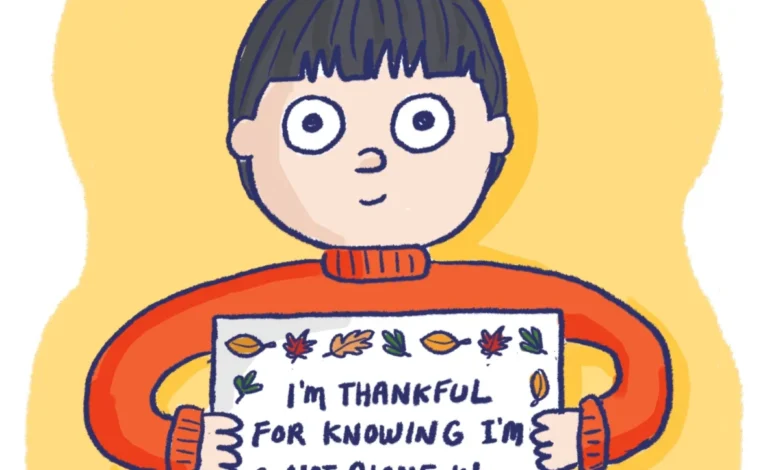
As the holiday season approaches, the act of identifying and articulating gratitude has become a central cultural fixture in the United States. In a new visual essay, Brooklyn-based author and illustrator Ruth Chan explores the complexities of thankfulness through a series of emotive, hand-drawn comics. Published this week, the work invites readers to move beyond the superficial list-making often associated with Thanksgiving and instead engage with the nuanced, often bittersweet nature of human appreciation.
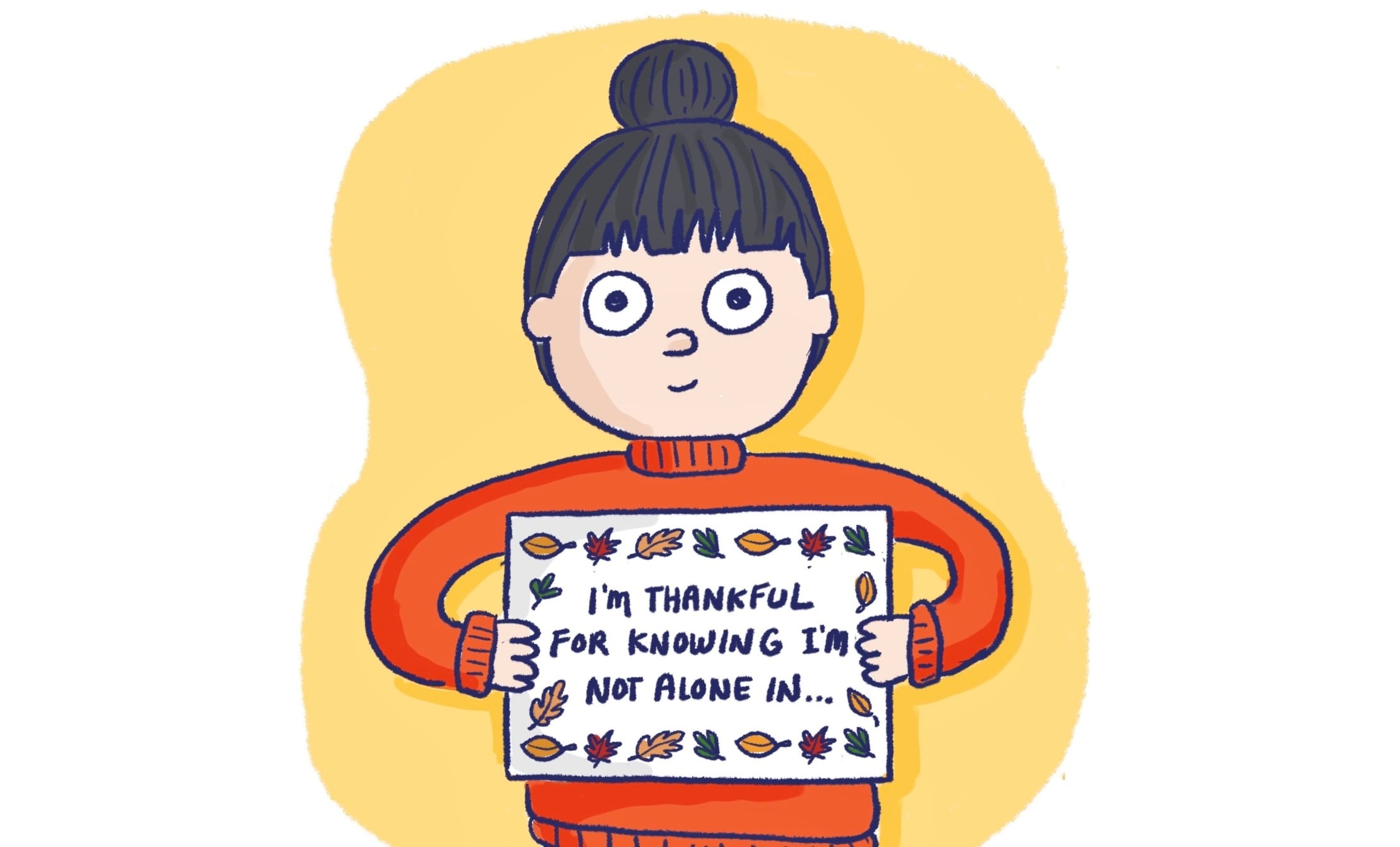
The Evolution of Gratitude in Contemporary Media
The concept of gratitude, while ancient in its philosophical roots, has seen a resurgence in popularity over the last decade, particularly within digital lifestyle media. Platforms like Cup of Jo have frequently served as forums for this discourse, hosting contributions from various artists and writers. Ruth Chan’s latest installment is part of a broader, ongoing series of collaborations that have tackled themes ranging from the psychological weight of grief and the complexities of OCD to the specific, fleeting joys of parenthood and cultural celebrations like the Lunar New Year.
Chan’s artistic process relies on a minimalist aesthetic that allows the viewer to project their own experiences onto the subjects depicted. By stripping away unnecessary background detail, the focus remains entirely on the emotional exchange within the frame. This stylistic choice has become a hallmark of her work, distinguishing her contributions as accessible yet deeply poignant pieces of social commentary.
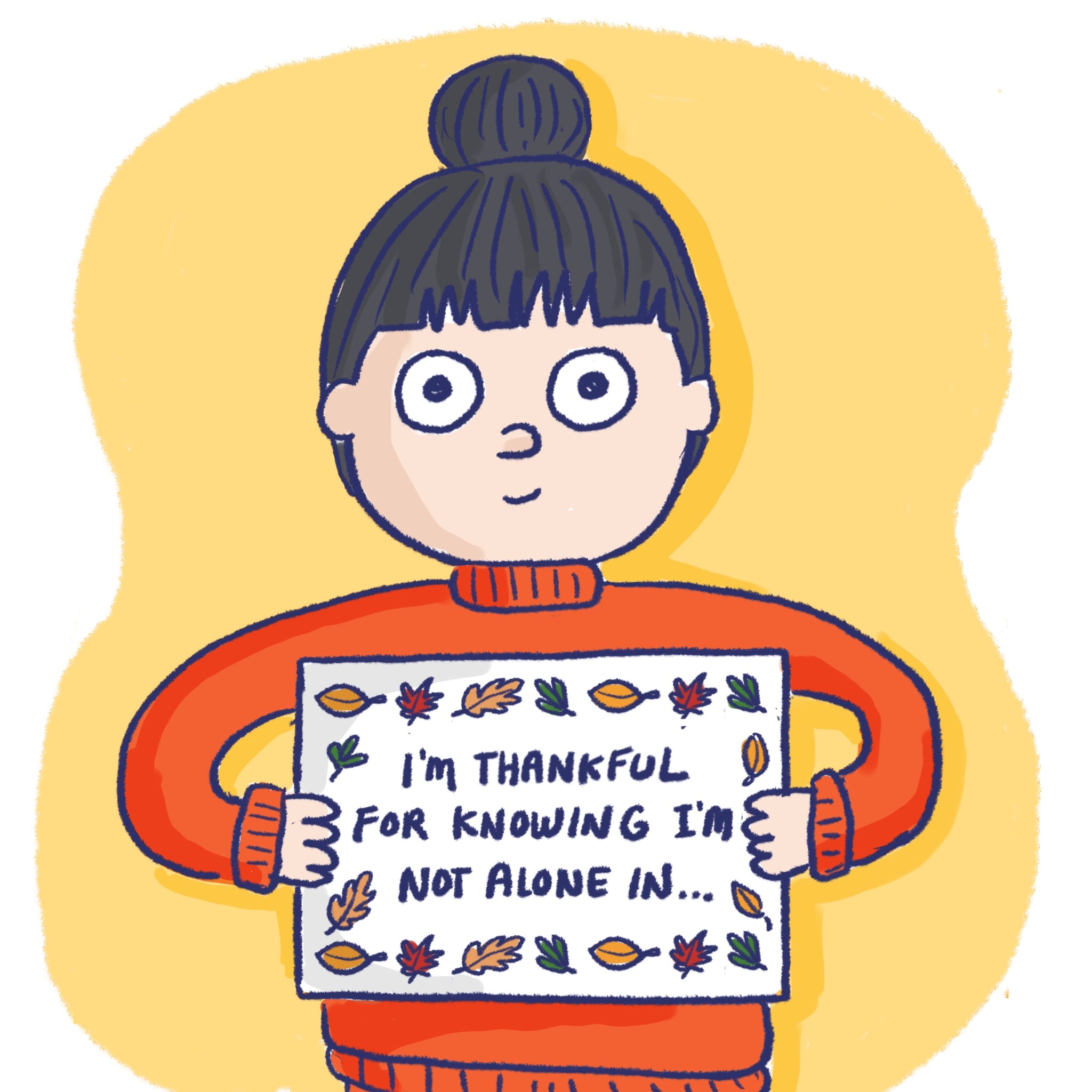
Chronology of a Creative Partnership
Ruth Chan’s history with digital media outlets is marked by a consistent effort to translate abstract emotional states into visual narratives. The following timeline highlights key thematic contributions that have paved the way for her current work:
- 2022, May: Publication of a visual essay exploring the daily management and internal experience of Obsessive-Compulsive Disorder (OCD), which garnered significant community engagement.
- 2022, July: A reflective piece on the process of grieving, which provided a non-clinical, empathetic perspective on loss.
- 2024, August: A series focused on "baby wonder," documenting the observational development of infants and the subsequent shift in parental perspective.
- 2025, January: An exploration of cultural identity and heritage through the lens of Lunar New Year traditions.
- 2025, October: A deeper dive into the mechanics of human connection, examining how small, seemingly insignificant interactions form the bedrock of lasting relationships.
- 2026, November: The current release, "What I’m Thankful For," serving as a synthesis of her previous investigations into the human condition.
The Science and Sociology of Gratitude
From a sociological perspective, the practice of expressing gratitude is linked to improved mental health outcomes and stronger social cohesion. Research from the Greater Good Science Center at UC Berkeley indicates that individuals who regularly practice gratitude report lower levels of depression and higher levels of life satisfaction. However, the cultural pressure to perform "gratitude" during the holiday season can sometimes lead to what psychologists term "gratitude fatigue."
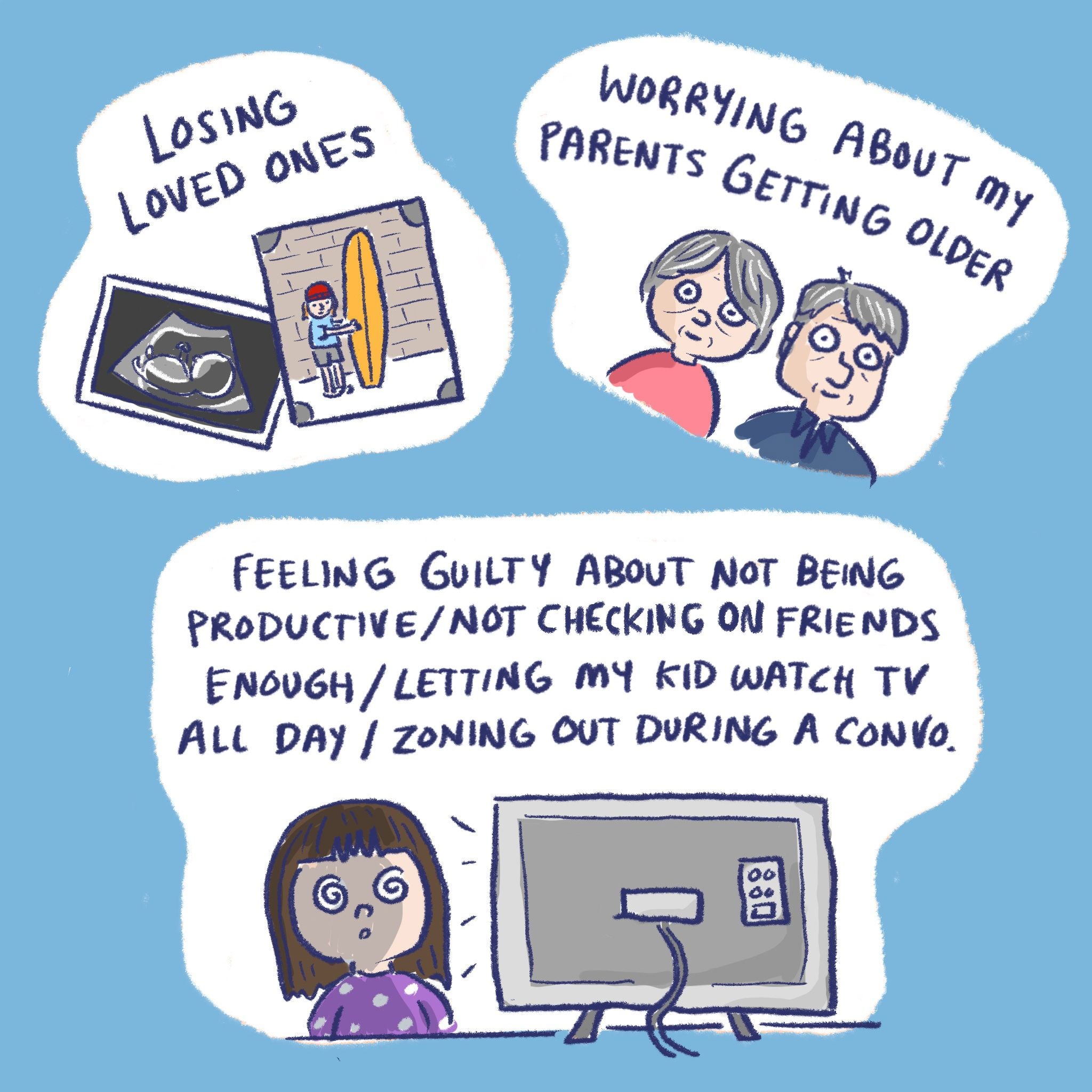
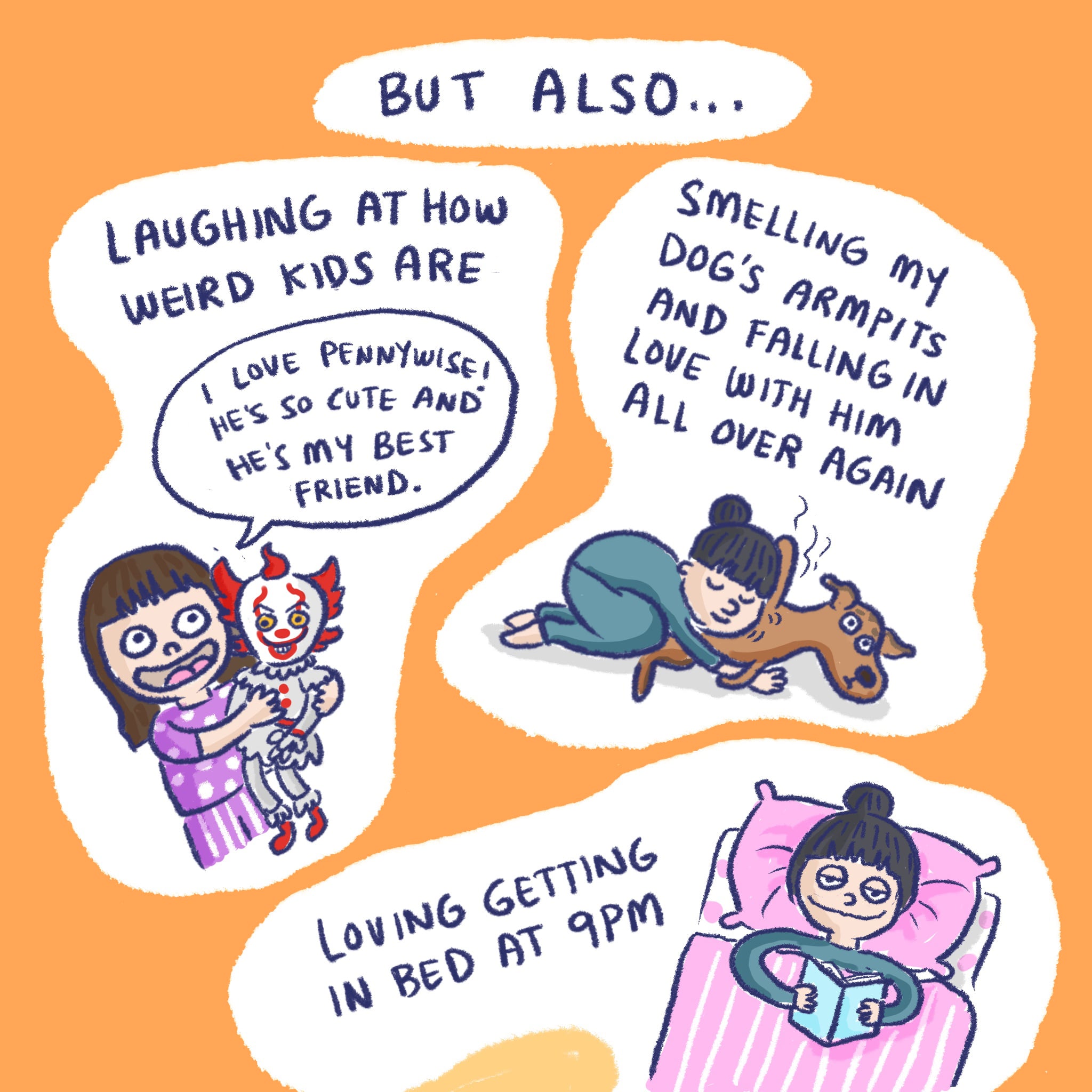
Chan’s work subtly addresses this tension. Rather than presenting an idealized, picturesque version of Thanksgiving, the comics reflect the reality that thankfulness is often discovered in the "in-between" moments—the quiet, the mundane, and the sometimes challenging. This approach aligns with contemporary psychological advice, which suggests that genuine appreciation is more sustainable when it includes the recognition of life’s difficulties, rather than just its successes.
Broadening the Scope: Related Community Narratives
The release of Chan’s work coincides with several other high-engagement articles that highlight the diverse range of human experiences often curated by lifestyle outlets. Recent content across the same digital sphere has explored:
- Interpersonal Dynamics: Discussions regarding the "love languages" of children, which emphasize that appreciation is not a one-size-fits-all concept.
- Emotional Resilience: Guides on navigating post-breakup recovery, emphasizing that emotional healing is a process rather than a destination.
- Nostalgia and Comfort: The cultural significance of "comfort foods," such as angel food cake, as anchors for childhood memories and personal identity.
These topics, while varied, share a common thread with Chan’s illustrations: they all seek to validate the reader’s internal life. By providing a platform for these narratives, publishers are effectively creating a support network that prioritizes emotional literacy as much as lifestyle advice.
Analysis: The Impact of Visual Storytelling
The efficacy of Chan’s work lies in its brevity. In an era of information overload, the visual comic format provides an immediate point of connection. When an artist illustrates a moment of connection or a realization about grief, it bypasses the analytical mind and speaks directly to the reader’s intuition.

According to literary critics, visual storytelling has become increasingly vital in modern journalism. By utilizing the comic strip medium, Chan provides a "visual shorthand" for complex emotions. This format is particularly effective for discussing the holiday season, a time traditionally fraught with high expectations and social anxiety. By modeling a form of gratitude that is honest and unadorned, the artist provides a blueprint for readers to engage with their own lives more authentically.
Official Context and Future Implications
The reception of these comics by the public has been overwhelmingly positive, as evidenced by the high volume of community interaction in the comment sections of such features. These sections have evolved into digital support groups, where readers frequently share their own lists of gratitudes or reflections on the topics presented.

As the holiday season continues to evolve in a post-pandemic landscape, the definition of what we are "thankful for" is shifting away from material acquisitions and toward the sustainability of relationships and mental wellness. Ruth Chan’s work serves as a record of this shift. By focusing on the quiet, often overlooked aspects of the human experience, she encourages a more grounded approach to the holiday.
Conclusion
Ruth Chan’s latest visual essay is not merely a holiday-themed artistic endeavor; it is a reflection of a society seeking deeper meaning in its rituals. By documenting the intersection of art and emotion, she has created a body of work that resonates far beyond the confines of a blog post. As readers navigate the end of the year, the themes of patience, connection, and honest reflection presented in these illustrations offer a necessary counter-narrative to the often commercialized and high-pressure expectations of the holiday season. Whether through the lens of grief, love, or the simple appreciation of a quiet moment, the message remains clear: the most profound expressions of gratitude are often found in the most humble of places.