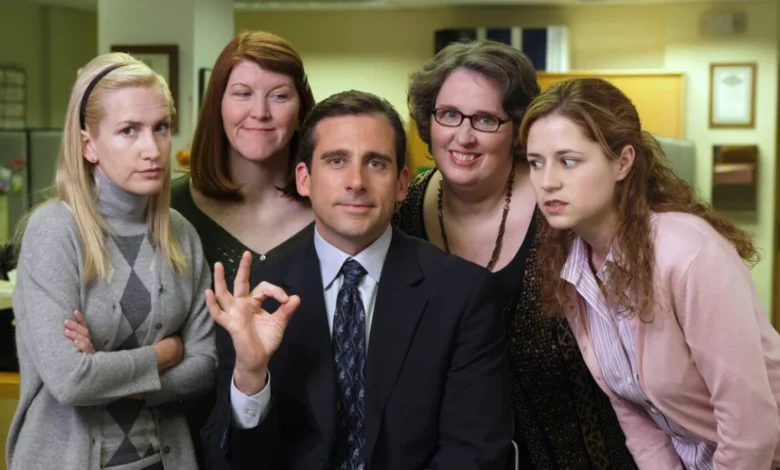
The cultural dominance of The Office remains one of the most significant phenomena in the history of television, with the American adaptation maintaining a consistent presence in global streaming top-ten charts long after its 2013 conclusion. Originally based on the 2001 British series created by Ricky Gervais and Stephen Merchant, the show established the mockumentary format as a staple of modern sitcoms. While audiences have exhausted the nine-season run of the Dunder Mifflin Scranton branch multiple times, the demand for content that mirrors the show’s unique blend of cringe comedy, workplace absurdity, and character-driven narrative has led to a burgeoning secondary market for thematic "streamalikes."
The Evolution of Workplace Mockumentary Comedy
The success of The Office was rooted in its ability to humanize the mundane. By utilizing a handheld, documentary-style camera approach, the series transformed the stagnant atmosphere of a paper supply company into a stage for complex interpersonal dynamics. Data from major streaming providers consistently indicates that viewers who finish the series often seek out films that replicate its specific emotional beats: the incompetence of leadership, the frustration of the middle-management grind, and the awkward social friction inherent in forced professional proximity.
The primary catalyst for this shift in viewing habits was the 2016 release of David Brent: Life on the Road. This film served as a critical bridge between the original UK source material and the broader global audience that had grown up on the American iteration. By following the titular character into a post-corporate, mid-life crisis, the film provided a case study in how "cringe comedy" can function as a vehicle for character development. In the film, Brent’s attempt to pivot from a regional sales role to a touring rock star mirrors the desperate, misguided ambition often seen in Michael Scott, providing a necessary catharsis for fans of the genre.

Chronology and Cultural Context of the Office Comedy
The lineage of office-based comedy can be traced back through several decades, reflecting changing attitudes toward labor and corporate hierarchy.
- 1960: The release of The Apartment, directed by Billy Wilder, set the gold standard for corporate satire. Its exploration of the "company man" who trades his personal integrity for professional advancement remains a foundational text for any critique of white-collar culture.
- 1997: The release of Waiting for Guffman solidified the mockumentary format in film. Christopher Guest’s approach to documenting small-town absurdity mirrored the later narrative techniques of The Office.
- 1997: Clockwatchers highlighted the disenfranchisement of the temporary workforce, a theme that would later be explored through characters like Ryan Howard or various transient Dunder Mifflin employees.
- 1999: The release of Office Space acted as a cultural turning point, capturing the collective resentment of the late-90s cubicle worker. It remains one of the most cited films in discussions regarding workplace burnout.
- 2001–2003: The original UK version of The Office established the aesthetic and tone that would define the next two decades of television comedy.
- 2005–2013: The US version of The Office scaled the concept for a mainstream audience, turning the genre into a multi-billion-dollar streaming asset.
- 2016: David Brent: Life on the Road marked a return to the original character, grounding the surreal comedy in the harsh realities of middle-age stagnation.
Critical Analysis of Workplace Satire
The enduring appeal of these films lies in their ability to articulate the frustrations of the modern employee. In Office Space, the focus is on the soul-crushing repetition of the 9-to-5 grind. The film’s success can be attributed to its accurate depiction of middle-management ambiguity and the loss of agency. Analysts suggest that the reason this film continues to resonate is that the fundamental nature of the office—the unnecessary meetings, the bureaucratic hurdles, and the personality clashes—has changed very little despite the rise of remote work and digital communication.
Similarly, The Apartment provides a more cynical, though equally relevant, look at the commodification of human relationships within a corporate environment. By focusing on the moral cost of ambition, the film provides a historical counterpoint to the more comedic antics of The Office. For viewers, these films serve as a form of vicarious release. When a character in these stories experiences the indignities of a poorly run meeting or an awkward holiday party, the viewer is invited to process their own professional experiences through a lens of humor rather than stress.
The Role of Chaos in Comedic Structure
For fans who gravitate toward the more chaotic episodes of The Office—such as those centered on fire drills, party planning disasters, or elaborate pranks—films like Office Christmas Party offer a high-octane expansion of these themes. The film operates on the premise of a workplace where the veneer of professionalism has been completely stripped away. This structural breakdown is a common trope in the genre, serving to test the loyalties and boundaries of the ensemble cast.

The effectiveness of these films is rarely in their plot, but in their character interactions. In Waiting for Guffman, the comedy is derived from the collision of inflated egos and limited resources. Much like the Scranton branch, the theater troupe in the film is comprised of individuals who are entirely unsuited for their ambitions, yet they are driven by a desperate need for validation. This dynamic is the cornerstone of the mockumentary style, where the presence of the "camera" encourages characters to present a version of themselves that is constantly at odds with the reality of their situation.
Implications for Future Media Consumption
The continued popularity of these titles suggests that audiences are not merely looking for "shows like The Office" because of nostalgia, but because the subject matter addresses a permanent aspect of the human experience. Work, in all its forms, provides a contained social environment that is ripe for observation. As the landscape of work shifts toward more digital and decentralized models, the appetite for stories that capture the "old" way of working—the physical office, the breakroom, the shared desk space—is likely to increase.
Industry experts observe that content providers are increasingly curating "thematic bundles" to meet this demand. By grouping films like The Apartment and Office Space with contemporary comedies, platforms are effectively creating a genre category that transcends specific decades. This suggests that the "office comedy" is no longer just a television subgenre, but a robust cinematic tradition.
Conclusion
For the dedicated viewer, the journey through these films provides more than just entertainment; it provides a map of the modern workplace’s absurdities. Whether it is the quiet, desperate ambition found in The Apartment, the nihilistic rage of Office Space, or the awkward, cringe-inducing journey of David Brent, these movies offer a comprehensive look at the human condition within the confines of professional life. As the cultural conversation continues to revolve around the nature of work, the relevance of these films—and the shows that inspired them—remains secure. They serve as a reminder that regardless of the era or the setting, the most effective comedy is found in the simple, relatable act of trying to be a person while trapped in a cubicle.