Best Buy Black Friday in July and Amazon Tech Deals Offer Record Discounts on Laptops Monitors and PC Accessories

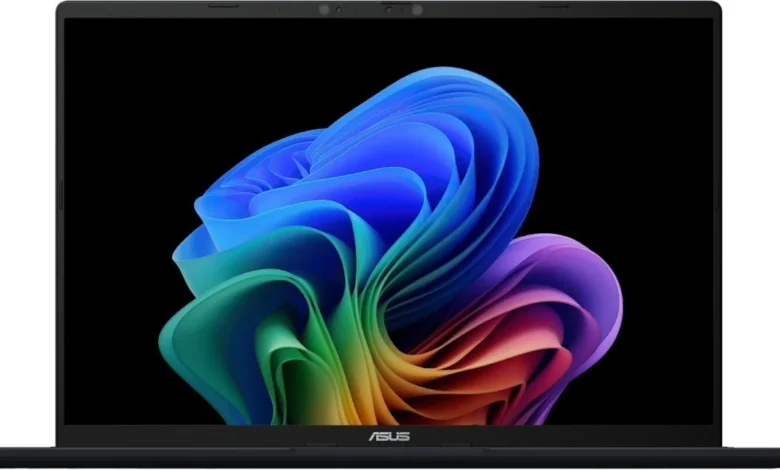
The mid-summer retail landscape of 2026 has reached a fever pitch as major electronics retailers launch aggressive discounting campaigns to capture the critical back-to-school and mid-year upgrade markets. Led by Best Buy’s "Black Friday in July" event and countered by deep price cuts from Amazon and direct-to-consumer portals like Dell and HP, the current sales cycle represents some of the most significant price depreciations seen in the consumer technology sector since the post-pandemic inventory corrections. As of July 23, 2026, premium computing hardware, including high-end OLED monitors and AI-integrated laptops, has seen price reductions of up to 50%, signaling a strategic shift in how retailers manage inventory ahead of the traditional fourth-quarter holiday season.

The cornerstone of the current promotional period is the dramatic price drop of high-performance workstations and ultra-portable laptops. Leading the category is the Dell 14 Plus, a device that has redefined the expectations for portable power. Originally positioned at a premium MSRP of $2,049.99, the unit is currently retailing for $999.99. This 50% reduction for a machine equipped with an Intel Core Ultra 9 processor, 32GB of RAM, and a 1TB SSD highlights a broader industry trend where high-specification hardware is being aggressively priced to compete with the surging popularity of ARM-based alternatives.
The Evolution of the Summer Sales Cycle
The phenomenon of "Black Friday in July" has evolved from a reactionary marketing gimmick into a fixed pillar of the retail calendar. Historically, the month of July was considered a fallow period for electronics, sandwiched between the spring graduation season and the late-August back-to-school rush. However, the introduction of Amazon Prime Day over a decade ago forced competitors like Best Buy and Walmart to develop their own mid-summer tentpole events.

By 2026, this period has become a primary clearinghouse for hardware released in the first quarter of the year. Industry analysts suggest that the current depth of discounts—specifically the $1,050 savings on flagship Dell units—indicates a rapid refresh cycle in the semiconductor industry. With newer AI-optimized silicon entering the market at a record pace, retailers are under immense pressure to move existing high-end stock to make room for late-Q3 arrivals.
Laptops and the Rise of the AI PC
The 2026 sales event is particularly notable for the inclusion of "Copilot+ PCs," a designation for laptops specifically designed to handle localized artificial intelligence tasks. The market is currently seeing a price war between traditional x86 architecture (Intel and AMD) and the newer Snapdragon X series.

For instance, the Microsoft Surface Snapdragon X Plus, featuring a 13.8-inch touchscreen and 16GB of RAM, is currently discounted to $1,099.99, a $400 reduction from its launch price. Simultaneously, Samsung has positioned its Galaxy Book4 Edge as a high-value entry point into the AI PC ecosystem, slashing the price from $999.99 to $499.99. This $500 discount for a 15.6-inch LED laptop with Snapdragon architecture represents an aggressive attempt to gain market share in the Windows-on-ARM segment.
Other notable laptop deals in this cycle include:

- HP OmniBook X Flip 2-in-1: Multiple configurations of this versatile machine are seeing discounts between $450 and $580. The 2K OLED touchscreen model, powered by the AMD Ryzen AI 5, is currently available for $749.99 at Best Buy.
- ASUS Vivobook 17: For users requiring larger screen real estate, the 17.3-inch model with an Intel 7 processor and 1TB SSD has dropped to $869.99, down from $1,099.99.
- HP OmniBook 5: HP’s latest AI-integrated 16-inch laptop has seen a massive 50% price cut, moving from $1,299.99 to $649.99, making it one of the most affordable "Next Gen AI" laptops on the market.
Advancements in Display Technology and Market Saturation
The monitor segment is experiencing a similar downward price pressure, particularly in the high-end ultrawide and OLED categories. The Samsung Odyssey OLED G93SC, a 49-inch curved gaming monitor that set the industry standard at its launch, is currently available for $899.99. This represents a significant drop from its original $1,299.99 price point.
The specs of the G93SC—a 240Hz refresh rate and a 1ms response time—remain top-tier for 2026, yet the price reduction suggests that OLED manufacturing yields have stabilized, allowing for more aggressive consumer pricing. Industry experts note that the "curved ultrawide" format, once a niche product for enthusiasts, is moving toward mainstream adoption as professional creators and gamers seek to replace dual-monitor setups with single, seamless displays. The contrast ratios and color accuracy of OLED technology continue to outpace traditional LCD and IPS panels, and at sub-$900 prices, they are increasingly cannibalizing the mid-range monitor market.

Networking and the "Work from Anywhere" Infrastructure
Beyond core computing units, the July sales event has highlighted a growing consumer interest in travel-ready networking hardware. The TP-Link Roam 6 travel router has reached a record low price of $49.99. While seemingly a minor accessory, the success of such devices points to a permanent shift in professional behavior.
In the 2026 labor market, the "digital nomad" and "hybrid worker" demographics have expanded significantly. Travel routers serve a critical function by providing a secure, private layer over public hotel or airport Wi-Fi, while also bypassing device connectivity limits often imposed by hospitality networks. The discounting of the Roam 6, alongside various docking stations and peripheral accessories, suggests that retailers are successfully bundling these "lifestyle enablement" tools with major laptop purchases.

Data-Driven Analysis of Retail Strategies
The current discounting strategy employed by Best Buy and Amazon can be analyzed through the lens of three primary economic drivers:
- Inventory Velocity: Retailers are currently facing a "storage tax" where holding older high-spec models is more expensive than selling them at a loss or near-cost. The Dell 14 Plus’s $1,050 discount is a textbook example of using a "loss leader" to drive traffic to the site, where consumers may also purchase higher-margin accessories like cables, bags, and software subscriptions.
- The "Back-to-School" Pull-Forward: Traditionally, August was the peak month for education-related tech sales. By moving "Black Friday" levels of discounting into July, retailers are effectively "pulling forward" demand, ensuring they capture consumer dollars before competitors can launch their own August campaigns.
- The AI Transition: 2026 is a transitional year for PC hardware. As software developers integrate more NPU (Neural Processing Unit) requirements into standard applications, non-AI-optimized laptops are losing their resale value. Retailers are clearing out these "legacy" high-end machines (even those with powerful CPUs like the Intel Core Ultra 9) to ensure their holiday inventory is 100% AI-compliant.
Official Responses and Market Implications
While retailers like Best Buy and Amazon rarely issue statements on specific pricing algorithms, industry representatives have noted that the "Black Friday in July" branding is essential for maintaining consumer engagement during periods of economic fluctuation. A spokesperson for a major retail trade association recently suggested that "value-driven shopping is no longer a seasonal trend but a year-round consumer expectation. Events like these allow retailers to test price elasticity before the massive volume of the November holiday rush."

For the consumer, the implications are clear: the traditional advice of "waiting until November" for the best tech deals may no longer be valid. In many cases, the mid-summer clearances offer better value on specific high-end configurations that may be out of stock or discontinued by the time the actual Black Friday arrives.
Furthermore, the aggressive pricing of the Snapdragon X and AMD Ryzen AI series suggests a permanent shift in the market hierarchy. Intel’s long-standing dominance in the premium laptop space is being challenged not just on performance, but on the ability of retailers to offer massive, eye-catching discounts on competing platforms.

Future Outlook
As the July 2026 sales window begins to close, the focus will shift toward the late-August "Last Chance" sales. However, the data from this week suggests that the peak of the discount curve has likely been reached. For those looking to upgrade work-from-home setups or prepare for the upcoming academic year, the current intersection of high-end specs and mid-range pricing represents a rare market equilibrium.
The success of these mid-summer events will likely dictate the pricing strategies for the remainder of the year. If inventory clears at the expected rate, consumers can expect a tighter supply and potentially higher prices in September and October, making the current window the most opportune time for significant technology investments. With the Dell 14 Plus and the Samsung Odyssey leading their respective categories in value, the 2026 "Black Friday in July" has set a new benchmark for what consumers expect from mid-year retail events.