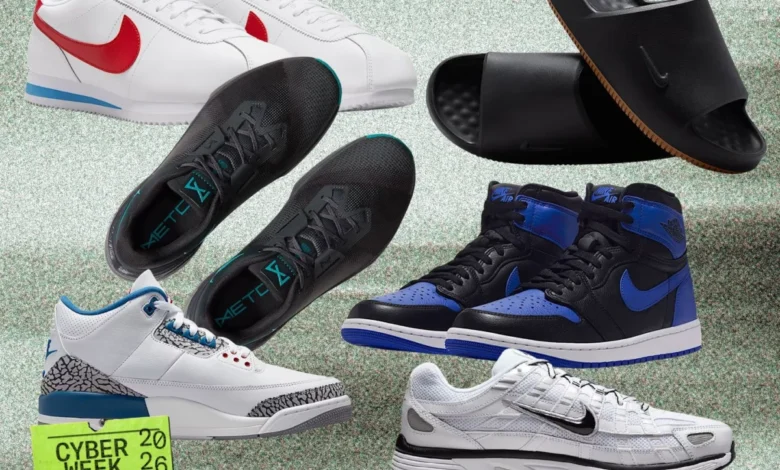
Retail giants and sportswear conglomerates routinely roll out seasonal promotions, yet few retail events capture the cultural and economic magnitude of Nike’s annual Black Friday and Cyber Week sales initiatives. In recent years, promotional strategies within the apparel and footwear sector have evolved significantly, shifting from minor end-of-season clearances to sweeping, enterprise-wide discounting. For the current shopping holiday, Nike has implemented a massive promotional framework, offering a minimum reduction of 25 percent across an unprecedented breadth of inventory. This strategic pivot marks a distinct departure from historical precedents, during which highly coveted silhouettes, archival deep-cuts, and premier Jordan Brand releases were strictly insulated from markdown schedules. By opening its vaults to substantial price reductions on foundational products, Nike has fundamentally transformed a standard retail holiday into a comprehensive exhibition of sneaker heritage and consumer accessibility.
Background Context of the Black Friday Retail Phenomenon
Black Friday, traditionally defined as the Friday immediately following the American Thanksgiving holiday, has long served as the unofficial kick-off for the winter holiday shopping season. Originating in brick-and-mortar retail environments as a mechanism for merchants to transition their financial ledgers from a state of operating at a loss—historically denoted in red ink—to profitability, denoted in black, the event has expanded exponentially over the decades. The rise of e-commerce transformed a localized, high-intensity shopping day into an extended multi-week digital shopping period culminating in Cyber Monday.
Within the athletic footwear and apparel sector, Nike has occupied a dominant market position for decades. Founded in 1964 as Blue Ribbon Sports before officially adopting the Nike moniker in 1971, the company engineered the blueprint for modern sneaker culture through strategic athlete endorsements, technological innovation, and limited-edition product drops. Historically, products carrying high cultural capital—such as original colorways of the Air Jordan line or specialized training equipment—were manufactured in strictly controlled quantities to generate artificial scarcity and preserve brand prestige. Discounting these items was virtually unheard of, as secondary market valuations often far exceeded retail prices. The decision by Nike’s corporate leadership to discount foundational cultural artifacts reflects a broader macroeconomic shift, wherein major brands must navigate shifting consumer spending habits, inventory optimization, and heightened competition within the global athletic apparel market.
Chronology and Evolution of Nike’s Promotional Strategy
The transformation of Nike’s promotional calendar can be mapped across several distinct eras. Throughout the late 1990s and 2000s, specialized forums such as NikeTalk served as digital town squares where collectors debated the relative merits of retro releases, regional exclusives, and sample pairs. During this epoch, securing a pair of classic retros required physical queueing outside boutique storefronts or relying on localized retail distribution networks. Sales were largely relegated to outlet malls, where consumers hunted through clearance racks for overlooked stock or defective merchandise.
As e-commerce matured in the 2010s, Nike centralized much of its direct-to-consumer distribution through digital platforms, notably the SNKRS application and the primary brand website. While these digital tools streamlined purchasing for general releases, they also reinforced the barrier between general merchandise and tier-zero or legacy products.
By the mid-2020s, however, supply chain adjustments, shifting retail demand, and an industry-wide reassessment of direct-to-consumer margins prompted a structural change. Rather than hoarding inventory or relying exclusively on traditional wholesale channels to clear stock, Nike began incorporating high-tier silhouettes into broader promotional windows. The current Black Friday campaign represents the culmination of this evolution, bringing items that were once fiercely guarded collector’s pieces into the standard promotional fold.
Detailed Breakdown of Featured Product Categories and Historical Significance
The current promotional catalog encompasses a diverse array of footwear, technical apparel, and training equipment, bridging decades of athletic and cultural history.
Footwear Innovations and Archives
The footwear selections featured in the sale illustrate the deep historical roots of the brand’s design language.
Nike Skyline Low LE: Preceding the commercial dominance of Michael Jordan’s signature line, the athlete occasionally competed in early-generation performance models that laid the technical groundwork for future icons. The Skyline Low LE bridges the gap between early running and basketball hybrids, offering contemporary consumers a chance to acquire a silhouette with deep archival significance.
Nike Cortez Leather: Originally introduced in 1972 and designed by Nike co-founder Bill Bowerman, the Cortez remains one of the most enduring lifestyle models in footwear history. Its association with cultural icons across cinema, music, and sports has cemented its status as an ageless staple of American apparel.
Air Jordan 1 High OG "Royal": For decades, the "Royal" colorway of the Air Jordan 1 was treated as blue-chip stock within the collector community. Alongside the classic "Bred" (Black and Red) makeup, the Royal edition defined the early days of basketball sneaker culture following its debut in 1985. Making this specific high-top model available at a discounted price point represents a paradigm shift in how legacy Air Jordan inventory is managed.
Calm 2.0 Slides: Addressing the surging demand for post-workout and recovery footwear, the Calm 2.0 series provides minimalist comfort through molded foam construction, catering to the modern consumer’s emphasis on casual, utilitarian wear.
Nike Killshot 2: Originally designed as a low-profile racquet sports shoe, the Killshot 2 found an unexpected second life as an essential menswear staple, prized for its versatile gum sole and leather-and-suede upper combination.
Air Jordan 3 Retro "True Blue": As one of the original four colorways released for the Air Jordan 3 in 1988—the model that famously featured Tinker Hatfield’s introduction of the elephant print and the Jumpman logo—the True Blue edition holds a sacred place in sneaker history.
Air Jordan 1 Low: Offering a more accessible everyday adaptation of the high-top classic, the low-top variant provides the structural heritage of the 1985 design tailored for everyday wearability.
Metcon 10: Designed specifically for high-intensity training, cross-training, and weightlifting, the Metcon series has established itself as an industry standard for athletes requiring stability, durability, and support under heavy loads.
Technical Apparel and Training Gear
Beyond footwear, Nike’s apparel and accessories lines have received comprehensive markdowns, focusing on performance-driven engineering and weather-resistant materials.
ACG Tuff Fleece and Aireez Lines: Nike’s All Conditions Gear (ACG) division traces its lineage back to the late 1989 launch, designed to provide outdoor protection without sacrificing aesthetic appeal. The inclusion of Tuff Fleece trousers and Aireez UV-protective trail-running tops highlights the brand’s continued investment in functional outdoor apparel.
Dri-FIT Mid-Layer 1/4-Zip and Basketball Shorts: Utilizing moisture-wicking synthetic fibers engineered to pull sweat away from the body, these technical garments cater to endurance runners and court athletes alike.
Nike Club Fleece Hoodies and Open-Hem Pants: Representing the pinnacle of casual comfort wear, the Club Fleece lineup remains a ubiquitous component of modern loungewear.
Accessories and Training Essentials: Essential auxiliary items, including Everyday Elevated and Plus Cushioned crew and no-show socks, GORE-TEX Storm-FIT running gloves for cold-weather utility, Brasilia training duffel bags featuring ventilated storage compartments, classic 22-ounce Big Mouth water bottles, and Pro Dri-FIT fitness tights, round out the exhaustive inventory.
Economic Implications and Market Analysis
The implementation of broad-based promotional pricing by a market leader like Nike carries significant implications for the broader retail ecosystem. Financial analysts observing the athletic footwear and apparel sector note that direct-to-consumer strategies are increasingly reliant on promotional cadence to maintain revenue velocity amidst fluctuating consumer confidence and inflationary pressures.
By lowering the barrier to entry for historically protected lines—such as legacy Air Jordan retros and technical ACG gear—Nike effectively stimulates volume while clearing warehouse capacity for upcoming seasonal collections. This approach balances the necessity of inventory management with the desire to maintain brand equity. However, market researchers caution that prolonged or overly aggressive discounting can risk compressing profit margins and shifting consumer expectations permanently toward lower price points for premium goods.
Official Responses and Corporate Strategy
While corporate statements regarding specific promotional events are typically focused on customer engagement and accessibility, Nike executives have consistently emphasized the importance of the direct-to-consumer ecosystem. In recent earnings calls, leadership has highlighted digital platforms and localized retail experiences as primary drivers for long-term growth. The integration of substantial price reductions across both heritage and performance categories aligns with corporate objectives to deepen consumer retention, expand market share against emerging competitors, and optimize inventory health across global distribution hubs.
Broader Impact on Sneaker Culture and Consumer Behavior
The convergence of historical preservation and mass-market retail discounting signals a mature phase in sneaker culture. Once characterized by exclusivity, rigid hierarchical releases, and speculative secondary markets, the culture is increasingly influenced by accessibility and utilitarian wear. Consumers who previously faced steep premiums or exhaustive lottery systems to secure classic colorways now find themselves navigating a retail landscape where heritage footwear is treated as accessible apparel rather than museum artifacts.
This democratization of style alters the psychological relationship between the consumer and the product. As archival designs become easier to acquire at reduced price points, the emphasis shifts away from mere ownership status toward personal expression, comfort, and functional utility. Whether this trend marks a permanent structural alteration in how sportswear brands handle their most revered intellectual property or remains a specialized response to current retail conditions will depend heavily on market performance through the conclusion of the holiday shopping season.
Frequently Asked Questions Regarding Nike Cyber Week
What are the best categories to target during Nike promotional events?
The largest athletic apparel manufacturer in the world built its reputation on competitive performance technology, yet its influence extends deep into contemporary fashion. From shaping modern sneaker culture through foundational designs to executing high-profile collaborations with luxury houses such as Louis Vuitton, Nike operates as a central pillar of global style. Consumers seeking to upgrade their wardrobes or athletic rotations find extensive value across both heritage footwear and technical apparel lines during major promotional windows.
When does Black Friday officially occur, and how long do sales typically last?
In the United States, Black Friday falls on the Friday immediately following Thanksgiving. While this remains the focal point of the promotional calendar, major retailers routinely deploy discounts throughout the entirety of November. The deepest price reductions typically concentrate between Thanksgiving Day and Cyber Monday, though early bird promotions have become standard industry practice.
Does Cyber Monday extend these promotional savings?
Cyber Monday traditionally lands on the Monday immediately following Thanksgiving weekend. While many brands choose to extend promotional pricing through the remainder of the business week, inventory availability on high-demand items often diminishes rapidly following the initial weekend rush, making early acquisition advisable for consumers targeting specific sizes and colorways.
Related posts: