Peppermint Oil Shows Surprising Potential in Lowering Mildly Elevated Blood Pressure in Clinical Trial

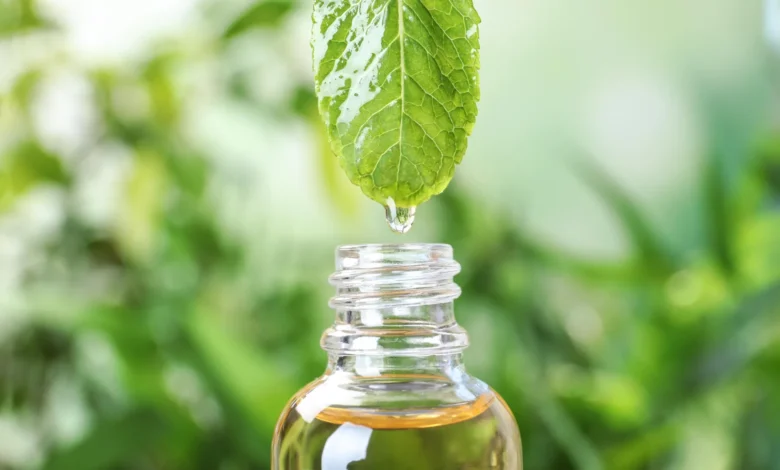
The pursuit of natural, cost-effective interventions for cardiovascular health has taken a compelling turn following the publication of a new clinical study. Peppermint oil, widely celebrated for its culinary versatility, refreshing aroma, and ability to soothe gastrointestinal discomfort, may also offer a clinically meaningful benefit for individuals struggling with mildly elevated blood pressure. According to recent research conducted at the University of Lancashire and published in the peer-reviewed journal PLOS One, the daily consumption of a minute amount of food-grade peppermint oil over a brief 20-day period yielded statistically significant reductions in systolic blood pressure among study participants.
As healthcare systems globally grapple with the escalating burden of cardiovascular diseases, findings of this nature invite a balanced exploration into alternative and complementary therapies. While conventional pharmaceuticals remain the cornerstone of hypertension management, their associated side effects and long-term adherence challenges continue to motivate researchers to investigate safe, accessible, and well-tolerated adjuncts. The University of Lancashire study establishes an intriguing baseline for how botanical extracts might eventually integrate into broader cardiovascular care paradigms, though experts urge cautious optimism and underscore the necessity for continued, large-scale investigation.
The Mechanics of Hypertension and the Search for Accessible Interventions
High blood pressure, or arterial hypertension, represents one of the most pervasive public health crises of the modern era. Characterized by the sustained excessive force of blood pushing against the walls of the body’s arteries, hypertension places an undue mechanical strain on the cardiovascular system. Over time, this chronic pressure damages delicate endothelial tissues, accelerates atherosclerosis, and drastically amplifies the risk of catastrophic medical events, including myocardial infarctions, cerebrovascular accidents, and chronic heart failure.
Epidemiological data consistently identify hypertension as the single greatest preventable risk factor for global mortality and cardiometabolic morbidity. Despite the availability of numerous pharmacological classes—ranging from ACE inhibitors and angiotensin receptor blockers to beta-blockers and diuretics—managing blood pressure remains an uphill battle. Many patients experience adverse side effects such as fatigue, dizziness, electrolyte imbalances, or persistent dry coughs, which frequently lead to treatment discontinuation. Furthermore, the economic toll of treating lifelong chronic hypertension strains both individual households and national healthcare infrastructures.
Against this backdrop, the scientific community has increasingly turned its attention toward dietary interventions, lifestyle modifications, and botanical compounds that offer favorable safety profiles and low economic barriers. Peppermint, known botanically as Mentha piperita, has a rich history spanning centuries in traditional medicine systems across Europe, Asia, and the Middle East. Traditionally utilized for its carminative, antispasmodic, and anti-inflammatory properties, modern scientific inquiry is now beginning to validate and elucidate the specific biochemical mechanisms that govern its physiological effects.
Methodology and Chronology of the University of Lancashire Clinical Trial
To rigorously evaluate the impact of peppermint oil on systemic blood pressure, researchers at the University of Lancashire designed a randomized, controlled trial. The study enrolled a cohort of 40 adult participants, aged between 18 and 65 years, all of whom presented with documented mildly elevated blood pressure or stage 1 hypertension—an early clinical classification characterized by systolic readings ranging from 130 to 139 mmHg or diastolic readings from 80 to 89 mmHg.
The study employed a randomized, double-blind, placebo-controlled methodology to eliminate potential bias. Participants were randomly stratified into two distinct groups. The treatment group was administered a total daily dosage of 100 microliters—equivalent to one-tenth of a milliliter—of food-grade peppermint oil. To ensure safe and palatable ingestion, this daily allotment was divided into two equal doses, thoroughly diluted in water. Conversely, the control group received an identical-looking and tasting placebo solution that featured a peppermint flavoring agent but was entirely devoid of the active botanical compounds found in genuine peppermint oil.
The experimental timeline was intentionally succinct, spanning a period of just 20 consecutive days. Despite the short duration, the trial yielded pronounced physiological shifts. At the conclusion of the 20-day intervention window, participants in the peppermint oil group experienced a marked reduction in their average systolic blood pressure, dropping from a baseline of approximately 130 mmHg down to 122 mmHg. When adjusted for baseline variations, this represented a statistically significant difference of 8.5 mmHg lower than the readings recorded in the placebo cohort, where blood pressure metrics remained virtually unchanged throughout the duration of the study.
In addition to tracking primary systolic blood pressure outcomes, the research team gathered a comprehensive array of secondary health metrics. These included diastolic blood pressure readings, resting heart rate assessments, comprehensive metabolic and blood panel results, anthropometric body measurements, self-reported mental well-being questionnaires, and standardized sleep quality evaluations. While the most striking and immediate deviation was observed in systolic pressure, the breadth of data collected offers a robust foundation for future, more expansive research endeavors.
Biochemical Profile: How Peppermint Might Influence Vascular Tone
Understanding the physiological plausibility of peppermint oil’s impact on blood pressure requires a closer examination of its complex phytochemical composition. Peppermint is a natural treasury of biologically active secondary metabolites, most notably menthol, which imparts the plant’s characteristic cooling sensation and pungent aroma, alongside a rich assortment of flavonoids and phenolic compounds renowned for their antioxidant capabilities.
From a pharmacological perspective, researchers hypothesize that peppermint oil exerts its antihypertensive effects primarily through anti-inflammatory and vasodilatory pathways. Vasodilators are agents that prompt the smooth muscle cells lining the walls of blood vessels to relax. When these vascular walls relax, the internal diameter of the arteries—the lumen—widens, allowing blood to circulate with reduced frictional resistance. This decrease in peripheral vascular resistance directly translates to a reduction in the pressure exerted against arterial walls during cardiac contraction.
Menthol, the primary constituent of peppermint essential oil, has been shown in various pharmacological studies to interact with calcium channels in smooth muscle tissue. By modulating calcium influx—a crucial step required for muscle contraction—menthol can induce smooth muscle relaxation in various organ systems, including the vascular tree. Furthermore, the antioxidant and anti-inflammatory properties of peppermint’s constituent flavonoids help mitigate oxidative stress within the vascular endothelium. Endothelial dysfunction, characterized by a reduced capacity of blood vessels to produce nitric oxide and dilate properly, is a hallmark of developing hypertension. By supporting vascular health and reducing localized inflammation, botanical compounds may help restore normal homeostatic tone to the circulatory system.
Expert Insights and Clinical Implications
The publication of these findings in PLOS One has sparked considerable interest among cardiologists, pharmacologists, and public health specialists. Dr. Jonnie Sinclair, Reader in Sport and Health Sciences at the University of Lancashire and lead author of the study, emphasized the profound clinical implications of the research during post-publication analyses.
"High blood pressure is one of the biggest causes of heart disease and death worldwide, and it costs a huge amount of money to treat," Dr. Sinclair stated. "Although medicines are commonly used to treat it, it’s not always clear how well they work in the long-term, and they can cause unwanted side effects."
Dr. Sinclair further underscored the unique advantages that a botanical intervention like peppermint oil might offer from a global health perspective. "Our findings were very positive and they have significant clinical implications, especially given arterial hypertension is the most common preventable risk factor for cardiometabolic disease and the greatest single risk factor for global mortality. Peppermint oil is low in calories and price so it’s proved to be a very simple and cost-effective solution to potentially treat millions of people around the world."
Independent medical analysts reviewing the study have pointed out that while the financial accessibility and low caloric content of food-grade peppermint oil make it an attractive candidate for public health integration, caution must be exercised when translating preliminary clinical trials into everyday consumer habits. The distinction between commercial essential oils intended strictly for aromatherapy or topical application and food-grade formulations designed for human ingestion is critical. Ingesting standard aromatherapy oils can lead to severe gastrointestinal distress, toxicity, or adverse reactions due to the presence of synthetic additives or extraction solvents not approved for consumption.
Evaluating Limitations and Directing Future Research
True to the rigorous standards of academic research, the authors of the study were transparent regarding its limitations. Most notably, the trial involved a relatively modest cohort of 40 participants and was restricted to a duration of less than three weeks. While a 20-day window is sufficient to detect acute physiological shifts in vascular tone, it remains unknown whether these blood pressure reductions are sustained over a period of months or years. Chronic physiological adaptations, such as tachyphylaxis—where the body develops a tolerance to a substance, rendering it less effective over time—must be systematically evaluated through longitudinal observation.
Nutritionists and cardiologists stress that peppermint oil should be viewed strictly as a potential complementary tool rather than a replacement for established therapeutic protocols. Individuals diagnosed with stage 1 or stage 2 hypertension are strongly advised to maintain their prescribed pharmaceutical regimens and consult with qualified healthcare professionals before incorporating concentrated botanical extracts into their daily routines.
Looking forward, the research team at the University of Lancashire is advocating for larger, multi-center clinical trials involving diverse demographic populations and extended follow-up periods. These forthcoming studies will be designed to confirm the reproducibility of the initial findings, establish optimal dosage parameters, delineate the exact molecular pathways responsible for the vasodilatory effects, and determine whether peppermint oil can safely and effectively complement existing antihypertensive therapies.
Conclusion
The investigation into peppermint oil’s capacity to reduce mildly elevated blood pressure opens an encouraging chapter in nutritional science and cardiovascular health management. By demonstrating a statistically significant 8.5 mmHg reduction in systolic blood pressure over a 20-day period, the University of Lancashire study highlights the untapped potential of accessible, plant-based interventions. As researchers continue to untangle the complex biochemical interactions between botanical flavonoids, menthol, and vascular smooth muscle relaxation, the medical community moves closer to expanding the therapeutic toolkit available for combating the global burden of hypertension. Nevertheless, until comprehensive long-term safety and efficacy data are firmly established, prudence, professional medical consultation, and adherence to evidence-based care remain paramount for anyone managing elevated blood pressure.