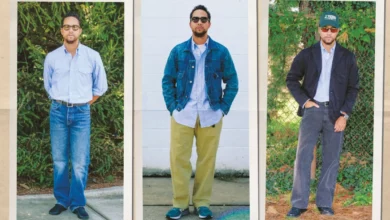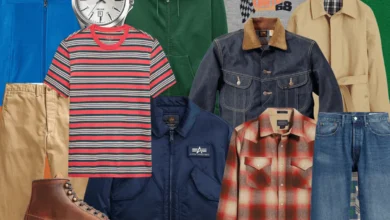
The landscape of personal gifting in 2026 has shifted toward a synthesis of functional utility, artisanal craftsmanship, and experiential value. As the holiday season approaches, consumer trends indicate a departure from mass-market novelty items in favor of durable goods and subscription-based services that prioritize long-term utility. Market analysis of current retail patterns suggests that shoppers are increasingly looking for items that bridge the gap between aesthetic appeal and daily practical application, a trend heavily influenced by the rise of "slow-living" social media movements and a heightened focus on domestic wellness.

The Evolution of Wellness-Focused Gifting
The integration of health-conscious items into the mainstream gifting market represents a significant pivot in consumer behavior. Among the most sought-after categories are recovery-oriented tools, such as high-density massage balls and ergonomic foot-care accessories like yoga toes. According to recent retail data, sales of post-exercise recovery equipment have increased by 14% year-over-year as demographic groups prioritize longevity and physical self-care.
This trend is not merely about the purchase of individual items but is often bundled with intangible gestures. The practice of pairing a $7 massage tool with a promised act of service—such as a personal shoulder massage—reflects a move toward "relational gifting," where the physical object acts as a vehicle for shared experience. This shift is substantiated by psychological research, which suggests that experiential gifts generate more sustained positive emotional responses than purely material ones.

Artisanal Craftsmanship and Sustainable Design
The demand for high-quality, long-lasting household goods has led to a resurgence in support for small-batch producers. A primary example of this is the focus on kitchenware that balances design and utility, such as dripless olive oil dispensers. The market for home goods that feature artisan narratives—such as the collaboration between father-daughter design teams—has grown as consumers express a preference for transparency and ethical production methods.
At a price point of approximately $85, these items are positioned in the "affordable luxury" segment. Industry analysts note that this segment is currently outperforming mid-tier retail, as shoppers are willing to pay a premium for items that boast functional longevity and serve as a focal point in a contemporary kitchen. The shift away from disposable plastics toward durable glass, ceramics, and metals mirrors broader environmental concerns and a collective movement toward reducing household waste.
The Role of Literary and Intellectual Engagement
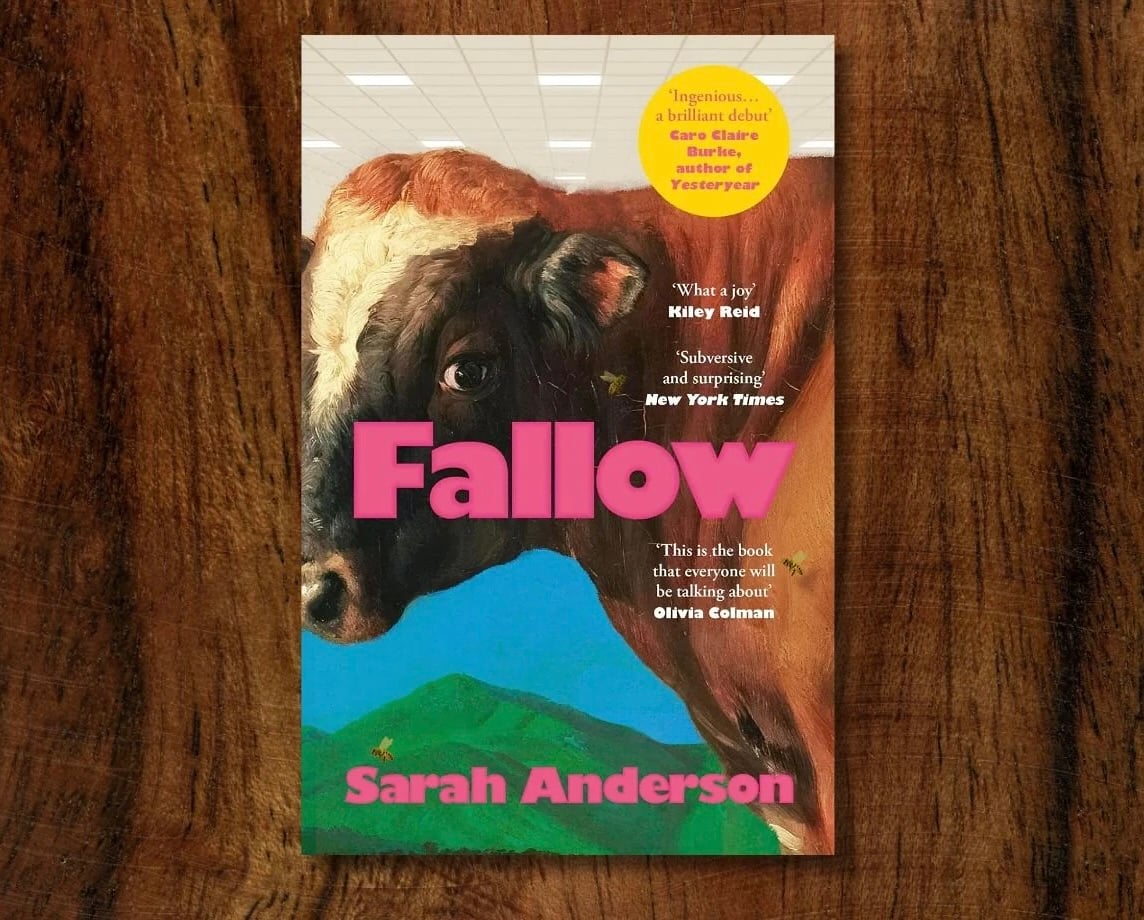
Despite the digitalization of media, the physical book market remains a cornerstone of the gifting industry. Annual sales reports from the American Booksellers Association confirm that fiction, particularly literary novels, continues to be a top-performing category during the fourth quarter. The selection of titles such as "Fallow," "Mother Mary Comes to Me," and "Land" highlights a preference for intellectually stimulating narratives that encourage reflection.
Beyond physical copies, the subscription economy has successfully penetrated the publishing sector. Newsletter platforms, such as those offering curated lifestyle and design insights, have gained significant traction. With subscription models typically priced between $50 and $70 per year, these services offer a recurring engagement that provides the recipient with ongoing value long after the initial holiday exchange. This represents a structural change in how intellectual capital is gifted, moving from a one-time transaction to a year-long dialogue.

Aesthetic Trends in Home Environment and Fashion
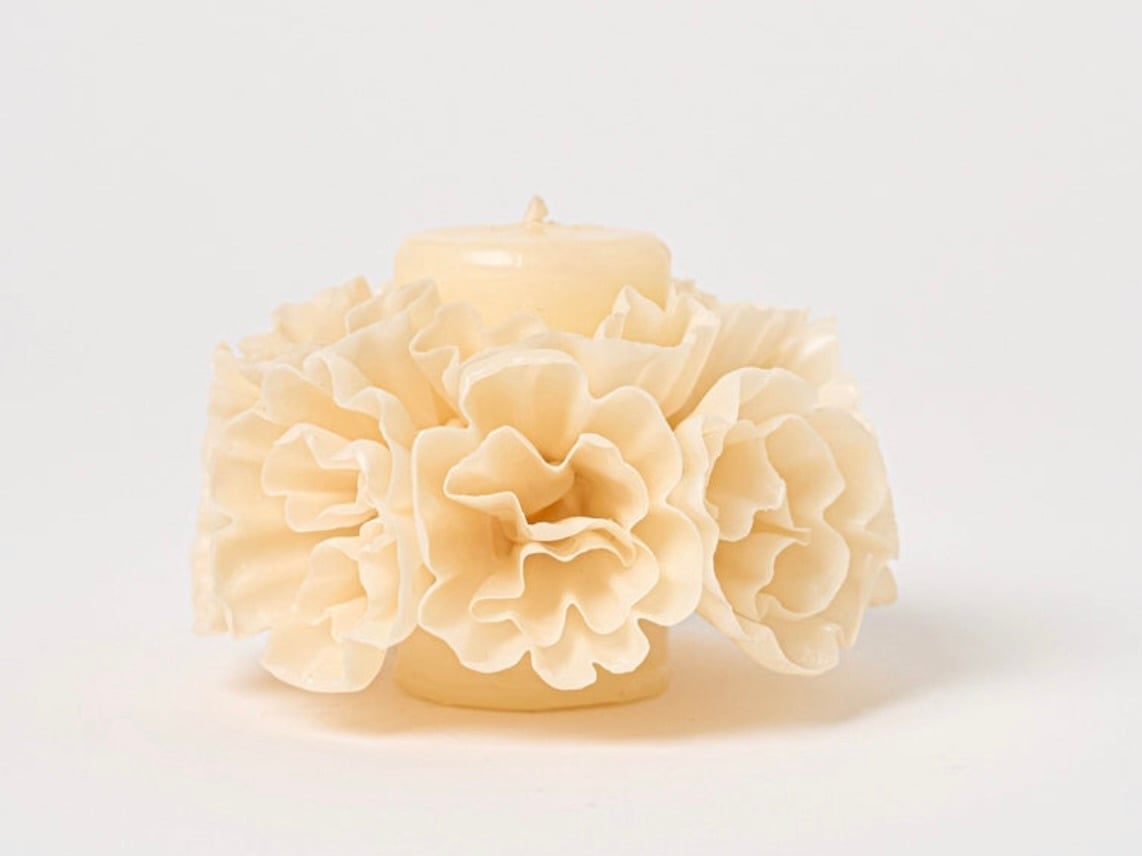
Fashion and home decor continue to be dominated by minimalist, sculptural aesthetics. The popularity of beeswax candles—particularly those with sculptural or non-traditional silhouettes—reflects a desire for "sensory-driven" home environments. These items, often retailing between $40 and $50, are frequently marketed alongside wellness practices, such as the use of citrus-infused shower accessories to simulate spa environments.
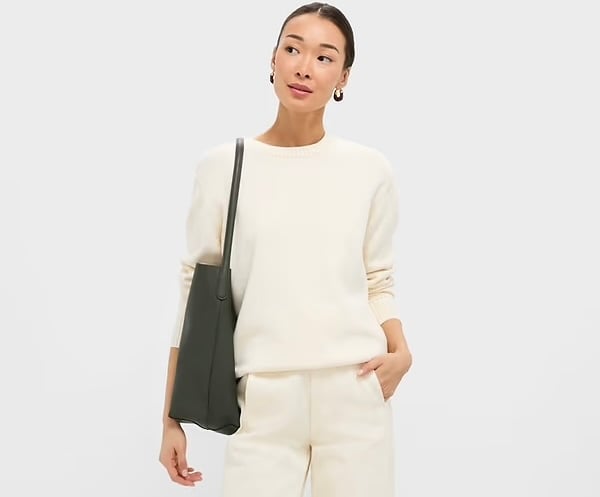
In the realm of apparel, there is a clear move toward high-quality basics. Cotton sweaters and premium undergarments are increasingly viewed as essential wardrobe investments rather than seasonal trends. Retailers specializing in high-thread-count, sustainable cotton have reported a 20% increase in demand for "year-round essentials." This indicates a maturing market where consumers are investing in core items that promise durability, comfort, and versatile styling, rather than fast-fashion alternatives that suffer from rapid degradation.
Strategic Philanthropy as a Gift Category
Perhaps the most significant shift in the 2026 gift-giving landscape is the formalization of charitable donations as a primary gift option. Philanthropy, specifically directed toward environmental conservation and the National Parks Foundation, has become a preferred gesture for those who value impact over material accumulation.
This trend is supported by data from the National Philanthropic Trust, which notes a steady rise in "tribute giving." By donating in a recipient’s name, the gift-giver acknowledges the recipient’s values, such as a documented love for public lands and wilderness preservation. This approach to gifting effectively addresses the modern challenge of "clutter," providing a meaningful contribution that aligns with the recipient’s personal identity and ethical commitments.
Broader Economic and Societal Implications
The 2026 retail landscape is characterized by a high degree of discernment. Shoppers are utilizing online platforms not just for purchasing, but for the discovery of niche, independent brands. The reliance on affiliate-supported recommendations and editorial guides serves as a filter in a crowded marketplace, helping consumers navigate the overwhelming volume of available products.
However, the growth of this curated commerce model brings with it questions of market transparency. As digital publications increasingly rely on affiliate commissions, the distinction between objective editorial advice and sponsored content has become more fluid. While consumers benefit from curated selections, they are also exposed to a marketing ecosystem that incentivizes specific brand partnerships.
Ultimately, the trajectory of gifting in 2026 suggests a future where the value of a gift is determined by three factors:
- Utility: Does the item solve a practical problem or improve a daily ritual?
- Provenance: Is the item crafted by individuals or companies with a clear, ethical origin story?
- Intent: Does the gift facilitate a connection, a shared experience, or an alignment of values?
As we look toward the remainder of the decade, the emphasis on quality over quantity is expected to continue. Retailers that prioritize sustainability, transparency, and the integration of digital services into physical products are likely to remain the most resilient in an increasingly volatile global economy. By focusing on these core principles, the act of gifting remains a powerful, albeit evolving, method of maintaining social bonds in a rapidly changing world.