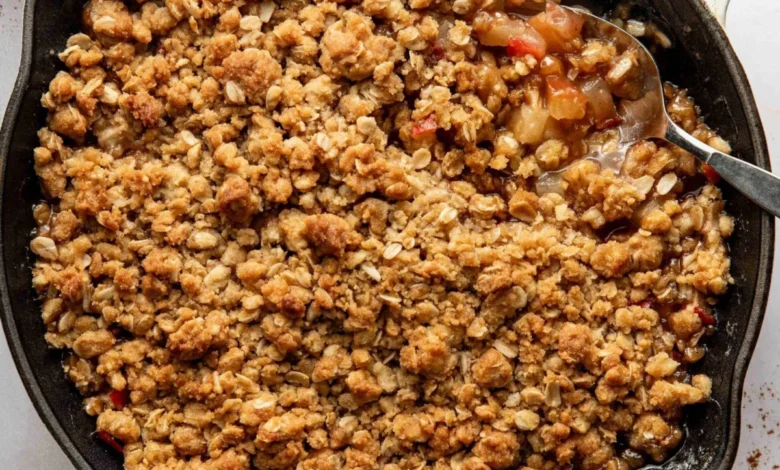
The enduring popularity of the apple crisp as a staple of North American autumn cuisine reflects a broader cultural shift toward comfort-based, rustic home cooking. While modern culinary trends often emphasize technical complexity, the classic apple crisp remains a standout due to its structural simplicity and the chemistry between its two core components: the fruit base and the structural crumble. Recent culinary assessments suggest that this dish’s resilience in home kitchens is driven by its accessibility, the seasonal availability of orchard-fresh apples, and the sensory appeal of its contrasting textures.
Historical Context and Culinary Evolution
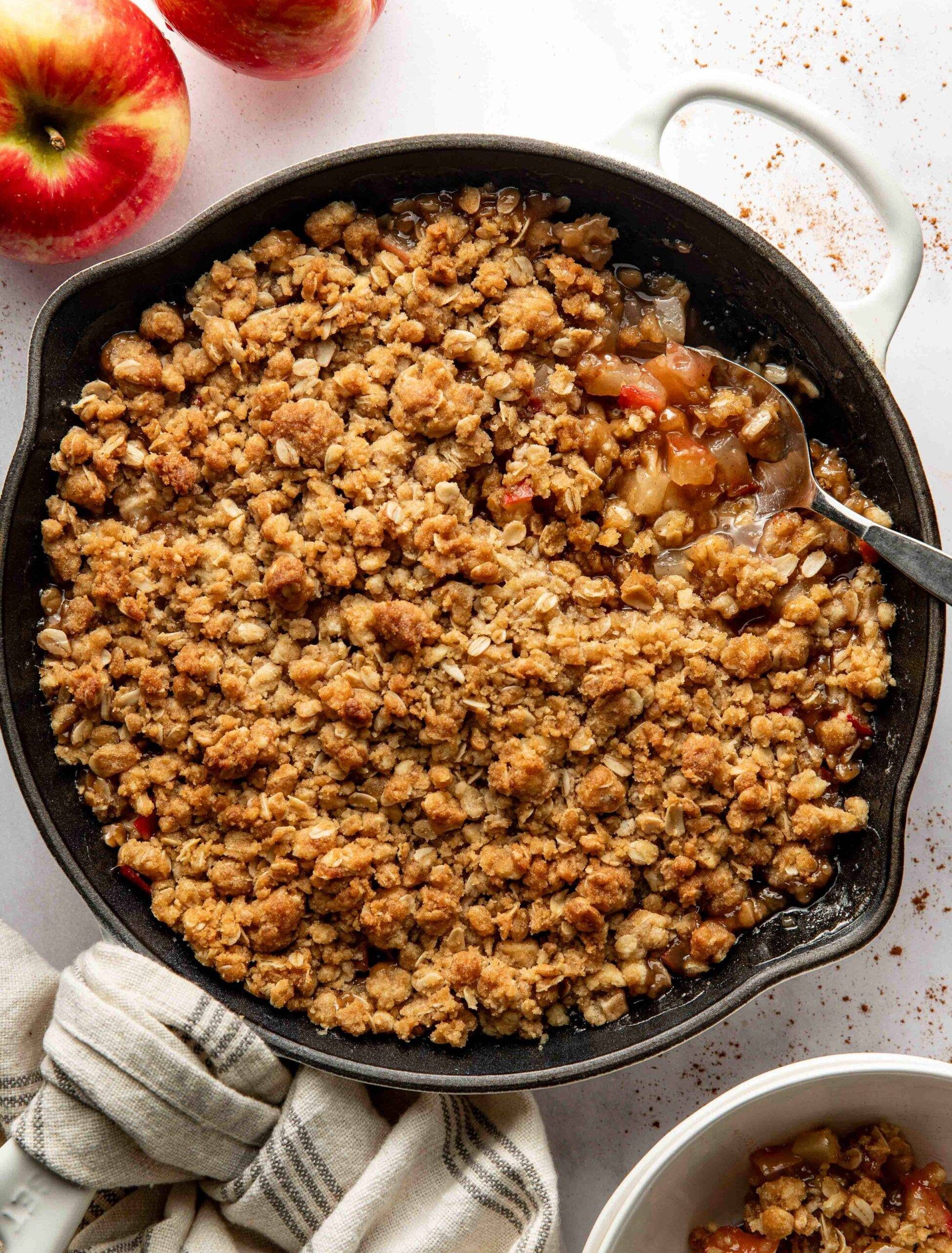
The apple crisp, a derivative of the traditional apple pie, gained widespread popularity in the United States during the mid-20th century. Historical records from the 1920s indicate that the dish—a simpler, less labor-intensive alternative to pie—became a common fixture in rural households. Unlike a pie, which requires the precise preparation of a crust, the crisp relies on a streusel-like topping typically composed of oats, butter, flour, and sugar.
This culinary evolution corresponds with the mid-century rise of domestic appliances, such as the home oven, which allowed for consistent baking. As food writers of the era noted, the "crisp" provided a high reward-to-effort ratio, effectively serving as a centerpiece for social gatherings and family meals during the harvest season.

The Science of Texture and Flavor
From a technical perspective, the success of an apple crisp is predicated on the interaction between heat and the fruit’s natural pectins. When Honeycrisp or similar varieties are baked, the cellular structure of the apple breaks down, releasing moisture that forms a "jammy" syrup. The secondary layer, the crumble, serves as a barrier that prevents rapid evaporation while simultaneously caramelizing under the influence of heat and fat.
The specific combination of brown sugar and oats in the topping serves a dual purpose. Brown sugar, with its higher molasses content, aids in moisture retention and depth of flavor, while the oats provide a textural contrast that distinguishes the crisp from a crumble or a cobbler. Culinary experts often point to the "middle layer"—the zone where the fruit juices and the buttery topping meet—as the defining characteristic of a well-executed dessert.
Seasonal Consumption Patterns
Data from agricultural markets indicates that apple consumption in North America peaks between September and November, aligning with the primary harvest windows for varieties such as Honeycrisp, Gala, and Granny Smith. The prevalence of apple-based desserts during this period is not merely a matter of tradition but is dictated by the peak ripening schedules of commercial and boutique orchards.
Retailers have observed that demand for baking-grade apples increases significantly as temperatures drop. This shift in consumer behavior is often accompanied by a broader trend of "seasonal nesting," where households prioritize labor-intensive, warm-comfort foods. The preparation of a dessert in a cast-iron skillet, a common technique, is frequently cited by home economists as a method to achieve superior thermal mass and even heat distribution, which results in a more consistent caramelization of the fruit sugars.

Standardized Preparation and Methodology
While variations exist, professional kitchens and home cooks alike generally adhere to a four-stage process to ensure the integrity of the dish:
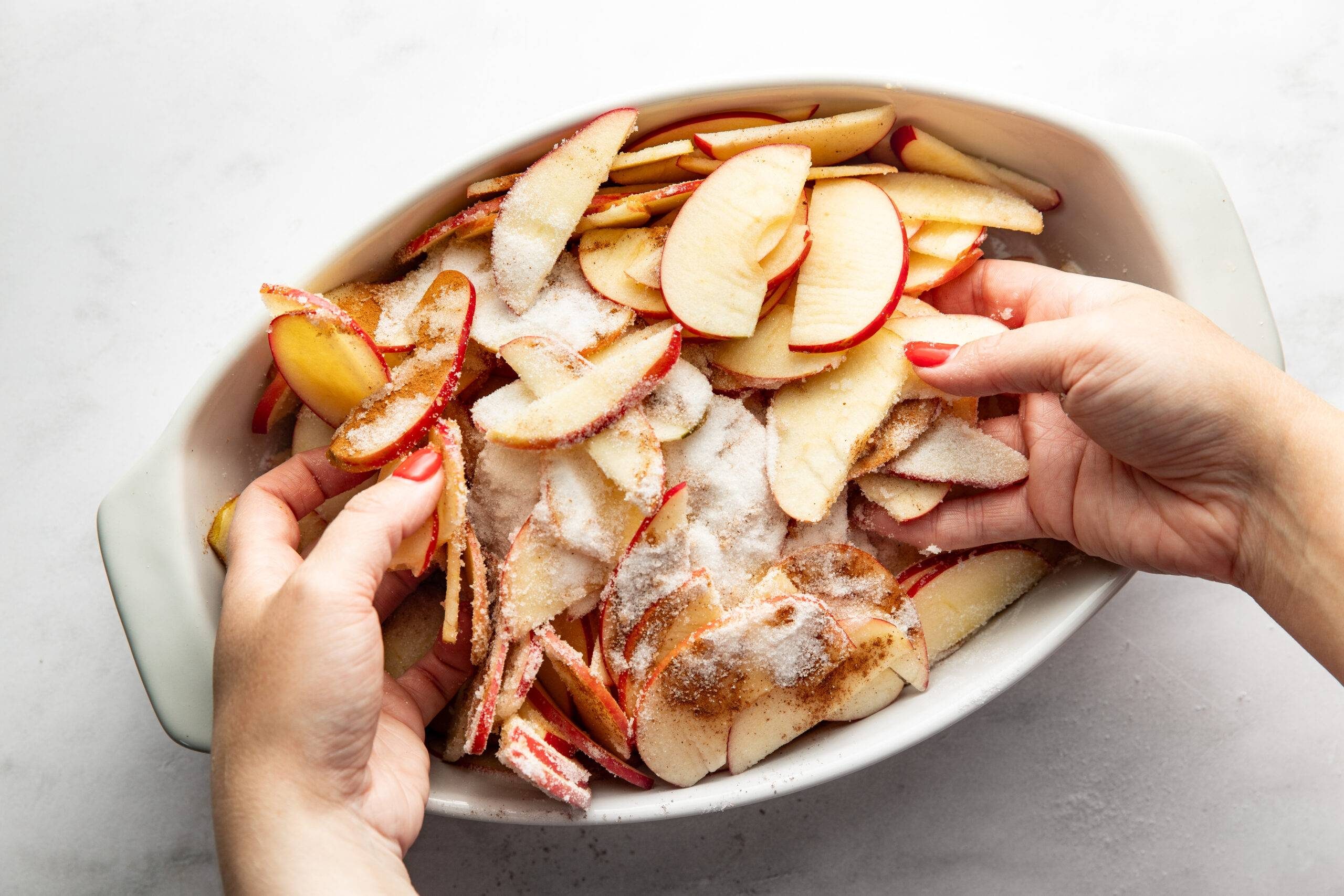
- Fruit Preparation: Apples are sliced to a uniform thickness, often using a mandoline to ensure even cooking. The addition of flour and granulated sugar to the fruit aids in binding the juices into a stable, jam-like consistency rather than a thin, watery sauce.
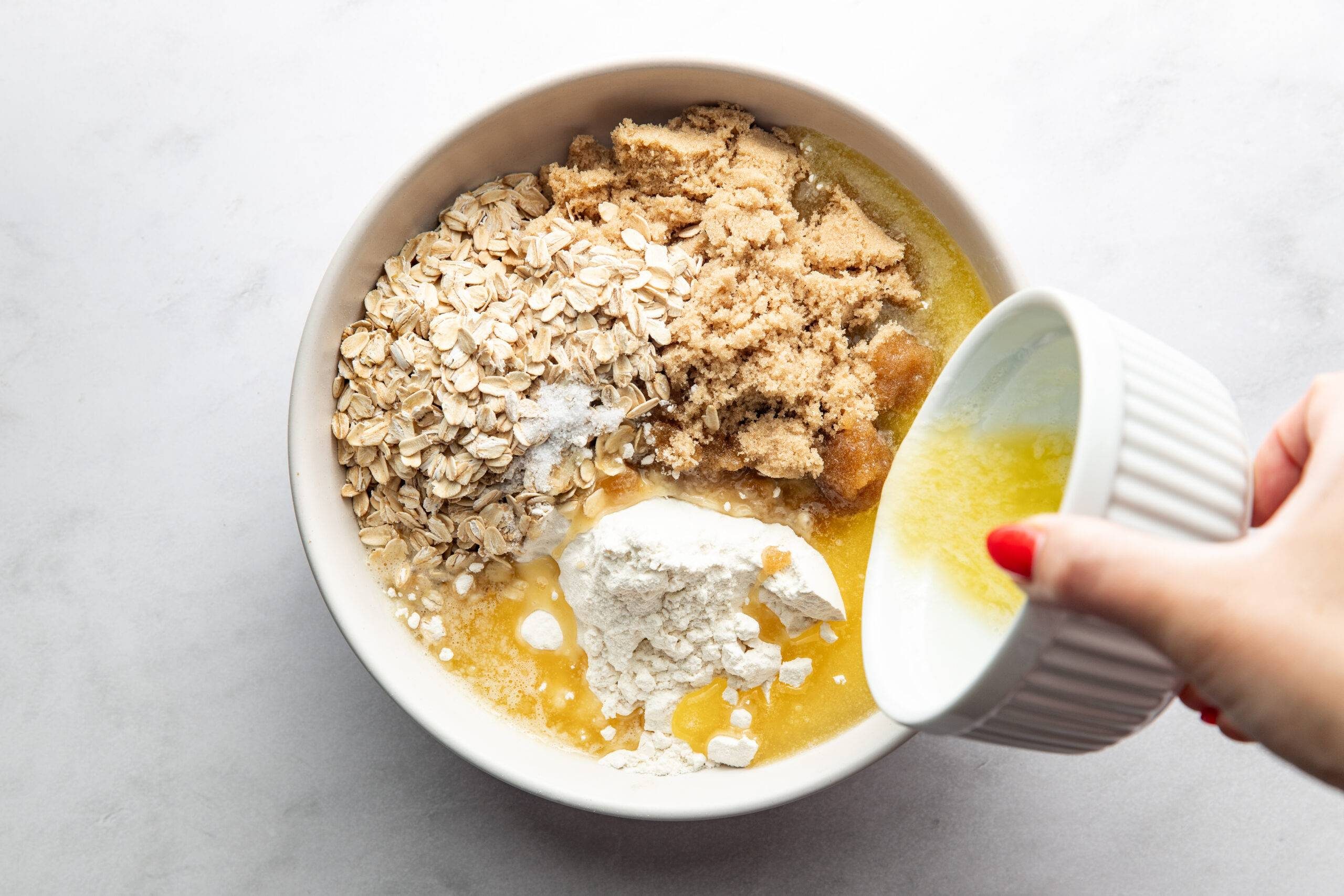
- Crumble Formulation: The topping is a delicate balance of fat and dry ingredients. The incorporation of butter must be handled with care; if the butter is melted, the topping may become oily, whereas cold, cubed butter creates distinct "pockets" of crispness.
- Strategic Layering: Maintaining a strict separation between the fruit base and the crumble is essential. If the two layers are mixed prematurely, the topping loses its structural integrity and becomes soggy.
- Thermal Processing: Baking at a moderate temperature allows the apples to soften fully without burning the oat-based topping. A common indicator of completion is the bubbling of the fruit juices along the edges of the vessel.
The Role of Home Culinary Documentation
In the digital age, the tradition of passing down recipes has moved from handwritten index cards to digital applications. This shift has changed how home cooks interact with their culinary history. Modern platforms allow for the rapid retrieval of "tried and true" recipes, fostering a sense of continuity in home cooking. The digitization of these recipes—often accompanied by photographic documentation—serves as a modern archive of domestic life.
Food historians note that the documentation of "everyday" cooking is an essential component of cultural preservation. By recording the specifics of a dessert as simple as an apple crisp, individuals are participating in a tradition that links contemporary kitchens to those of the early 20th century.
Broader Socio-Economic Implications
The reliance on home-prepared desserts has economic implications as well. During periods of economic uncertainty, consumers often shift away from high-cost, store-bought specialty desserts in favor of scratch-made options using raw ingredients like flour, sugar, and seasonal fruit. This behavior acts as a stabilizer for the agricultural sector, particularly for regional apple producers who rely on direct-to-consumer sales during the fall months.
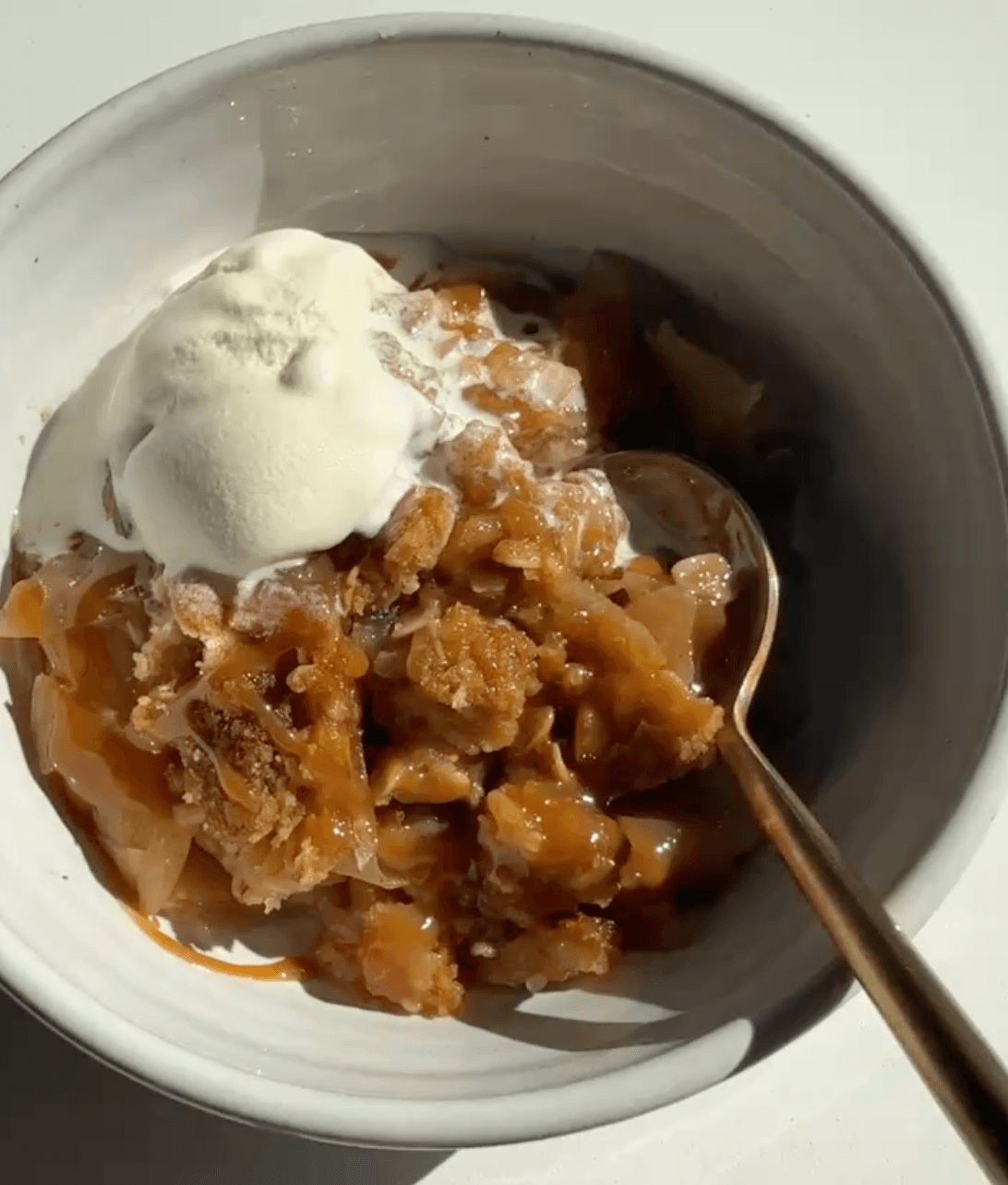
Furthermore, the act of preparing a communal dessert for a social gathering, such as a dinner party, carries significant social value. The sensory experience of a warm dessert, often served with accompaniments like vanilla ice cream or heavy cream, is a staple of hospitality culture. This ritualistic aspect of the autumn season underscores the role of food in facilitating social cohesion.
Conclusion: A Lasting Legacy
The apple crisp remains a definitive feature of the autumn culinary landscape. Its longevity is sustained by its ability to adapt to modern tastes while remaining grounded in the principles of rustic, ingredient-focused baking. Whether prepared in a traditional cast-iron pan or a modern ceramic dish, the dish serves as an example of how simple, high-quality ingredients, when processed with patience and basic technique, can produce results that are both sophisticated and universally appealing. As temperatures continue to fluctuate and the seasons turn, the apple crisp will likely remain a fixture in the home, serving as a reliable symbol of the harvest season.