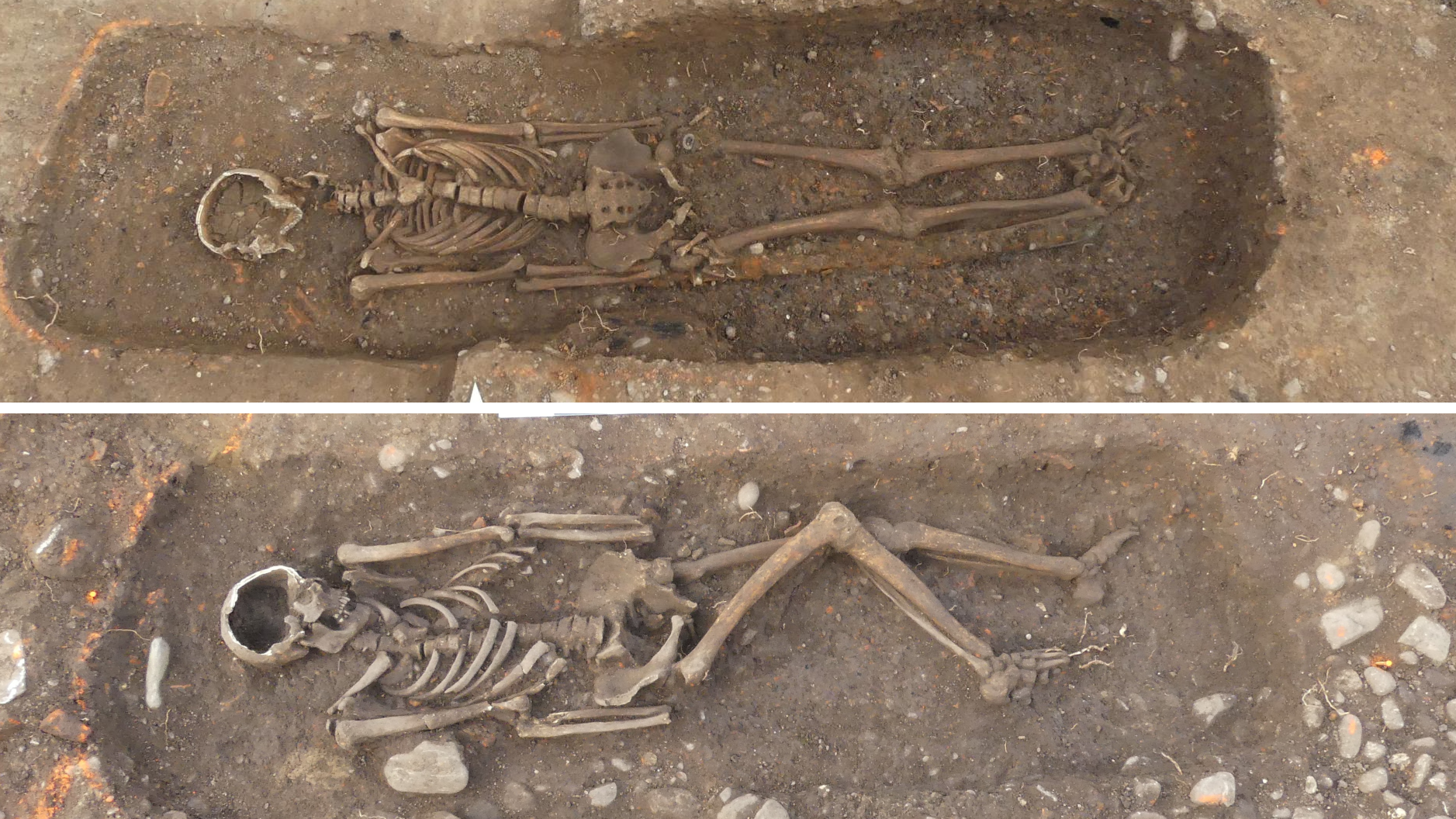
Recent archaeological excavations conducted by the French National Institute for Preventive Archaeological Research (Inrap) at a site in northern France have unearthed a remarkable collection of burials that provide a grim, detailed look into the social structures and violent realities of the Iron Age. The discovery, which features a cluster of male skeletons accompanied by weapons and bearing clear markers of perimortem trauma, offers researchers a tangible link to a period historically characterized by territorial expansion, social stratification, and intermittent warfare. By analyzing the physical remains alongside the funerary goods deposited with them, experts are beginning to piece together a complex narrative of a community that was not only shaped by trade and agriculture but also by the frequent necessity of combat.
The Archaeological Context: Uncovering a Forgotten Past
The site, located in a region known for its rich archaeological yield, was identified during preliminary surveys ahead of modern infrastructure development. Following standard protocols for rescue archaeology, the Inrap team initiated a systematic excavation of the cemetery, which dates back to the Iron Age—a period spanning roughly 800 B.C. to the Roman conquest in the 1st century B.C.
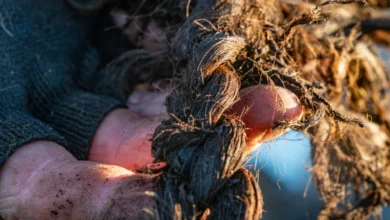
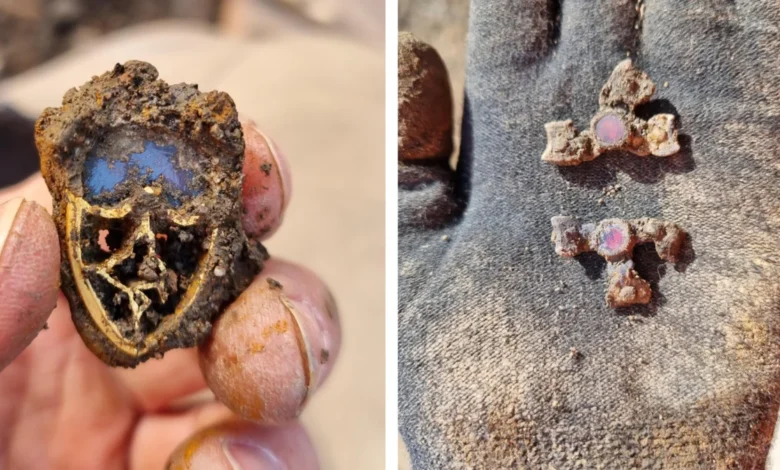
Upon clearing the topsoil and exposing the burial pits, researchers found a series of graves that stood out from typical civilian interments of the era. Unlike standard burials, which might include modest grave goods like pottery or personal jewelry, these specific graves contained specialized items: iron swords, spearheads, and metallic shield fittings. The placement of these objects, meticulously arranged around the deceased, suggests that these individuals were accorded high status, potentially reflecting their roles as warriors or members of a local elite.
Chronology and Evidence of Conflict
The chronological analysis of the site indicates that the burials were likely created over several generations, suggesting the cemetery served as a long-term repository for a stable social group. However, the uniformity of the trauma found on the skeletal remains is perhaps the most significant finding. Osteological analysis—the study of human bones—revealed that several of the individuals interred at the site suffered from violent injuries shortly before or at the time of their deaths.
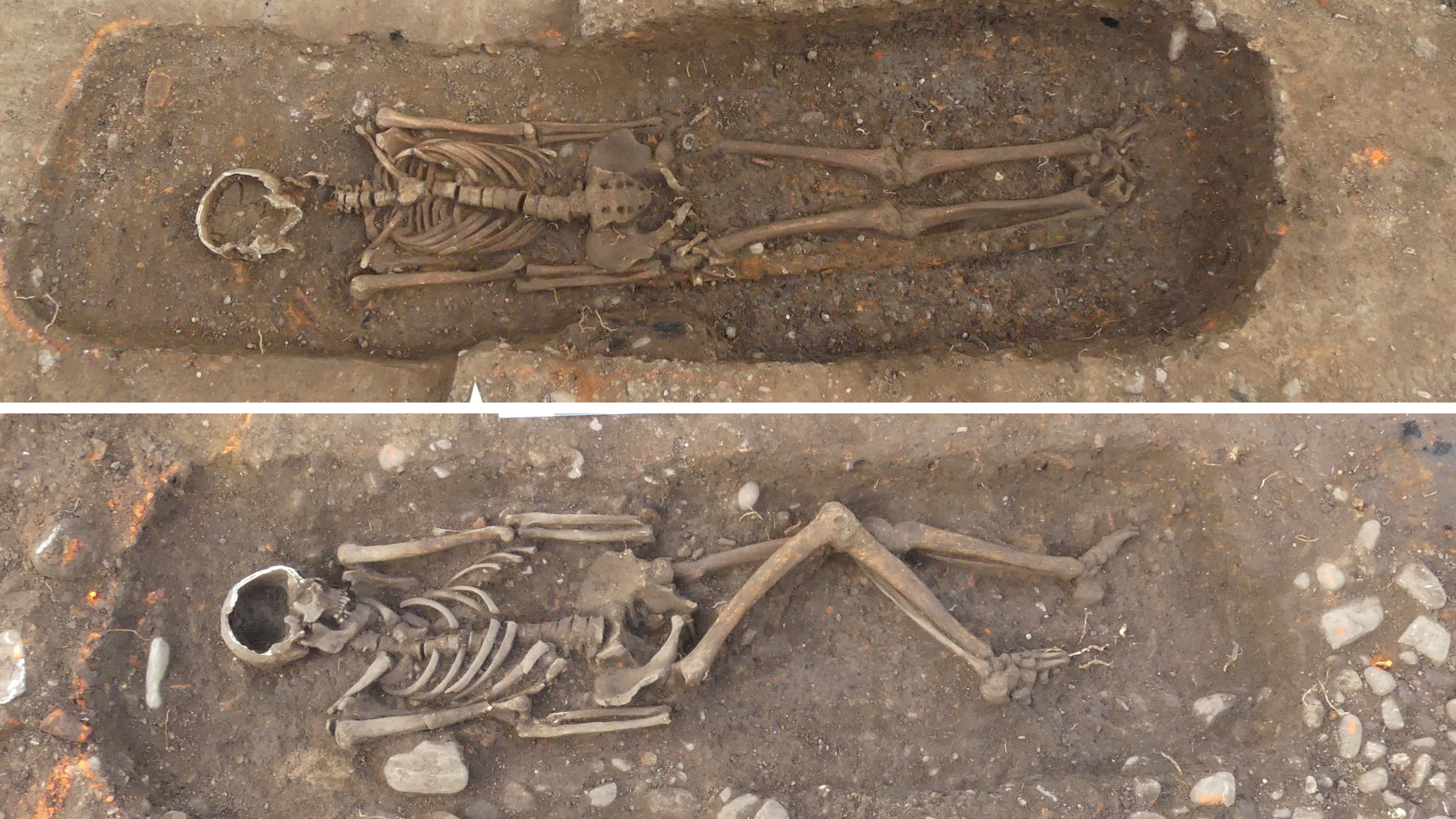
These injuries include fractures consistent with blunt-force trauma and deep lacerations that align with the dimensions of iron weapons found at the site. Because these wounds show little to no sign of healing, forensic archaeologists conclude that the trauma was the immediate cause of death. This finding provides a rare, empirical look at the frequency of interpersonal violence in Iron Age society. Rather than relying solely on literary accounts from later Roman historians, who often held biased perspectives on "barbarian" tribes, archaeologists can now look at the physical evidence of warfare directly preserved in the bioarchaeological record.
Supporting Data: The Bioarchaeology of the Iron Age
To understand the scale of this violence, researchers compare this site to other Iron Age cemeteries across Western Europe. Data from sites such as the La Tène culture zones reveal that during this era, social status was increasingly tied to one’s ability to engage in conflict. In many instances, the inclusion of weapons in graves is a symbolic gesture, but at this specific site, the correlation between the presence of weapons and physical trauma is statistically significant.
Bioarchaeological data suggests that approximately 30% to 40% of adult males in similar high-status Iron Age graves show some evidence of healed or unhealed trauma. This indicates that violence was not merely an occasional occurrence but a systemic feature of life. The skeletal remains also show evidence of robust muscular development, consistent with the demands of horseback riding and heavy lifting—physical traits typical of individuals who spent significant portions of their lives training for combat.
Official Perspectives and Expert Interpretation
While the lead researchers from Inrap have not yet released a final, comprehensive monograph on the site, preliminary statements provided by the excavation team emphasize the importance of context. "We are looking at a society where the distinction between a farmer and a warrior was likely fluid," noted a lead osteoarchaeologist familiar with the project. "The presence of these weapons indicates that the community felt the need to project power, whether for defense or as a marker of social hierarchy."
Other experts in the field of European Iron Age studies, while not directly involved in the Inrap excavation, have noted that the findings align with a broader shift in understanding the Hallstatt and La Tène cultures. Historically, archaeologists often downplayed the prevalence of organized violence in these societies, preferring to emphasize trade networks and artistic achievements. However, the evidence from this site provides a necessary corrective to that view, illustrating that while these communities were artistically sophisticated and economically integrated, they were also intensely militarized.
Broader Impact and Historical Implications
The discovery at this site holds profound implications for how historians view the development of early European states. The presence of a specialized "warrior" class within a burial ground suggests that these communities had moved beyond simple egalitarian tribal structures. Instead, they were likely organized into hierarchical units where the ability to control land and resources—and to defend them with force—was concentrated in the hands of a few.
Furthermore, the site provides a baseline for understanding the transition from the late Iron Age to the Roman period. As Roman influence spread northward, many of these indigenous social structures were dismantled or absorbed. By studying the burial customs and physical health of these individuals, researchers can better understand the societal baseline that Roman commanders encountered and eventually sought to pacify.
Future Research and Conservation
As the analysis of the human remains and artifacts continues, the team from Inrap plans to conduct stable isotope analysis on the teeth of the buried individuals. This technique will allow scientists to determine if the warriors were local to the region or if they had migrated from distant areas, potentially shedding light on the mobility of elite groups during the Iron Age. Additionally, DNA sequencing may be performed to assess familial relationships within the cemetery, further clarifying whether the warrior status was hereditary or meritocratic.
The preservation of the site is currently being managed by local cultural heritage authorities to ensure that the findings are documented with the highest level of scientific rigor. Once the laboratory analysis is complete, the artifacts and a detailed record of the excavations are expected to be curated for public exhibition, allowing the local community and the wider public to connect with the complex, often violent history of their ancestors.
Conclusion: A Window into the Iron Age
The excavation of this cemetery serves as a poignant reminder that history is not merely a collection of dates and names, but a physical record of human experience. The skeletons found by the Inrap team speak to a time of profound transition, where the forging of iron weapons mirrored the forging of new social orders. By examining the scars on their bones and the iron in their graves, we gain a clearer understanding of the challenges faced by the populations that inhabited Europe over two millennia ago. As the investigation progresses, it will undoubtedly continue to refine our understanding of the delicate balance between community, status, and the ever-present reality of conflict in the ancient world.