Federal Judge Dismisses DOJ Lawsuit Seeking to Halt Certification of Alaska Senate Race Amid Decoy Dan Controversy

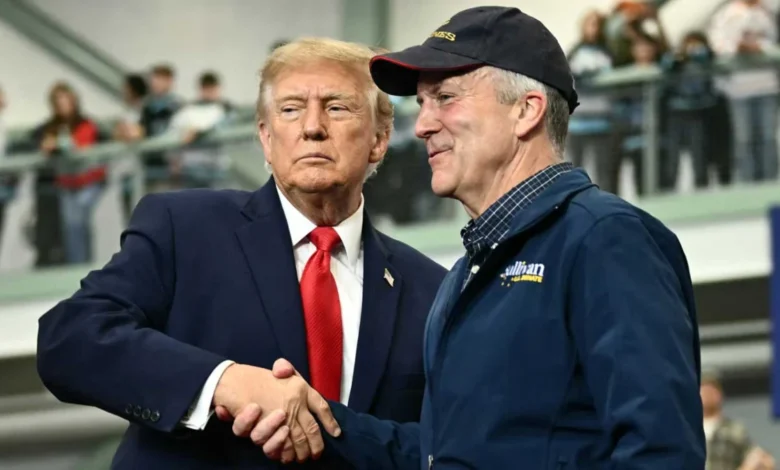
The high-stakes battle for control of the United States Senate faced a dramatic legal twist on Sunday when a federal judge swiftly dismissed a Justice Department lawsuit that sought to halt the certification of Alaska’s pivotal Senate election. The emergency litigation, launched just two days before the midterm elections, was centered around an extraordinary electoral controversy involving two candidates sharing nearly identical names—a phenomenon that quickly became known in political circles as the Decoy Dan scheme.
U.S. District Judge Sharon Gleason issued a definitive ruling late Sunday, rejecting the Trump administration’s bid to freeze election outcomes while investigating potential voter confusion. Judge Gleason grounded her decision in both constitutional principles and procedural limitations, noting that the federal government had failed to demonstrate how its proposed investigation could accurately isolate voter intent without violating the fundamental right to ballot secrecy. Furthermore, the judge emphasized that rushing a federal intervention into the matter would represent an unwarranted intrusion upon Alaska’s sovereign responsibility to administer its own elections.
Despite the immediate judicial roadblock, the Justice Department signaled its intention to escalate the legal battle. Department officials announced plans to appeal the ruling directly to the 9th U.S. Circuit Court of Appeals, arguing that Judge Gleason dismissed the case on narrow procedural grounds while ignoring the core allegation: that a secondary candidate entered the race explicitly to siphon votes and manipulate the outcome of a nationally critical Senate contest.
Anatomy of the Decoy Dan Controversy
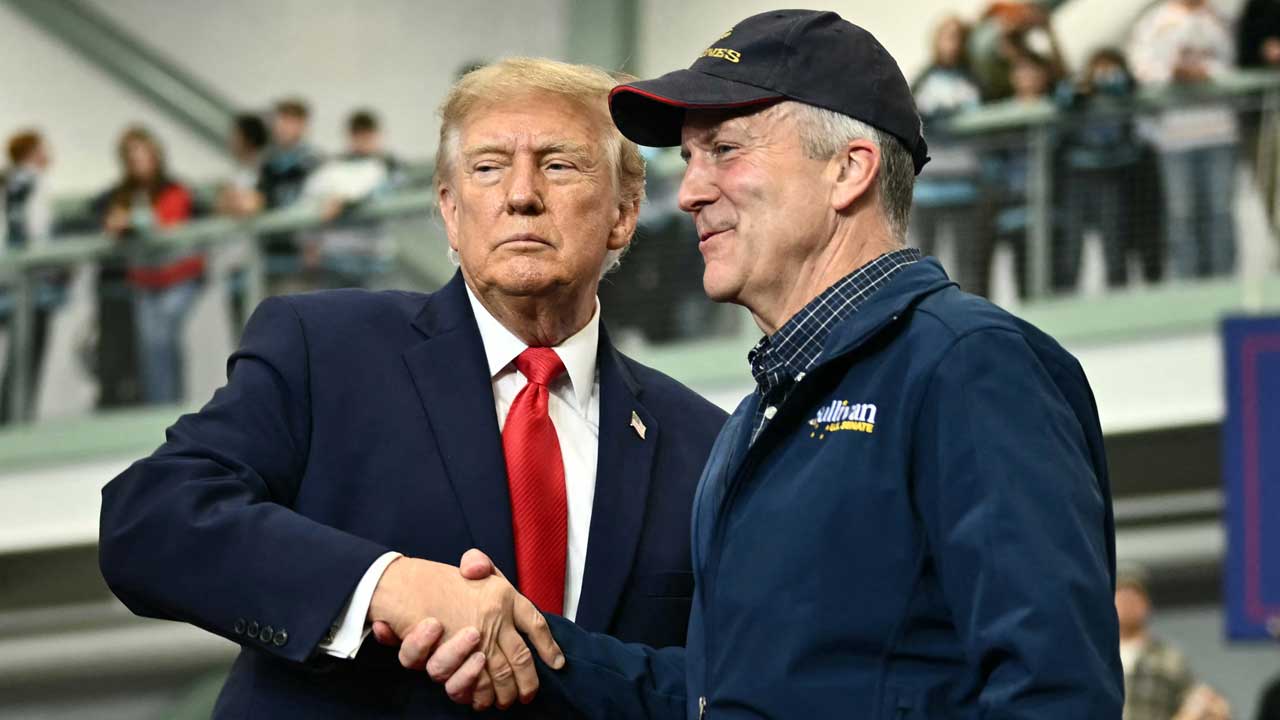
At the heart of the legal and political tempest is an unusual candidate lineup featuring incumbent Republican Senator Dan S. Sullivan and a lesser-known challenger who filed for the ballot under the name Daniel J. Sullivan Jr. The presence of two candidates bearing nearly identical names on the ballot immediately raised red flags among election integrity advocates, campaign strategists, and voters alike, sparking intense speculation over whether the lesser-known candidate was fielded as a deliberate spoiler designed to create widespread voter confusion.
The controversy intensified exponentially following an investigative report published by The New York Times. The report alleged that individuals connected to the campaign of Democratic nominee Mary Peltola covertly helped recruit and facilitate Daniel J. Sullivan Jr.’s run to act as a vote-siphoning mechanism. The strategy, critics argue, relies on exploiting low-information voters who might inadvertently cast their ballots for the wrong candidate, thereby altering the delicate mathematical margins of a competitive race.
Both primary figures in the immediate controversy have pushed back against the allegations. Democratic nominee Mary Peltola has repeatedly and publicly denied any involvement in or coordination with an alleged scheme to field a spoiler candidate. Similarly, Daniel J. Sullivan Jr. has denied communicating or coordinating with Peltola’s campaign team regarding his decision to enter the race. Despite these denials, the political fallout has sent shockwaves through Alaska and Washington, drawing sharp condemnation from prominent figures across the political spectrum who argue that such tactics undermine trust in the democratic process.
Chronology of Events and Legal Escalations
The unfolding drama in Alaska has accelerated rapidly over a compressed timeline, transforming from a local ballot anomaly into a federal legal showdown:
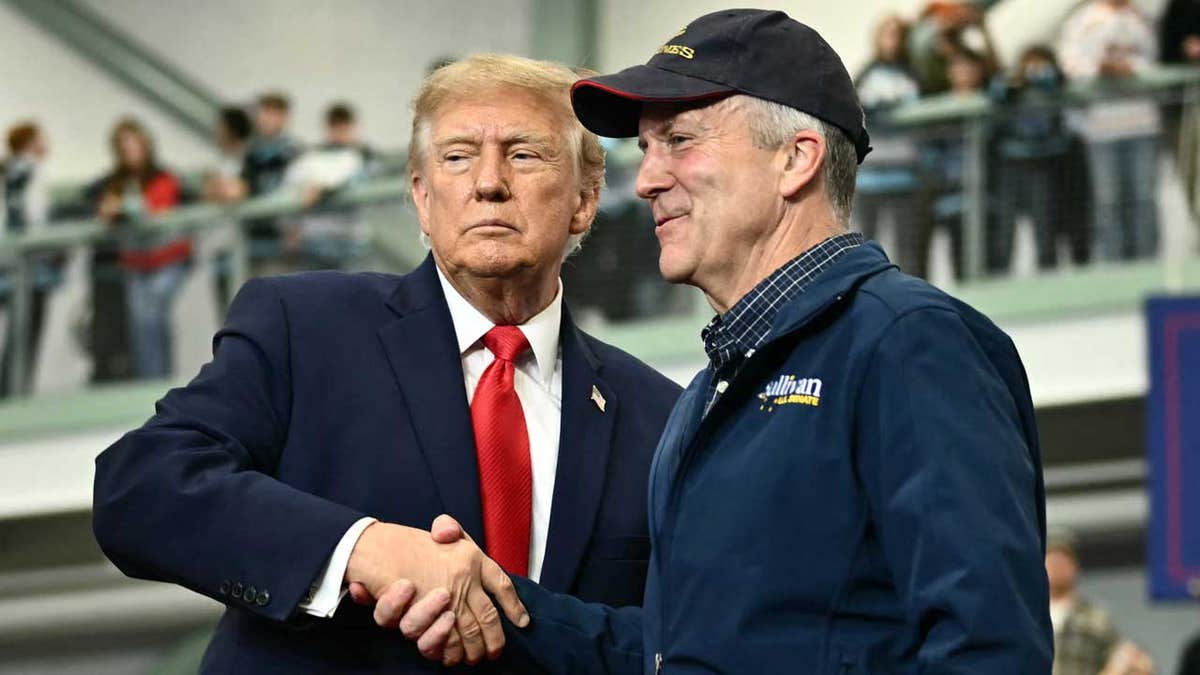
- Candidate Filing Deadline: Daniel J. Sullivan Jr. officially qualified for the ballot alongside incumbent Senator Dan S. Sullivan and Democratic challenger Mary Peltola, setting the stage for voter confusion concerns.
- Investigative Revelations: Media reports surface detailing alleged ties between operatives close to the Peltola campaign and the recruitment of the secondary candidate, thrusting the "Decoy Dan" issue into the national spotlight.
- State-Level Investigations: Alaska Governor Mike Dunleavy orders a comprehensive state-level inquiry into the allegations, warning that systemic vulnerabilities in election administration allowed the maneuver to hide in plain sight.
- DOJ Intervention: The Department of Justice files an emergency federal lawsuit seeking to enjoin election officials from certifying a potential Peltola victory, citing concerns over systemic voter disenfranchisement and confusion.
- Federal Court Ruling: U.S. District Judge Sharon Gleason dismisses the DOJ lawsuit on Sunday, ruling that the federal government lacked a viable method to investigate voter intent without compromising ballot secrecy and overstepping state authority.
- Immediate Appeal: The Justice Department announces it will take the case to the 9th U.S. Circuit Court of Appeals, ensuring the legal battle will extend past Election Day.
Political Reactions and State-Level Fallout
The unfolding scandal has elicited sharp reactions from top-tier political leaders, complicating the final stretch of the midterm campaign cycle. Incumbent Senator Dan S. Sullivan addressed the controversy ahead of the vote, stating that he intends to accept the certified results of Tuesday’s election while maintaining that his similarly named opponent was part of a calculated effort to deceive the electorate.
Meanwhile, the Trump administration’s aggressive posture—marked by the Department of Justice’s legal filings and parallel criminal inquiries—has been met with vocal support from conservative lawmakers. High-profile figures, including Senator Tim Scott, publicly declared the alleged Decoy Dan plot a potential criminal offense, arguing that intentional voter deception crosses the line from aggressive political hardball into unlawful interference.
At the state level, Republican Governor Mike Dunleavy has taken an active role in scrutinizing the incident. Governor Dunleavy ordered a formal state investigation into the allegations outlined in media reports, utilizing his platform to warn constituents about structural vulnerabilities in the electoral system that allow such maneuvers to bypass traditional guardrails. When asked about potential non-certification scenarios if Peltola secures a victory, Governor Dunleavy suggested that the integrity of the results must be thoroughly evaluated, though incumbent Senator Sullivan has declined to explicitly endorse refusing certification.
Implications for Ranked-Choice Voting and Senate Control
Beyond the immediate legal and ethical debates, the Alaska Senate race carries immense national significance as one of a handful of contests that could ultimately determine control of the United States Senate. With the chamber locked in a razor-thin balance of power, every individual seat assumes magnified importance for both the Republican and Democratic parties.

Adding another layer of complexity to the race is Alaska’s unique electoral framework. The state utilizes a ranked-choice voting system, which requires voters to rank candidates in order of preference. If no candidate secures an absolute majority of first-choice votes on election night, the election triggers subsequent rounds of tabulation. In these rounds, the lowest-performing candidate is eliminated, and their supporters’ secondary choices are redistributed among the remaining contenders until a candidate achieves a majority.
Under a ranked-choice system, the presence of a spoiler candidate can have disproportionate effects, potentially siphoning critical first-round preferences or disrupting the transfer of votes in later elimination rounds. Election analysts note that even a small percentage of misplaced votes caused by name confusion could shift the mathematical outcome in a tight race, making the ongoing legal challenges regarding ballot integrity critically consequential.
As voters head to the polls on Tuesday, the shadow of the Decoy Dan controversy looms large over the Last Frontier. With the Department of Justice pursuing an active appeal in the 9th Circuit, state officials weighing investigative findings, and the national balance of power hanging in the balance, the resolution of Alaska’s Senate race is poised to remain at the center of American political and legal discourse long after the final ballots are cast.