Celine Dion makes a record-breaking return to the stage with a lucrative residency in Paris

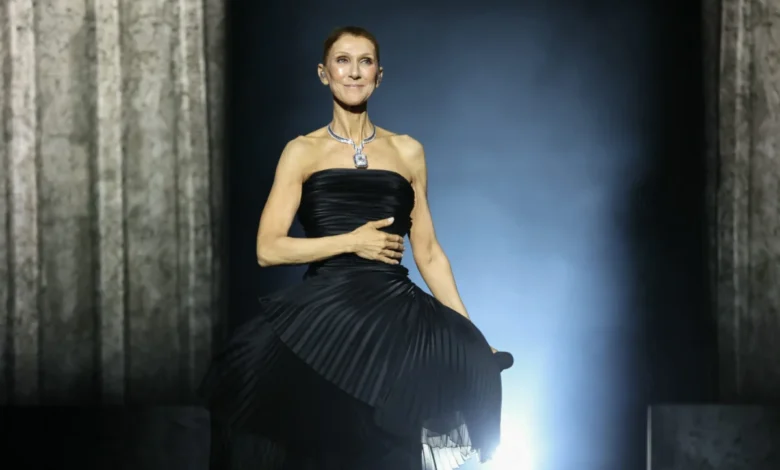
The global music landscape witnessed a historic moment in live entertainment this autumn as legendary vocalist Celine Dion marked her triumphant return to the stage. Following a lengthy hiatus necessitated by a challenging health diagnosis, the five-time Grammy Award winner has successfully launched a new residency at the Plenitude Arena in Paris, effectively shattering industry records for ticket sales and revenue generation. The singer, 58, has demonstrated that her artistic appeal remains undiminished, with financial figures indicating that her latest concert series is among the most successful in modern music history.
According to data reported by Billboard, the initial leg of Dion’s residency, which spanned from September 12 to October 17, generated a staggering $125.5 million in gross revenue. With 16 performances held during this period, the residency averaged approximately $7.8 million per night, a figure that places the production in an elite echelon of high-earning live performances. Throughout the 35-day run, a total of 539,000 tickets were sold, underscoring the immense global demand for the Canadian superstar’s return to live performance.
A Timeline of Professional Resilience
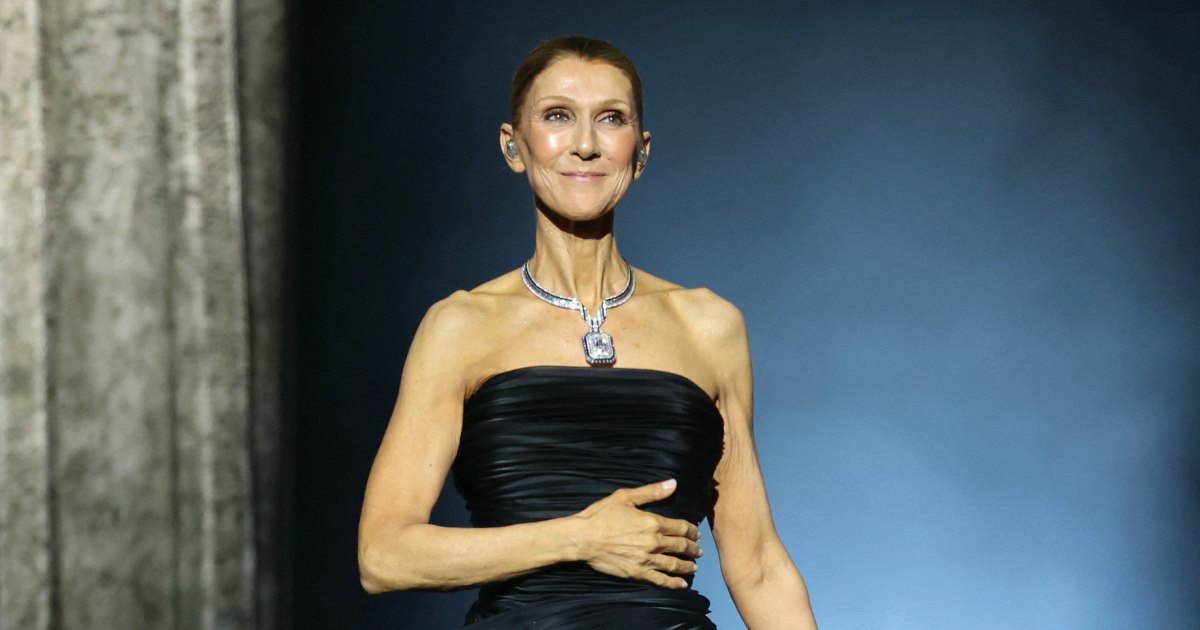
The road to this record-breaking residency has been defined by both immense struggle and disciplined recovery. In 2022, Dion announced to her fans that she had been diagnosed with Stiff-Person Syndrome (SPS), a rare and progressive neurological disorder characterized by muscle stiffness, rigidity, and painful spasms. The diagnosis forced the cancellation of her highly anticipated world tour, leading to years of uncertainty regarding the future of her performing career.
The timeline of her recovery was marked by intense, daily physical therapy and specialized training regimens designed to help her regain the strength and vocal capacity required for a full-scale residency. Insiders close to the production noted that the decision to return to the stage was not made lightly. The singer reportedly committed to a rigorous schedule of daily training and medical rehabilitation, approaching the comeback with the same discipline that characterized her rise to global stardom in the 1990s.
By March 2024, the announcement of the Paris residency signaled a turning point. Rather than rushing back to the stage, the production was carefully structured to ensure both the performer’s well-being and the quality of the concert experience. Her return to the Plenitude Arena was not merely a series of performances but a culmination of years of private, consistent work aimed at reclaiming her professional life.

Financial Dominance and Industry Context
Celine Dion’s history of residency success is arguably unparalleled. Before the current success in Paris, she effectively pioneered the modern concept of the Las Vegas residency as a viable, high-profit model for legacy artists. Her first major residency, A New Day…, which ran from 2003 to 2007 at The Colosseum at Caesars Palace, grossed $385.1 million over 714 nights. This was followed by her self-titled residency, Celine, which took place from 2011 to 2019 and brought in an additional $296.2 million across 427 dates.
When comparing these figures, the current Paris residency stands out for its efficiency and density. Earning $125.5 million in just 16 shows highlights a significant shift in market pricing and audience appetite. The average ticket price for the Paris residency reflects the premium nature of the event, as well as the scarcity value of a performer who has been absent from the stage for nearly half a decade.
Industry analysts point out that this success provides a blueprint for other veteran artists. By prioritizing a stationary venue over the logistical complexity of a global tour, Dion has managed to maintain the high production values associated with her shows while minimizing the physical toll of international travel. This strategy has proven to be as financially sound as it is artistically rewarding.

The Human Element: Resilience and Preparation
The narrative surrounding this comeback has been deeply personal. In the months leading up to the opening night in September, sources close to the production emphasized that Dion was motivated by a profound desire to reconnect with her audience. For an artist who has defined her career through her vocal range and live presence, the inability to perform was a significant personal challenge.
During her first performance of the residency, the emotional weight of the occasion was evident. Addressing the sold-out audience, Dion remarked, “Finally, here we are. Look at us. We are all here. I made a promise to be back on stage, and here I am, singing for you, singing for me, singing live.” This acknowledgment served to bridge the gap between the performer and the fans who had waited years to see her return.
Professional associates describe the singer as being in a state of renewed focus. While the physical symptoms of her condition required significant adjustments to her lifestyle, those working with her reported that her "strong-willed" nature remained intact. The preparation for the show involved not only vocal conditioning but also a mental shift, as she navigated the transition from medical management back to the high-pressure environment of a global stage.

Broader Implications for Live Entertainment
The success of the Paris residency carries broader implications for the entertainment industry. First, it highlights the enduring commercial power of legacy artists. Audiences are increasingly willing to pay premium prices for intimate, high-quality, and reliable concert experiences, particularly when the performer has a deep emotional resonance with their fan base.
Second, the residency model—often referred to as a "static tour"—has proven to be a robust solution for artists navigating health challenges. By controlling the environment of the performance space, artists can maintain rigorous schedules that might otherwise be impossible on the road. The technological infrastructure at venues like the Plenitude Arena allows for world-class production values that can be tailored to the specific health requirements of the artist, creating a safer and more sustainable working environment.
Finally, the sheer scale of the financial success in Paris suggests that the post-pandemic era has not dampened the demand for live music. On the contrary, the concert industry is seeing record-breaking attendance and revenue, with artists like Dion leading the charge. The fact that she is already booked for 10 additional shows in May 2027 demonstrates a long-term commitment to this venue and suggests that the residency is intended to be a multi-year project rather than a one-off comeback event.

Looking Ahead: The Future of the Residency
As the industry looks toward the next phase of this residency in 2027, the focus will likely remain on the sustainability of the project. The success of the initial 16 shows has established a high bar for both production quality and fan satisfaction.
The medical community has also taken interest in the case, as Dion’s public journey with Stiff-Person Syndrome has brought much-needed visibility to a rare, often misunderstood, and debilitating condition. Her ability to return to the peak of her profession, despite the physical challenges of the disease, serves as a significant case study in both modern medicine and personal perseverance.
For the music industry, the story of Celine Dion in 2024 is one of restoration and evolution. She has moved beyond the "comeback" narrative to establish a new, sustainable phase of her career. By leveraging her vast catalog of hits, her reputation for excellence, and a smart, audience-centric business model, she has ensured that her legacy will continue to grow, not just in terms of historical record, but in the ongoing, real-time connection she maintains with her millions of fans worldwide. As she prepares for the future, the global music community remains attentive, recognizing that the "queen of power ballads" has not only returned but has successfully redefined what it means to be a modern, resilient icon in the live music industry.
Related posts: