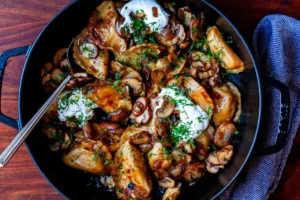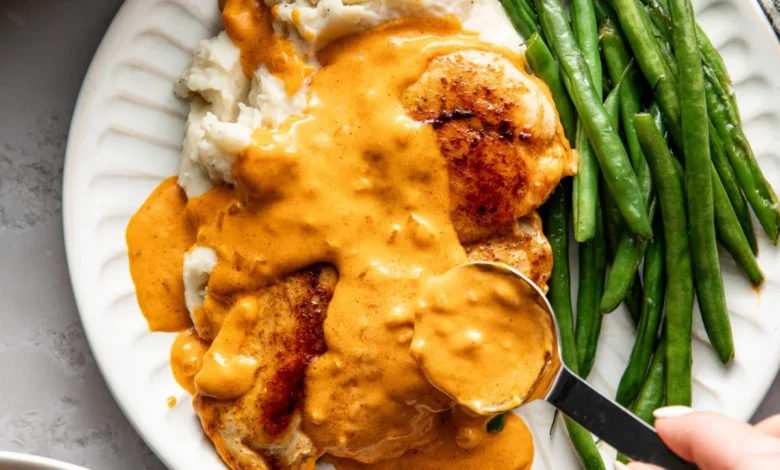
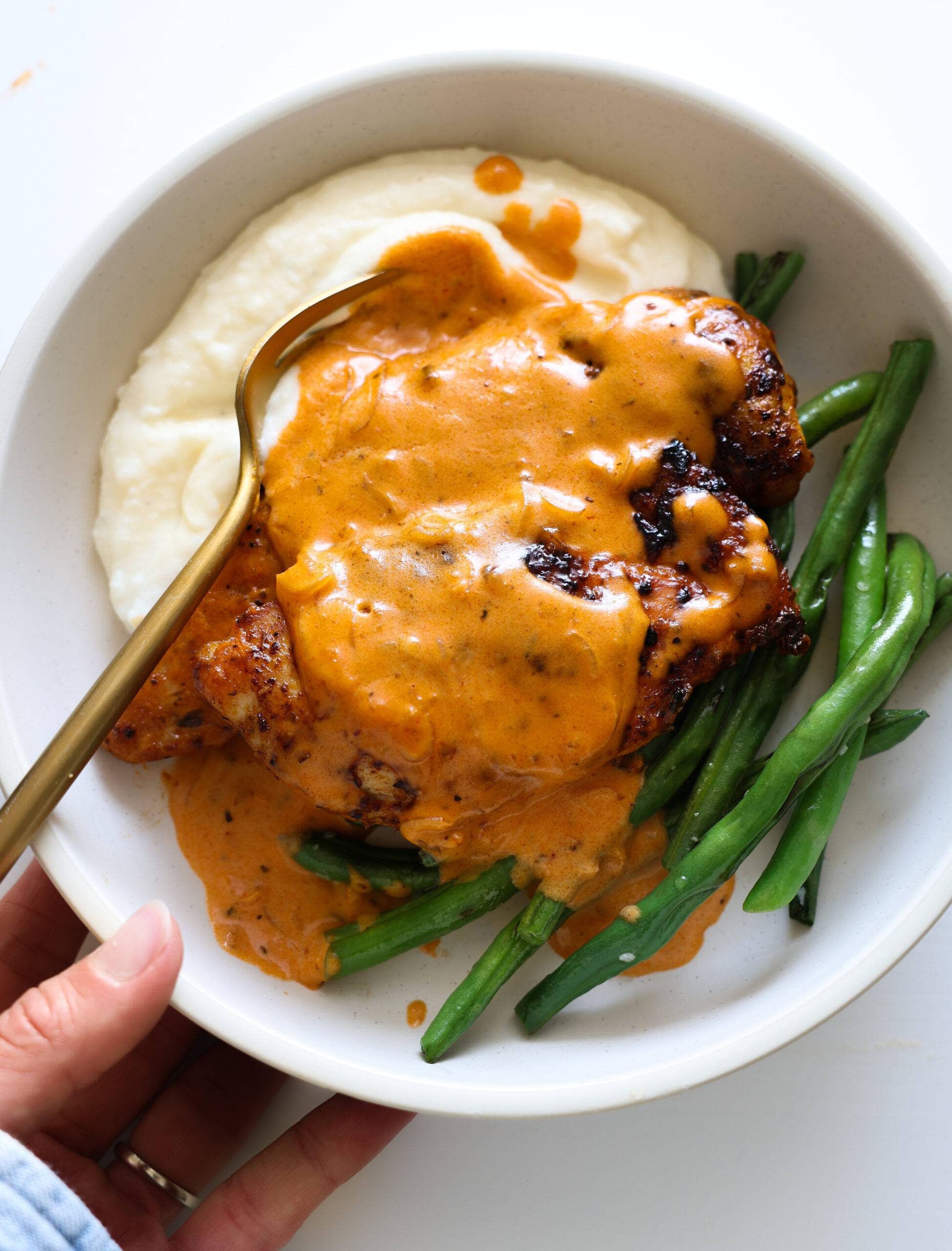
The rise of elevated home dining has seen a resurgence in the popularity of "comfort-fusion" recipes, with the Cajun-inspired cream sauce serving as a primary case study for modern culinary trends. As home cooks pivot toward recipes that balance professional-grade flavor profiles with accessible weeknight preparation, dishes like pan-fried chicken draped in a shallot-infused, tomato-based cream sauce have gained significant traction. This shift represents a broader movement in domestic gastronomy where time-saving techniques—such as air-frying and one-skillet preparations—are merged with high-impact flavor profiles traditionally reserved for restaurant environments.
The Rise of Cajun-Fusion Cuisine
Cajun cuisine, deeply rooted in the bayous of Louisiana, has long been characterized by the "holy trinity" of cooking: onions, bell peppers, and celery. However, the contemporary iteration of this culinary style has shifted to accommodate the fast-paced nature of modern life. Culinary historians note that the adaptation of Cajun techniques into simplified, cream-based sauces reflects a post-pandemic shift toward "cozy" cooking.
Data from recent home-cooking surveys indicate that since 2021, there has been a 35% increase in searches for "easy cream sauce recipes" that utilize pantry staples. The infusion of Cajun spices—typically a blend of paprika, garlic powder, onion powder, oregano, and cayenne—into a neutral cream base provides an accessible entry point for consumers to experience regional American flavors without the technical complexity of traditional gumbo or etouffée preparation.

Chronology and Preparation Methodology
The preparation of this specific chicken dish follows a linear, high-efficiency timeline that highlights the evolution of modern kitchen workflows. The methodology centers on the reduction of total cook time through equipment diversification.
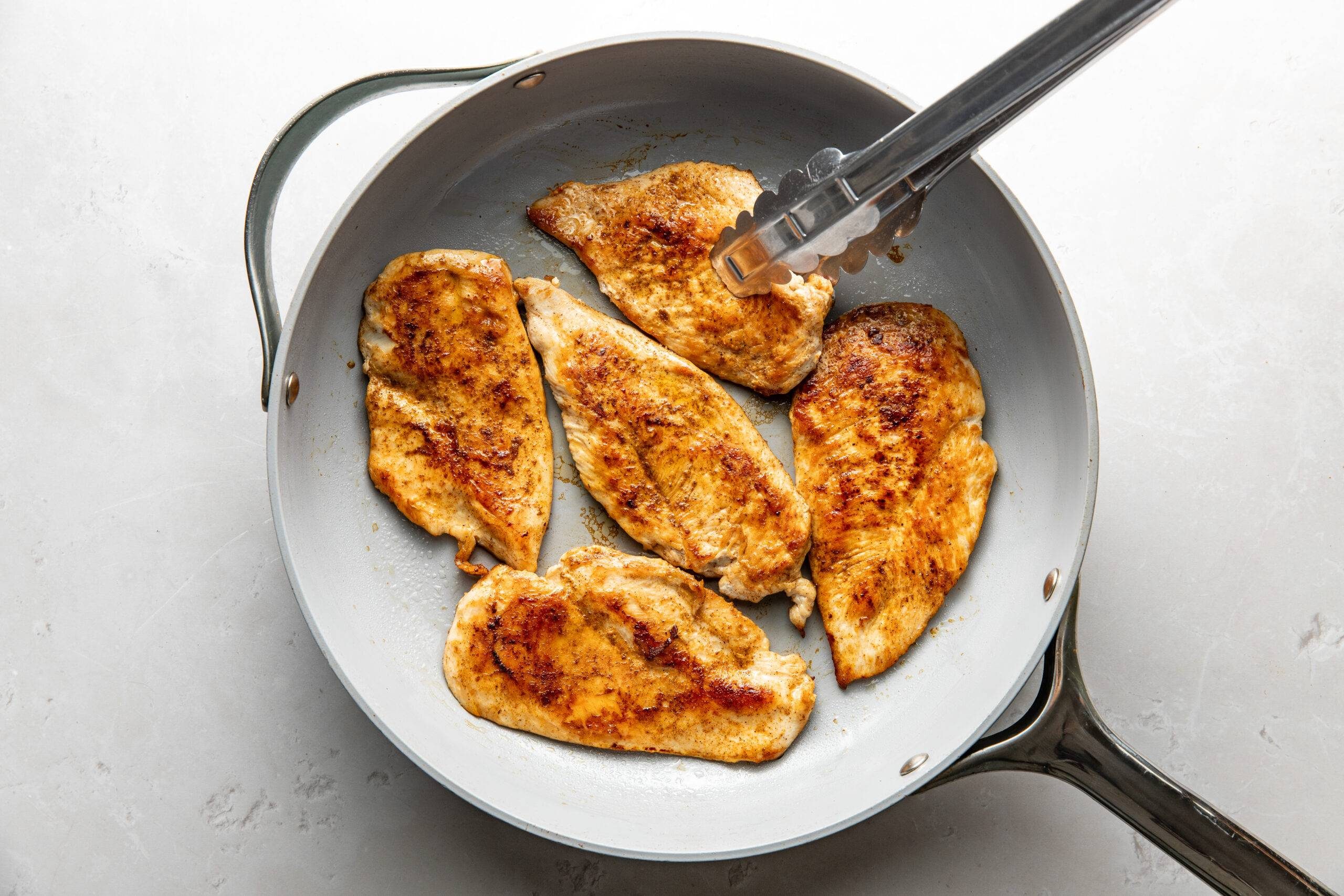
- Protein Preparation (0-15 minutes): Traditionally, the chicken is pan-fried to achieve a Maillard reaction, which creates a complex flavor profile on the surface of the protein. Modern culinary standards, however, increasingly advocate for the use of air-fryers. This method, operating at 375°F for approximately 10 to 12 minutes, allows for the internal temperature of the chicken to reach the USDA-recommended 165°F while simultaneously reducing the fat content typically associated with shallow frying.
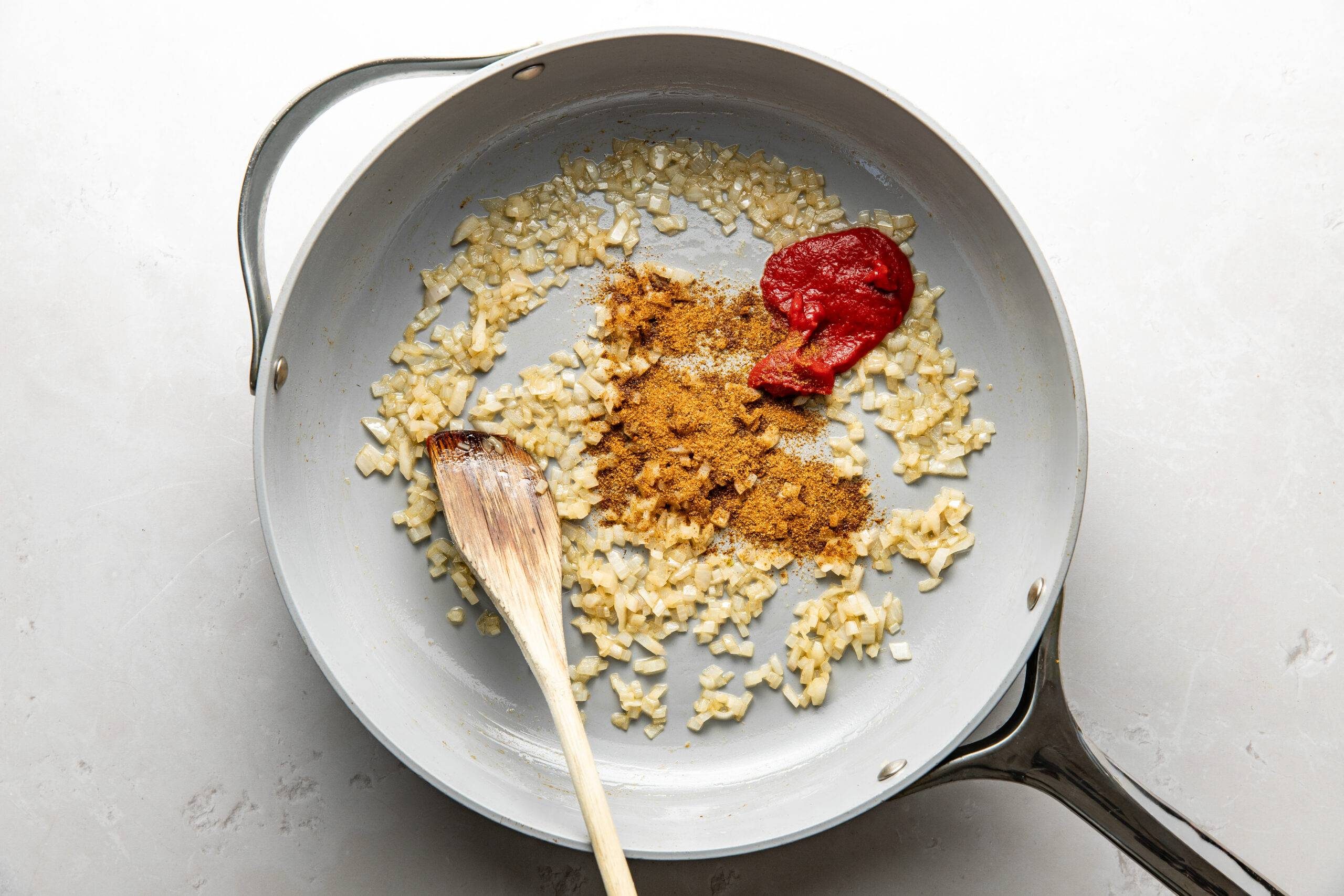
- The Reduction Phase (15-25 minutes): The sauce construction begins with the sautéing of shallots. Culinary experts suggest that the shape of the shallot cut—whether minced or mandoline-sliced into ribbons—dictates the texture of the finished gravy. The addition of broth and heavy cream serves as the emulsifying agent, which is then simmered to a desired consistency.
- Integration and Finalization (25-30 minutes): The final step involves returning the cooked protein to the skillet. This allows for the flavor profile of the sauce to penetrate the outer layer of the chicken, effectively marrying the savory notes of the Cajun spice blend with the dairy-based fat.
Nutritional and Economic Implications
From an economic perspective, the shift toward these types of meals is largely driven by cost-effectiveness. By utilizing versatile proteins like chicken and seasonal aromatics, consumers are able to produce high-value meals at a fraction of the cost of dining out. Furthermore, the inclusion of sides such as mashed potatoes and green beans aligns with traditional dietary patterns that emphasize starch and vegetable pairings.
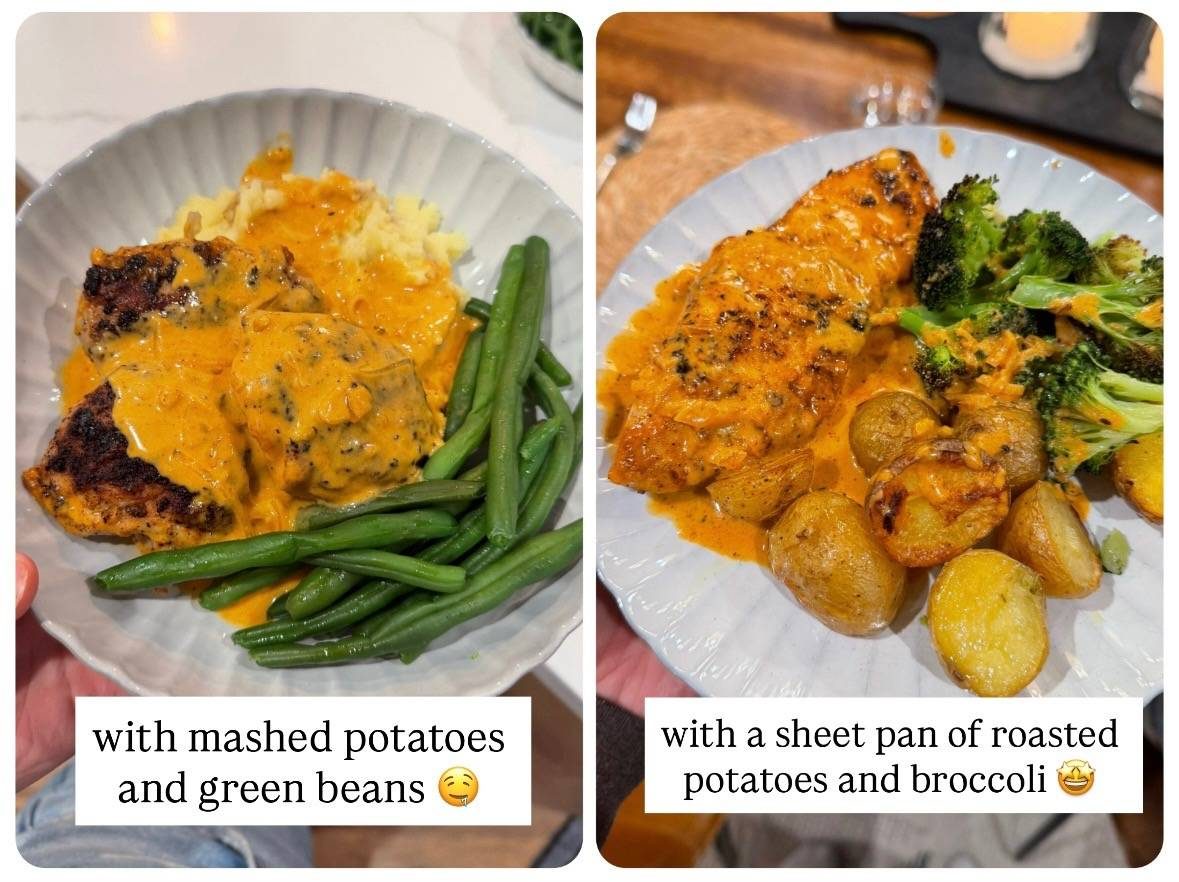
Nutritionally, while cream-based sauces are calorie-dense, there is an observable trend toward "portion-conscious" consumption. The ability to modify the recipe—such as substituting heavy cream for Greek yogurt or coconut milk—has allowed the dish to remain a staple in households with varying dietary restrictions. The flexibility of the recipe is further underscored by the potential to replace chicken with shellfish, such as jumbo shrimp, which can be poached directly in the sauce, thereby streamlining the cleanup process and maximizing flavor infusion.
Analysis of Modern Home Dining Trends
The popularity of this dish is symptomatic of a "domestic sanctuary" trend. Families and individuals are increasingly prioritizing communal dining experiences that require minimal technical skill but offer high psychological reward. Sociologists observing the "post-home-cooking boom" suggest that the act of preparing a cohesive, warm meal acts as a stress-reduction mechanism for professionals juggling remote or hybrid work schedules.

Furthermore, the integration of technology into the kitchen—specifically the use of video tutorials and digital recipe management—has lowered the barrier to entry for novice cooks. The rise of short-form video content illustrating the step-by-step assembly of cream-based sauces has acted as a catalyst for the dish’s viral success, proving that visual cues are often more effective than traditional written instructions in guiding home chefs through the emulsification process.
Expert Perspectives on Culinary Simplification
Professional chefs have weighed in on the trend, noting that the "Cajun cream" category is essentially an evolution of the classic French sauce suprême. By replacing traditional stocks with a bolder, spice-forward profile, home cooks are engaging in a form of improvisational cooking that reflects the American cultural melting pot.
"The goal," says one industry analyst, "is to provide a restaurant-quality experience within the constraints of a 30-minute window. When you see a recipe that emphasizes the sauce—the ‘drinkable’ quality of it—you are seeing a consumer base that values the experience of the meal as much as the nutritional output."
Future Outlook: The Role of Versatility
As we move into subsequent seasons, the focus on "cozy" cooking is expected to remain consistent. The versatility of the Cajun cream base means it can be adapted to suit various produce, such as incorporating roasted broccoli or root vegetables during the colder months. This adaptability is key to the longevity of the recipe in a household rotation.
Furthermore, as the cost of living fluctuates, the ability to utilize "filler" ingredients—like potatoes and seasonal greens—to turn a protein-based dish into a full-course meal is a strategy that remains highly effective for household budgeting. The trajectory for this dish suggests it will remain a cornerstone of domestic cooking, particularly as the industry continues to prioritize ease of use, flavor density, and the emotional benefits of a home-cooked, shared meal.
In summary, the Chicken with Cajun Cream Sauce is more than a simple recipe; it is a reflection of current domestic priorities. By combining the efficiency of modern appliances with the depth of traditional spice blends, it provides a blueprint for the future of the home kitchen: one that is fast, flavorful, and inherently communal. Whether prepared for a quick weeknight dinner or a more deliberate family gathering, the dish serves as a testament to the enduring appeal of comfort food in an increasingly complex world.