The emergence of the "smashed olives with burrata" phenomenon represents a significant shift in contemporary home-cooking trends, where minimal-ingredient, high-impact appetizers are increasingly favored over complex, time-intensive culinary preparations. This dish, which combines the briny, firm texture of Castelvetrano olives with the rich, cream-filled decadence of Italian burrata cheese, has transitioned from social media obscurity to a staple of the modern home dining experience. The preparation, characterized by the mechanical smashing of olives to release their essential oils and juices, has been widely lauded by culinary enthusiasts for its ability to transform simple pantry staples into a sophisticated, Mediterranean-inspired meal.
Origins and Digital Propagation
The rise of this specific culinary assembly can be traced back to the broader movement of "short-form food media," which has seen platforms like Instagram and TikTok dictate kitchen trends. The current iteration of the dish gained significant traction following a viral demonstration by content creator "Cheese Gal" (Courtney), whose instructional video effectively standardized the preparation method.
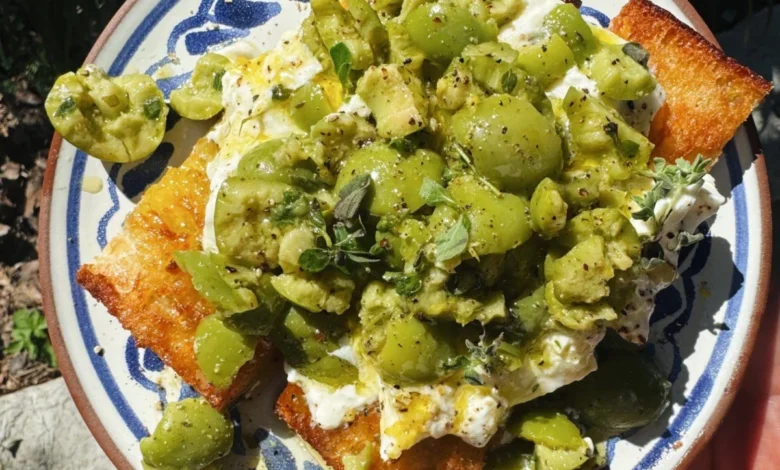
The process is deceptively simple: Castelvetrano olives—prized for their buttery flavor and bright green hue—are physically crushed, allowing them to absorb a marinade of lemon zest, high-quality extra virgin olive oil, and fresh herbs. This mixture is then paired with torn burrata and served alongside fried or crusty bread. This method of preparation has moved beyond the digital space, finding its way into residential kitchens across North America as a versatile solution for lunches and social gatherings.
Culinary Mechanics: The Science of the Smashed Olive
From a technical perspective, the act of smashing the olive serves a distinct culinary purpose beyond mere aesthetics. By breaking the structure of the drupe, the cook increases the surface area exposed to the marinade. This facilitates a faster and more thorough integration of the olive oil, lemon acid, and herbaceous aromatics (typically basil or oregano).
Castelvetrano olives, which originate from the Belice Valley in Sicily, are particularly suited for this technique. Unlike fermented or heavily brine-cured varieties, Castelvetranos offer a crisp texture that retains structural integrity even when crushed. When paired with burrata—a cheese made from mozzarella and cream that originated in the Puglia region of Italy—the contrast between the acidic, salty olive tapenade and the mild, cooling fat of the cheese creates a balanced sensory profile.
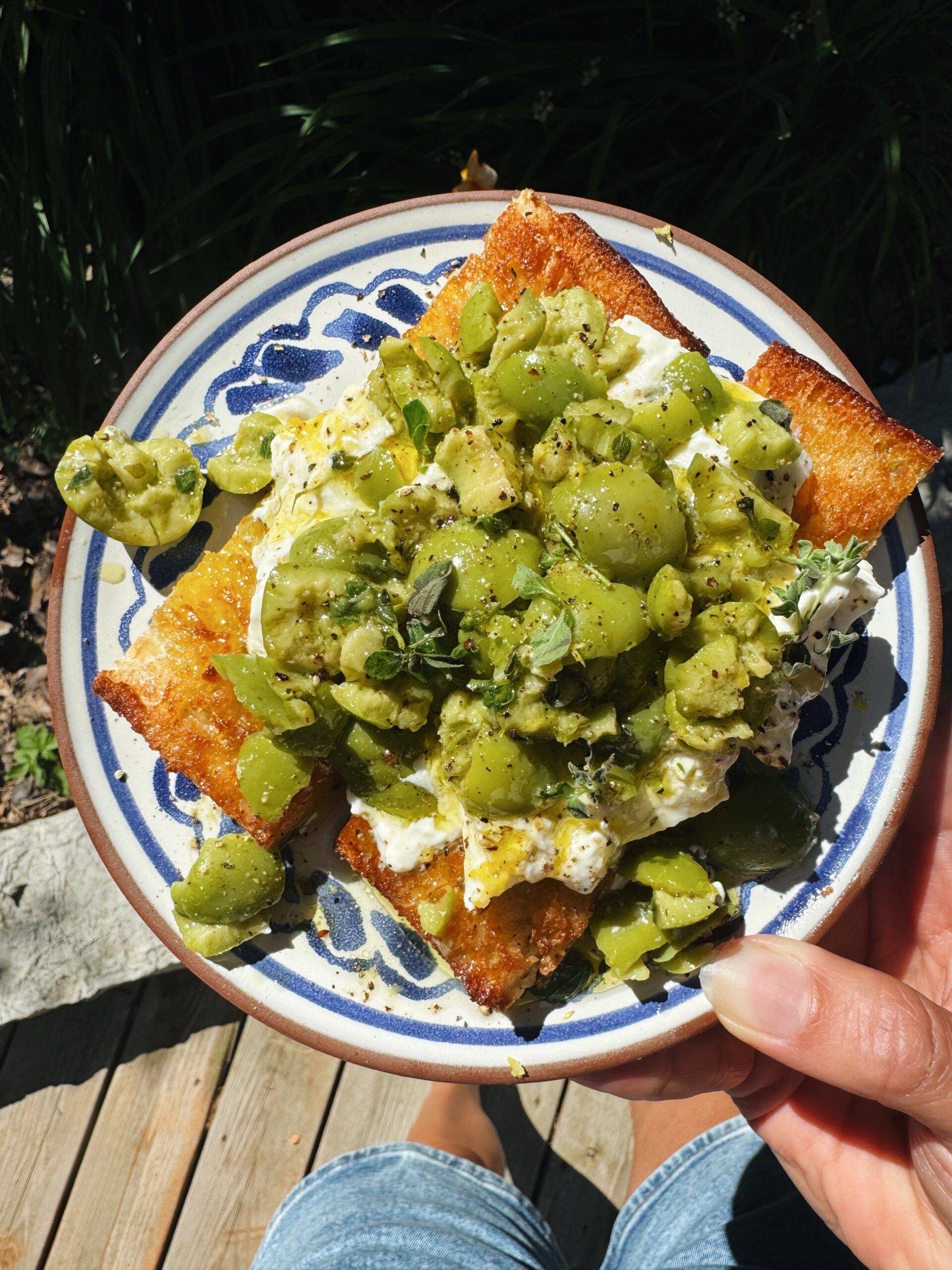
Data from the specialty food industry suggests that consumer interest in artisanal cheese pairings has seen a steady uptick since 2022. Market research indicates a 14% increase in retail sales of burrata across major urban grocery chains, a trend attributed to the cheese’s growing reputation as a "luxury-accessible" ingredient for home entertainers.
Chronology of a Viral Food Trend
The trajectory of this dish follows a predictable pattern common in modern food media:
- Phase One: Conceptualization (Early 2024): Independent creators begin experimenting with the "smashed" technique, a departure from the traditional tapenade, which relies on finely minced or pureed ingredients.
- Phase Two: Digital Acceleration (Mid-2024): High-engagement social media accounts, including those of influential food bloggers, begin to standardize the recipe. The incorporation of fried bread as a structural element provides a textural contrast that proves highly effective for video engagement.
- Phase Three: Mainstream Adoption (Late Summer 2024): The dish transitions from a novelty to a recurring menu item in private homes, with home cooks sharing variations involving different herb profiles, such as the substitution of oregano for the traditional basil.
- Phase Four: Integration: The dish is codified as a "Girl Lunch" staple—a social media term denoting a light, assemble-it-yourself meal that prioritizes quality ingredients over formal cooking processes.
Nutritional and Economic Implications
While the dish is primarily celebrated for its flavor, it also occupies a unique space in the current economic landscape. With the rising cost of dining out, consumers are increasingly seeking ways to replicate high-end restaurant appetizers in a domestic setting.
A standard serving of smashed olives with burrata—consisting of roughly 150 grams of olives, 125 grams of burrata, and fresh bread—is estimated to cost between $8 and $12 when sourced from standard grocery retailers. Compared to a similar appetizer in a mid-to-high-end restaurant, which might retail for $18 to $24, the "do-it-yourself" approach offers a significant cost-to-value advantage.
From a nutritional standpoint, the dish is calorie-dense, primarily due to the high fat content of both the olive oil and the burrata. However, it also offers a concentrated source of monounsaturated fats and antioxidants associated with the Mediterranean diet. Nutritionists note that while the dish is high in sodium due to the preservation process of the olives, it is generally considered a healthier alternative to ultra-processed snack foods when consumed in moderation.
Expert Analysis and Cultural Impact
Culinary historians suggest that the popularity of the smashed olive and burrata combination is a reaction to the "over-complicated" cooking trends of the previous decade. After years of focus on multi-step fermentation and molecular gastronomy, the pendulum has swung toward "ingredient-forward" cooking.

"The success of this dish lies in its accessibility," says a culinary consultant familiar with current consumer behaviors. "It requires zero formal training, minimal equipment, and allows the quality of the ingredients to speak for themselves. In an era of high-stress lifestyles, the appeal of a meal that can be prepared in under five minutes—and which feels indulgent—cannot be overstated."
Furthermore, the practice of serving this as a "Girl Lunch" signifies a shift in how food is consumed throughout the work week. It reflects a desire to treat the midday meal as a restorative break rather than a functional necessity, emphasizing quality and sensory enjoyment even when eating alone.
Broader Implications for the Food Industry
The rapid adoption of this dish has not gone unnoticed by the retail food sector. Supermarkets have observed a correlation between the promotion of burrata and the increased sale of specialty olive varieties. Some retailers have begun cross-merchandising these items in proximity to one another, acknowledging that the home-cooking experience is now heavily influenced by viral digital content.
Furthermore, the adaptability of the recipe—allowing for variations in herb selection, the addition of citrus zest, or the inclusion of toasted nuts—ensures the trend remains sustainable over a longer period. By allowing for personal customization, the dish avoids the "burnout" often associated with viral food trends that have rigid, non-negotiable preparation requirements.
As the summer season wanes, analysts predict that this combination will likely transition into a permanent fixture of home entertaining, potentially influencing future menu development in fast-casual dining establishments. The "smashed olive" technique is now being applied to other ingredients, such as roasted garlic and capers, indicating that the impact of this trend will likely extend beyond its original form.
In summary, the smashed olives with burrata trend is a hallmark of the 2024 culinary landscape. It serves as a case study in how social media can democratize high-quality gastronomy, shifting the focus from the labor of the chef to the selection of the ingredients. Whether viewed as a convenient lunch solution or a sophisticated appetizer, the dish has effectively secured its place in the modern domestic repertoire, proving that simplicity remains the ultimate form of culinary sophistication.