Sonic Drive-In has long occupied a unique niche in the American fast-food landscape. Established in the mid-20th century as a modest root beer stand in Oklahoma, the chain eventually revolutionized carhop service, offering a nostalgic nod to post-war Americana. While historical consumer habits often centered around the brand’s extensive beverage lineup and frozen treats, Sonic’s culinary division has continuously evolved its core food offerings—specifically its beef menu. A recent comprehensive evaluation of the chain’s national and regional hamburger catalog provides a granular look at how structural variations, ingredient synergy, and cooking techniques influence fast-food product performance.
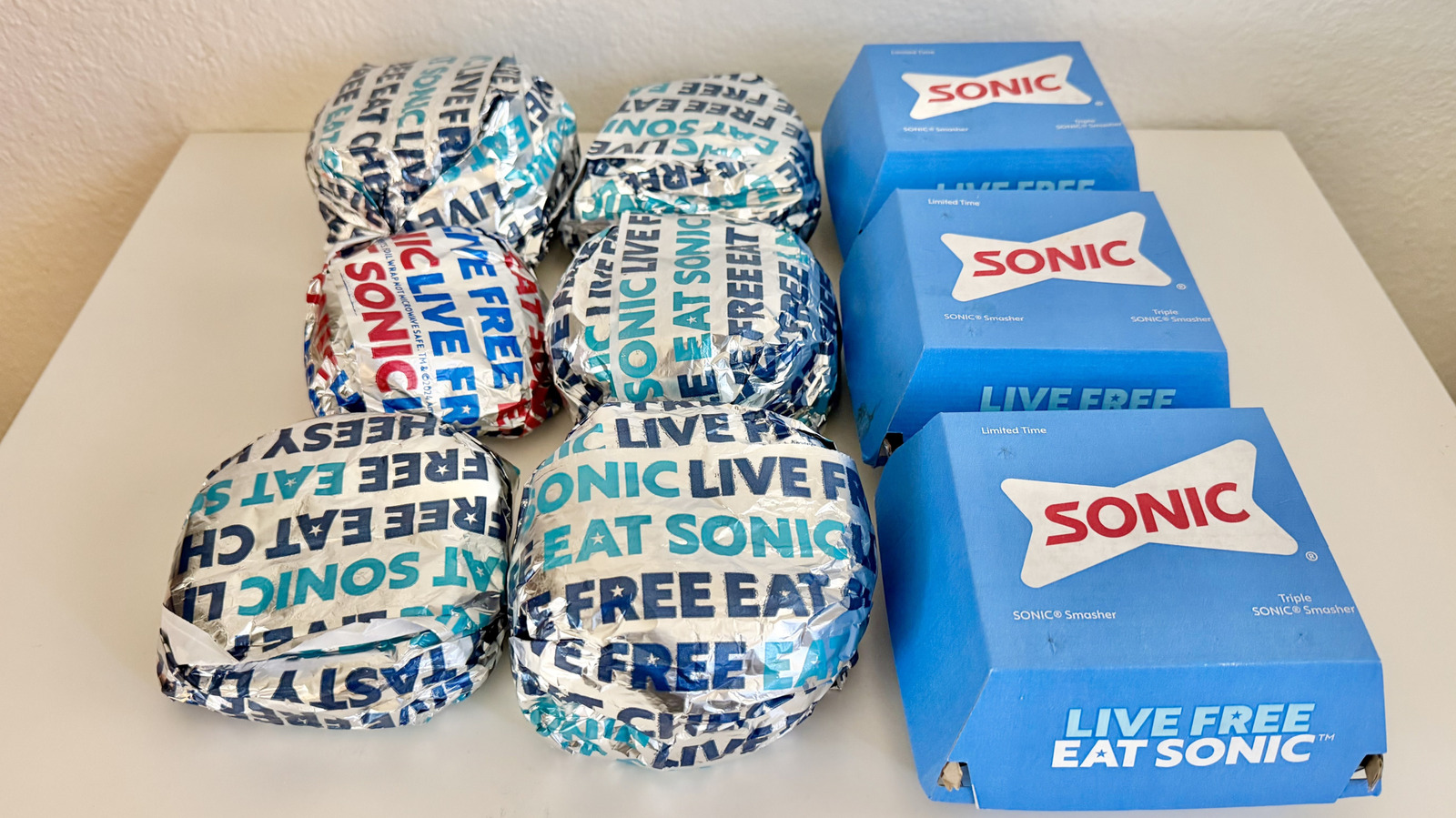
Evaluating the complete vertical of nine distinct Sonic burgers requires a systematic examination of flavor profiles, mouthfeel, bun construction, and structural integrity. Across the board, Sonic utilizes fundamental components including Angus beef patties, American cheese, and assorted standard produce. However, structural adaptations—ranging from classic thick patties to ultra-thin smashed formats and proprietary spreads—differentiate the offerings significantly.
The Plain Sonic Cheeseburger: Minimalism and Its Limitations
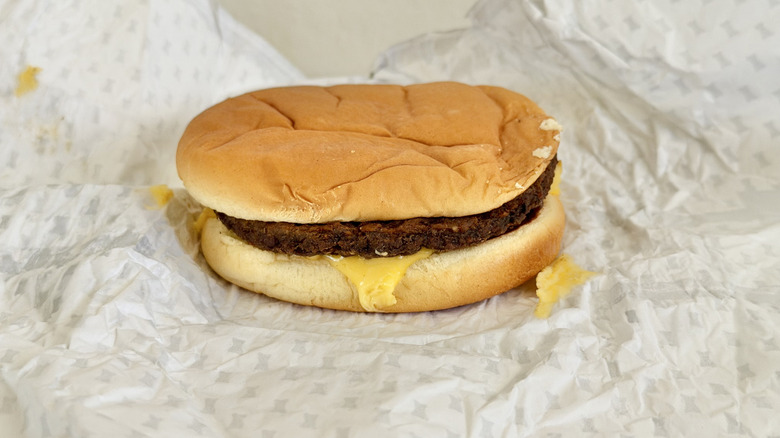
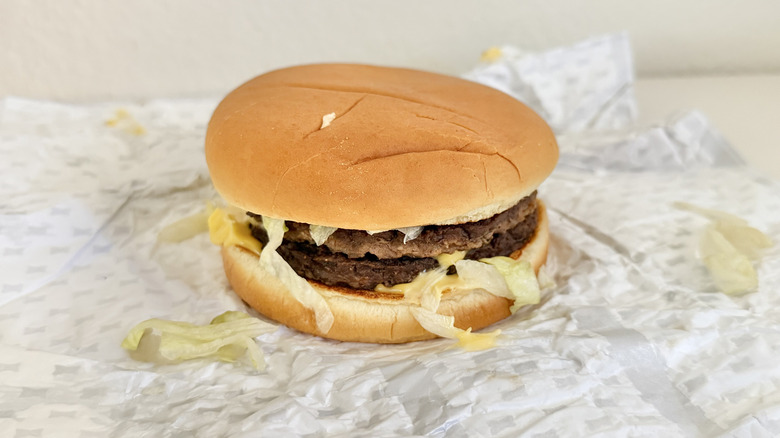
Sitting at the bottom of the evaluation is the Plain Sonic Cheeseburger. Comprising solely a bun, a single beef patty, and a slice of American cheese, this minimalist configuration strips away the mitigating factors of condiments and fresh produce. While the approach allows for an unmasked analysis of the core protein, it ultimately exposes the inherent limitations of the standard thick patty.
The dense, chewy nature of the standard beef patty contrasts with a soft, pillowy bun, but the American cheese functions primarily as a textural binder rather than a flavor contributor. Without toppings to introduce acidity, moisture, or contrasting crunch, the burger leans toward blandness. Although customizable through complimentary additions like ketchup, mustard, or onions, the base product remains the least complex item on the menu.
Mid-Tier Contenders: Balancing Portion and Profile
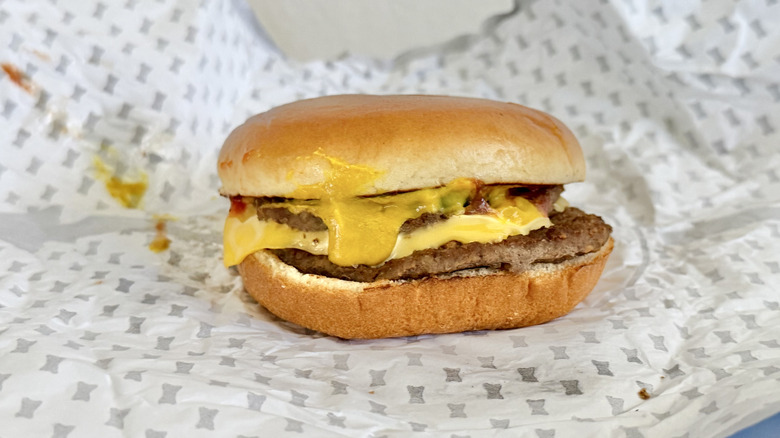
Moving upward through the rankings, the Junior Double Cheeseburger introduces a scaled-down format that reallocates the ratio of ingredients. Utilizing two smaller Junior patties paired with pickles, ketchup, and mustard, this offering successfully avoids the meat-heavy dominance of larger options. The inclusion of mustard provides a necessary acid note to cut through the fat of the dual beef layers, resulting in a profile reminiscent of classic nostalgic fast-food cheeseburgers.
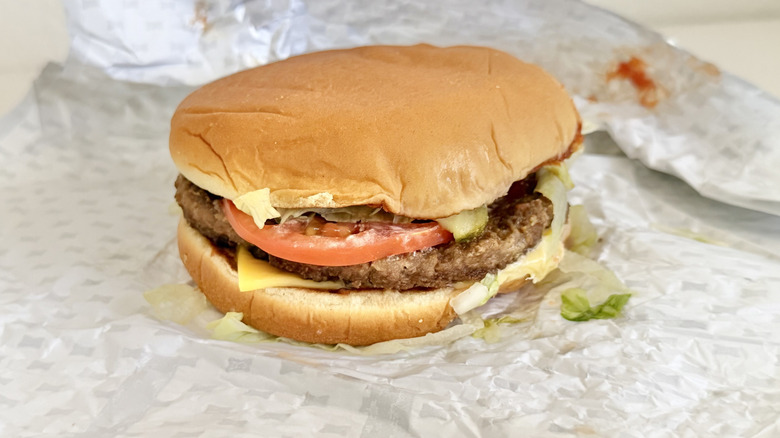
The standard Sonic Cheeseburger reintroduces traditional produce, featuring lettuce, tomato, pickles, and diced onions alongside the standard patty and cheese. Positioned slightly above the junior and plain iterations, this burger benefits from the structural stability of a toasted bun and the moisture of fresh vegetables. However, the placement of the cheese on the bottom and the distinct bite of raw onions create a lingering astringency that divides opinion among culinary critics.
Scaling Up: The SuperSONIC Lineup
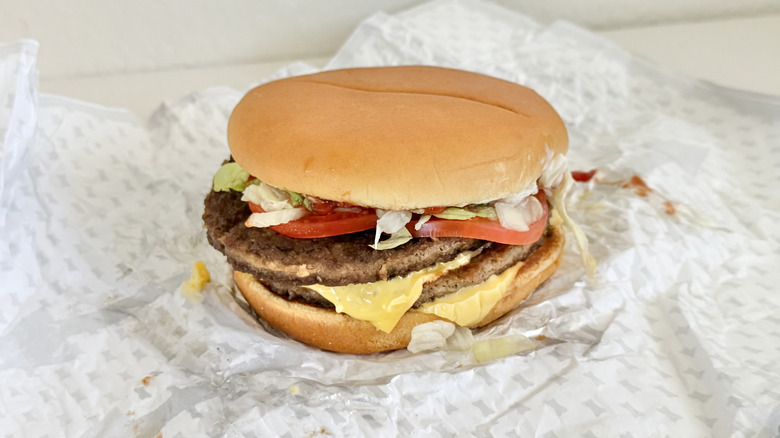
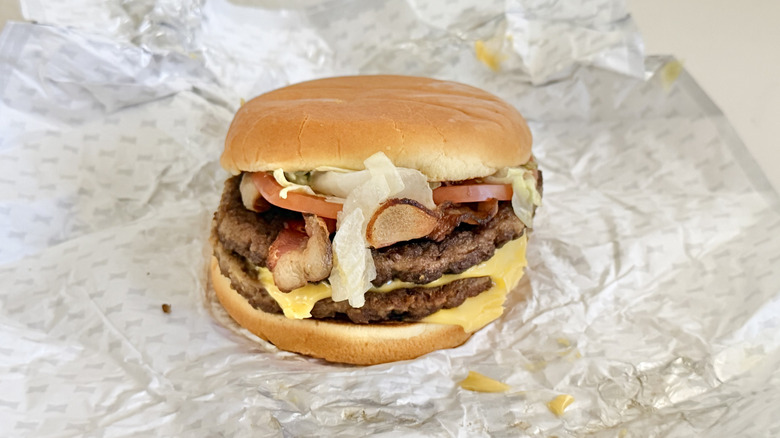
Sonic’s SuperSONIC category expands on the foundational cheeseburger framework by doubling down on protein and dairy. The SuperSONIC Double Cheeseburger doubles the meat and cheese volume of its single counterpart. Despite the substantial increase in mass, the inclusion of crisp lettuce and fresh tomatoes prevents the profile from becoming leaden. Industry observers frequently note this specific double cheeseburger as an underrated contender within the fast-food sector, largely due to the unexpected freshness of its produce relative to industry standards.
Building upon the SuperSONIC Double framework, the SuperSONIC Bacon Double Cheeseburger integrates bacon strips to introduce smoke, salt, and textural variety. The bacon strikes a balance between crispness and pliability, preventing the shards from splintering awkwardly while eating. This addition elevates the overall fat and umami profile, securing a mid-tier position.
Regional and Specialty Variations
Regional menu architecture often yields unexpected standout items, exemplified by the SuperSONIC Jalapeño Double Cheeseburger. Available through localized inventory streams, this variant incorporates pickled jalapeños into the double-patty format. The pickled peppers introduce a vinegar-driven acidity and vegetal heat that cuts through the rich dairy and beef. By distributing the chiles evenly across the upper layers, the burger achieves a complex flavor equilibrium that outranks several of the chain’s standard bacon offerings.
The Smash Burger Revolution: Modernizing the Menu
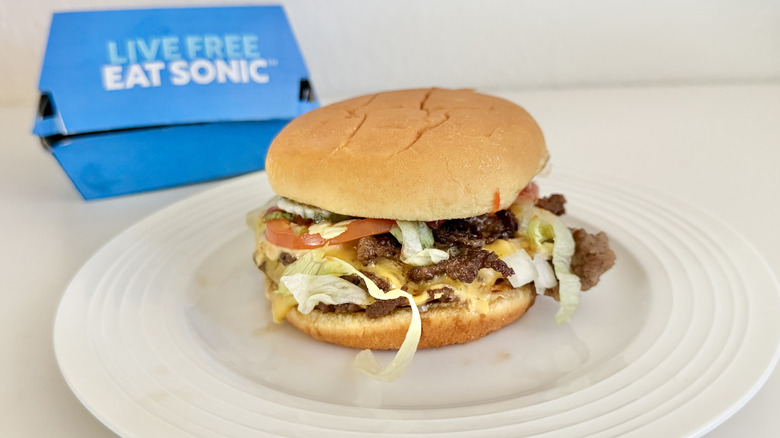
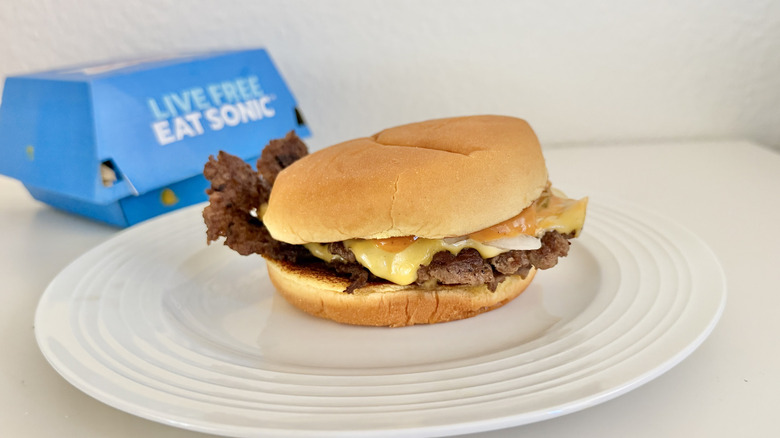
The upper echelon of the Sonic burger hierarchy is dominated by the brand’s modern smash burger platform, which marks a significant departure from traditional thick-patty formats. The All-American Sonic Smasher transitions away from standard beef disks in favor of two thin, flattened patties with caramelized, lacy edges. Served on a potato bun with ketchup, mayonnaise, and American cheese, the smash format provides a more delicate, easily manageable bite.
The structural modification of the beef yields a crisp exterior without the dense chewiness associated with standard Sonic patties. Industry analysts have noted the inclusion of smash burgers across major fast-food chains as a direct response to consumer demand for diner-style preparation methods at scale.
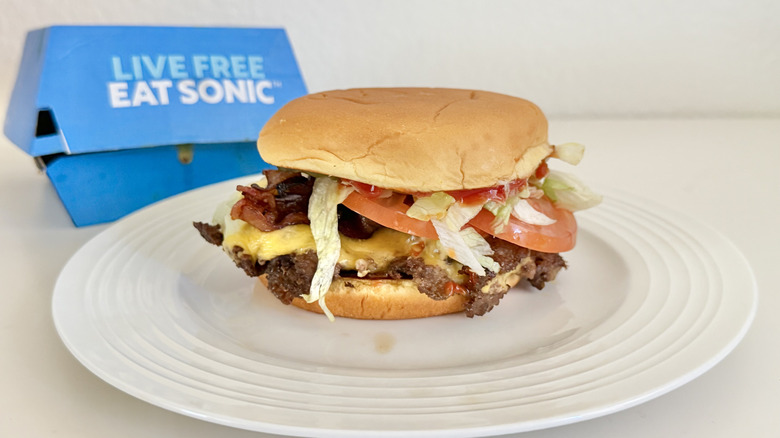
Adding bacon to this specific build creates the All-American Bacon Sonic Smasher, which secures the second-overall position. The combination of the pliable potato bun, thin-edged smash patties, savory bacon, and balanced condiments creates one of the most harmonious mouthfeels in the current fast-food landscape.
The Pinnacle: Original Sonic Smasher
Claiming the top spot in the comprehensive review is the Original Sonic Smasher. Eschewing complex vegetable medleys in favor of a targeted flavor profile, this burger features smashed patties, cheese, pickles, onions, and a proprietary Smasher sauce.
The Smasher sauce functions as the critical differentiator. Drawing functional and flavor comparisons to regional West Coast style spreads—characterized by a balance of tang, sweetness, and creamy viscosity—the sauce coats the palate and unifies the simpler produce elements. The absence of heavy lettuce and tomato allows the interaction between the rendered beef edges, the sharp bite of pickles and onions, and the sweet-tangy sauce to take center stage. The high volume of sauce and precise execution make it the most cohesive and satisfying item evaluated.
Methodology and Industry Implications
The evaluation of Sonic’s hamburger portfolio was conducted through a controlled, comparative tasting protocol. Individual items were procured via online ordering, transported under standardized conditions, and sampled systematically to assess flavor integration, textural contrast, and structural durability. Items sharing identical primary components with minor variations—such as triple-patty iterations—were excluded to prevent redundancy, focusing instead on structural modifications like sauces, smash techniques, and specialty toppings.
The findings underscore broader shifts in the fast-food industry. As consumer preferences pivot toward products that mimic regional diner quality—specifically through the adoption of smash-style beef preparation and complex proprietary sauces—legacy drive-in chains must adapt their culinary infrastructure. Sonic’s successful execution of the Smasher platform indicates that traditional fast-food establishments can successfully bridge the gap between historic nostalgia and modern culinary trends, securing competitive standing in an increasingly crowded market.