The Catalyst for Disruption
The movement began, according to Thomas’s public disclosures on platforms like Hacker News, as a direct reaction to frustration with the subscription-based economy. Specifically, he cited the “dark patterns” associated with software cancellation fees—a practice increasingly scrutinized by consumer protection agencies globally. For many users, the transition from perpetual licenses to the Creative Cloud subscription model has been a point of significant friction, leading to a growing demand for software that is not only free to use but also free from the constraints of vendor lock-in.
By leveraging AI tools to facilitate the labor-intensive process of reverse engineering, Thomas has effectively shortened the development lifecycle of complex desktop applications. The resulting projects, including the video-editing tool "Filmcraft," are released under permissive MIT and Apache licenses. This ensures that the code remains accessible, modifiable, and free from the restrictive licensing agreements typical of enterprise-grade creative software.
A New Era of Clean-Room Reverse Engineering
Reverse engineering, the process of analyzing a system to identify its components and interconnections to recreate its functionality, has long been a staple of the software industry. Historically, it required massive teams and years of development. However, the integration of generative AI has fundamentally altered the economics of this practice.
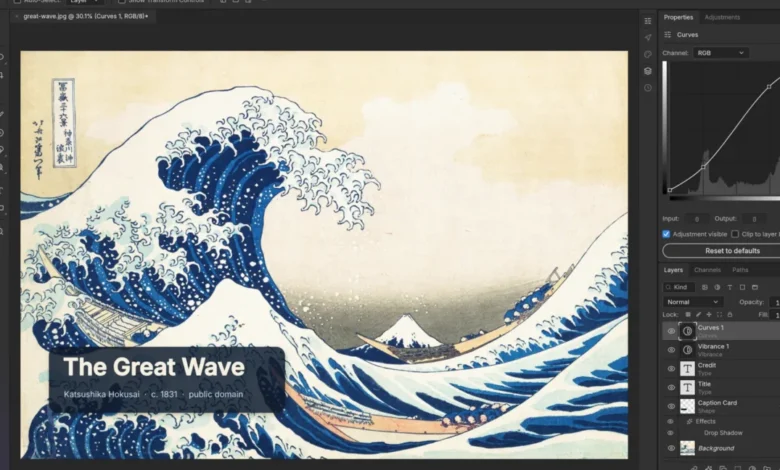
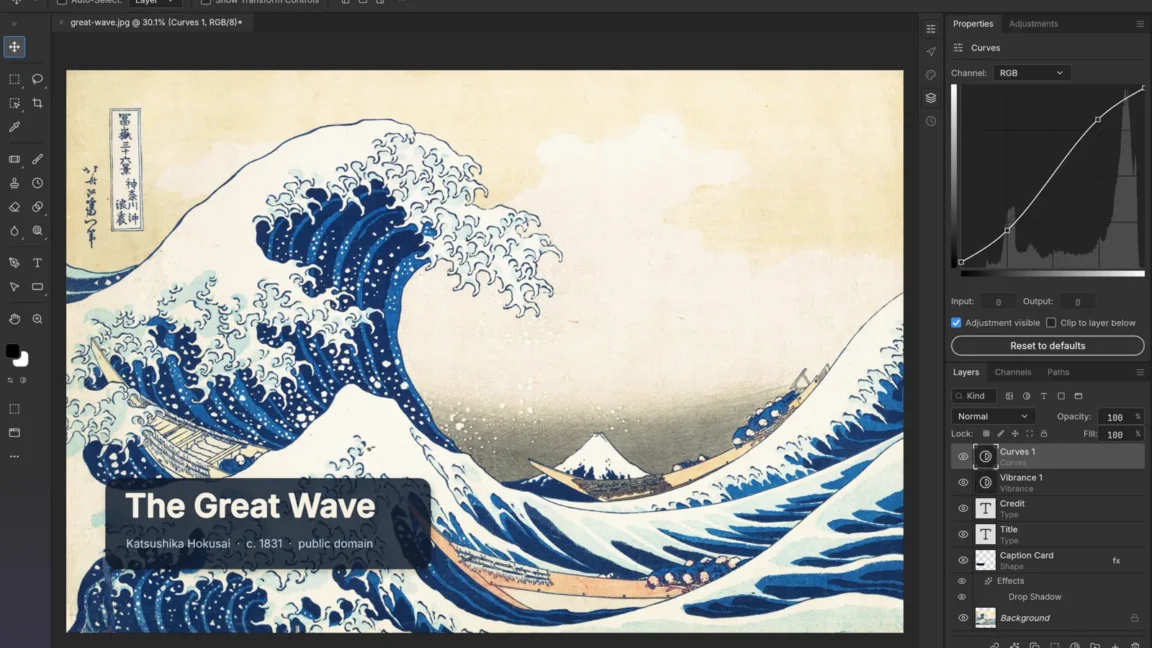
Thomas claims to have “one-shotted” complex applications like Photoshop by using AI to assist in the "clean-room" replication of features. In a clean-room design, one team documents the functional specifications of a program, while a separate team writes the code from scratch, ensuring that no proprietary code is copied. This method is the gold standard for avoiding copyright infringement. Because the resulting software is a new, independently written codebase that merely performs the same functions as the target software, it is generally considered legally permissible under the current interpretation of intellectual property law.
Financial Sustainability and the Artcraft Model
One of the most persistent criticisms of open-source projects is their tendency to become "orphaned"—abandoned by developers who lack the funding to maintain them. To circumvent this, Thomas has integrated a revenue-generation model directly into the open-source apps. Users of the software are offered optional, token-based access to "Artcraft," a pre-existing visual AI model and IDE.
This hybrid approach—where the core software is free and open-source, but specialized AI features are monetized—serves a dual purpose. It provides a steady stream of income to fund ongoing maintenance and development, and it allows the project to benefit from the existing infrastructure of a team already building software for the professional filmmaking industry. Thomas maintains that this financial backing ensures the project will not suffer the fate of many short-lived, community-driven initiatives.
The Legal and Ethical Gray Zones
Despite the legal legitimacy of clean-room reverse engineering, the project is not without risk. Legal experts point to the concept of "trade dress" as a potential vulnerability. Trade dress refers to the visual characteristics of a product—such as its interface, layout, and user experience—that signify its source to the consumer.
If an open-source clone mimics the interface of an Adobe product so closely that it creates consumer confusion or dilutes the brand identity of the original software, the developers could face litigation. While the code itself may be clean-room developed, the "look and feel" could be subject to claims of unfair competition or trademark infringement. Courts have historically struggled to draw a bright line between functional UI elements, which are necessary for user familiarity, and artistic expressions of a software’s design that are protected by copyright.
The Broader Implications of AI-Driven Development
Thomas’s assertion that "software is over" serves as a hyperbolic framing of a very real shift in the software development landscape. He argues that the barriers to entry for building complex, performant applications have collapsed. With AI, a small team can produce software that previously required hundreds of engineers.
If this trend holds, the implications for the tech industry are profound:
- De-enshittification: Thomas argues that the tech world has become increasingly cluttered with ads, surveillance, and restrictive paywalls. Open-source, AI-built alternatives could theoretically strip away these layers, returning the focus to pure functionality.
- Platform Sovereignty: By creating functional equivalents for essential tools, developers could enable a shift away from reliance on major tech conglomerates. Thomas envisions a future where open-source communities build their own infrastructure, search engines, and even hardware interfaces.
- Market Consolidation Challenges: For companies like Adobe, Microsoft, and Google, this movement represents a fundamental threat to their subscription-based business models. If users can switch to a free, high-performance alternative that is just as effective, the "sticky" nature of these ecosystems could quickly dissolve.
Historical Context: From Emulation to Automation
The quest to replicate proprietary software is not new. In the 1990s and 2000s, projects like Wine (for running Windows applications on Linux) and various gaming console emulators required thousands of hours of manual work by volunteers. The evolution from manual reverse engineering to AI-assisted development marks a transition from a hobbyist-driven endeavor to a potentially disruptive industrial force.
The primary difference today is speed. AI models are trained on vast datasets of documentation, APIs, and existing codebases, allowing them to suggest structural improvements and feature implementations that would have taken humans weeks to iterate. As these tools become more sophisticated, the "build vs. buy" calculation for software companies will shift, as the cost of replicating competitors’ features drops toward zero.
Industry and User Reaction
Reaction to the movement has been mixed. Within the developer community, there is significant excitement regarding the possibility of owning the tools of production. Platforms like Hacker News and Reddit have become hubs for discussions on how to sustain these projects and ensure their long-term viability.
However, corporate entities remain wary. The threat is not just to revenue, but to the ecosystem that these companies have built over decades. If professional users migrate to open-source alternatives, the value of certifications, training programs, and third-party plugins—all of which revolve around proprietary software—could be significantly diminished.
Analysis: Can Open Source Replace the Giant?
While the technological feasibility of creating clones is increasing, the challenge of adoption remains high. Enterprise software is not just about the code; it is about the ecosystem. Adobe, for example, offers deep integration with cloud services, hardware support, and a vast library of tutorials and assets. Replacing the code is only half the battle; replacing the workflow is the true test.
Furthermore, the longevity of these AI-built projects remains to be proven. While Thomas’s model of selling AI tokens offers a path to sustainability, it also ties the project to the success of that specific AI model. Should the market for that model shift, or should the AI landscape change, the software could find itself vulnerable.
Ultimately, the experiment led by Thomas represents a broader cultural shift in how we perceive software. We are moving away from an era where software is a proprietary service to which we subscribe, toward a potential future where software is a utility—an open, modular, and freely available foundation for digital creation. Whether this will lead to the "death" of traditional software companies or simply force them to innovate more rapidly remains the central question of this decade.
For now, the project stands as a testament to the power of modern tools to challenge the status quo. As AI continues to bridge the gap between complex proprietary systems and accessible, open-source alternatives, the dominance of the software subscription model may face its most significant challenge to date. The coming years will demonstrate whether these open-source tools can mature beyond "clones" into genuine, industry-leading platforms that fundamentally change the way we interact with the digital world.