Massive Pentagon Personnel Database Breach Exposes Sensitive Information of Over Three Million U.S. Military and Civilian Workers

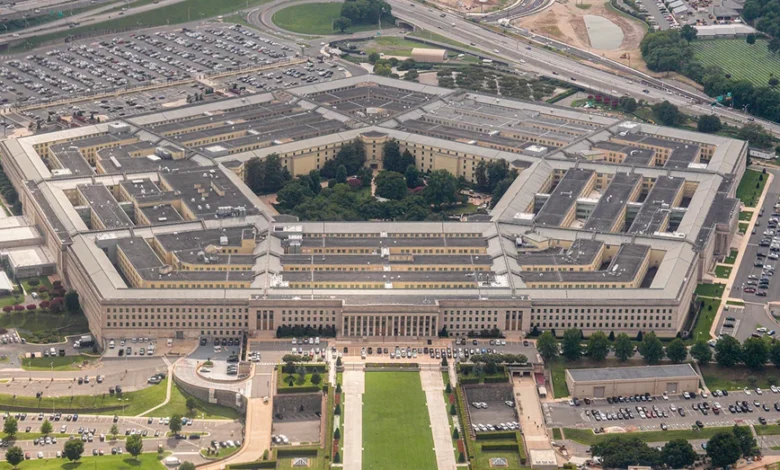
A significant cybersecurity incident has compromised the sensitive personal data of more than 3 million individuals associated with the United States Department of Defense, marking one of the most concerning disclosures of federal workforce information in recent years. A high-ranking Pentagon official has confirmed that a major personnel database breach successfully exposed unencrypted files containing deeply sensitive information, including Social Security numbers and detailed employment records, belonging to millions of active service members, civilian defense employees, and deceased individuals.
The security lapse, which went undetected for nearly a year, has sparked immediate concerns among cybersecurity experts, lawmakers, and affected personnel regarding the broader implications for national security, identity theft vulnerability, and the overall robustness of federal IT infrastructure. As federal agencies scramble to assess the full scope of the exposure, questions are mounting over how unencrypted files containing high-risk data could remain accessible to unauthorized users over an extended period.
Scope and Scale of the Data Exposure
According to official confirmations provided by the Department of Defense, the breach compromised the records of approximately 2.76 million living U.S. military personnel and civilian workers. In addition to active workforce members, the unauthorized access extended to the files of 294,000 deceased individuals, bringing the total number of affected records past the 3.05 million mark.
The compromised repository contained critical personally identifiable information (PII). Most notably, unauthorized users gained access to unencrypted files housing Social Security numbers alongside comprehensive military or civilian employment histories. The inclusion of unencrypted Social Security numbers drastically elevates the risk profile of the incident, as these numeric identifiers serve as the primary keys for identity verification in financial, medical, and governmental systems.
Despite the sheer volume of sensitive data exposed, the Pentagon has maintained that, up to this point in the ongoing investigation, there is no direct indication or evidence that the compromised information has been actively misused, weaponized, or disseminated for malicious purposes such as financial fraud or foreign espionage. However, cybersecurity analysts caution that the absence of immediate misuse does not eliminate long-term risks, as bulk PII dumps are frequently stockpiled by malicious actors or state-sponsored syndicates for future targeting operations.
Chronology of Events and Discovery
The timeline of the breach reveals a prolonged window of vulnerability that highlights systemic challenges in monitoring legacy federal database systems.
- October 2025: Unauthorized users first establish access to the vulnerable file-sharing system housing the unencrypted personnel records. This access point remains active and undetected throughout the autumn and winter months.
- Spring 2026: The unauthorized data extraction or viewing continues unchecked across the spring season, spanning multiple quarters without triggering internal automated security alerts within the database architecture.
- July 16, 2026: The Defense Manpower Data Center (DMDC)—the central operational arm responsible for gathering and maintaining personnel, manpower, and training data for the Department of Defense—formally discovers the vulnerability within the file-sharing system. Immediate technical mitigation steps are initiated to secure the portal.
- July through September 2026: Forensic investigators, in collaboration with federal cybersecurity specialists, conduct a comprehensive impact assessment to determine the exact number of individuals affected, the specific data fields accessed, and the duration of the compromise.
- September 18, 2026: The Department of Defense begins the formal notification process, reaching out directly to the millions of affected living and deceased personnel (or their designated estates) to inform them of the data exposure and offer guidance on protective measures.
The Defense Manpower Data Center’s Role and Oversight
The epicenter of this security failure, the Defense Manpower Data Center, plays a vital role within the defense enterprise. Serving as the premier source of personnel data for the Department of Defense, the DMDC maintains vast repositories of demographic, military service, financial, and medical information for active-duty members, reservists, retirees, civilian employees, and their dependents.
Because the DMDC acts as an institutional clearinghouse for millions of records, its systems are inherently high-value targets for both criminal syndicates and advanced persistent threat (APT) groups linked to foreign adversaries. The revelation that a file-sharing system linked to this infrastructure permitted unauthorized access to unencrypted PII has triggered urgent internal reviews regarding the agency’s data governance protocols, encryption standards, and access control lists (ACLs).
Official Responses and Mitigation Efforts
In the wake of the disclosure, defense officials have emphasized that the department is taking comprehensive steps to mitigate potential fallout. The compromised file-sharing system was isolated and patched immediately following its discovery in mid-July. Furthermore, interagency coordination was swiftly established to ensure that appropriate federal oversight bodies were briefed on the incident.
Affected individuals who received notifications on or around September 18 have been provided with standard federal advisories regarding credit monitoring, fraud alerts, and identity theft protection services. Given the inclusion of Social Security numbers, security experts strongly recommend that all impacted individuals freeze their credit reports with major bureaus—Equifax, Experian, and TransUnion—to prevent unauthorized financial accounts from being opened in their names.
While the Pentagon has been transparent regarding the statistical breakdown of the breach, specific details concerning the exact vector of the unauthorized access—such as whether the incident stemmed from compromised credential use, a zero-day software vulnerability, or a misconfigured cloud storage bucket—have not been publicly disclosed, ostensibly to protect ongoing law enforcement and counterintelligence investigations.
Broader Implications for Federal Cybersecurity
The Pentagon database breach arrives at a time of heightened anxiety surrounding the resilience of U.S. government IT infrastructure. Federal agencies have increasingly migrated sensitive data to hybrid cloud and distributed file-sharing environments to streamline operations and enhance remote accessibility for a sprawling workforce. However, this architectural shift frequently outpaces the implementation of rigorous zero-trust frameworks and end-to-end encryption protocols.
Cybersecurity experts point out that storing sensitive PII in unencrypted formats violates baseline federal data protection standards, which mandate robust cryptographic controls for data at rest, particularly when handling records as critical as those belonging to national security personnel.
The exposure of military and civilian employment records alongside Social Security numbers creates unique national security vulnerabilities. Foreign intelligence services frequently aggregate fragmented data sources to construct detailed dossiers on U.S. government personnel. Armed with precise employment histories and unique national identification numbers, hostile actors can execute highly targeted spear-phishing campaigns, craft sophisticated social engineering attacks, or attempt to compromise individuals possessing security clearances through blackmail or coercion.
Furthermore, the inclusion of nearly 300,000 deceased records highlights the persistent administrative challenge of securing legacy archives. Deceased personnel data is frequently exploited by identity thieves to perpetrate "ghosting" scams—where fraudsters open credit lines or file fraudulent tax returns using the Social Security numbers of individuals who are no longer alive to monitor their credit profiles.
Outlook and Future Congressional Oversight
As the Department of Defense continues its forensic audit of the breached repository, the incident is widely expected to trigger rigorous congressional scrutiny. Lawmakers from both chambers, particularly members of the House Armed Services Committee and the Senate Armed Services Committee, are anticipated to demand detailed briefings from defense leadership regarding cybersecurity hygiene across military personnel databases.
Questions will undoubtedly focus on why encryption protocols were absent from the compromised files, why the unauthorized access persisted for nearly ten months without internal detection, and what structural reforms the Pentagon plans to implement to ensure that the DMDC and similar repositories are safeguarded against future incursions.
For the millions of affected service members, civilian employees, and their families, the incident serves as a sobering reminder of the persistent digital vulnerabilities facing those who serve the nation. As this developing story continues to unfold, federal agencies, cybersecurity watchdogs, and affected individuals remain on high alert for any downstream consequences stemming from one of the most extensive personnel data exposures in recent military history.