Holafly Launches Ongoing Global eSIM Subscription Service to Challenge Traditional Telecom Roaming Charges

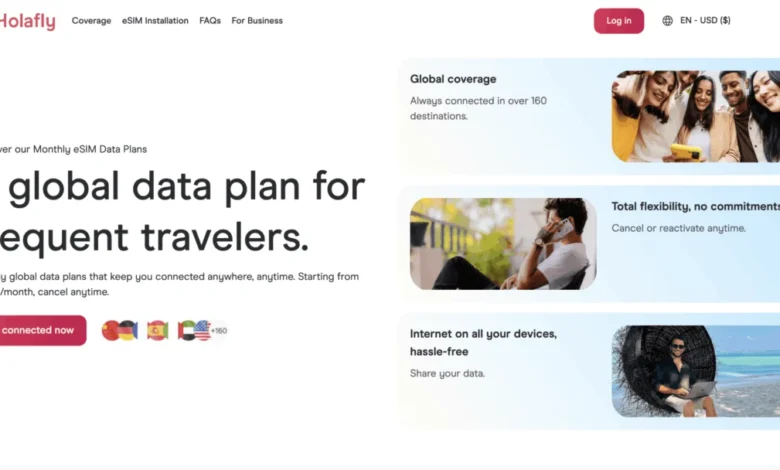
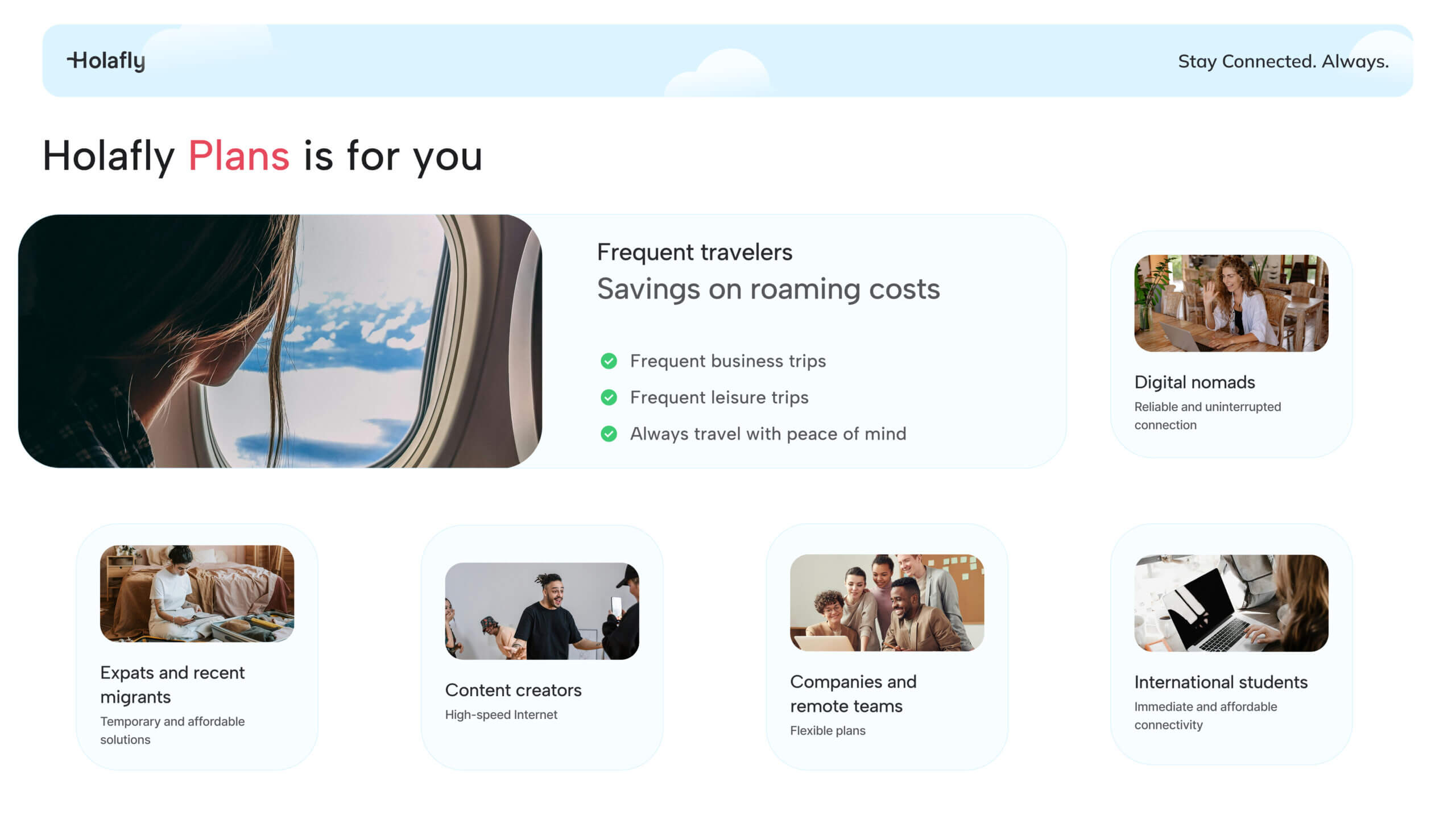
The global telecommunications and travel technology landscape is experiencing a significant shift with the introduction of continuous, subscription-based data services designed specifically for international travelers and digital nomads. Travel technology provider Holafly has officially launched "Holafly Plans," a new product category that moves away from the traditional model of single-destination, short-term digital SIM cards. Designed to function as a seamless ongoing subscription across more than 160 destinations, the service represents an effort to bridge the gap between expensive domestic carrier international roaming packages and the fragmented market of local tourist SIMs.
The Evolution of Mobile Connectivity for International Travelers
For decades, staying connected while crossing international borders involved a cumbersome logistical process. Travelers routinely relied on exorbitant roaming packages from domestic providers—often costing upwards of $10 to $15 per day—or navigated foreign airports upon arrival to purchase physical local SIM cards. The advent of embedded SIM (eSIM) technology altered this landscape significantly over the past several years by digitizing the hardware component. Instead of physically swapping plastic cards, users could download profile configurations via software, activating local networks remotely through QR codes or dedicated mobile applications.
While standard eSIMs revolutionized short-term travel by offering affordable localized data packages, they introduced a new friction point for long-term travelers, frequent fliers, and digital nomads. Individuals constantly moving across multiple countries found themselves repeatedly purchasing, downloading, and configuring new digital profiles for every itinerary change. Recognizing this operational inefficiency, Holafly developed its new tiered subscription framework to maintain persistent connectivity across borders without manual re-provisioning.
Product Architecture and Service Tiers

Holafly Plans operates on a single global profile installed once on a compatible smartphone, tablet, or connected device. Upon arrival in any of the more than 160 supported countries and territories, the subscription automatically interfaces with local partner networks to re-establish data transmission without user intervention.
The service is structured around two distinct operational tiers tailored to varying consumption habits, both available on monthly, quarterly, or annual billing cycles:
-
Unlimited Plan: Targeted at heavy data users, remote professionals, and digital nomads, this tier features unthrottled data allowances alongside unconstrained mobile hotspot capabilities. Subscribers can tether laptops and secondary devices without encountering artificial bandwidth caps. Additionally, this tier incorporates a functional local phone number originating from the United States, United Kingdom, or Canada, enabling the reception of SMS verification codes and text messages—a critical requirement for international banking and professional communications.
-
Light Plan: Designed for moderate users who primarily rely on navigation tools, messaging applications, and casual web browsing, this tier provides a fixed allowance of 25 gigabytes of high-speed data per month. Like its counterpart, it includes mobile hotspot functionality and maintains coverage across the complete network of 160-plus international destinations.
Both tiers include Holafly’s proprietary "Always On" feature, which automatically allocates one gigabyte of backup data monthly across more than 150 destinations, persisting even if the primary subscription is eventually canceled. Pricing structures scale based on commitment duration, with quarterly and annual subscriptions offering percentage-based discounts compared to month-to-month billing.
Comparative Market Analysis and Financial Implications
The introduction of continuous international data subscriptions places direct competitive pressure on traditional mobile network operators (MNOs) and legacy roaming structures. Historically, major telecommunications providers in North America and Europe have maintained high profit margins on international roaming add-ons. Standard industry offerings frequently cap high-speed data allotments before throttling connection speeds to unusable levels, with monthly expenditures easily exceeding $100 to $300 depending on travel frequency.
By comparison, standardized global eSIM subscriptions lower the marginal cost of cross-border data transmission. Independent market evaluations indicate that a comprehensive unlimited international plan priced around $55 to $65 per month undercuts major carrier roaming passes by roughly 40 to 60 percent. Furthermore, compared to purchasing individual regional eSIMs for sequential trips—which typically average $30 to $50 per country per month—an ongoing global subscription eliminates cumulative transaction costs for individuals traveling through three or more jurisdictions within a 30-day window.
However, industry analysts note that subscription models are not universally optimal. For consumers undertaking isolated, single-destination vacations lasting under two weeks, traditional localized eSIMs remain the most cost-effective and straightforward option. The subscription model is economically viable primarily for high-frequency travelers whose cross-border movement justifies a recurring monthly utility expense.
Implementation, Accessibility, and Technical Support
Integration of the global subscription requires device compatibility with modern eSIM architecture, which is standard across most flagship smartphones manufactured within the last five years. Activation occurs through the provider’s centralized mobile application or via secure digital delivery channels, reducing setup times to minutes.
To mitigate potential technical disruptions—such as localized network outages or provisioning errors at border crossings—the service incorporates 24/7 technical support infrastructure staffed by human operators rather than automated routing systems. Furthermore, the company has implemented consumer-friendly contract terms, offering a structured refund policy alongside zero long-term cancellation penalties, allowing subscribers to modify or terminate their service agreements in alignment with changing travel schedules.
Broader Industry Impact on the Digital Nomad Economy
The launch of persistent global data subscriptions reflects the ongoing maturation of the remote work ecosystem. As international remote work policies expand and the global digital nomad population continues to grow, telecommunications infrastructure is rapidly adapting to support a borderless workforce. Products that consolidate multi-country billing, secure tethering, and SMS authentication into a single software-defined subscription highlight a broader industry trend: the decoupling of telecommunications services from physical geographic boundaries.
As adoption of embedded SIM technology approaches saturation in consumer electronics, market competition is expected to shift away from basic hardware compatibility toward software-driven service bundling. Innovations in automated network handshakes and multi-carrier agreements will likely dictate market leadership, as travelers increasingly demand the same reliability and transparency from international data providers that they expect from domestic utility services.