The tradition of the honeymoon, historically a period of seclusion for newlyweds to solidify their marital bond, has undergone a significant transformation in the 21st century. While the term traces its etymology to the medieval practice of drinking honey-mead for a lunar cycle following a wedding, contemporary honeymooning has evolved into a multi-faceted industry that reflects modern socio-economic shifts, changing travel patterns, and the increasing prioritization of personalized experiences over traditional, pre-packaged luxury vacations.
The Modern Landscape of Post-Wedding Travel
Recent consumer data indicates that couples are moving away from the conventional "all-inclusive" resort model in favor of experiential travel. According to industry analysts, nearly 65% of modern honeymooners now prioritize destination authenticity—seeking out local culinary experiences, cultural immersion, and non-traditional accommodations—over the traditional high-end luxury retreat. This shift is driven largely by the millennial and Gen Z demographics, who often seek to integrate their personal hobbies, such as cinema, outdoor adventure, or cross-country exploration, into their post-wedding journeys.
The economic implications of this trend are profound. While the global honeymoon market was valued at approximately $17 billion in 2023, the diversification of travel types—ranging from "mini-moons" (short, local trips taken immediately after the wedding) to "adventure moons" (backpacking or expedition-style trips)—has allowed for a wider range of spending habits. Whether it is a luxury safari in Kenya or a cross-country relocation journey, the emphasis has shifted from the prestige of the location to the depth of the shared experience.
A Chronology of Honeymoon Trends
The evolution of the honeymoon can be categorized into three distinct eras:
- The Traditional Era (Pre-2000s): Characterized by high-end, static luxury. The focus was on relaxation, privacy, and standardized service in tropical or European settings.
- The Digital Integration Era (2000s–2015): The rise of travel blogs and social media influenced couples to seek "Instagrammable" locations. The focus shifted toward unique, visually striking destinations such as Giraffe Manor in Kenya or specific film festival locations.
- The Experiential and Personalized Era (2016–Present): Driven by the desire for authentic connection, couples are increasingly opting for "slow travel." This includes returning to familiar locations to avoid the stress of navigating new cultures, or choosing itineraries that focus on shared passions, such as film festivals or culinary tours.
Case Studies in Contemporary Honeymooning
To understand the diversity of current preferences, one must look at individual traveler narratives, which reflect broader sociological shifts.
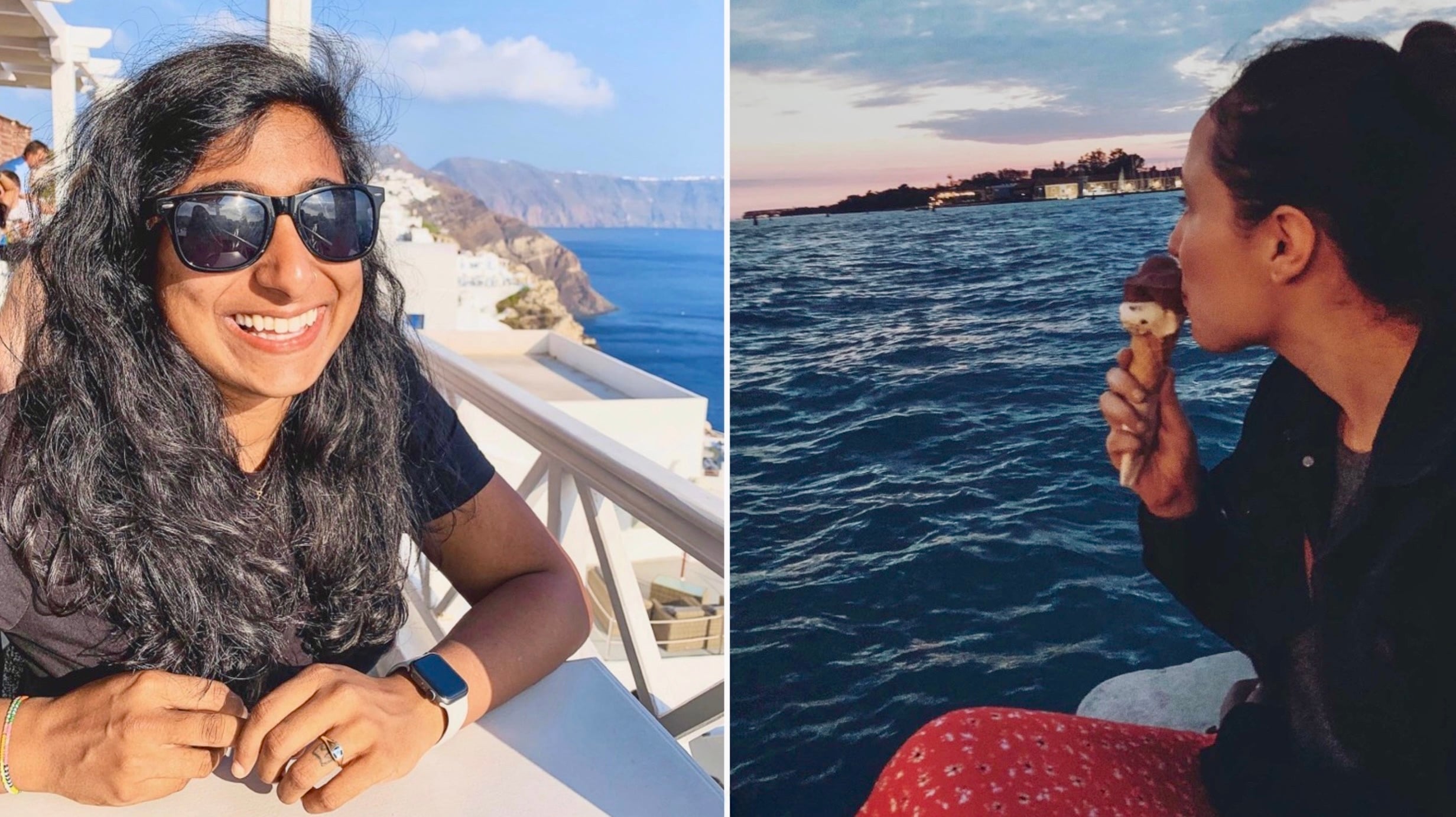
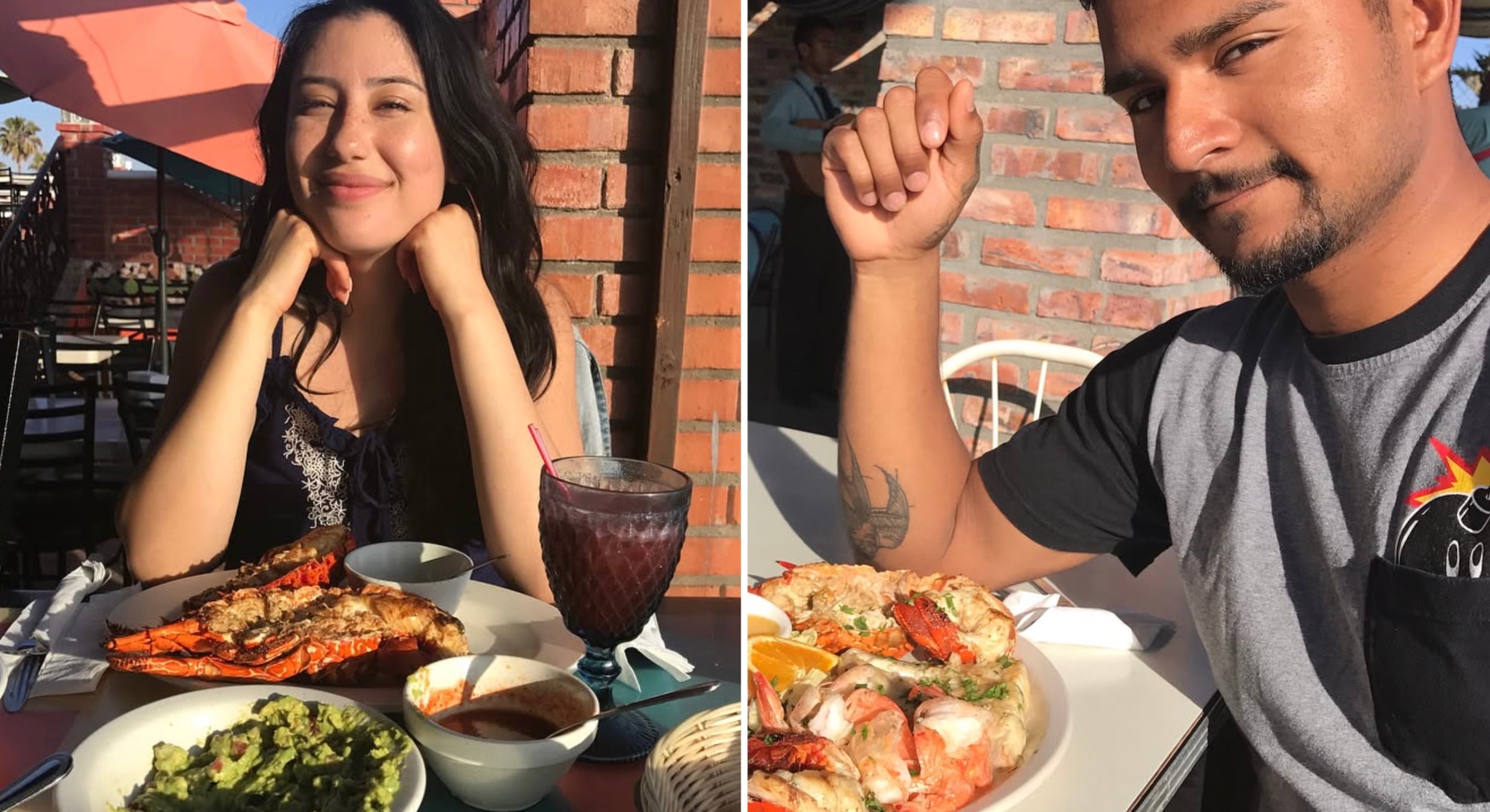
For many, the post-wedding trip serves as a mechanism to decompress from the logistical and emotional intensity of wedding planning. For instance, travelers opting for Mediterranean cruises often cite the need for structured downtime. Data suggests that the cruise industry has seen a 12% increase in honeymoon bookings among couples seeking a balance between high-activity exploration and low-stress logistics.
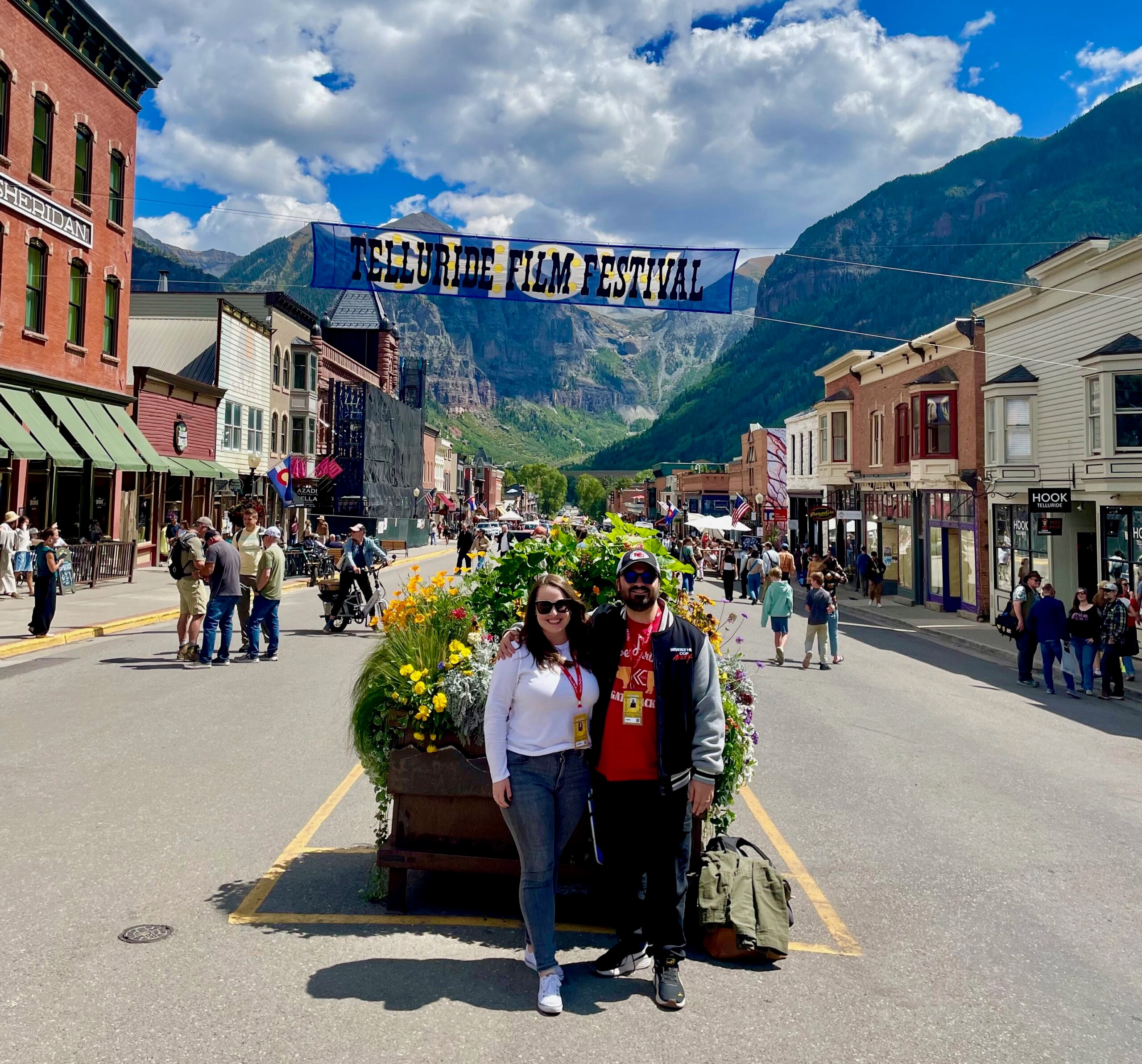
Conversely, the rise of "lifestyle-aligned" travel is evident in the popularity of specialized events. Couples visiting locations like Telluride for film festivals represent a growing segment of the market that prioritizes intellectual and cultural engagement. This "passion-first" approach to travel allows couples to integrate their personal interests into their milestone celebration, thereby fostering a stronger foundation for their shared future.
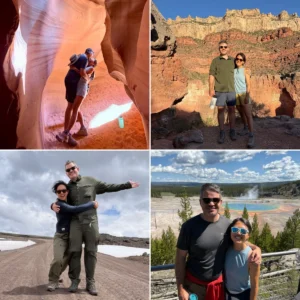
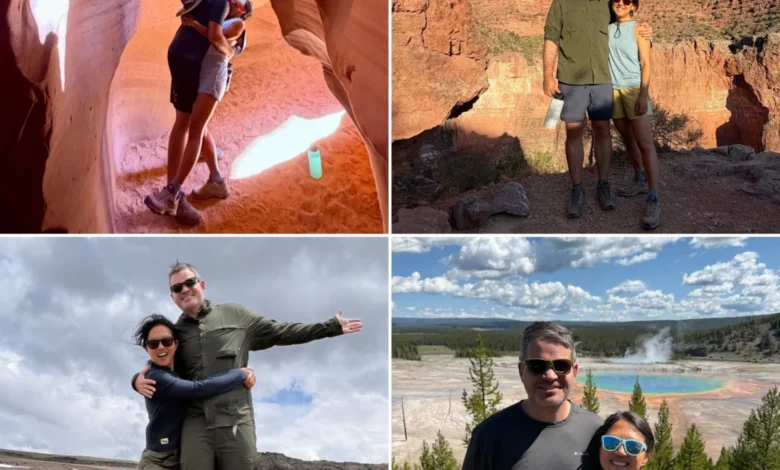
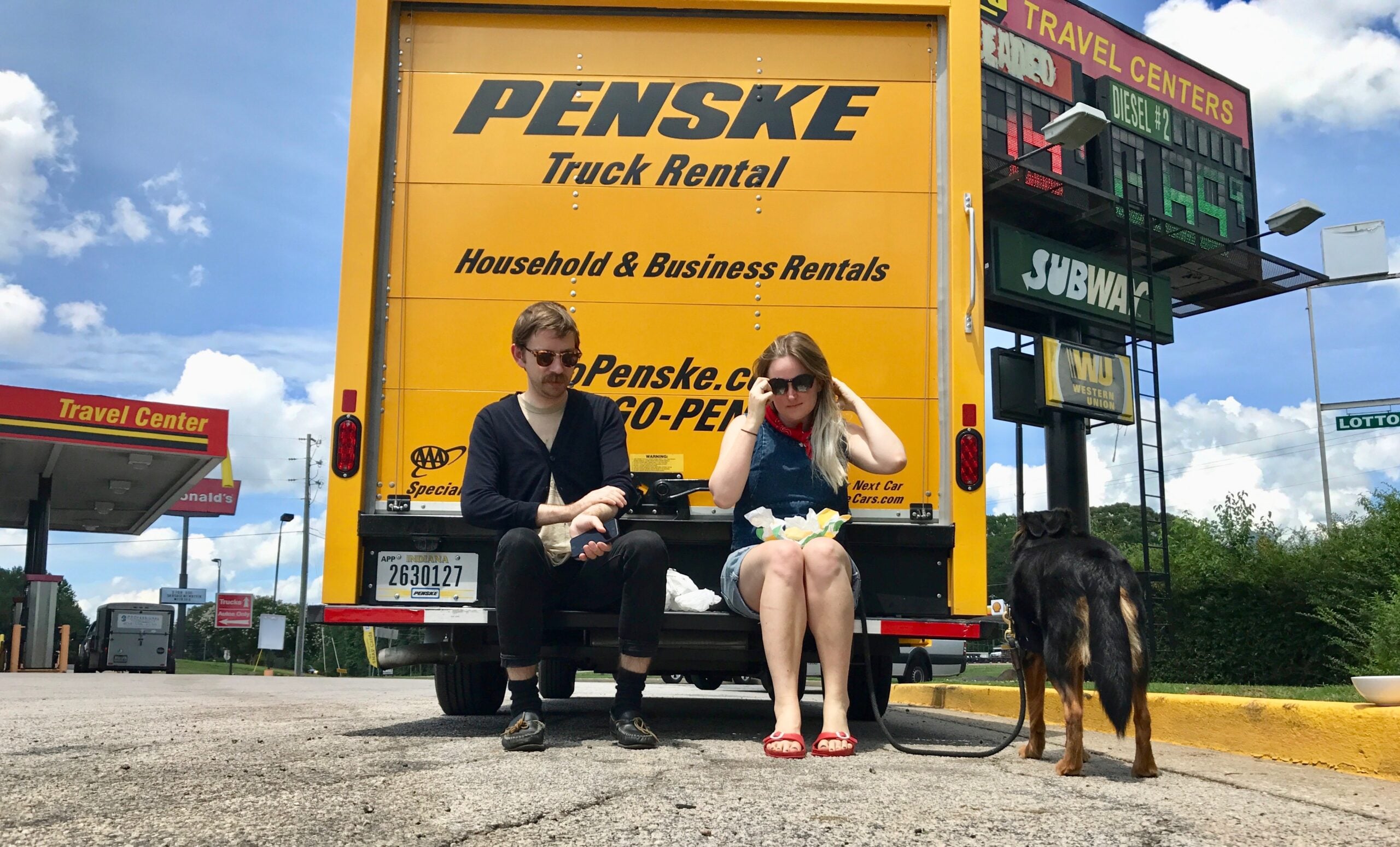
Furthermore, the "mini-moon" or "relocation-moon" has gained traction among couples who view their honeymoon as a functional transition. The trend of turning a cross-country move into a multi-stop road trip across the United States highlights a pragmatic approach to life-stage transitions. By visiting national parks and regional landmarks, these couples replace the isolation of a resort with the shared challenge of discovery, which psychologists suggest can strengthen resilience in early-stage marriages.
Psychological and Sociological Implications
The psychological benefits of a honeymoon, whether traditional or experiential, are well-documented in marital literature. Experts suggest that the act of "leaving home" provides a physical and mental space for couples to redefine their relationship dynamics outside the influence of family and social expectations.
A notable development in recent years is the inclusion of children in the honeymoon itinerary. While once considered a social taboo, the "family-moon" has become a viable option for couples who wed after the arrival of children. This reflects a broader societal shift toward acknowledging the complexities of modern family structures and the importance of shared experiences that include all family members.
Economic and Strategic Factors
The decision-making process for modern honeymooners is influenced by several critical factors:
- Financial Allocation: Many couples are now opting for smaller, more intimate weddings to allocate more budget toward extended travel.
- Logistical Complexity: The post-pandemic travel environment has made couples more risk-averse, leading to a preference for locations where they have pre-existing comfort or familiarity.
- Environmental Considerations: A growing segment of the market is prioritizing sustainable tourism, choosing destinations that emphasize conservation or low-impact travel, such as camping in national forests or visiting locally-owned eco-lodges.
Official Industry Outlook
Travel industry spokespeople note that the honeymoon sector is remarkably resilient, even during economic downturns. "The honeymoon is one of the few discretionary spends that couples are hesitant to cut," states one industry analyst. "It is viewed as the inaugural act of a new life chapter, and the demand for personalized, meaningful travel remains robust."
Looking toward the future, the industry expects a continued focus on technology-free experiences. Despite the digital age, many couples are seeking "off-the-grid" honeymoons, where the absence of connectivity is treated as a luxury. This return to simplicity—even when coupled with modern conveniences—highlights a universal desire for genuine, uninterrupted time together.
Conclusion
The honeymoon is no longer a monolith. It is a reflection of the individual values, economic realities, and lifestyle choices of the modern couple. From the serene landscapes of the Cotswolds to the rugged terrain of the American West, the essence of the honeymoon has moved beyond the destination itself to the shared memory-making that serves as a cornerstone for long-term marital health. As travel continues to evolve, the honeymoon will likely remain a vital, albeit constantly changing, tradition in the cycle of marriage.