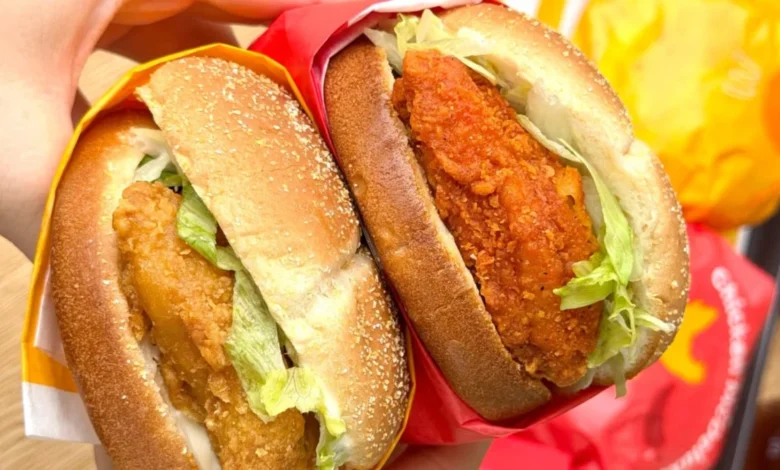
Fast-food culture has long thrived on customer-driven innovation, where patrons manipulate standard menu items to create bespoke culinary experiences. Among the most popular platforms for these digital-age kitchen experiments are McDonald’s flagship poultry offerings: the classic McChicken and the premium McCrispy. While corporate menu development teams spend months, and sometimes years, formulating new permanent additions or limited-time promotional items, everyday consumers frequently bypass official channels by cross-utilizing existing condiments. The latest viral sensation making waves across social media platforms involves a simple yet transformative modification to standard McDonald’s chicken sandwiches by fusing Tangy BBQ Sauce with individual honey packets to replicate a classic Southern-style honey barbecue profile.
The Anatomy of McDonald’s Chicken Lineup
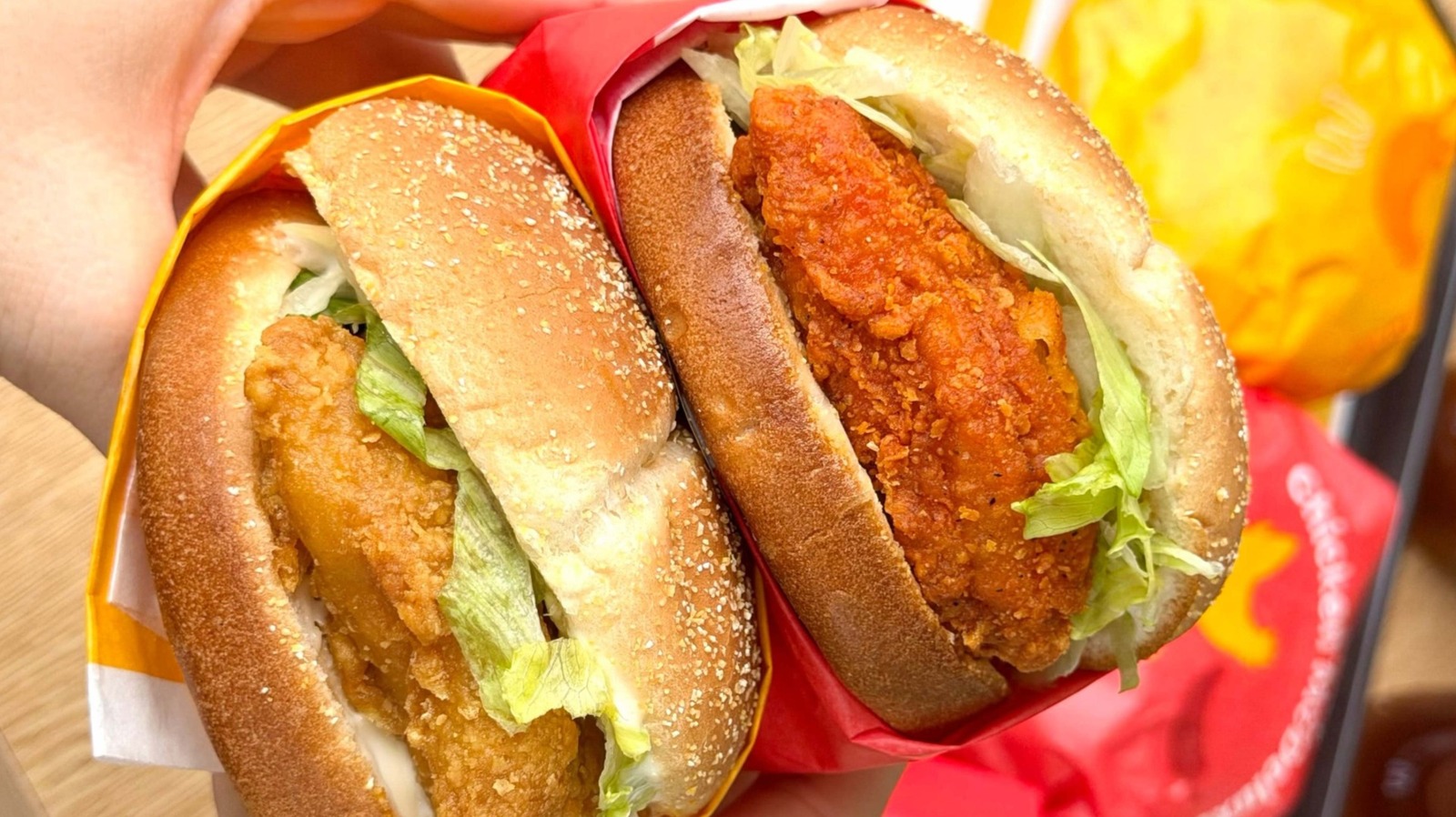
To understand the mechanics of this culinary hack, one must examine the foundation upon which it is built. McDonald’s offers distinct flavor profiles for its primary chicken sandwiches. The classic McChicken, a budget-friendly staple introduced decades ago, features a finely minced chicken patty served on a simple bun with shredded iceberg lettuce and mayonnaise. Conversely, the newer McCrispy line—which replaced the previous Buttertermilk Crispy Chicken—features a whole-muscle white meat chicken fillet that is fried to a golden crunch, accompanied strictly by crinkle-cut pickles and a buttered, toasted potato roll, entirely omitting any spreadable sauce.
This deliberate lack of a heavy condiment on the McCrispy leaves a blank canvas for diners seeking to customize their meal. While standard condiments such as ketchup, mustard, mayonnaise, and tartar sauce are readily available upon request, they do not offer the complex, sweet-and-savory flavor profile that defines regional American barbecue. By looking beyond the standard condiment dispenser and turning toward the dipping sauces provided for Chicken McNuggets and Selects, customers have unlocked an entirely new dimension of flavor customization.
The Mechanics and Method of the Viral Honey BBQ Hack
The procedure itself is straightforward, gaining immense traction on platforms like TikTok and Instagram where short-form video creators demonstrate fast-food modifications. The technique requires a container of McDonald’s Tangy BBQ Sauce and a separate packet of pure liquid honey. When emptied together and thoroughly blended, these two ingredients create a viscous, amber glaze that closely mimics commercial honey barbecue sauces found on grocery store shelves and at traditional smokehouses.
Culinary physics plays a critical role in why this combination works particularly well on fried chicken sandwiches. Commercial barbecue sauces, including McDonald’s standard Tangy variety, are often tomato- and vinegar-based, possessing a relatively thin consistency that can easily slide off crispy, breaded surfaces. The addition of honey introduces natural sugars and viscous proteins that thicken the mixture significantly. This increased viscosity allows the sauce to cling tightly to the rough, jagged textures of the fried chicken coating, ensuring that every bite delivers an even distribution of flavor.
However, executing this hack requires a certain degree of finesse, particularly when applied to a fully assembled sandwich. Unlike nuggets or chicken strips—which can be placed directly into a paper bag or dipping container, doused with the dual sauces, and violently shaken to achieve an even coat—a sandwich demands manual application. Culinary enthusiasts recommend gently separating the top bun from the chicken patty, pouring the pre-mixed honey and BBQ sauce directly onto the meat, and utilizing a makeshift tool, such as the thin aluminum foil lid from the sauce container, to evenly spread the glaze across the entire surface area of the fillet.
Balancing Sweetness, Acidity, and Spice
While the resulting flavor profile is overwhelmingly popular for its nostalgic, comforting sweetness, culinary experts note that balance is paramount. McDonald’s Tangy BBQ Sauce features high-fructose corn syrup as its primary ingredient, meaning it already possesses a high baseline sweetness. Introducing pure honey into the equation can rapidly tip the scale toward cloying sweetness if proportions are not carefully managed.
To counteract an overly sugary profile, culinary purists suggest keeping an extra reserve of plain Tangy BBQ Sauce on hand. By incorporating additional barbecue sauce—which contributes acidity from vinegar and subtle umami notes from molasses and smoke flavorings—diners can temper the sweetness and restore a well-rounded savory profile. Conversely, consumers seeking a more aggressive flavor profile have begun substituting standard honey with McDonald’s intermittent offerings of Hot Honey Sauce. This variation introduces capsaicin-driven heat, transforming the mild sweet barbecue profile into a complex sweet-and-spicy experience that rivals specialized sauces found at fast-casual competitors like Popeyes or Chick-fil-A.
The Broader Context of Regional Barbecue and Honey BBQ History
The appeal of honey barbecue as a flavor profile is rooted in deep culinary traditions, though its specific iteration has evolved considerably over the last half-century. While American barbecue is traditionally defined by rigid regional styles—such as the tomato- and molasses-heavy profiles of Kansas City, the vinegar- and pepper-based sauces of North Carolina, or the mustard-heavy "Carolina Gold" of South Carolina—honey-infused variations have steadily carved out a permanent space in the American palate.
Historically, commercial honey barbecue sauces began appearing on supermarket shelves in the late 20th century, popularized by major condiment manufacturers like Kraft, Sweet Baby Ray’s, and regional restaurant chains. These sauces bridge the gap between heavy smoke and approachable sweetness, making them universally appealing to demographics that might find traditional vinegar- or pepper-forward sauces too harsh.
Interestingly, McDonald’s corporation is no stranger to the honey barbecue concept, even if the deployment of such products varies widely by international market. While U.S. consumers are restricted to choosing between Tangy BBQ and occasional limited-edition releases, international divisions have frequently embraced the flavor natively. In Canada, for instance, Honey BBQ has stood as a permanent, cataloged dipping sauce option since at least 2022. The formulation differences between McDonald’s Canadian Honey BBQ and its American Tangy counterpart highlight the corporate nuances of regional menu engineering: whereas the U.S. Tangy variant relies heavily on corn syrup and artificial smoke, true honey barbecue profiles prioritize honey, cane sugar, and blackstrap molasses as foundational sweetening agents.
Implications for Fast-Food Innovation and Consumer Culture
The widespread adoption of the honey-and-barbecue sandwich hack underscores a broader shift in the dynamics between fast-food giants and their consumer base. In an era dominated by social media algorithms, digital-first menu modifications have become a powerful, zero-cost marketing engine for major restaurant brands. When consumers engineer their own menu items using existing stock, it generates organic engagement, drives foot traffic, and provides corporate research and development teams with invaluable, real-time data regarding consumer preferences.
Rather than viewing these customer-led modifications as anomalies, quick-service restaurant chains increasingly design their ingredient ecosystems to be modular. By offering versatile side sauces, customizable buns, and adjustable protein selections, brands empower customers to act as their own line cooks. This democratization of the fast-food experience not only enhances customer satisfaction and brand loyalty but also breathes new life into classic, long-standing menu items that have remained fundamentally unchanged for decades.
As digital food hacks continue to shape dining habits, the simple act of mixing a packet of honey into a tub of barbecue sauce serves as a prime example of how minimal effort can yield significant gastronomic rewards. Whether enjoyed as a sticky, sweet midday indulgence or adjusted with a spicy kick to challenge the palate, this viral modification proves that sometimes the most innovative menu items are the ones the customer creates themselves.