President Trump and NYC Mayor Zohran Mamdani Set for High-Stakes Meeting at Gracie Mansion

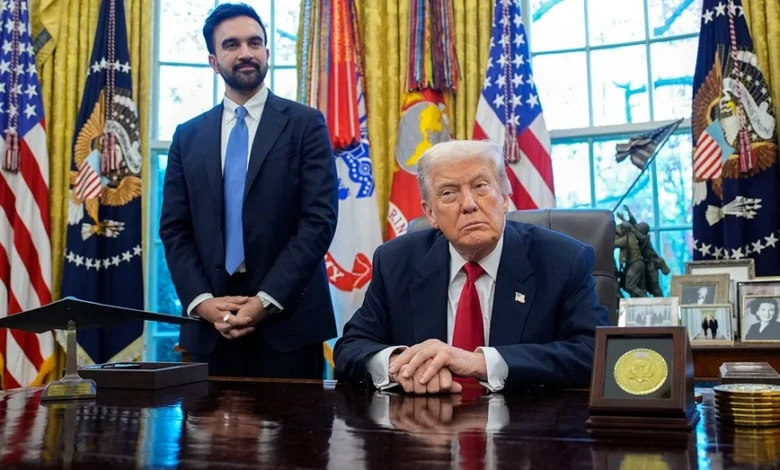
New York City Mayor Zohran Mamdani is scheduled to meet with President Donald Trump at Gracie Mansion, the historic official residence of New York City’s mayors, to address a broad slate of pressing municipal and national issues. Confirmed by the mayor’s office, the upcoming Monday sit-down marks a pivotal moment of engagement between the administration of America’s largest city and the federal government, occurring against a backdrop of intensifying political dynamics, international diplomacy, and the final stretch of the midterm election season.
While City Hall has verified that the agenda will center squarely on matters affecting New York City residents, neither the White House nor local municipal authorities have yet released a precise itinerary or a confirmed time for the meeting. The White House did not immediately respond to digital media inquiries regarding additional details about the schedule or specific policy points up for discussion.
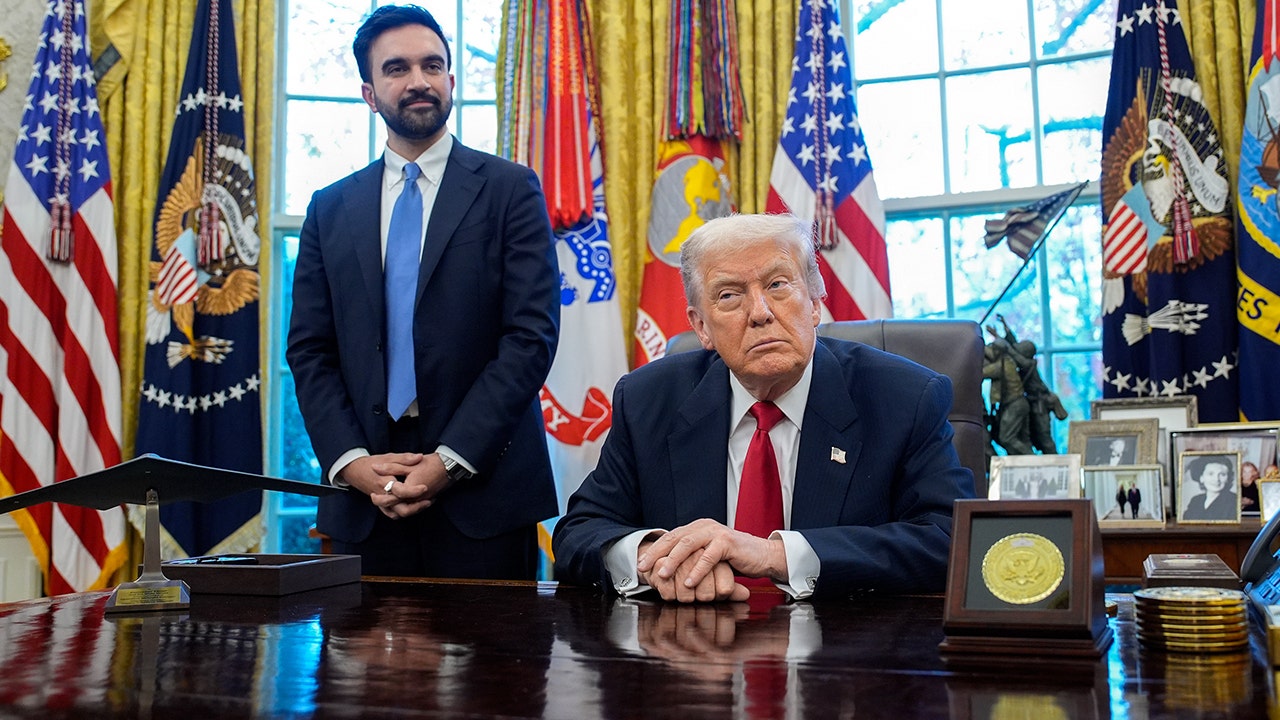
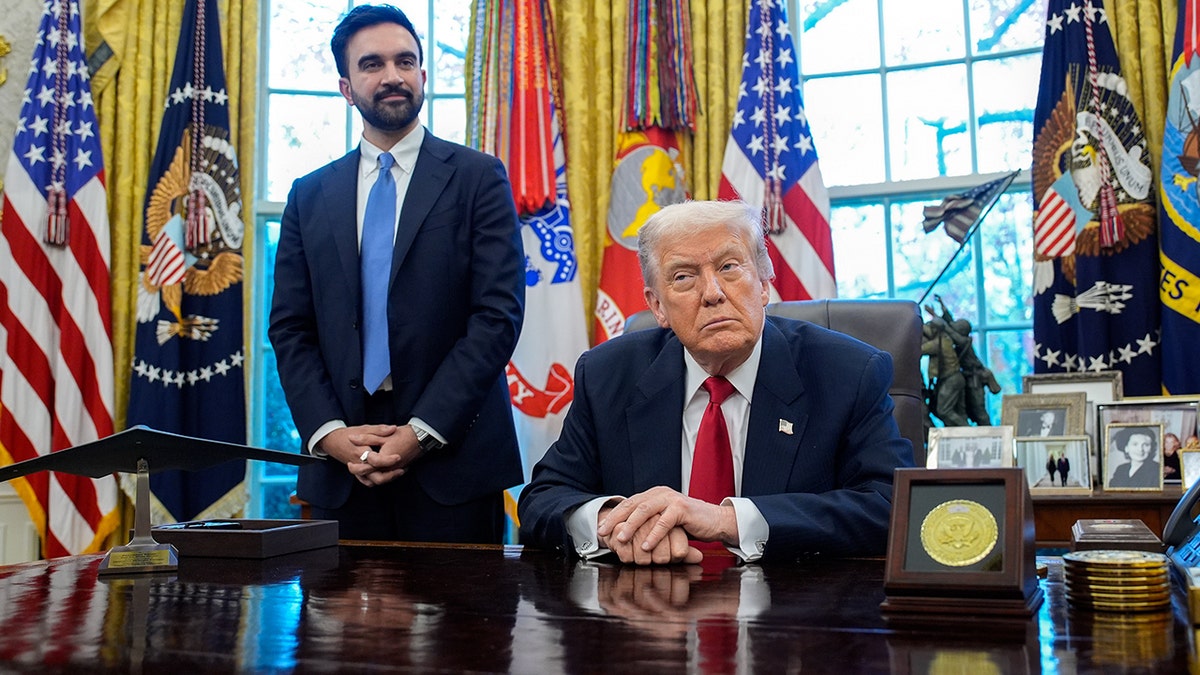
This encounter represents the third face-to-face meeting between President Trump and Mayor Mamdani since Mamdani assumed office. Their working relationship began in the Oval Office in November 2025, shortly after Mamdani secured a decisive victory in the New York City mayoral election. That initial meeting was followed by a subsequent discussion at the White House in February. Despite notable ideological differences—with Trump representing a conservative federal agenda and Mamdani emerging as one of the nation’s most prominent progressive figures backed by the Democratic Socialists of America (DSA)—both leaders previously struck a pragmatic tone, expressing cautious optimism about finding common ground on infrastructure, housing, and urban economic development.
Broader Context and Diplomatic Timetable
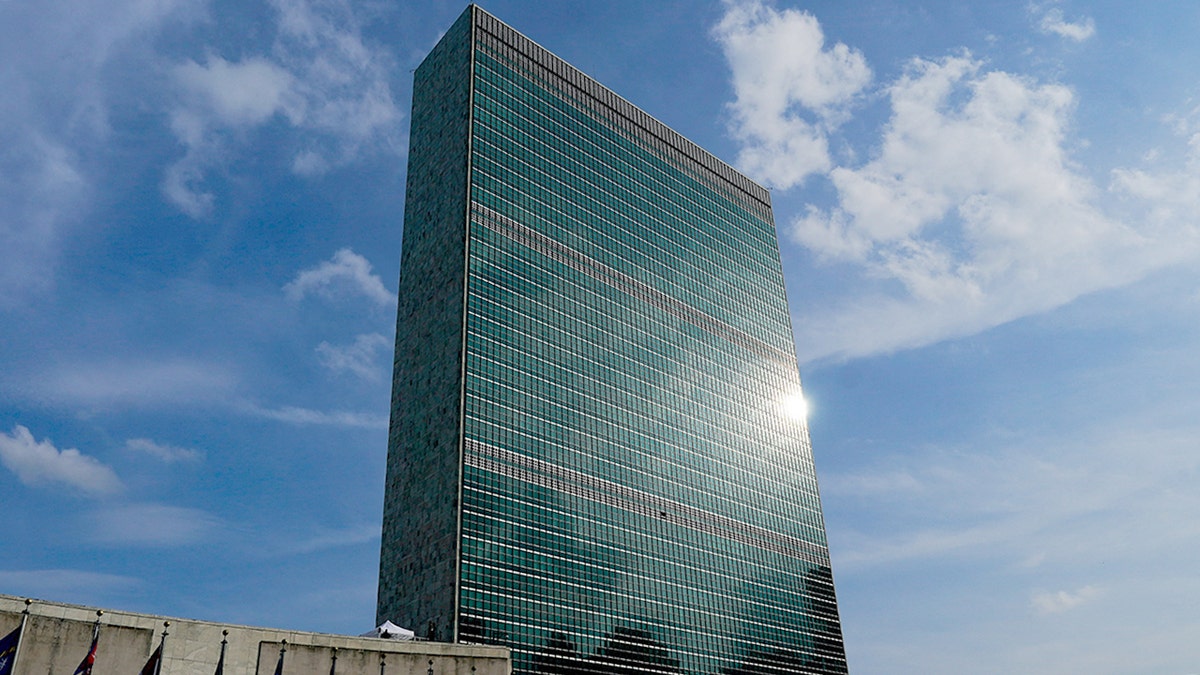
The timing of Monday’s meeting is particularly notable given the dual pressures currently facing New York City. The administration is finalizing preparations to host world leaders and foreign delegations for the annual United Nations General Assembly (UNGA) session, a massive logistical undertaking that requires close coordination between municipal police forces, federal law enforcement, and international security agencies. The UNGA consistently draws heads of state, diplomats, and international media to Manhattan, placing immense operational demands on the city’s infrastructure and municipal services.
Simultaneously, the meeting takes place as the campaign trail for the November midterm elections enters its final, highly competitive weeks. Across the country, the political landscape is being shaped by debates over the future direction of both major political parties. The rise of DSA-backed candidates in various primary races nationwide has fueled intense national discourse regarding the influence of progressive politics within the broader Democratic Party coalition. As one of the highest-profile progressive executives in the United States, Mayor Mamdani’s ongoing dialogue with the commander-in-chief underscores the complex interplay between local urban governance and federal policy-making.
A Focus on Affordability and Housing Challenges
Since taking office, Mayor Mamdani has positioned affordability and the alleviation of New York City’s severe housing crisis as the central tenets of his municipal administration. The city’s soaring real estate costs, high rental burdens, and limited housing supply have long constrained economic mobility for millions of working-class residents. During their previous discussions in the Oval Office, housing affordability emerged as a primary point of overlap, with both leaders acknowledging the pressing need to address urban infrastructure and cost-of-living pressures, albeit from differing philosophical approaches regarding government intervention and market regulation.
Economic analysts note that federal-municipal cooperation remains critical for executing large-scale housing initiatives, public transit investments, and economic revitalization programs in major metropolitan centers. Federal funding streams, transit grants, and regulatory frameworks often dictate the speed and scale of urban development projects. Consequently, Monday’s dialogue at Gracie Mansion offers both leaders a strategic forum to revisit these shared priorities, negotiate federal backing for key municipal projects, and manage areas of potential policy friction.
Implications for Intergovernmental Relations and the Midterm Landscape
Political analysts suggest that the ongoing engagement between President Trump and Mayor Mamdani serves as a compelling case study in modern intergovernmental relations. While partisan polarization frequently dominates the national media landscape, the governance of major urban centers often necessitates pragmatic cooperation between ideologically divergent leaders. For President Trump, maintaining an open line of communication with the mayor of the nation’s financial and cultural capital is vital for national economic stability, homeland security, and major public works initiatives. For Mayor Mamdani, securing federal alignment or resources can directly impact the success of his domestic policy agenda, particularly concerning housing and urban transit.
As the midterm elections approach, the optics of the meeting will likely be scrutinized by political strategists on both sides of the aisle. The ability of a progressive municipal leader to negotiate effectively with a conservative presidential administration highlights the pragmatic realities of executive governance, where ideological messaging often yields to the immediate administrative needs of millions of urban constituents.
As preparations for the Gracie Mansion meeting conclude, local officials, media, and policy analysts await further announcements regarding specific deliverables or joint statements that may emerge from the discussions. Monday’s sit-down will serve as an essential indicator of how federal and municipal authorities plan to navigate shared challenges in the months ahead.