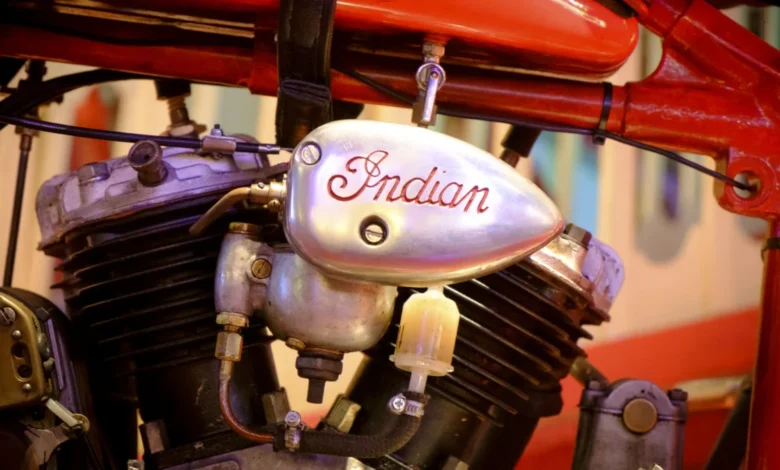
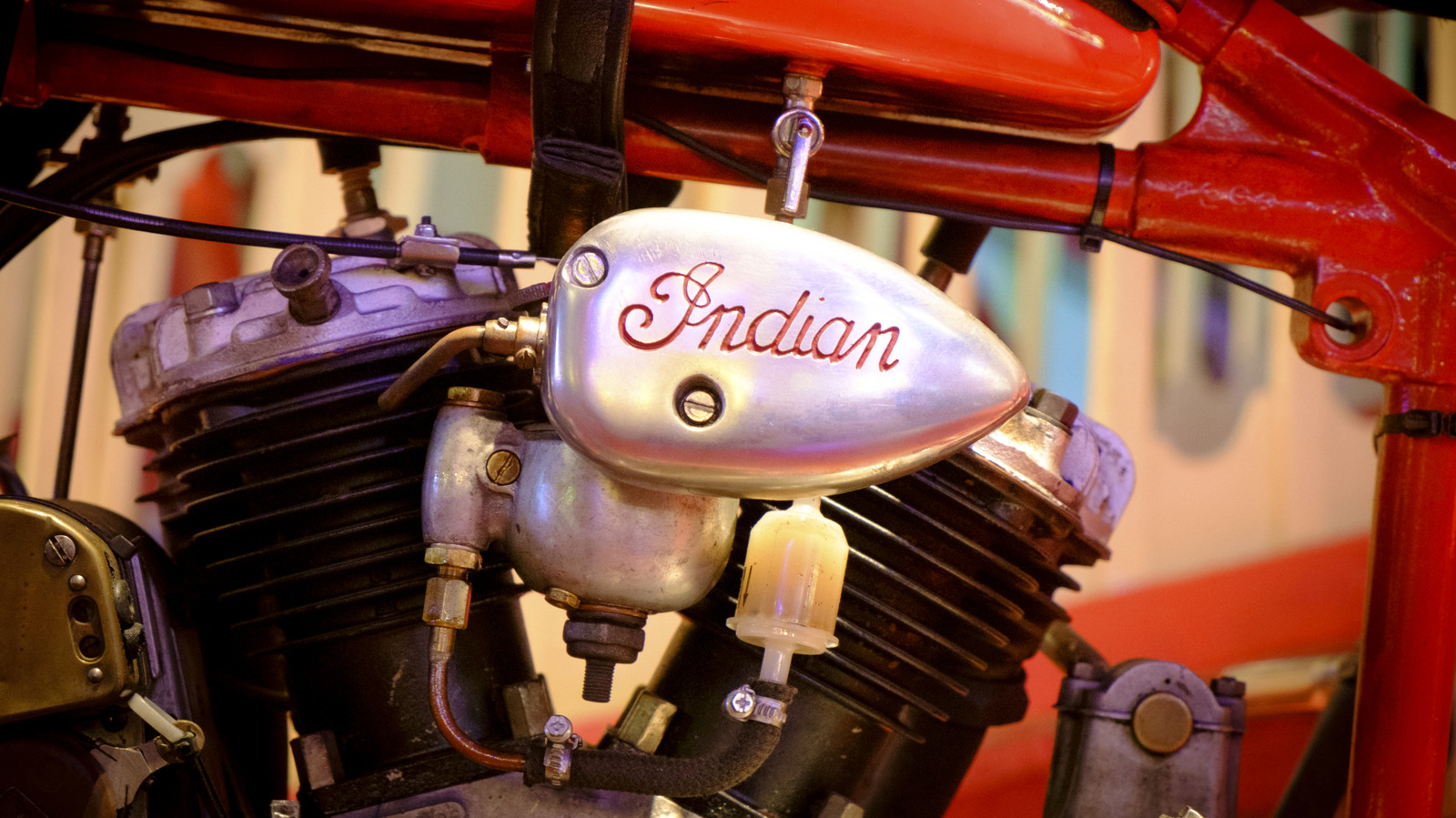
The history of Indian Motorcycle is a narrative of American industrial ingenuity, marked by rapid expansion, revolutionary mechanical breakthroughs, and eventual corporate collapse. While the brand remains a powerhouse in the modern motorcycling landscape, its historical pedigree—rooted in the 1897 founding of the Hendee Manufacturing Company in Springfield, Massachusetts—is defined by a series of experimental machines that pushed the boundaries of early 20th-century engineering. From the humble beginnings of the 1902 Camelback to the final, bittersweet production run of the 1953 Chief, Indian’s legacy is preserved not just in literature, but in a handful of rare, high-value machines that remain the holy grail for global collectors.
A Chronology of Innovation and Industry
The timeline of Indian’s manufacturing prowess began in earnest when George Hendee, a former bicycle racer, teamed up with Swedish-born engineer Oscar Hedstrom in 1901. Their synergy was immediate; by 1902, the first production motorcycles were hitting the streets. The company’s growth was meteoric, ballooning from a modest operation to the world’s largest motorcycle manufacturer by the 1910s, with annual production peaking at 32,000 units in 1913.
However, the brand’s trajectory was not linear. The company faced economic headwinds during the Great Depression, survived through the leadership of E. Paul du Pont, and eventually ceased operations at its iconic Springfield factory in 1953. This final closure transformed the last remaining production models into instant historical artifacts, cementing the 1953 Chief as a symbol of the end of an era.
The Spectrum of Rarity: From Mass Production to Bespoke Engineering
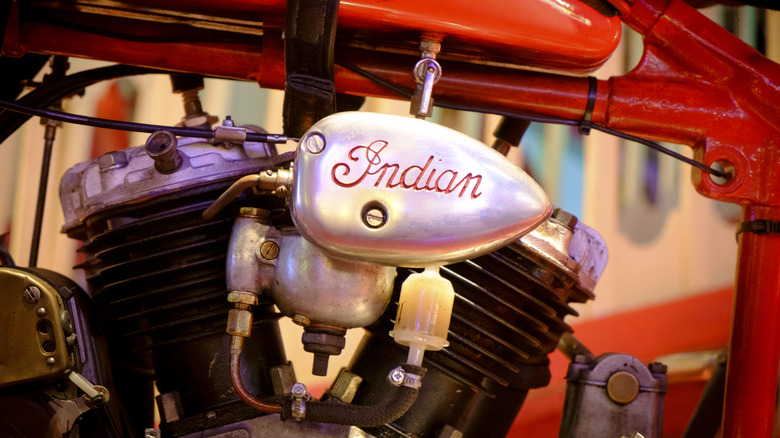
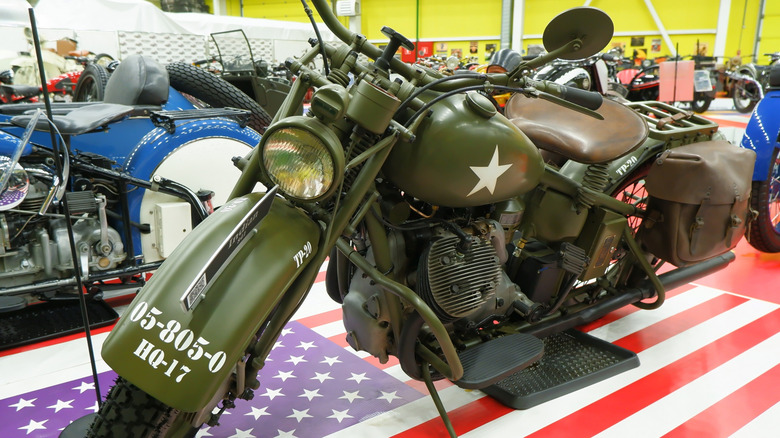
To understand the value of these machines, one must look at the intersection of production volume, historical significance, and survivor counts. Some models, such as the 1941-1943 Indian 841, were born from the desperation of wartime exigency. Commissioned by the U.S. government for desert warfare in North Africa, the 841 featured a 90-degree V-twin engine and a longitudinal crankshaft—a radical departure from the standard Harley-Davidson XA of the time. Despite its sophisticated design, the military ultimately favored the versatility of the Jeep. Today, with fewer than 100 complete examples known to exist, these military-grade survivors command significant interest, with civilian-adapted versions fetching over $25,000 in recent auctions.
High-Performance Experiments: The Four-Cylinder Legacy
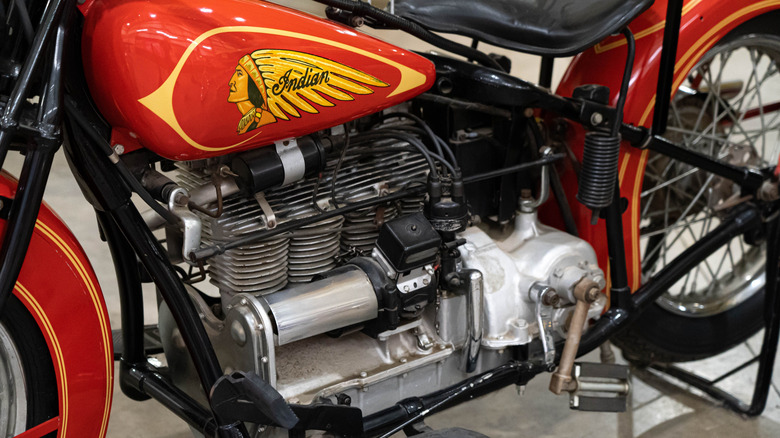
Indian’s experimentation with engine architecture remains a primary driver of collector value. The 1936-1937 "Upside Down" Four models represent an ambitious, albeit flawed, attempt to modernize the company’s four-cylinder lineup. By flipping the cylinder heads to place exhaust valves over the inlets, Indian sought to increase power. The resulting engine, while technologically interesting, exposed riders to excessive heat and required intensive maintenance. Because only a few hundred were produced annually, these bikes are exceptionally rare; pristine examples have crossed the block for prices exceeding $125,000, illustrating the premium placed on technical oddities.
Similarly, the 1927-1928 Indian Ace occupies a unique space in history. Inherited from the Ace Motor Company and rebranded, these inline-four machines were the ancestors of the later Indian 401. With total production estimated at roughly 260 units, the Ace is a cornerstone of any serious collection. The 2024 sale of a 1928 model for $220,000 underscores the enduring demand for these transitional machines that bridge the gap between early experimental engineering and the refined four-cylinder bikes that followed.
The Apex of Collectibility: Board Track and Hillclimbing Machines
The most valuable Indian motorcycles are often those never intended for the public road. The 1910s 8-Valve racers represent the pinnacle of American board track racing, a sport defined by high-speed, high-stakes competition on wooden velodromes. Because these bikes were essentially disposable race equipment, the survivor count is remarkably low—estimated at only four machines globally. The 2023 sale of an 8-Valve racer for over $313,000 highlights the stratospheric value placed on machines with provenance, factory documentation, and a history of professional competition.
Equally prized are the purpose-built hillclimbers of the 1920s and 1930s. The A45 Altoona Hillclimber, named for the Pennsylvania track where it dominated, remains one of the rarest Indian offerings. With specialized high-compression engines and modified frames, these bikes were the "dragsters" of their day. A 1928 Altoona hillclimber fetched nearly $250,000 at auction in 2015, proving that for collectors, the value is not in the utility of the bike, but in its status as a piece of functional sporting art.
Economic Implications and Market Trends
The market for vintage Indian motorcycles has evolved into a sophisticated asset class. Auction data from houses such as Mecum, Bonhams, and RM Sotheby’s reveal that values are heavily dictated by the extent of restoration and the presence of "new-old stock" parts. While a standard 1953 Chief might be valued between $17,000 and $60,000, a concours-quality restoration can push that figure well toward the six-figure mark.
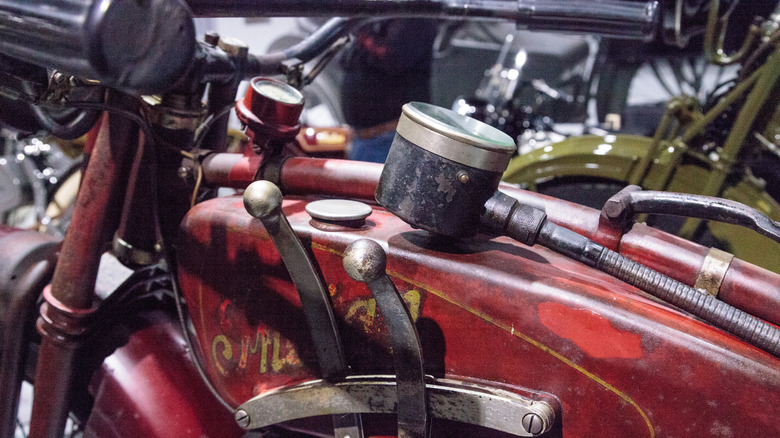
From a market analysis perspective, the "survivor" phenomenon—where machines remain in their original, unrestored condition—has become a significant differentiator. Collectors are increasingly willing to pay a premium for "as-raced" condition, valuing the patina and authentic historical markers over modern, sterile restorations. This trend reflects a broader cultural shift in historical preservation, where the goal is to maintain the machine’s narrative integrity.
Institutional Recognition and Public Legacy
The importance of these motorcycles extends beyond private collections and into the public sphere. The presence of Indian machines in institutions like the Guggenheim Museum and the Hagley Museum and Library serves to validate their status as objects of industrial design excellence. When a rare machine, such as the 1914 Hendee Special—the world’s first motorcycle with an electric starter—comes to market, it is not merely a transaction; it is an event that draws interest from global automotive historians.
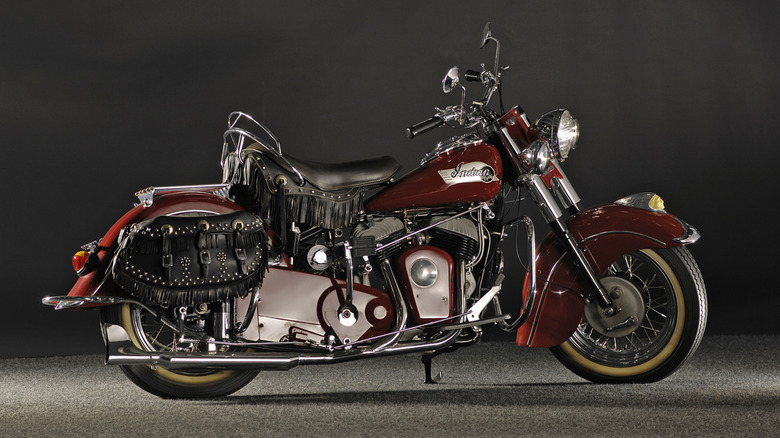
The Hendee Special, which served as the subject of the industry’s first official recall due to the failure of its electric starter system, serves as a poignant reminder of the risks associated with rapid innovation. The irony is not lost on modern enthusiasts: the very feature that caused the bike’s downfall in 1914 is the primary reason it remains a crown jewel for collectors today.
Conclusion: The Enduring Value of History
Indian Motorcycle’s 125-year-plus journey is reflected in these ten rare models, each representing a unique moment in the evolution of motorized transport. Whether it is the 1948 Big Base Scout that secured the final Daytona title for the brand, or the 1914 Hendee Special that attempted to revolutionize rider convenience, these bikes are tangible links to an era when American manufacturing was in its most experimental and ambitious phase. As time passes, the scarcity of these machines will only increase, ensuring that their status as the most collectible and valuable pieces of American automotive heritage remains secure. The valuations observed in recent years suggest that for the discerning collector, these motorcycles are not merely vehicles, but foundational chapters in the story of the modern world.