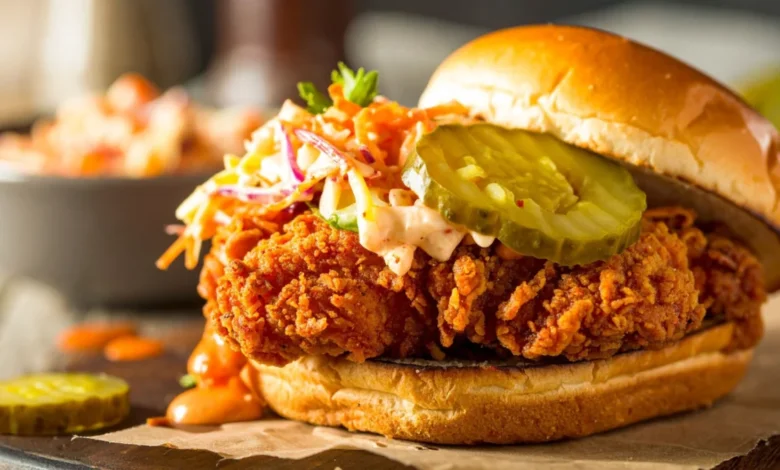
The golden era of the crispy chicken sandwich shows no signs of slowing down, with consumers continually seeking out elevated flavor profiles that transcend standard fast-food offerings. While quick-service restaurants fiercely compete in an ongoing culinary battle for supremacy, home cooks have increasingly turned to discount supermarket chains to replicate and even surpass restaurant-quality meals at a fraction of the cost. Among the standout grocery items driving this trend is a private-label condiment found on the shelves of international German-owned supermarket chain Aldi: Burman’s Honey Sriracha Hot Sauce. Priced affordably at approximately $3.55 for an 18-ounce bottle, this sweet-and-spicy product has emerged as a game-changing addition to homemade fried chicken sandwiches, providing a complex flavor profile that elevates a simple weeknight meal into a gourmet experience.
The Rise of Sweet-Heat Profiles in Modern Cuisine
The popularity of sweet-and-spicy flavor pairings is not a passing culinary fad; it represents a multi-year shift in consumer preferences driven by a growing appreciation for global flavor profiles, particularly those originating in Southeast Asia. Traditional sriracha, a style of hot sauce native to Si Racha, a coastal city in the Chonburi Province of Thailand, has long been celebrated for its pungent garlic-and-chili punch. Over the past two decades, its adoption into Western mainstream cuisine transformed it from a niche ethnic condiment into a household staple.
As consumer palates matured, manufacturers began experimenting with regional variations and hybrid flavor profiles. The integration of honey into sriracha addresses a specific culinary demand: the desire to temper high-heat chili peppers with a natural, floral sweetness. In the case of Burman’s Honey Sriracha, the sauce utilizes the heat of ripe red jalapeño peppers combined with the smooth viscosity and distinct aromatics of honey. This creates a balanced condiment that clings effectively to crispy, textured surfaces without instantly overwhelming the diner’s taste buds, making it uniquely suited for heavy, savory proteins like deep-fried chicken.
The Economics of Home-Cooked Gourmet Fast Food
The broader economic context of the post-pandemic food landscape has heavily influenced the current culinary pivot toward home-cooked fast-food alternatives. With menu prices across major quick-service restaurant chains experiencing significant inflation, consumers are increasingly looking for ways to achieve restaurant-grade satisfaction in their own kitchens. A standard fast-food chicken combo meal can frequently exceed ten dollars per person, whereas building a premium fried chicken sandwich at home utilizing grocery store staples allows families to produce multiple servings for a fraction of the individual cost.
Aldi, known for its extensive lineup of private-label brands that mimic or exceed the quality of name-brand products, has capitalized on this economic shift. By offering specialty condiments like Burman’s Honey Sriracha at an accessible price point, the retailer positions itself as a destination for culinary experimentation. Industry analysts note that private-label penetration in grocery stores has reached historic highs, driven by shoppers who are eager to maintain high culinary standards amid budgetary pressures. Consequently, products that bridge the gap between convenience and gourmet taste—such as pre-made sauces and frozen shortcut proteins—have become central to the modern grocery retail strategy.
Constructing the Ultimate Aldi Fried Chicken Sandwich
Achieving an exceptional fried chicken sandwich relies on a careful balance of textures and temperatures: the crunch of the breaded exterior, the tenderness of the meat, the richness of the fats, the sharpness of the acidity, and the punch of the seasoning. Constructing this sandwich using Aldi-exclusive ingredients demonstrates how modern grocery curation can simplify gourmet cooking without sacrificing quality.
The foundation of the sandwich begins with the protein. For years, shoppers and online food communities have touted Aldi’s fully cooked breaded chicken breast fillets—colloquially known by loyal fans as "red bag chicken"—as an indispensable freezer staple. These fillets offer a dependable texture and crunch that rivals freshly battered chicken when prepared properly in an air fryer or conventional oven. Once heated to a safe internal temperature and rendered crispy on the outside, the chicken is ready to receive its primary flavor modifier.
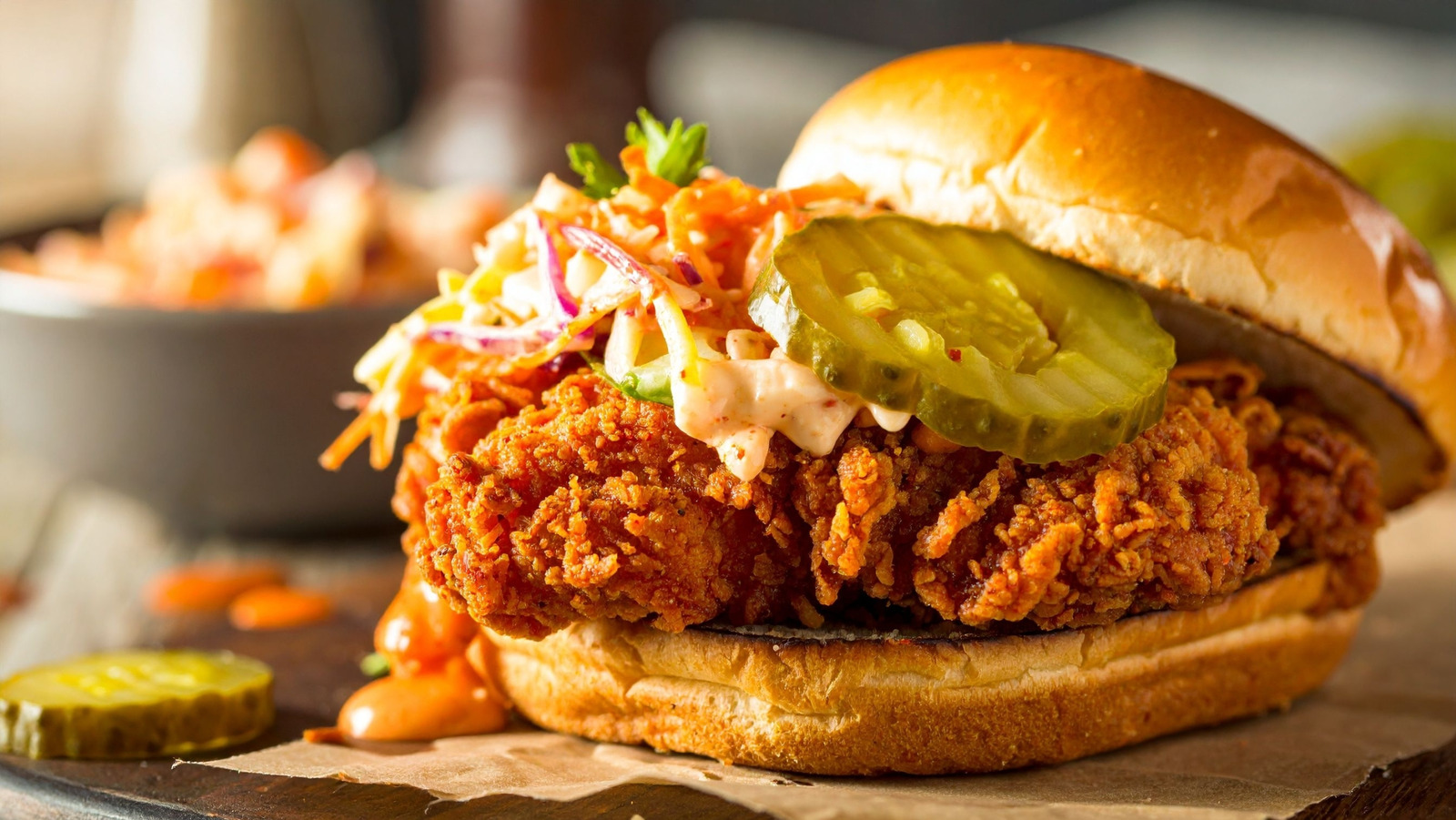
Rather than requiring home cooks to spend time whisking together homemade glazes from scratch—a process involving the precise measurement of honey, sriracha, rice vinegar, and garlic powder—Burman’s Honey Sriracha Hot Sauce delivers the desired sweet-heat profile instantly. A generous drizzle over the hot chicken fillet allows the warmth of the meat to slightly release the aromatic compounds of the sauce, integrating the flavors more deeply into the breading.
Balancing Flavors: Acidity, Crunch, and Structure
A successful fried chicken sandwich cannot rely solely on heat and sweetness; it requires structural integrity and contrasting elements to cut through the inherent richness of fried food. The inclusion of acidic and crunchy components is essential to achieving a well-rounded bite.
- The Tang Factor: Pickles play a non-negotiable role in standard chicken sandwich architecture. The lactic acid and vinegar present in standard dill or bread-and-butter pickles act as a palate cleanser, resetting the taste buds between bites of rich protein and sweet-spicy sauce.
- The Bread Choice: Structural failure is the enemy of the sandwich enthusiast. Soft, overly delicate sandwich bread will quickly disintegrate under the weight of heavy sauces and moisture from toppings. Premium options such as Specially Selected Brioche Buns provide a slightly sweet, buttery flavor profile and a sturdy crumb structure capable of holding heavy fillings intact.
- The Slaw Integration: To mitigate the heat of the sriracha while adding a complementary crunch, coleslaw serves as an ideal topping. Whether utilizing pre-made slaw mixes sold in the produce section or elevating a standard mayonnaise-based slaw with an infusion of chili crisp or additional honey sriracha, this component bridges the gap between the dry elements of the bun and the wet components of the sauce.
Consumer Reception and Market Implications
The widespread sharing of grocery-store shortcuts on digital platforms has transformed how culinary trends emerge and propagate. Social media networks and food-focused blogs frequently highlight specific regional or private-label finds, turning obscure supermarket items into viral sensations overnight. The enthusiasm surrounding Aldi’s honey sriracha sauce reflects a broader democratization of culinary inspiration, where professional-level flavor combinations are made accessible to home cooks of all skill levels.
Retail experts observe that this trend benefits discount grocery chains by fostering strong brand loyalty. When consumers discover that a low-cost, private-label item can dramatically improve a standard meal, they are more likely to consolidate their shopping trips around that retailer. Furthermore, it encourages cross-merchandising within the store, prompting shoppers to purchase bakery items, produce, and frozen meats they might not have otherwise considered.
Broader Impact on the Condiment and Sauce Industry
The commercial success of products like Burman’s Honey Sriracha signals a permanent shift in consumer expectations regarding condiment aisles. Shoppers are increasingly moving away from basic, single-note condiments—such as standard yellow mustard or plain ketchup—in favor of complex, fusion-inspired flavor combinations that offer multiple sensory experiences in a single squeeze.
Food manufacturers are responding by expanding their lines of globally inspired, sweet-heat hybrid sauces. This includes combinations featuring gochujang and honey, mango habanero, and various iterations of sweet chili. As these products become mainstream fixtures in grocery stores nationwide, the barrier to entry for cooking elevated, restaurant-style meals at home continues to drop.
Ultimately, the trend underscores a larger culinary truth: achieving exceptional flavor does not always require professional culinary training or hours of preparation. By combining high-convenience grocery items with thoughtful assembly techniques, home cooks can continually reinvent classic comfort foods, proving that the best kitchen innovations are often found right down the local supermarket aisle.