The Ultimate Guide to Spaghetti Aglio e Olio: The Classic Neapolitan Pasta That Conquered Global Kitchens

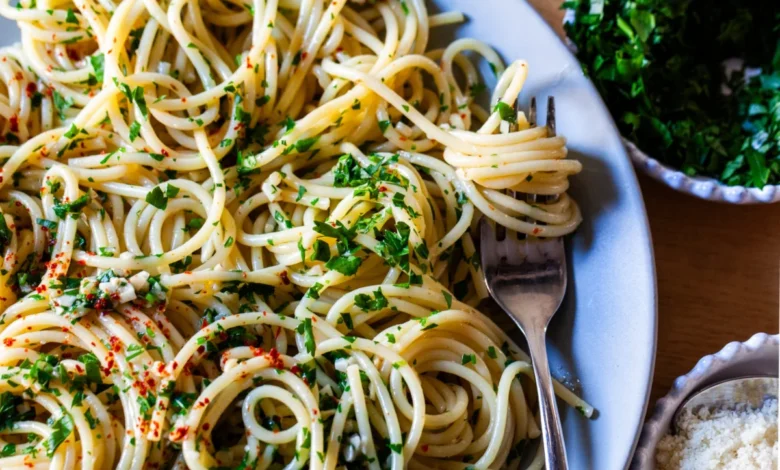
The intersection of culinary simplicity and historic tradition has rarely been as pronounced as in the case of Spaghetti Aglio e Olio, a foundational dish originating from the sun-drenched coastal city of Naples, Italy. As modern consumers navigate increasingly complex schedules and constrained culinary budgets, this humble preparation—consisting merely of spaghetti, garlic, extra virgin olive oil, and red pepper flakes—has experienced a sustained resurgence in popularity across domestic and international households alike. Far from being merely a meal of last resort, aglio e olio represents a masterclass in the technical extraction of flavor from minimal ingredients, proving that culinary excellence is not strictly tethered to extensive ingredient lists or protracted preparation times.
Historical Origins and Regional Evolution
The roots of spaghetti aglio e olio are deeply embedded in the cucina povera (peasant cooking) tradition of southern Italy, specifically Campania. Historically, Naples was a region where olive oil and garlic were abundantly available, while more expensive proteins and dairy products remained luxuries reserved for the affluent. Agricultural records from the 19th century indicate that working-class Neapolitans relied heavily on dried pasta—which had become an industrial staple in the city by the 1700s—combined with locally pressed olive oil and garlic to sustain laborers through physically demanding workdays.

Initially, the dish was viewed strictly as a survival food or a late-night snack prepared by tavern owners for patrons after long hours. However, as waves of Italian immigrants migrated to North and South America in the late 19th and early 20th centuries, they brought regional recipes with them, adapting them to local pantry staples. Over the decades, aglio e olio transitioned from an obscure regional adaptation into a globally recognized benchmark of Italian gastronomy, taught in culinary academies as a primary exercise in thermal emulsion and flavor balancing.
Culinary Mechanics: The Science of Aglio e Olio
While the ingredient list is remarkably sparse, the execution of spaghetti aglio e olio requires strict adherence to specific thermodynamic principles to achieve its signature glossy texture. Culinary scientists and professional chefs note that the success of the dish hinges on the starch content of the pasta water and the precise management of heat application.
According to established culinary methodologies, the process begins by boiling dried spaghetti in generously salted water until it reaches an al dente texture, typically one to two minutes shy of standard package instructions. Crucially, before draining, the cook must reserve a specific volume of the starchy cooking liquid.

Unlike many culinary techniques that require pre-heating a pan, aglio e olio relies on a cold-start method for the aromatics. Slicing or mincing garlic and placing it into a skillet with extra virgin olive oil before applying heat prevents the delicate sugars in the garlic from burning and turning unpleasantly bitter. As the pan warms gradually over medium heat, the oil gently infuses with the garlic and red pepper flakes, extracting fat-soluble flavor compounds.
When the drained pasta is introduced to the skillet alongside the reserved starchy water, a vigorous emulsification process occurs. The starch from the pasta bonds with the oil and water to create a cohesive, glossy sauce that uniformly coats each strand of spaghetti, rather than pooling at the bottom of the bowl. This technique eliminates the need for heavy cream or excessive cheese, adhering strictly to the minimalist philosophy of traditional Italian cookery.
Economic and Practical Implications in Modern Households
Recent consumer trend analyses indicate a growing preference for accessible, budget-friendly meal preparation as global households face persistent inflationary pressures on grocery expenditures. The average cost per serving of spaghetti aglio e olio remains exceptionally low, making it a viable economic option for families and single-person households alike.

Nutritional and food economy experts point out that pantry staples like dried pasta, olive oil, and garlic have extended shelf lives, which significantly reduces household food waste—a critical metric in contemporary sustainability discussions. Furthermore, the minimal preparation and active cooking time, typically under twenty minutes, address the rising consumer demand for efficient weeknight dining solutions that do not compromise on flavor or sensory satisfaction.
Nutritional Overview and Dietary Adaptability
From a nutritional standpoint, spaghetti aglio e olio offers a balanced profile characterized by complex carbohydrates from the durum wheat pasta and healthy monounsaturated fats from the extra virgin olive oil. Olive oil is widely recognized in nutritional science for its high concentration of polyphenols and oleic acid, which support cardiovascular health.
Moreover, the recipe’s inherent flexibility allows for extensive dietary customization. While purists maintain that the traditional preparation should remain unaltered, home cooks and professional chefs routinely adapt the base formula to accommodate various dietary requirements and seasonal availability. Incorporating leafy greens such as spinach or arugula, adding leftover roasted vegetables, or introducing lean proteins like grilled shrimp, chicken thighs, or cannellini beans transforms the side dish or light supper into a nutritionally robust, complete meal.

Cultural Impact and the Psychology of Comfort Cooking
The enduring appeal of aglio e olio extends beyond its economic and technical merits, touching upon the psychological comfort associated with aromatic cooking. Culinary psychologists and hospitality experts frequently note that the scent of garlic sizzling in olive oil triggers powerful positive sensory responses, often described as universally inviting. In domestic settings, the preparation of this dish serves as an informal signal of hospitality and relaxation, effectively bridging the gap between utilitarian sustenance and culinary enjoyment.
As culinary trends continue to oscillate between hyper-elaborate gastronomic experimentation and stripped-down authenticity, spaghetti aglio e olio remains an enduring monument to simplicity. It serves as a reminder that extraordinary results can be achieved through fundamental techniques, high-quality base ingredients, and a deep respect for culinary heritage. Whether served simply with a side salad during the height of summer or adapted with seasonal proteins throughout the year, this Neapolitan classic retains its status as an indispensable cornerstone of the global culinary repertoire.