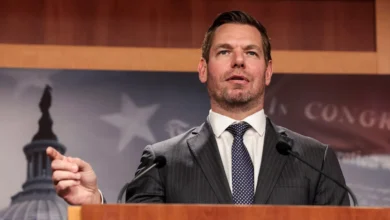
Texas Senate Nominee James Talarico Names Alyssa Edwards as Favorite Drag Queen in Viral Pop Culture Exchange

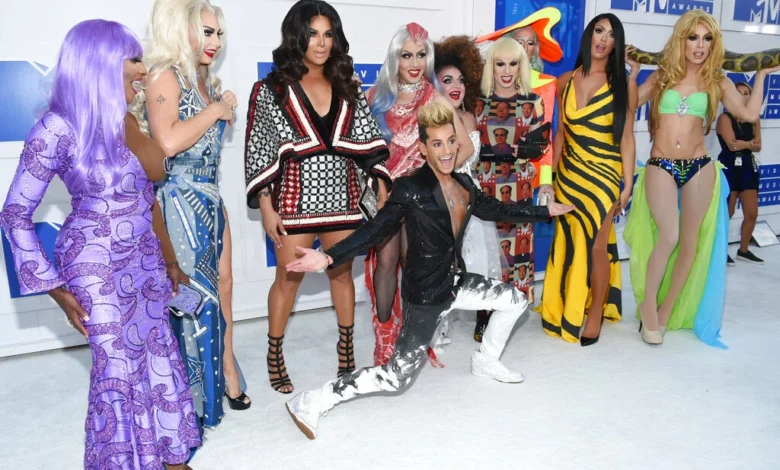
Texas Democratic Senate nominee James Talarico recently captured national attention during a lighthearted yet politically resonant pop culture exchange when he named reality television star and renowned entertainer Alyssa Edwards as his favorite drag queen. The remark, made during a public-facing discussion that quickly circulated across digital and social media platforms, highlights the intersection of modern political campaigning, LGBTQ+ advocacy, and cultural representation in the American South.
The statement brings renewed focus to Talarico, a rising figure within the Texas Democratic Party, as well as the broader national conversation regarding political candidates engaging with LGBTQ+ culture. While political figures historically maintained strict boundaries between retail politics and pop culture preferences, contemporary campaigns increasingly leverage cultural touchstones to signal values, build rapport with younger demographics, and define their personal identities in an interconnected media landscape.
Background and Context of the Event
The exchange surrounding Talarico’s favorite drag performer occurred amid an evolving political climate in Texas, where issues of gender, sexuality, and civil rights have frequently taken center stage in legislative debates. Over the past several legislative cycles, the Texas State Capitol has been the epicenter of fierce ideological battles concerning LGBTQ+ rights, including restrictions on gender-affirming care, limitations on public library books, and debates over public drag performances.
Against this backdrop, Talarico’s acknowledgment of Alyssa Edwards—the stage persona of Justin Dwayne Lee Johnson—carries both personal and political significance. Alyssa Edwards rose to widespread prominence as a contestant on the fifth season of the Emmy Award-winning reality competition series RuPaul’s Drag Race, subsequently starring in her own Netflix docuseries, Dancing Queen, and establishing an international touring career. Beyond her entertainment credits, Johnson is a long-time educator and dance instructor from Mesquite, Texas, who has consistently utilized his platform to advocate for LGBTQ+ youth, self-expression, and inclusivity.
For Talarico, a former middle school teacher and current state lawmaker known for blending progressive policy positions with traditional faith-based rhetoric, aligning himself—even culturally—with an iconic Texan entertainer known for community advocacy is a calculated method of reinforcing his brand as an accessible, culturally literate modern politician.
Chronology of the Disclosure and Digital Spread
The remark originated during a casual question-and-answer session on September 16, 2026, where the candidate was asked to share lighthearted preferences outside of traditional policy portfolios.
- Afternoon, September 16, 2026 (3:37 PM ET): Initial reports and transcript snippets of the exchange began circulating online, documenting Talarico’s selection of Alyssa Edwards.
- Late Afternoon, September 16, 2026 (5:03 PM ET): As the clip gained traction across social media platforms such as X (formerly Twitter) and TikTok, digital news outlets updated their coverage to reflect the growing engagement and public commentary surrounding the statement.
- Subsequent Days: Political commentators, LGBTQ+ advocacy groups, and conservative critics began weighing in on the implications of the remark, transforming a brief pop culture acknowledgment into a wider debate over cultural signaling in Texas electoral politics.
Supporting Data and Demographic Shifts in Texas Politics
To understand the weight of cultural disclosures in modern Texas politics, one must examine the changing demographic and political landscape of the Lone Star State. According to data from the U.S. Census Bureau and nonpartisan polling organizations such as the Texas Politics Project at the University of Texas at Austin, the state has undergone significant demographic shifts over the past two decades.
- Urban and Suburban Growth: Rapid urbanization in metropolitan areas such as Austin, Dallas-Fort Worth, Houston, and San Antonio has fueled population growth driven largely by younger, more diverse residents moving from out of state or transitioning into voting age.
- Electorate Engagement: While Texas has historically maintained a Republican lean in statewide elections, statewide margins have tightened progressively in recent election cycles. Turnout among younger voters—demographics that historically index with higher approval of LGBTQ+ culture and public figures like drag entertainers—has become a crucial target for Democratic strategists.
- Cultural Polarization: Concurrently, rural and suburban areas have seen heightened mobilization around socially conservative platforms. State legislative polling indicates that cultural wedge issues remain powerful motivators for primary voters on both sides of the aisle.
Reactions and Official Responses
The disclosure drew swift reactions from various political and cultural spheres, reflecting the deep polarization that characterizes contemporary Texas politics.
Supporters and progressive organizations praised Talarico for his authenticity and willingness to embrace prominent LGBTQ+ Texans. Advocates emphasized that figures like Alyssa Edwards—who has maintained deep roots in Texas through her dance studio and community involvement—represent a vibrant facet of the state’s cultural fabric. Proponents argued that acknowledging such icons demonstrates inclusivity and a rejection of stigmatization directed at the queer community.
Conversely, conservative critics and political opponents utilized the remark to frame Talarico as out of touch with the traditional values of a significant portion of the Texas electorate. Critics pointed to the contentious legislative battles over public performances and parental rights, arguing that political candidates should distance themselves from forms of entertainment that have sparked intense parental and legislative concern. Conservative commentators asserted that such cultural affinities could alienate moderate and rural voters who prioritize fiscal conservatism, border security, and traditional social norms.
Broader Impact and Implications for the Senate Race
As the Senate campaign progresses, the incident offers a case study in how modern political candidates navigate identity, media, and cultural representation.
- Voter Mobilization: For Talarico, naming a celebrated drag queen reinforces his appeal to progressive activists, urban voters, and younger demographics who view cultural inclusivity as a litmus test for authenticity. Energizing these bases is critical for statewide candidates attempting to bridge turnout gaps in non-presidential or midterm election cycles.
- Narrative Control: The challenge for any statewide candidate in a diverse state like Texas is balancing base enthusiasm with broad-tent appeal. While cultural statements can generate viral enthusiasm and small-dollar fundraising online, they also provide opponents with ammunition to shape the narrative in conservative media markets.
- The Evolution of Retail Politics: The episode underscores a broader transformation in American politics, where the personal tastes and cultural affinities of elected officials are no longer secondary to policy platforms. In an era dominated by social media algorithms and hyper-targeted messaging, cultural markers function as shorthand for a candidate’s worldview, making even off-the-cuff remarks about entertainment figures meaningful components of a modern political campaign.
Ultimately, whether Talarico’s nod to Alyssa Edwards becomes a defining moment of his legislative campaign or remains a fleeting footnote in a larger electoral contest will depend on how effectively both campaigns can leverage cultural and policy narratives in the months leading to the general election.
Related posts: