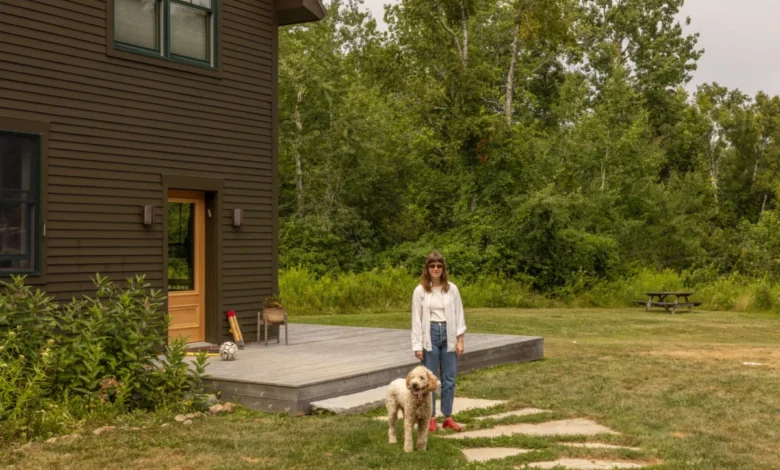
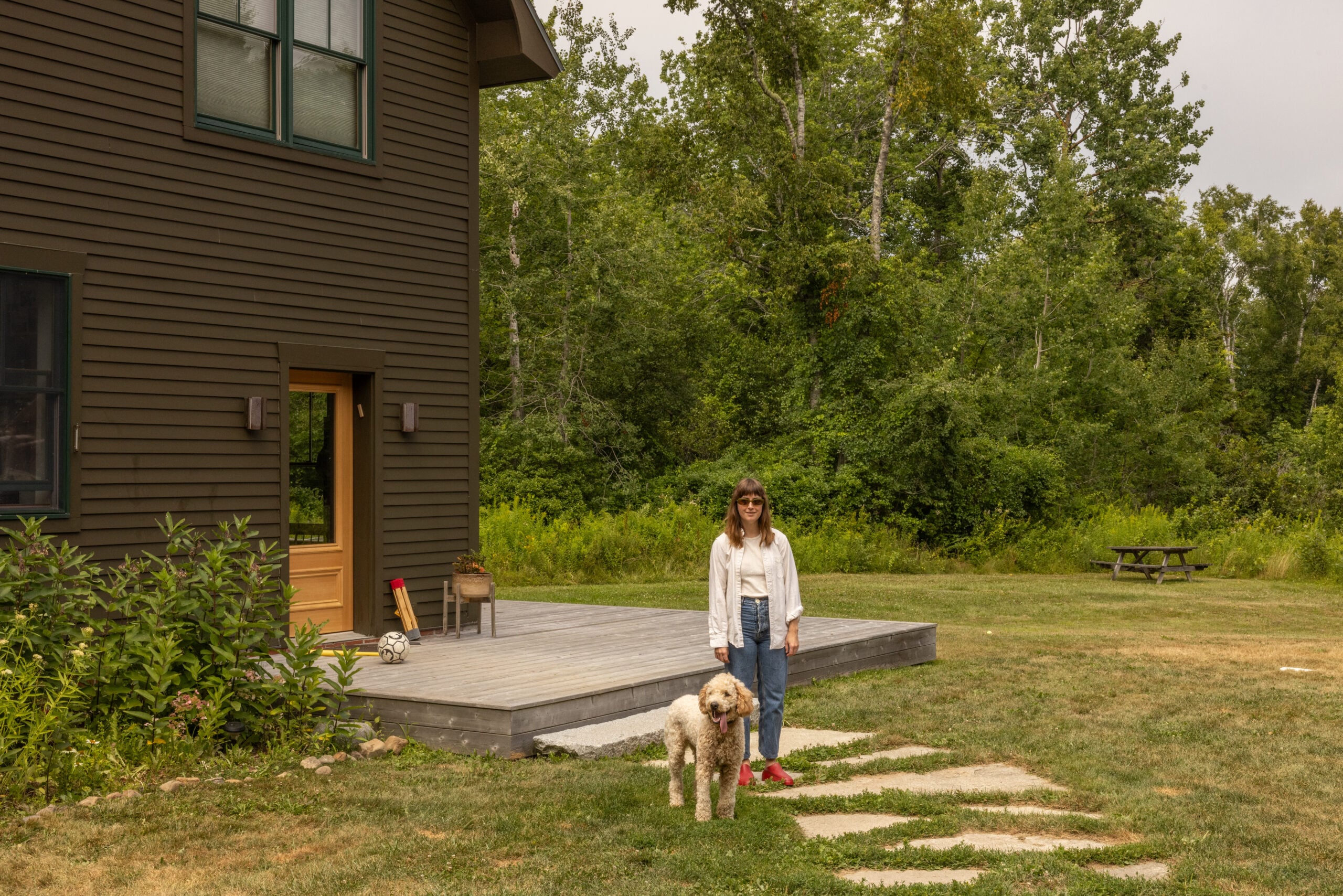
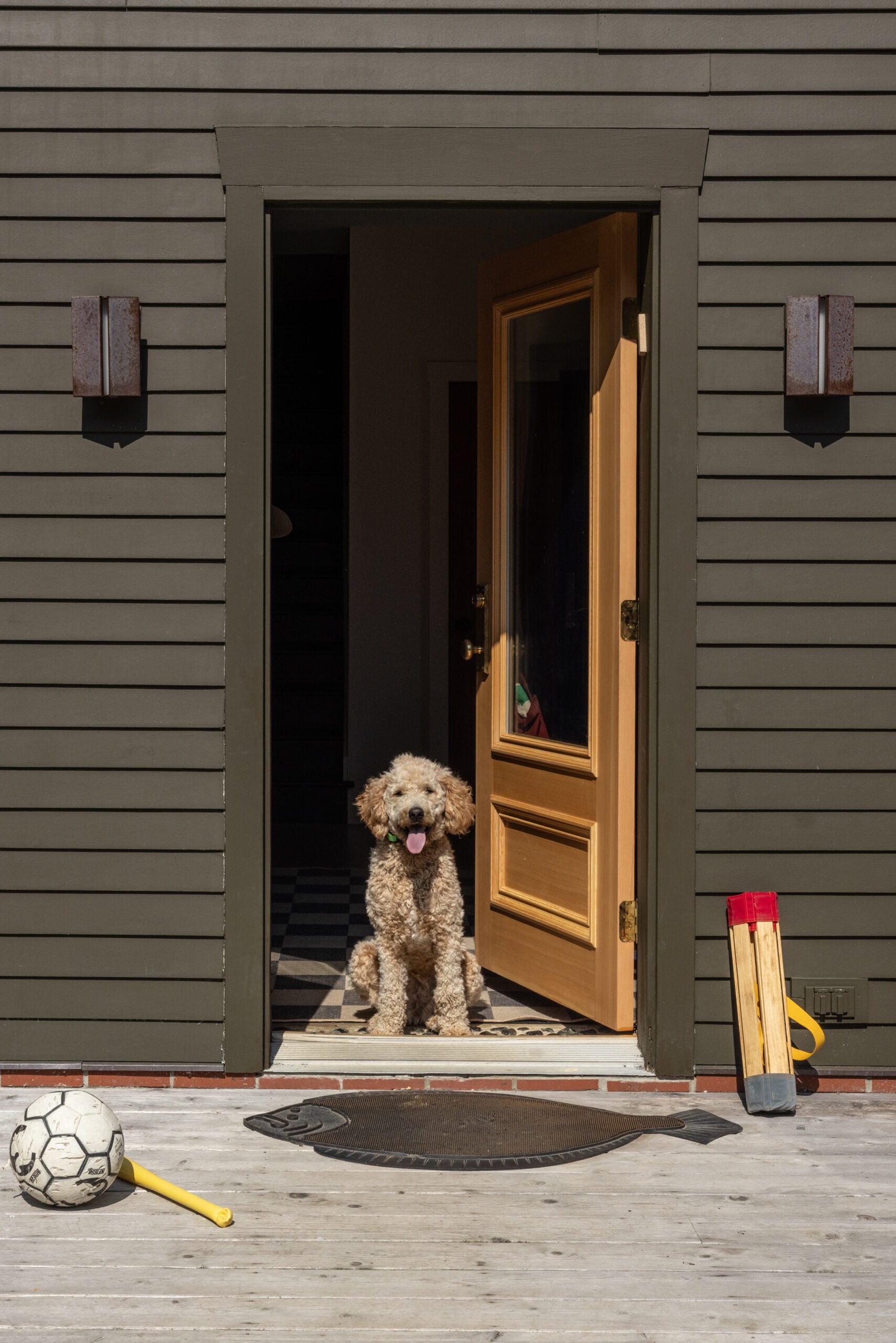
The architectural landscape of coastal Maine has long been defined by a blend of rugged pragmatism and serene, nature-integrated design. In the quiet seaside community of Owls Head, writer and Substack creator Zinzi Edmundson has cultivated a home that serves as both a private sanctuary and a testament to the transformative power of intentional living. Alongside her husband, Jesse, and their two sons, James and Russ, Edmundson has navigated the challenges of remote homeownership, turning a structure into a repository of family history, creative expression, and quiet resilience.
The Philosophy of Geographic Integration
Owls Head, a peninsula town located in Knox County, is characterized by its dramatic shoreline and proximity to the Atlantic Ocean. For the Edmundson family, the decision to settle in this specific region was driven by a desire for a lifestyle deeply connected to the natural environment. Zinzi Edmundson identifies ocean swimming as a cornerstone of their family routine. Despite the famously cold temperatures of the Gulf of Maine, which typically fluctuate between 45 and 60 degrees Fahrenheit depending on the season, Edmundson highlights the unique "minerality" of the water as a sensory experience that anchors their domestic life.
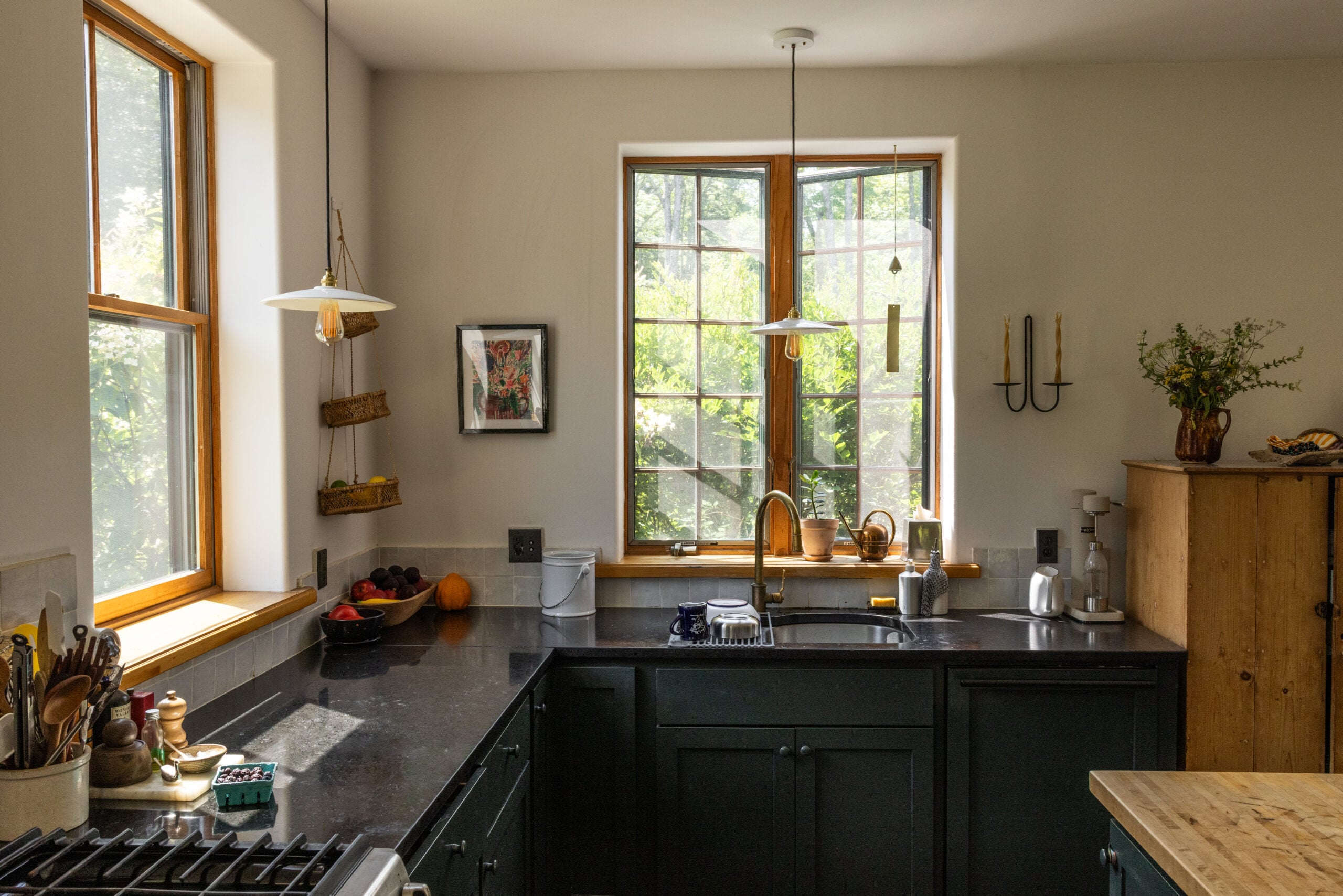
Living just five minutes from the beach, the family has adopted a lifestyle that prioritizes local resources. This is evident in their kitchen, where the focus has shifted from the ambitious, time-consuming culinary projects of their pre-parenting era to sustainable, efficient, and kid-friendly nutrition. The reliance on local fish markets—a staple of the Maine coastal economy—to prepare staples like yellowfin poke bowls reflects a broader trend of residents integrating regional food systems into their daily dietary habits.
Navigating the "Do-It-Yourself" Economy of Rural Maine
One of the most distinct challenges of living in rural Maine is the limited availability of specialized labor. The state’s workforce, while highly skilled, is often geographically dispersed and stretched thin. For newcomers, this often necessitates a rapid transition to self-reliance. Edmundson notes that early experiences with home repairs—specifically a broken drawer—served as a catalyst for her personal empowerment. By systematically deconstructing functional elements of the house to understand their mechanics, she developed a working knowledge of home maintenance that is increasingly common among those choosing to reside in the state’s more isolated corridors.
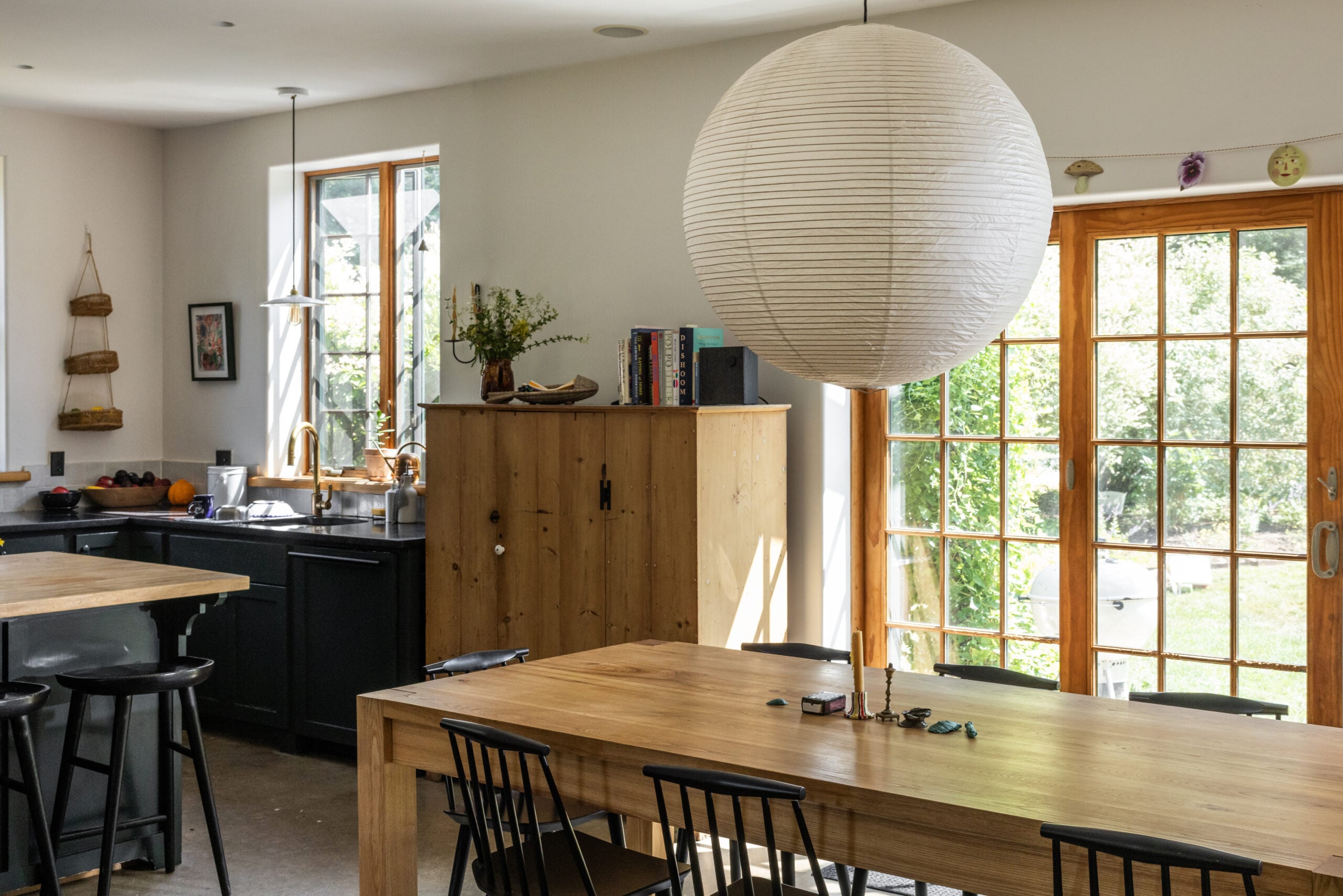
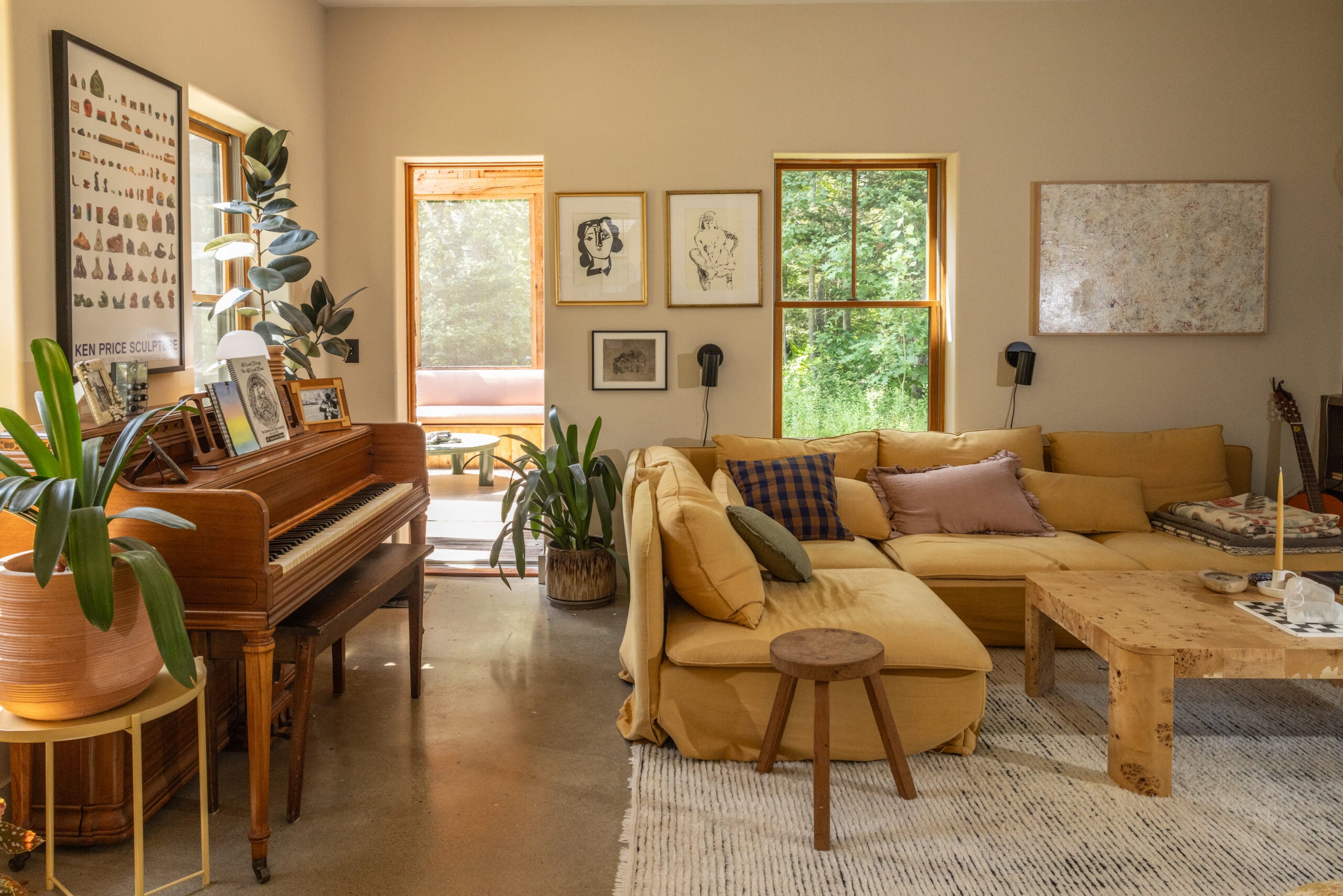
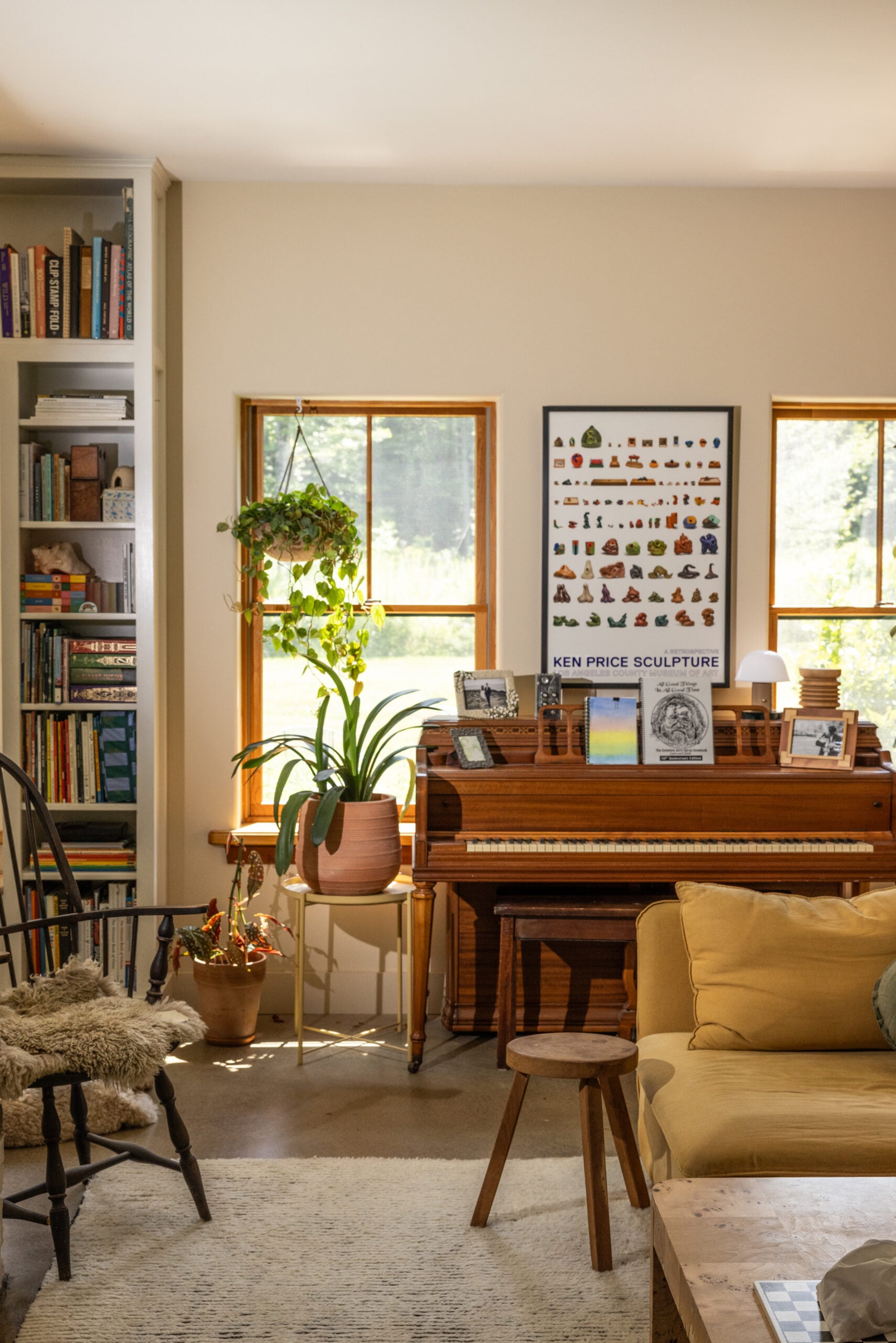
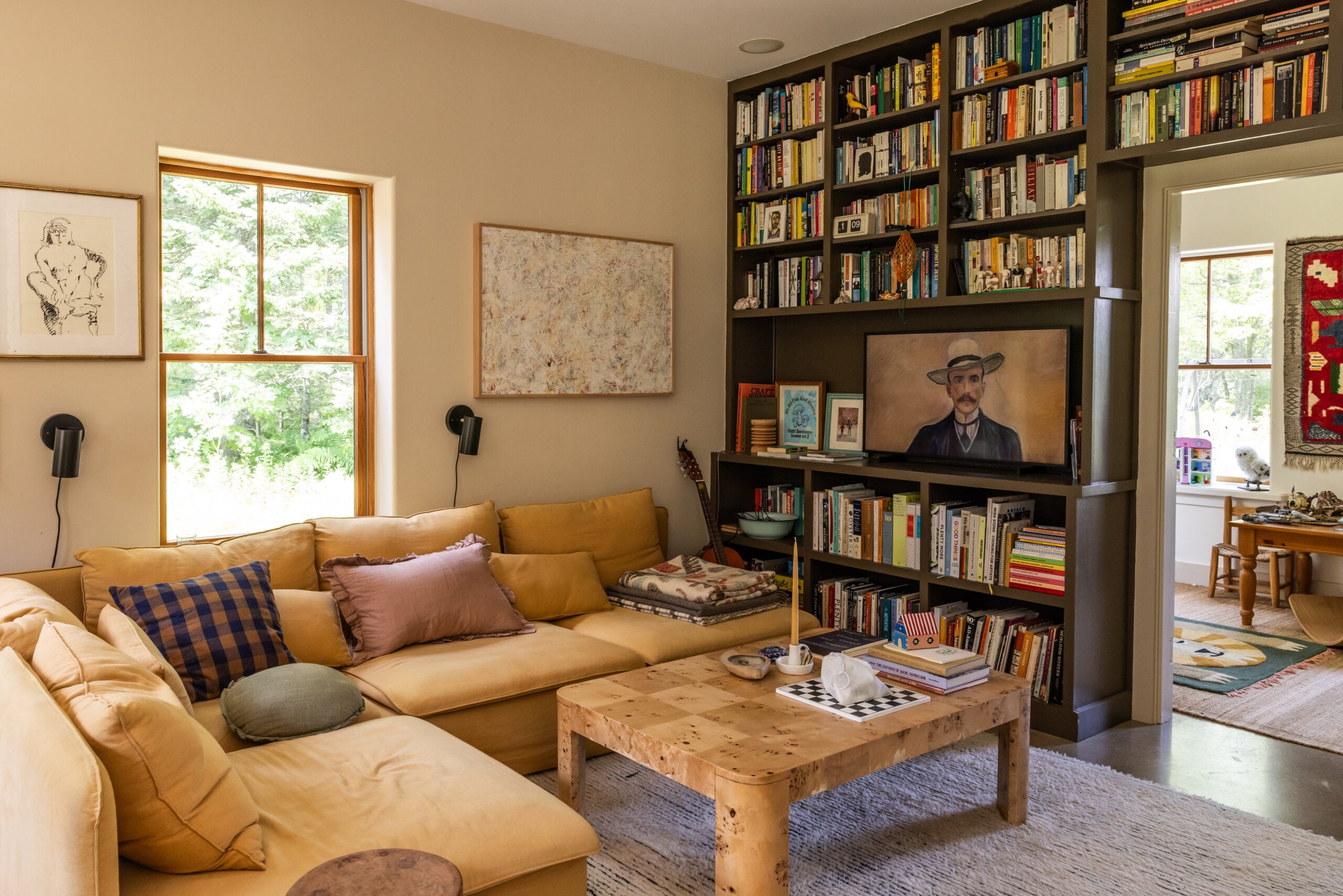
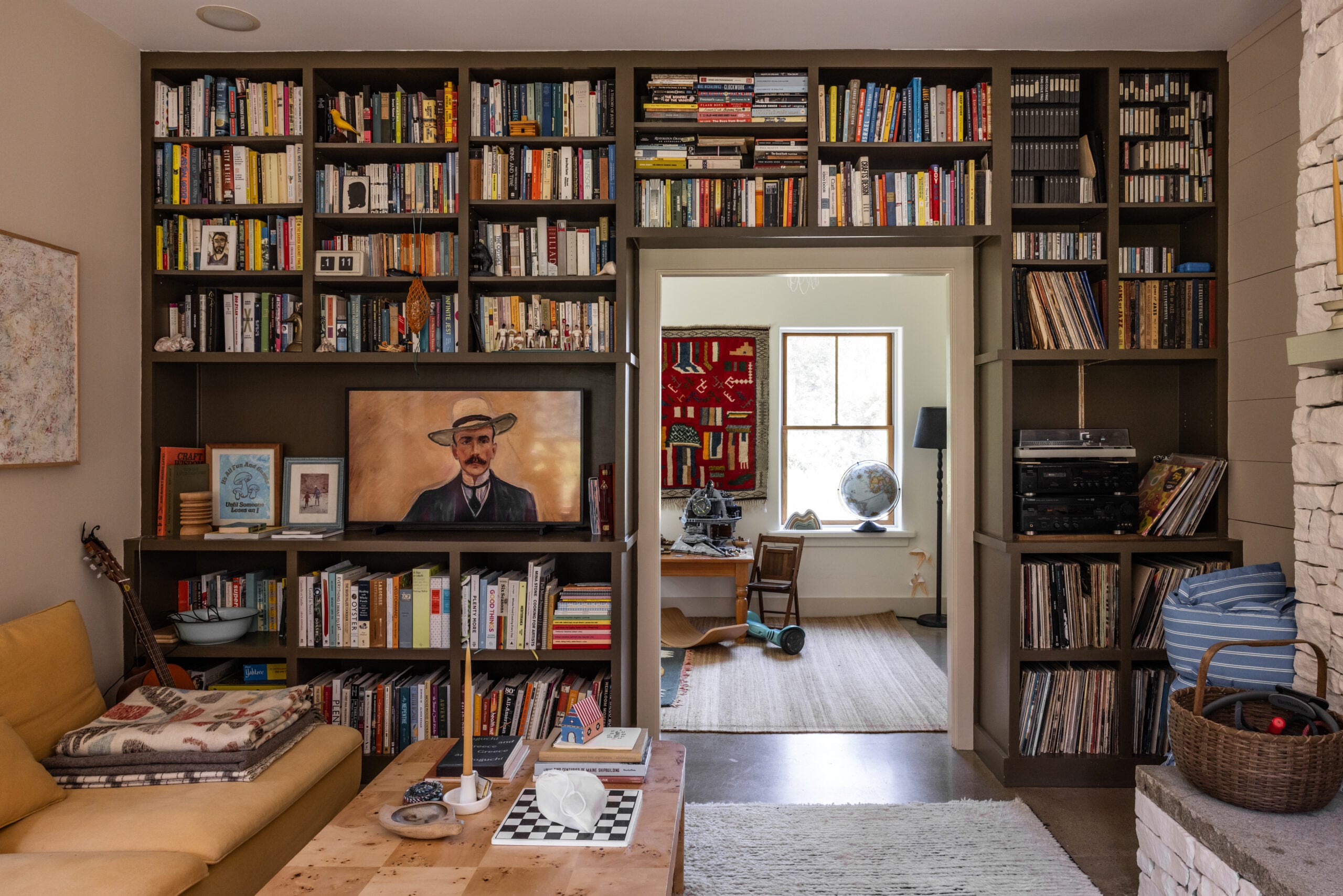
This DIY ethos extends beyond mere repairs. It is reflected in the home’s interior design, which favors custom craftsmanship over mass-produced furniture. The floor-to-ceiling bookshelf, constructed by Edmundson’s stepfather, serves as a focal point of the home, bridging the gap between functional storage and architectural art. Similarly, the sunroom features a hand-painted floor cloth by Edmundson, and the primary bedroom saw a full aesthetic overhaul during her husband’s absence—a move that underscores the importance of reclaiming personal agency within the home environment.
Chronology of Domestic Evolution
The family’s journey in Owls Head has been marked by phases of trial and error, particularly concerning spatial usage.
- Initial Transition: Upon moving in, the couple attempted to have their two sons share a bedroom, a common space-saving strategy. However, the resulting sleep disruptions necessitated a creative solution.
- The Closet Conversion: The family successfully repurposed a walk-in closet into a private bedroom for their youngest, Russ. This decision, while unorthodox, has proven highly successful, with the child expressing a preference for the "cozy" nature of the small space.
- The Primary Bedroom Renovation: Recognizing the toll that parenting early-years children takes on personal well-being, the primary bedroom remained in a state of flux until recently. The intentional renovation of this space—characterized by the use of Farrow & Ball’s "Setting Plaster"—represented a shift from survival-mode parenting to a more balanced, self-actualized domestic life.
Data and Psychological Context
The shift in the Edmundson household mirrors broader sociological trends regarding the "empty space" of parenting. As children move from infancy into their pre-teen years, the nature of parent-child interaction evolves from physical caretaking to intellectual and social engagement. Edmundson’s observation that her pre-teen son, James, is now a source of deep, complex conversation highlights the psychological benefits of this developmental milestone.
Furthermore, the integration of literature and routine—such as the practice of "morning pages," a concept popularized by Julia Cameron in The Artist’s Way—has provided a framework for managing the stresses of modern life. When Edmundson first implemented this practice, she described her life as "jagged," a common indicator of burnout in dual-career households. Years later, her description of a "balanced" life suggests that the environment of the home has acted as a stabilizer against the pressures of professional and parental responsibilities.
Architectural Influence and Aesthetic Choices
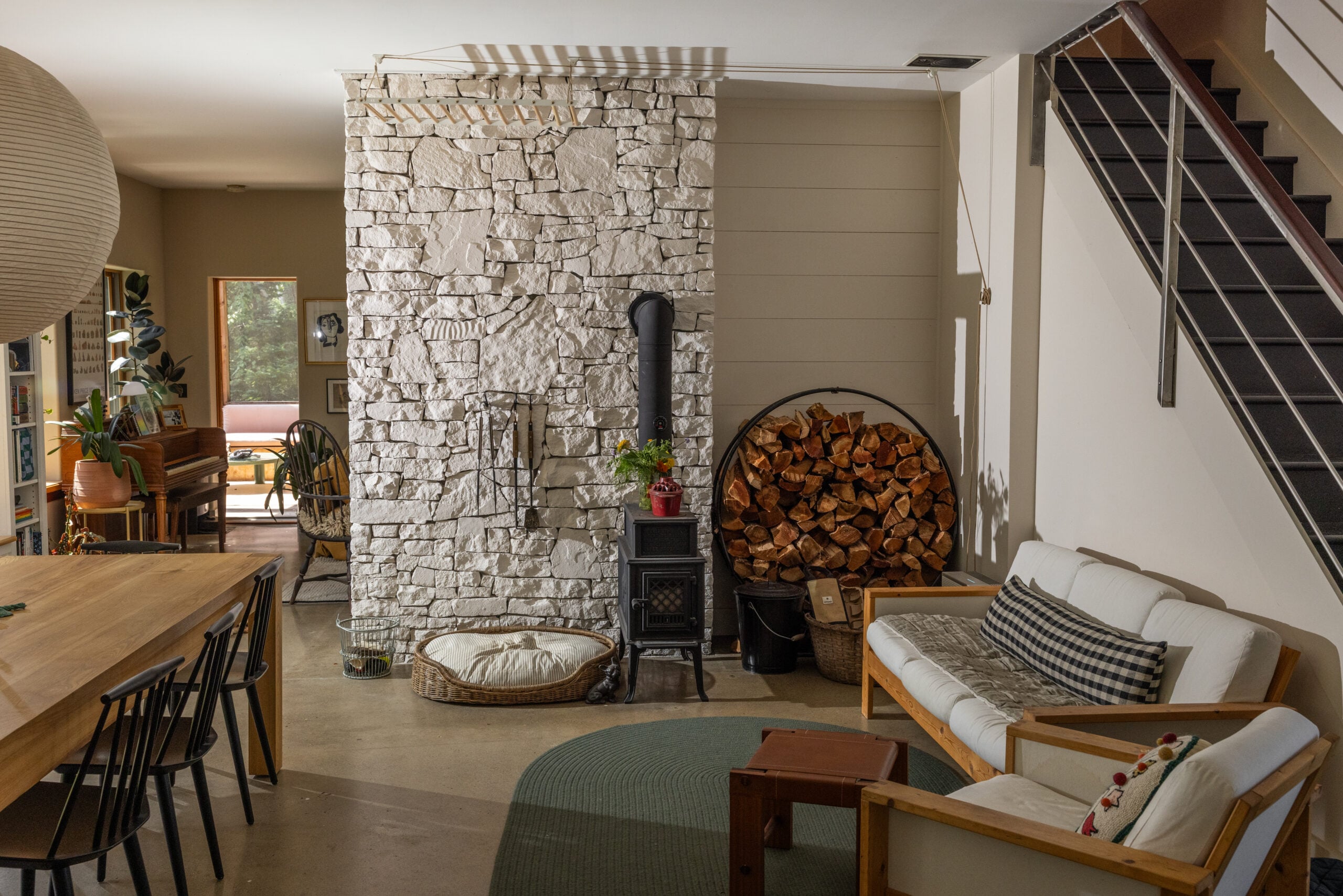
The home’s aesthetic is a deliberate mix of high-design elements and sentimental artifacts. The kitchen, painted in Benjamin Moore’s "Alabaster White" and Farrow & Ball’s "Studio Green," strikes a balance between contemporary cleanliness and traditional warmth. The inclusion of a Jotul stove in the TV room—a brand synonymous with Norwegian heating efficiency—is a nod to the realities of Maine winters, where the temperature can plummet well below freezing for extended periods.
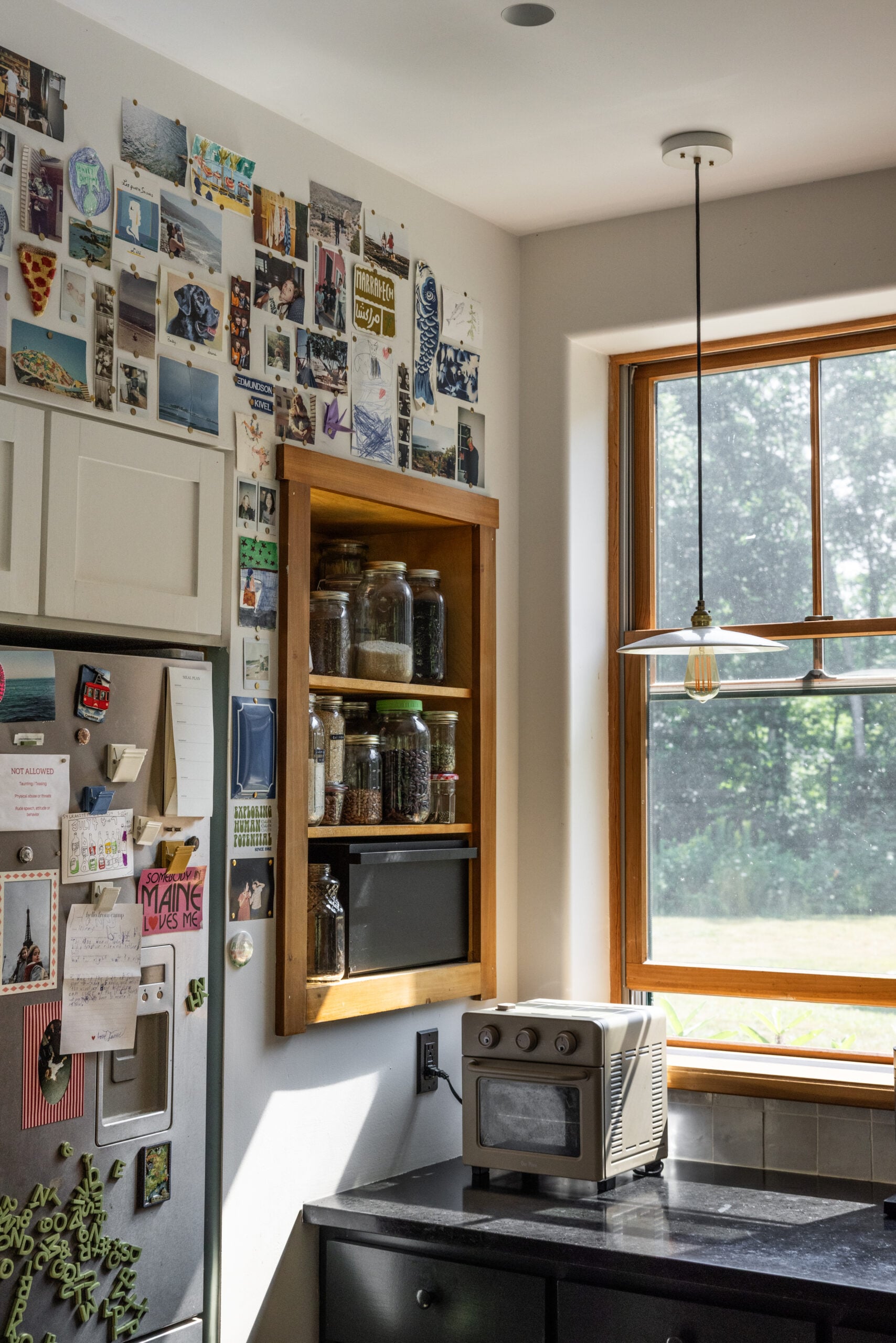
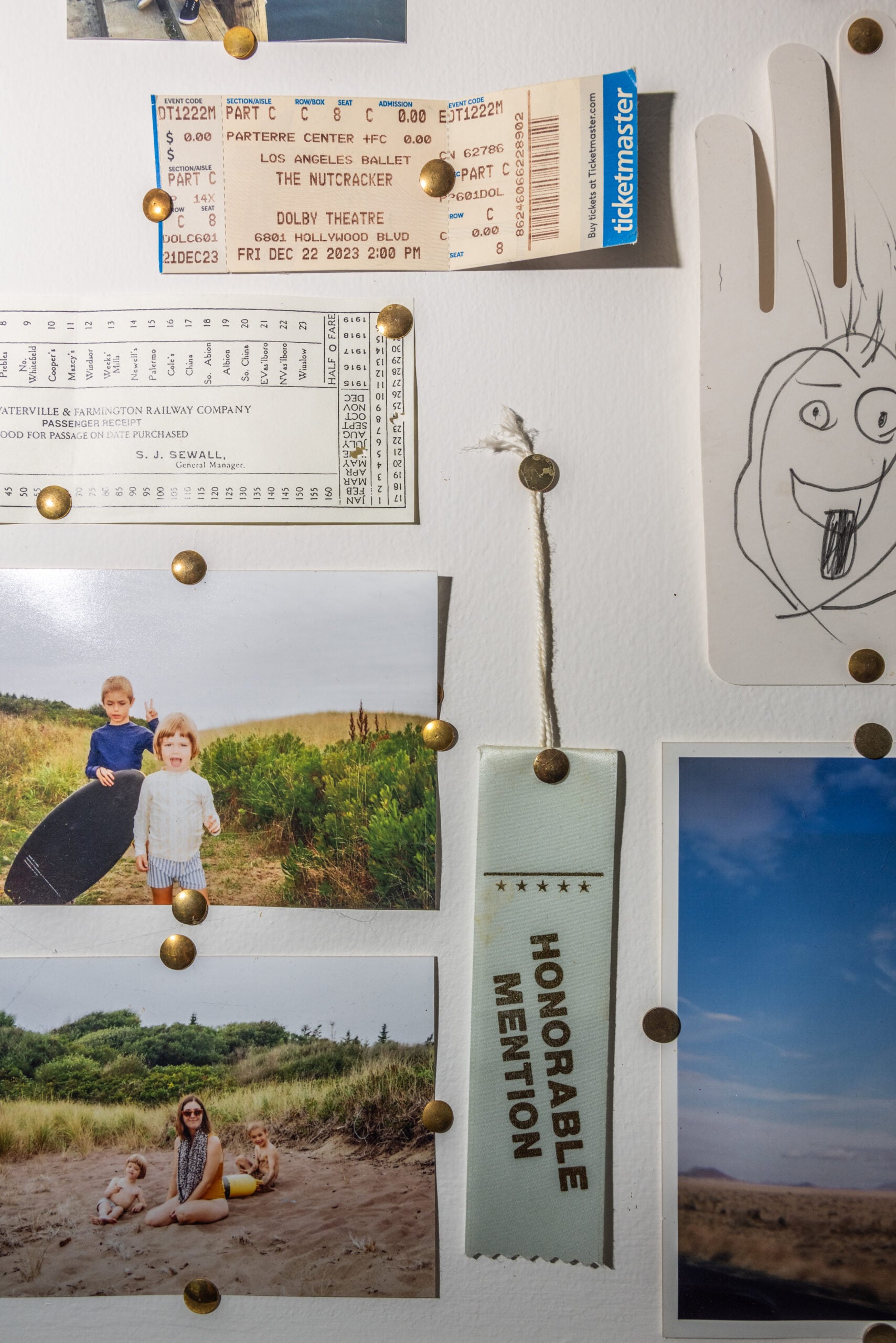
The "wall of memories," created from an assortment of family photographs and ephemera, stands as a rejection of the stark, minimalist trends that dominated architectural photography in the early 2020s. By prioritizing personal history over sterile design, the family has ensured that the house functions as a repository of their shared life, rather than a mere display of design trends.
Broader Implications of Remote Living
The Edmundson family’s experience serves as a microcosm for the migration patterns seen in New England over the past decade. As remote work has become more normalized, families are increasingly choosing to leave urban centers for states like Maine. However, as the family points out, the "Maine experience" is not passive. It requires an active commitment to exploring the state—often driving significant distances to access entertainment, specialized education, or community hubs like the toy stores and land trusts in Belfast.
The family’s routine of "mini-adventures" demonstrates that the perceived drawbacks of rural living—namely, the distance between amenities—can be reframed as an opportunity for family bonding. The reliance on the car for daily life in rural Maine is not a hindrance to the family, but a mechanism for discovery.
Conclusion: A Synthesis of Past and Present
The home in Owls Head is more than a residence; it is a synthesis of the family’s past and present. From the hand-me-down furniture that bridges the gap between their college years and their current lives, to the garden where Zinzi grows flowers like cupcake cosmos and edible nasturtiums, the property reflects a life curated with intention. As the Edmundson family continues to grow and adapt, their home remains a flexible, evolving environment—a testament to the idea that a house is not merely a structure, but a living, breathing component of the family unit itself. Through the lens of this specific Maine home, we see the enduring value of patience, the necessity of personal space, and the quiet joy of making a life in one of the most beautiful corners of the country.