House Democrats Split as Leadership Helps Republicans Block Al Green’s Impeachment Resolution Against President Trump

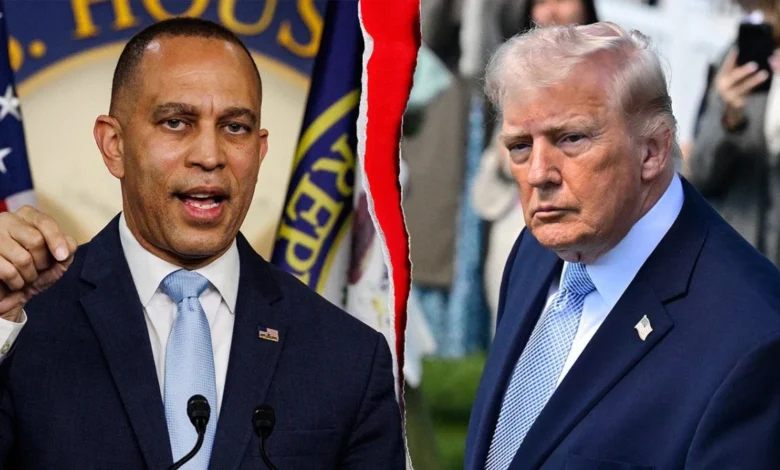
WASHINGTON — In a dramatic legislative showdown on Capitol Hill, dozens of House Democrats joined forces with Republicans on Tuesday to decisively quash a long-shot impeachment resolution targeting President Donald Trump. The procedural maneuver laid bare deep ideological fissures within the Democratic caucus, exposing a widening chasm between progressive agitators demanding immediate accountability and establishment leaders focused on strategic discipline ahead of high-stakes midterm elections.
The resolution, brought forward by outgoing Representative Al Green, a Texas Democrat known for his persistent efforts to oust Trump, centered on the controversial fatal shootings of two U.S. citizens by federal immigration officials earlier this year. Green utilized a privileged resolution mechanism to force a chamber-wide vote, bypassing typical committee hurdles and demanding that every lawmaker go on the record.
Instead of allowing a direct vote on the merits of the impeachment measure, the House voted 232 to 147 to table the resolution. The procedural tool effectively killed the bill while shielding lawmakers from taking an up-or-down vote on the contentious question of presidential impeachment.
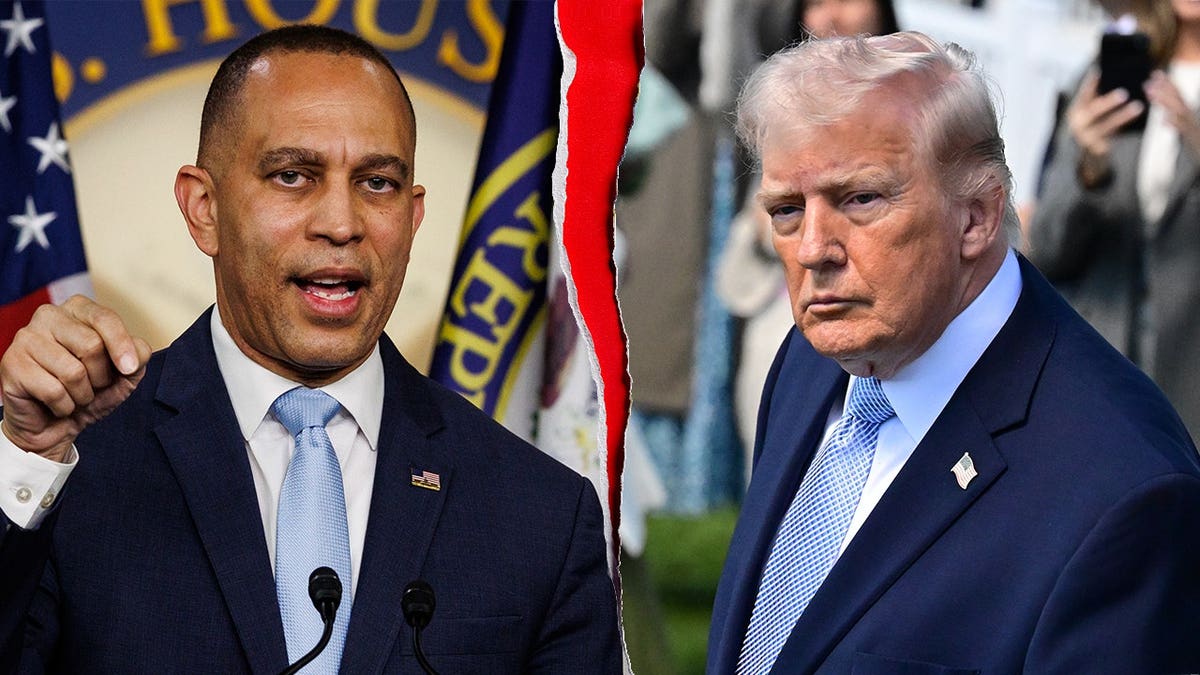
The vote revealed a deeply fragmented Democratic minority. Eighteen House Democrats broke ranks to vote alongside the Republican majority in favor of shelving the resolution, while 46 voted “present.” Nearly 150 Democrats bucked party leadership to support advancing the measure, reflecting intense pressure from the party’s progressive base. Among those voting “present” was House Minority Leader Hakeem Jeffries of New York and several members of his top leadership team.
The Legislative Showdown and Procedural Mechanics
The procedural path to Tuesday’s vote began when Representative Green invoked his constitutional privilege to introduce the articles of impeachment. Under House rules, certain privileged resolutions require the chamber to take action within legislative days, compelling leadership to address measures they would often prefer to ignore.
Green’s resolution specifically cited the deaths of two American citizens at the hands of federal immigration enforcement personnel earlier in the year, framing the incidents as an abuse of executive power and a violation of civil liberties.
Recognizing the political trap laid by the resolution, House Republican leadership moved swiftly to offer a motion to table. In congressional procedure, a motion to table is non-debatable and requires a simple majority to pass. By voting to table, lawmakers effectively disposed of the resolution without debating the substantive allegations contained within it.
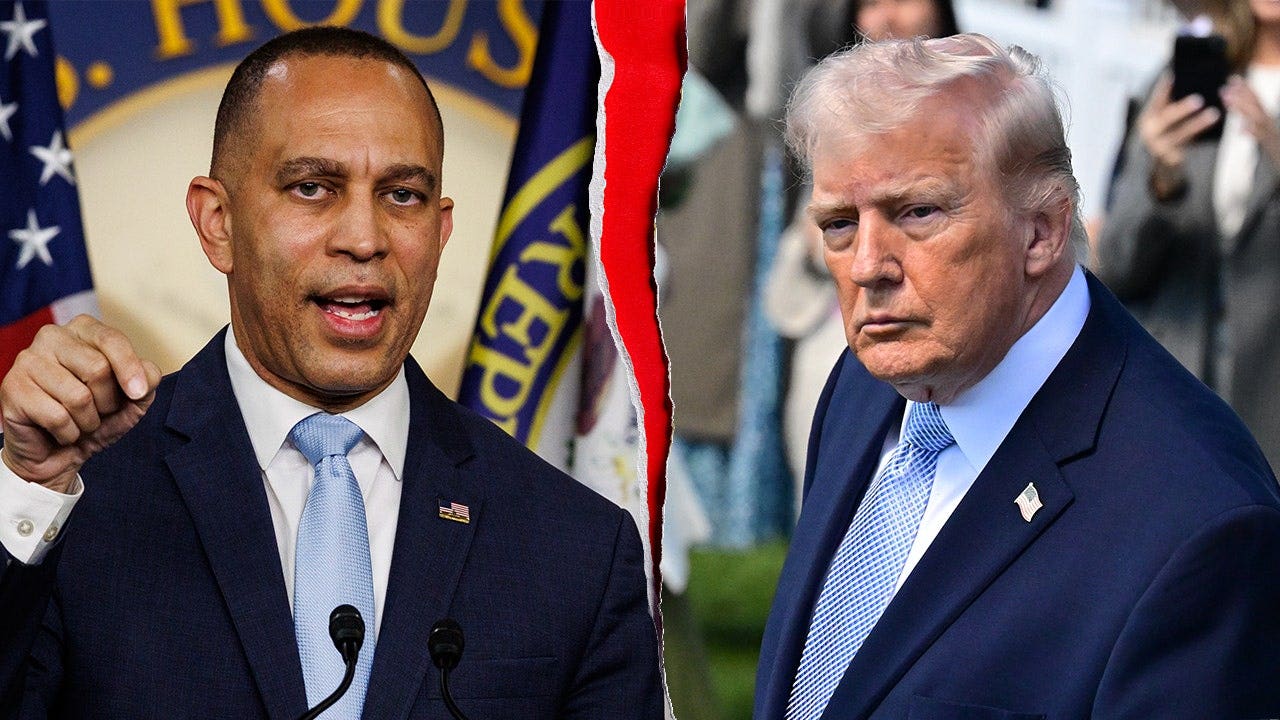
When the tally was finalized, 232 members voted in the affirmative to bury the resolution, while 147 opposed the maneuver. The bipartisan nature of the tabling vote—bolstered by the 18 Democrats who crossed the aisle and the 46 who registered “present”—demonstrated that a solid majority of the House remains unwilling to pursue impeachment under the current circumstances.
The Strategic Tightrope for House Democrats
Tuesday’s vote underscored the acute political dilemma facing congressional Democrats as they navigate the remainder of the legislative term. Party strategists and leadership have spent months urging members to keep their focus squarely on economic issues—such as the high cost of living, inflation, and healthcare affordability—which polling consistently shows are top-of-mind for independent and moderate voters.
House leadership feared that embracing a premature impeachment push would hand Republicans a potent fundraising and messaging tool. GOP operatives would likely use an impeachment vote to paint Democrats as out-of-touch partisans obsessed with political retribution rather than governance.
However, ignoring the base carries its own political peril. Millions of progressive voters and grassroots activists view Trump’s policies and executive actions through an existential lens, demanding unyielding resistance from their elected representatives in Washington. For these constituents, voting to table or registering a "present" vote is seen as a betrayal of core values.
This tension was vividly illustrated by the split within the leadership ranks. By opting for a “present” vote, Minority Leader Jeffries and his senior deputies attempted to walk a narrow line: they avoided actively voting to impeach a sitting president without a rigorous investigatory foundation, while simultaneously avoiding a direct vote to protect Trump, which would have infuriated the progressive wing.
Official Statements and Reactions from Capitol Hill
In a joint statement released following the vote, senior House Democratic leaders defended their tactical positioning, arguing that true impeachment requires a deliberate, methodical investigative process that has yet to take place.
"Impeachment traditionally requires a comprehensive investigative process, the collection and review of thousands of documents, an exacting scrutiny of the facts, the examination of dozens of key witnesses, congressional hearings, sustained public organizing and the marshaling of the forces of democracy to build a broad national consensus," the leadership team stated.
"None of that serious work has been done, with the Republican majority focused solely on rubber-stamping Donald Trump’s extreme agenda. Accordingly, we will again vote ‘present’ on the motion to table the impeachment resolution as we continue our fight to make life more affordable for everyday Americans, while committing to holding the crooks accountable using every tool available to us beginning on day one."
Representative Green, however, offered a blistering critique of his party’s leadership during an impassioned exchange with reporters ahead of the vote. Green rejected the argument that caution and patience are required, asserting that moral clarity should supersede political calculations.
"They will acknowledge that what the president is doing is impeachable, but they would have us wait. Well, the Constitution doesn’t have a wait clause in it," Green said. "I believe that there are some Republicans and Democrats who are considering voting to protect the president. If they’re not considering protecting him, that will be the effect of what they will do when they vote to either table or they vote to send this to a committee for further investigation."
Green’s defiance is part of a broader, long-running strategy. He previously forced a similar House-wide vote to impeach Trump in June 2025, during which 128 Democrats joined Republicans to table that resolution.
Broader Implications and Historical Context
Tuesday’s vote highlights the recurrent friction between progressive firebrands and pragmatic institutionalists within the Democratic Party. While high-profile floor fights over impeachment can energize core activists, they frequently alienate the suburban swing voters who ultimately determine control of the House.
Furthermore, the episode reflects the unique political vulnerability of outgoing members. For Representative Green, who suffered a primary defeat earlier this cycle amid a broader wave of anti-establishment sentiment among left-wing primary voters, the resolution served as a final legislative battle cry. Having lost his seat, Green faced few political disincentives to defy leadership and force a contentious floor vote.
Political analysts note that the outcome of Tuesday’s vote reinforces the prevailing power dynamics in Washington. With Republicans holding the chamber majority and a significant bloc of Democrats prioritizing economic messaging and electoral pragmatism, any pathway to impeachment remains virtually non-existent in the current Congress.
As both parties look toward the critical November midterms, Tuesday’s floor battle serves as a stark reminder of the deep internal divisions shaping the legislative agenda. For Democratic leaders, managing these competing pressures will remain one of their most delicate challenges as they attempt to balance grassroots fervor with broader electoral appeal.