Cup of Jo readers share their favorite school photos and the memories behind them

The ritual of the annual school portrait serves as a foundational milestone in the American educational experience, acting as a visual ledger of childhood development. Recently, a digital initiative conducted via social media platform Instagram invited readers of the publication Cup of Jo to submit their most memorable school portraits, accompanied by the personal narratives that defined those moments. The resulting collection provides a window into the intersection of personal identity, fashion trends, and the universal, often humorous, experience of growing up under the lens of a school photographer.
The Historical Significance of the School Portrait
To understand the cultural weight of these submissions, one must examine the origins of the school portrait industry. The practice of mass-produced student photography became standardized in the mid-20th century. According to industry data from organizations like Lifetouch, the school photography sector has evolved from simple headshots into a multi-million-dollar industry that captures the progression of millions of students annually.
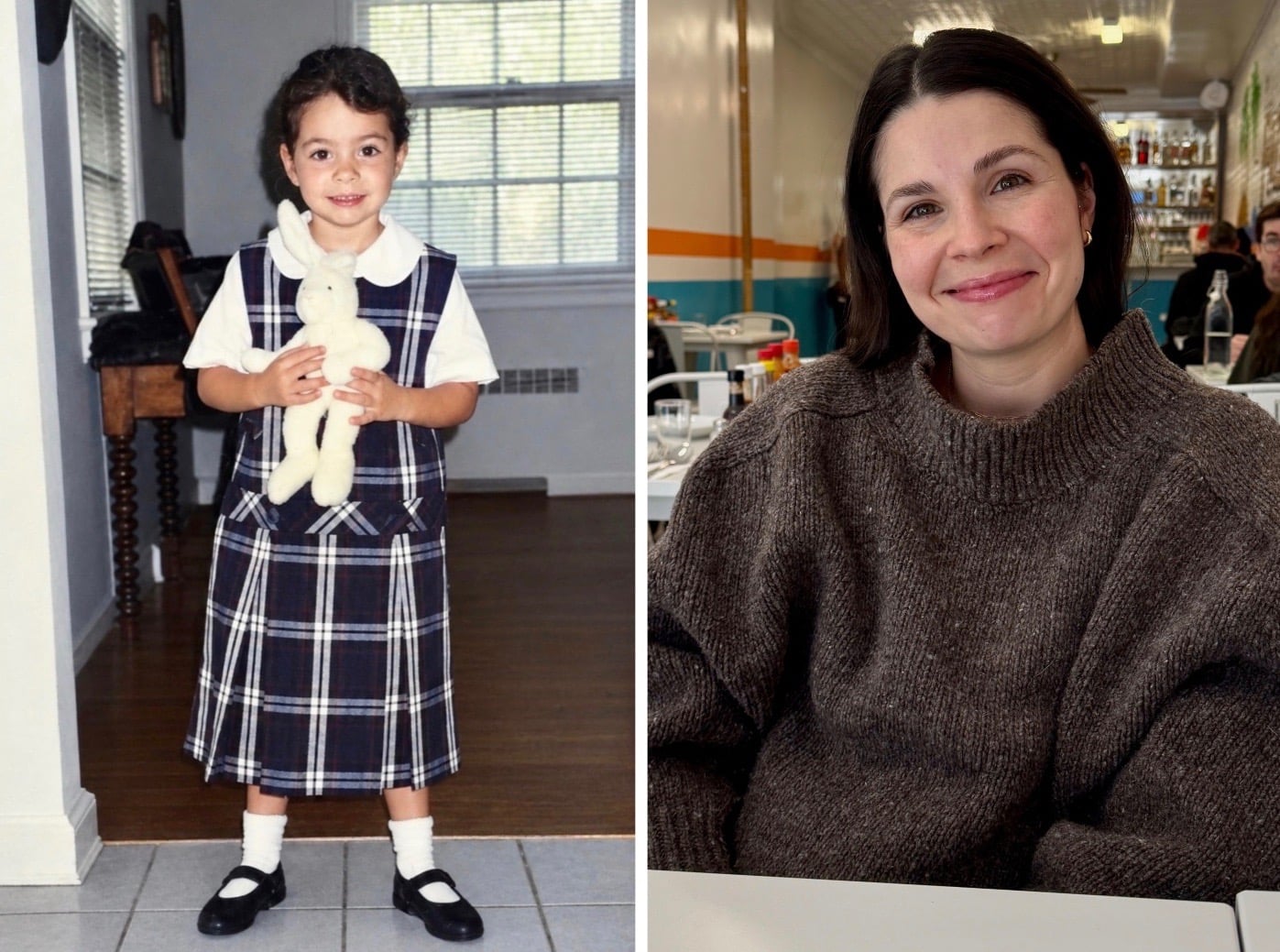
These portraits act as a chronological timeline of a child’s life, reflecting not only physical maturation but also the shifting aesthetic norms of the era in which they were taken. From the oversized uniforms mentioned by New York-based contributor Maddie—intended by parents to be "economical" by allowing for years of growth—to the home-permed hair of 1987 Ontario, these images serve as artifacts of domestic life and middle-class parenting strategies.
A Chronology of Self-Expression
The submissions highlight how children utilize the limited autonomy granted to them within the constraints of school dress codes. For many, the portrait session was the one day a year where personal agency over one’s image was possible, even if that agency was limited by parental oversight or institutional rules.
- The Early Years (Kindergarten – 2nd Grade): During this phase, personal style is often dictated by family choices. Contributors noted that these years were characterized by a lack of self-consciousness, allowing for the inclusion of whimsical accessories, such as the beret worn by a New Jersey contributor, which she described as becoming her "entire personality" at the time.
- The Middle School Transition (3rd – 8th Grade): This period represents a significant shift toward peer-conscious image management. The narratives provided by contributors such as Dan, from New York, highlight the tension between authentic self-expression and the desire to conform to avoid social stigmatization. In his case, a favorite tie became a proxy for personality in an environment where strict uniforms otherwise suppressed individuality.
- The High School Era (9th – 12th Grade): By the final years of secondary education, the school portrait often becomes a statement of identity, reflecting extracurricular involvement and the social hierarchy of the school. Contributors described this period with a mix of nostalgia and irony, noting the "peak" experiences of youth that are often viewed with retrospective humor.
Sociological Implications of the "Awkward Stage"
Psychologists have long studied the "awkward phase" of adolescence, a period where physical growth often outpaces emotional regulation. The stories shared by the readers indicate that these photographs serve as a therapeutic tool in adulthood. By revisiting these images, individuals often report a reduction in the severity of their self-criticism.
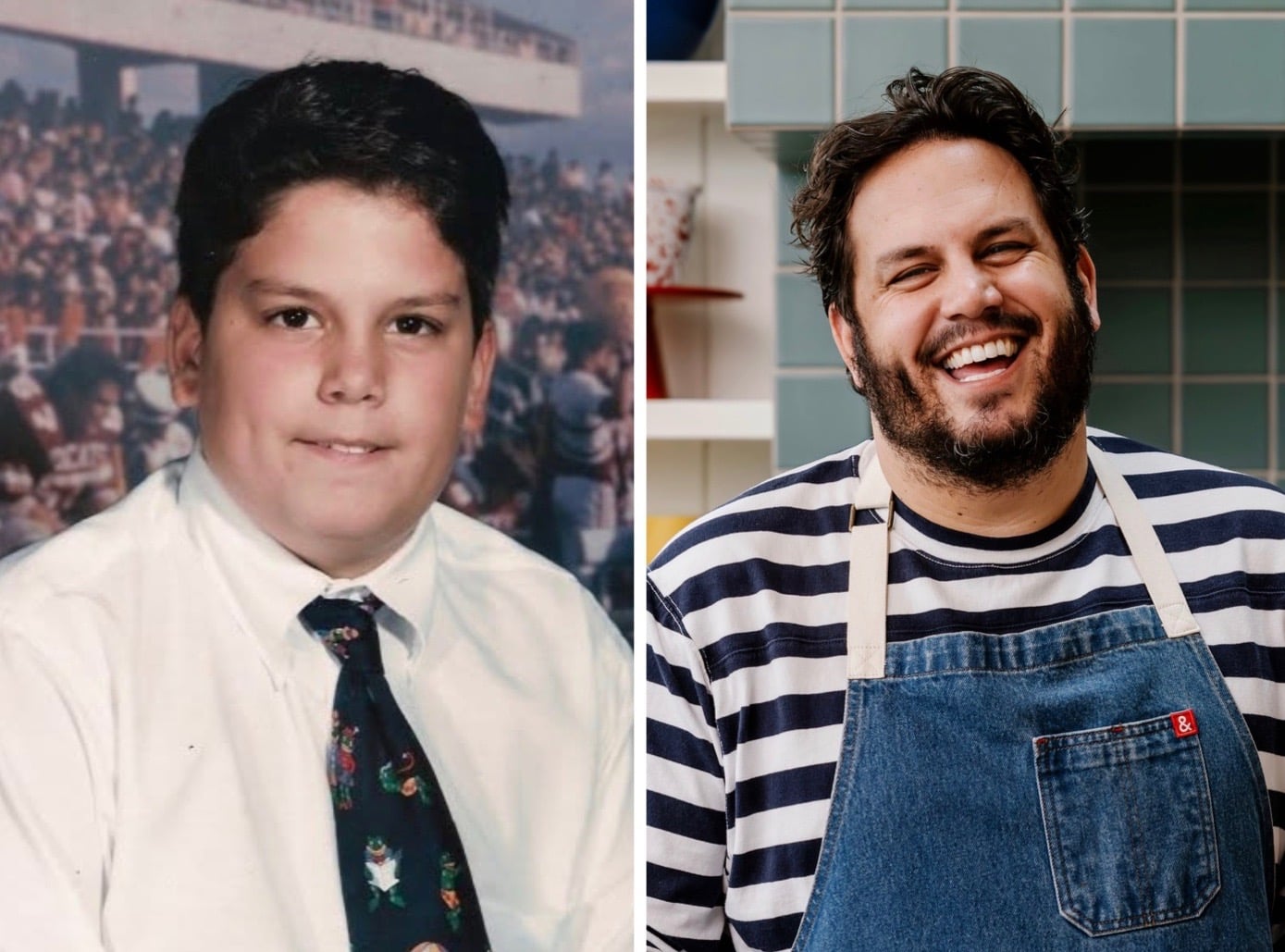
"Sharing these photos allows for a collective reframing of the ‘awkward stage,’" notes one contributor, Martha, a middle school teacher who utilizes her own childhood portraits as a pedagogical tool. By showing her students these images, she attempts to normalize the experience of physical and social insecurity. This act of vulnerability serves to bridge the generational gap, providing students with a sense of perspective that their current challenges are temporary and shared by those they look up to.
Data Trends in School Photography
While the aesthetic of school photos has changed—moving from the stark, blue-screen backdrops of the 1980s and 90s to the more varied, professionalized studio backgrounds of the modern era—the underlying psychology remains consistent. Data from portrait studios suggest that the "school photo" remains one of the few tangible keepsakes in an increasingly digital world. Despite the ubiquity of smartphone cameras, the formal school portrait continues to hold a high premium, with families consistently opting for print packages despite the rise of digital-only media.
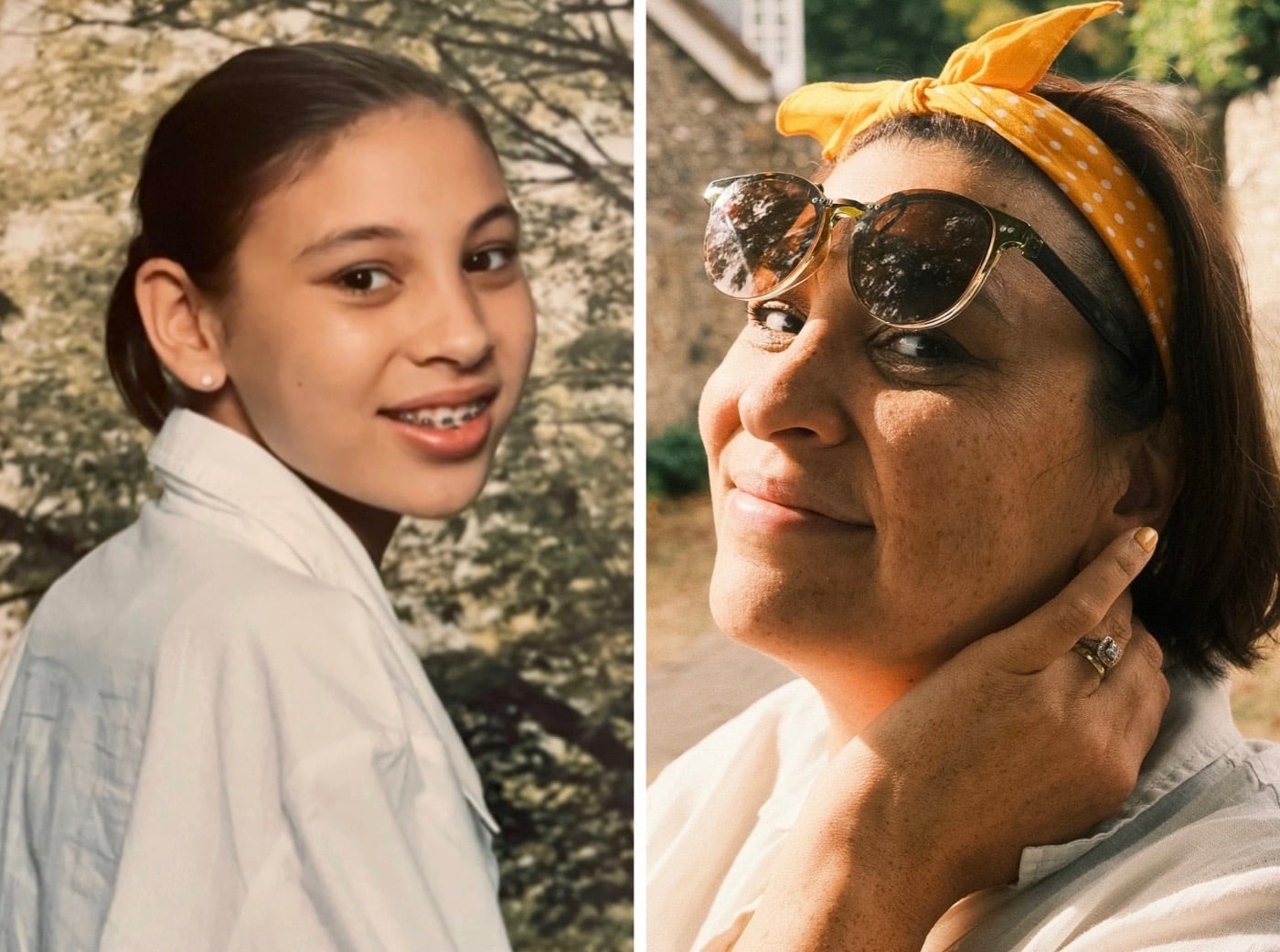
The trend of sharing these images on social media platforms, such as the initiative hosted by Cup of Jo, suggests a shift in how we process these memories. Rather than keeping them relegated to physical albums, public sharing fosters a sense of communal belonging, as participants bond over shared experiences of bad haircuts, outdated fashion choices, and the universal struggle to maintain a "natural smile" when prompted by a photographer.
Analysis of Personal Narratives
The stories accompanying the portraits provide essential context that elevates the images from simple photographs to biographical records.
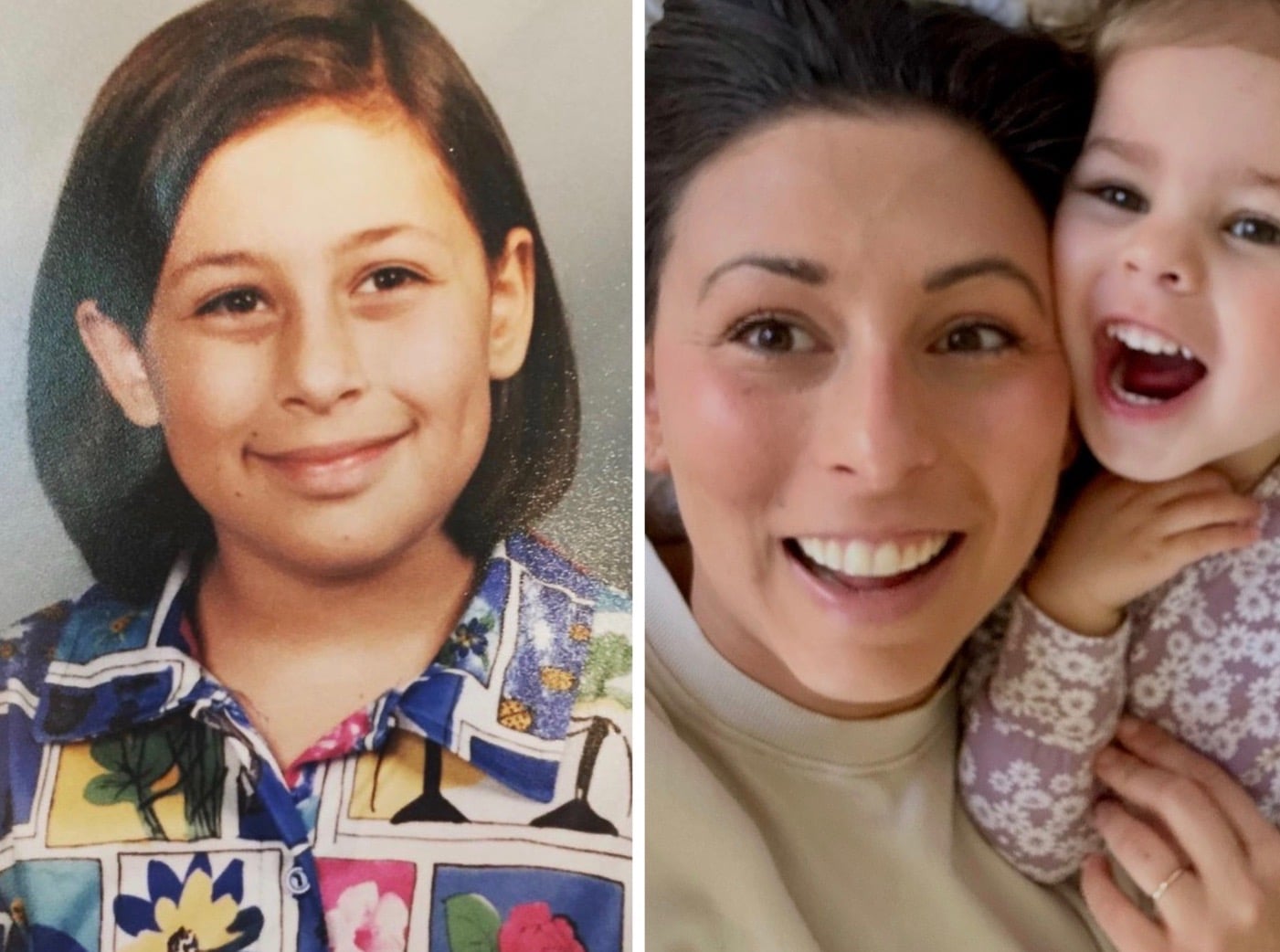
- Fashion as Rebellion: For some, the choice of attire was a form of defiance or a test of boundaries. The inclusion of "dangling Mexican hoops" by a California reader or the intentional, theater-inspired outfits of others, illustrates how children use clothing to signal their interests and aspirations before they have the language to do so.
- Parental Influence: The narratives frequently highlight the role of parents in shaping these memories. Whether through "home perms" that backfired or the quiet support of a child’s eccentric style, the portraits act as a testament to the parental support systems that allowed these individuals to explore their identities.
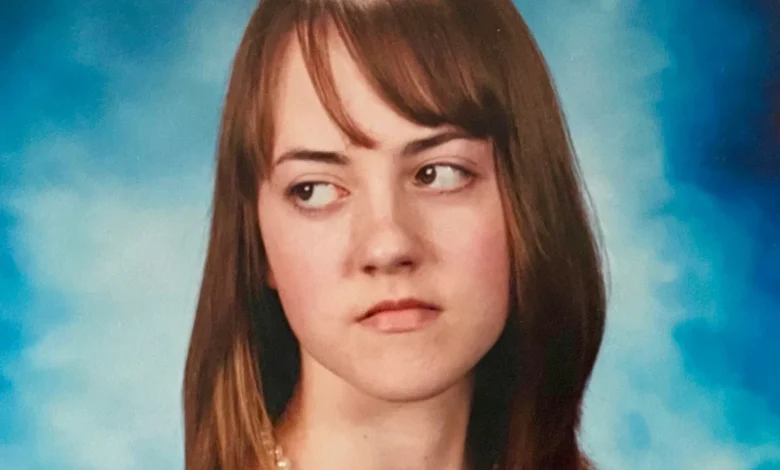
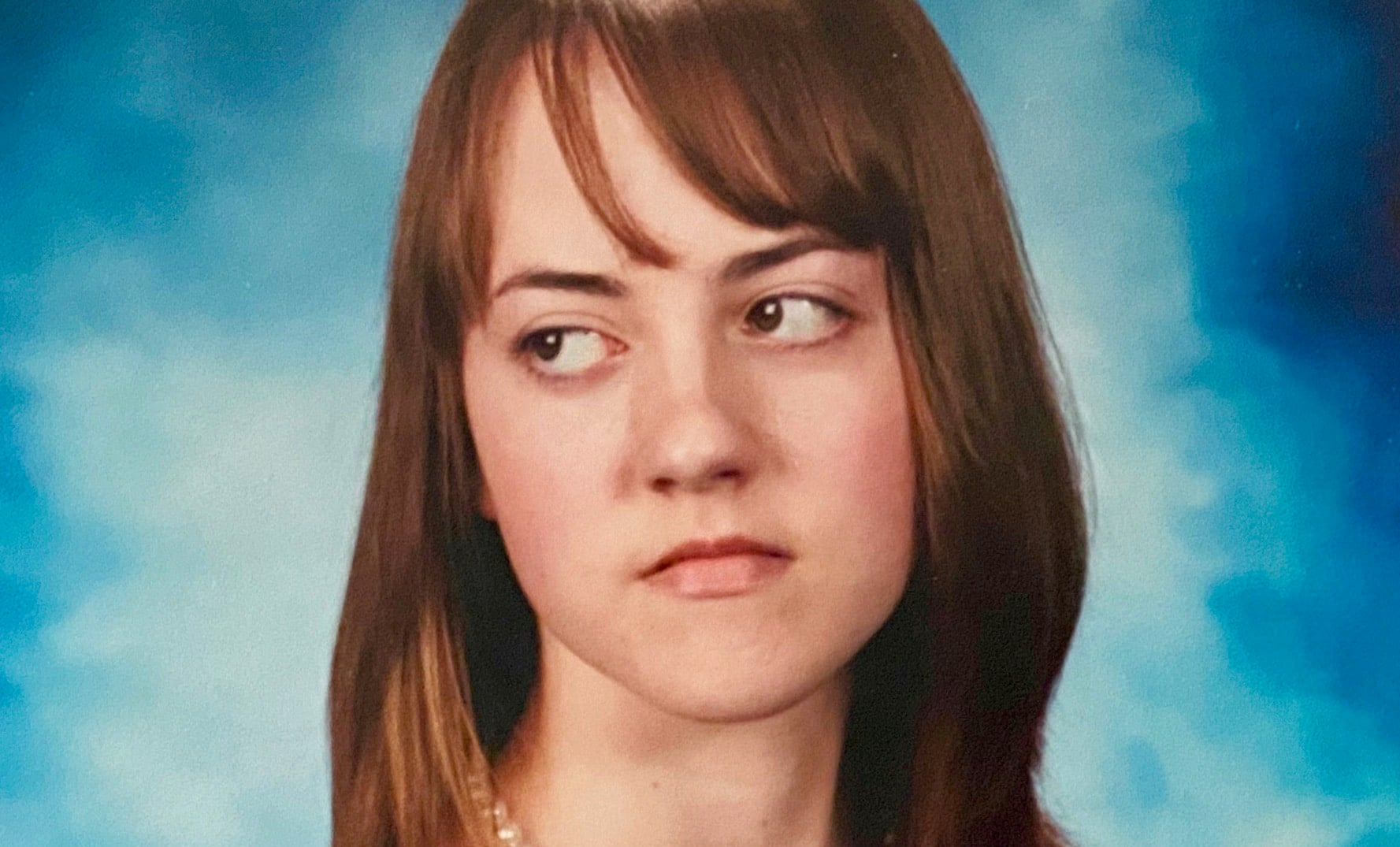
- The "Resting Face" Phenomenon: Several contributors noted the disconnect between the photographer’s instructions—such as "say boys" or requests for a "gentle gaze"—and their actual output. These moments of unintended facial expression highlight the pressure placed on children to perform happiness for the camera, often resulting in portraits that reveal more about the child’s true feelings than the photographer intended.
Broader Impact and Future Outlook
The enthusiasm surrounding this reader-led project underscores a growing trend in digital media: the desire for authentic, low-stakes content that prioritizes human connection over polished, curated aesthetics. In an era dominated by high-definition social media filters and professional content creation, the "awkward school photo" stands as a refreshing, grounding force.
The implications for the industry are clear: the value of the school portrait is not in its technical perfection, but in its ability to capture a specific, unrepeatable moment in a child’s life. As schools continue to modernize their photography services, the inclusion of more candid, personality-driven options suggests that the industry is responding to the public’s desire for more genuine representation.
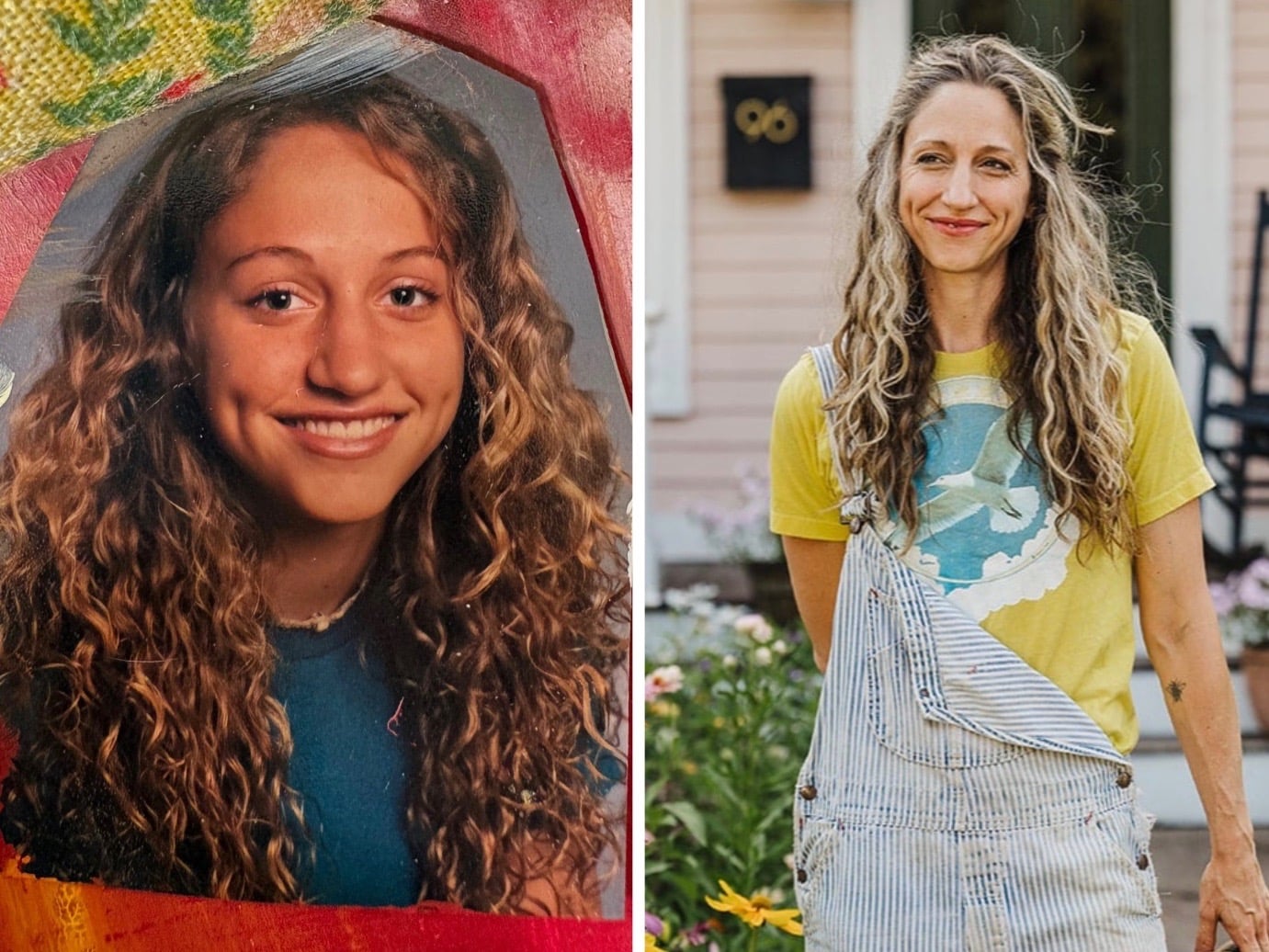
Ultimately, the act of reflecting on these images provides a necessary sense of continuity. By viewing the arc of their own lives through the lens of annual portraits, the contributors demonstrate that growth is a messy, often cringeworthy, but fundamentally human process. The "bombastic side-eye" or the "too-large uniform" are not failures of the past, but rather milestones that mark the path toward the individual’s present self. As this collection continues to grow, it serves as a collective archive of childhood, one frame at a time.