The Science and Utility of Bone Conduction Audio Technology: A Comprehensive Analysis

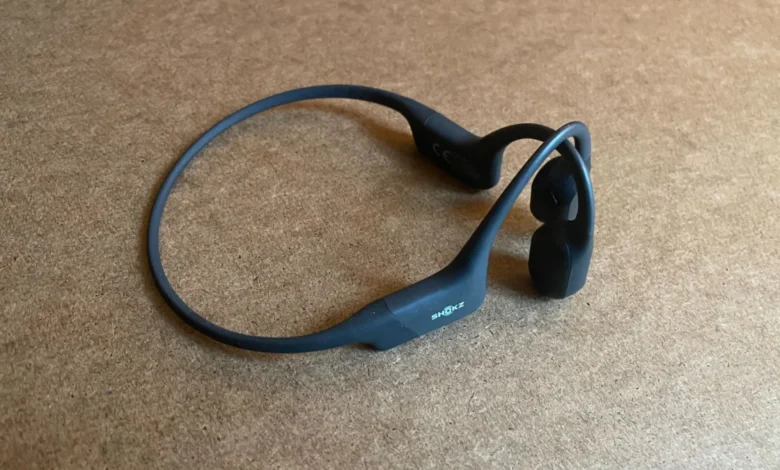
Bone conduction technology has transitioned from a niche medical application for those with conductive hearing loss to a mainstream consumer electronics phenomenon. By bypassing the traditional air-conduction pathway—where sound waves vibrate the eardrum—bone conduction headphones deliver audio directly to the inner ear via the skull’s temporal bone. While this technology offers distinct advantages for situational awareness and auditory health in noisy environments, it also presents unique limitations regarding acoustic fidelity. Understanding the mechanics, history, and physiological impact of this technology is essential for consumers evaluating the efficacy of these devices in their daily lives.
The Physiology of Hearing: Air Versus Bone Conduction
To understand how bone conduction operates, one must first distinguish it from standard auditory perception. Conventional hearing relies on the conversion of airborne sound waves into mechanical vibrations by the tympanic membrane, or eardrum. These vibrations are amplified by the ossicles—the malleus, incus, and stapes—in the middle ear before reaching the cochlea. In the cochlea, fluid-filled structures translate these vibrations into neural impulses that the brain interprets as sound.
Bone conduction effectively shortcuts this process. By placing a transducer against the zygomatic bone (the cheekbone) or the mastoid process, the device transmits high-frequency vibrations directly to the cochlea. This bypasses the outer and middle ear entirely. This phenomenon is not merely a modern engineering feat; it is a fundamental biological reality. Individuals experience bone conduction every time they speak, as the sound of one’s own voice reaches the inner ear through both air conduction and the vibration of the skull. This is precisely why the human voice sounds significantly different when heard via a recording compared to internal perception.
Historical Precedents and Technological Development
The history of bone conduction dates back centuries, with the most famous anecdotal evidence involving Ludwig van Beethoven. As the composer suffered from progressive hearing loss in his late 20s and 30s, he reportedly utilized a conductive rod. By biting down on a wand attached to his piano, he could feel the vibrations of the music through his jawbone, allowing him to perceive the notes despite his severely damaged eardrums.
The formalization of this concept into modern consumer electronics began in the mid-20th century, primarily within the medical sector. Bone-anchored hearing aids (BAHA) were developed to assist patients with chronic ear infections, congenital atresia, or other conditions where the ear canal is obstructed or non-functional. It was not until the early 2010s that brands like AfterShokz (now rebranded as Shokz) successfully commercialized the technology for the athletic and general consumer markets. This shift marked a departure from corrective medical devices toward wearable lifestyle electronics.
Comparative Performance: Data and Hybrid Approaches
A common point of contention among consumers is whether these devices are truly "bone conduction" or simply speakers resting on the skin. Scientific testing confirms that these devices utilize both mechanisms. When a user plugs their ears while wearing bone conduction headphones, the audio remains audible, confirming the efficacy of the skull-vibration pathway. However, the air-conducted sound—the leakage of vibrations from the transducer into the surrounding air—is also a factor.
Modern engineering has responded to the criticism regarding sound quality through hybrid design. For instance, recent iterations of high-end bone conduction devices incorporate dual-transducer systems. These systems utilize specific drivers for lower-frequency air transmission to supplement the bone-conducted high frequencies. This hybrid approach seeks to resolve the "tinny" sound profile that plagued earlier models, providing a more balanced frequency response. Data suggests that while these improvements are significant, they still fall short of the high-fidelity sound reproduction found in high-end closed-back or noise-canceling headphones, which can isolate the user from ambient noise through passive or active electronic means.
Safety, Auditory Health, and Occupational Utility
From an audiological perspective, the safety profile of bone conduction headphones is comparable to that of traditional earbuds. The risk of noise-induced hearing loss (NIHL) is dictated by the intensity and duration of sound exposure at the cochlea, regardless of whether the vibration enters through the eardrum or the bone. If a device is operated at excessive volumes, the risk of damage to the hair cells within the cochlea remains the same.
However, bone conduction offers a distinct safety advantage: the preservation of ambient awareness. Because the ear canal remains unobstructed, the user can maintain an acute sense of their surroundings. This is a critical factor for cyclists, runners, and industrial workers who must monitor traffic or machinery while consuming audio content. Furthermore, the combination of bone conduction headphones and silicone earplugs provides a unique solution for those in high-decibel environments. By blocking external noise with earplugs and utilizing the bone-conducted music for auditory stimulation, users can effectively lower their total sound exposure while maintaining engagement with audio content. This practice is increasingly recognized by occupational health experts as a viable strategy for reducing noise fatigue in noisy industrial settings.
Limitations and Market Implications
Despite the benefits, potential buyers must weigh the technical limitations. Bone conduction headphones generally lack the deep, resonant bass response of traditional dynamic or planar magnetic drivers. Because the skull does not transmit low-frequency vibrations as effectively as air, the resulting sound profile often emphasizes mid-range frequencies.
Furthermore, these devices are not suitable for high-fidelity critical listening. The leakage of sound is an inherent property; because the speakers must vibrate to function, they inevitably vibrate the air around them, resulting in "sound leakage" that can be audible to people in close proximity. This makes them less desirable for use in quiet office environments or public transit, where privacy is a priority.
Market analysis indicates that the demand for "open-ear" audio is growing, driven by a post-pandemic increase in outdoor fitness and a heightened awareness of workplace safety. As the technology matures, the industry is seeing a bifurcation: high-end models are increasingly focusing on improved haptic feedback and frequency range, while entry-level models continue to target the budget-conscious athlete.
Conclusion: A Specialized Tool for a Modern Lifestyle
Bone conduction technology is not a replacement for high-fidelity audio equipment, nor is it a panacea for hearing impairment. Instead, it serves as a specialized tool that excels in specific contexts where situational awareness and ear protection are paramount. By leveraging the body’s innate ability to conduct vibrations to the cochlea, this technology allows for a seamless integration of audio into environments where traditional, occlusive headphones would be unsafe or impractical. As engineering continues to refine the frequency response and power efficiency of these devices, their role in both professional and personal audio landscapes is likely to expand, providing a unique alternative to the air-conduction standard that has dominated the industry for nearly a century.