The GQ Global Grooming Taskforce Decodes the Ultimate Men’s Routine Through Expert Dermatological Insights

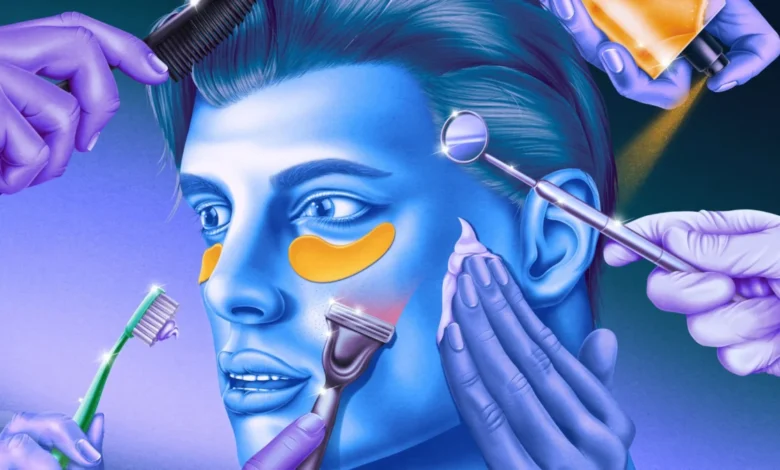
The modern approach to men’s personal care has evolved far beyond the rudimentary splash of tap water and bar soap. Perfecting a daily grooming routine is increasingly treated with the same meticulous precision as tailoring a bespoke suit. Just as a master tailor executes precise alterations—hemming trousers, taking in the waist, shortening sleeves, and adjusting the chest—a successful hygiene and skincare regimen relies on a collection of minor, targeted adjustments. Individually, these changes seem negligible, but collectively, they produce a polished, professional presentation.
Market research indicates that the global men’s grooming industry has experienced unprecedented expansion over the last decade, driven largely by shifting cultural norms, the proliferation of digital video communication, and greater accessibility to clinical-grade ingredients. Consumers today are bombarded with an overwhelming array of products promising miraculous transformations. However, dermatologists and grooming experts emphasize that no individual requires every item marketed to them. Instead, regimen optimization should begin with addressing recurring visual pain points—such as midday skin shine, stubborn body odor, lingering acne scarring, or early hairline recession—which become more noticeable when viewed holistically.
To cut through the commercial noise and consumer confusion, a global taskforce comprising a dozen leading specialists in dermatology, cosmetic surgery, trichology, dentistry, and barbering was assembled to evaluate the most common hygiene, hair, and skin dilemmas facing modern men.
Managing Oily Skin Without Compromising the Skin Barrier
One of the most frequent complaints among men is facial shininess by midday, regardless of the cleanser or moisturizer applied. Historically, many men treated excess sebum as an adversary, aggressively scrubbing their skin with harsh cleansers or abandoning moisturizers entirely.
According to Dr. Yannis Alexandrides, a London-based plastic surgeon and founder of 111 Harley Street and the skincare brand 111Skin, this aggressive counter-strategy frequently exacerbates the issue. "Shiny skin by midday usually means your skin is overproducing oil to compensate for dehydration or ineffective cleansing," Dr. Alexandrides explains. Aggressive chemical or physical stripping triggers the sebaceous glands to produce more oil to protect the compromised skin barrier.

The clinical objective is not to strip the face of all moisture, but rather to establish equilibrium. When skin is adequately hydrated with non-comedogenic formulations and pores remain unobstructed, sebum production naturally regulates itself. Experts recommend incorporating products containing salicylic acid to dissolve excess sebum within the pores, paired with a gentle, hydrating cleanser and a lightweight, oil-free moisturizer.
The Chronology and Health Implications of Showering Habits
The debate over whether to shower in the morning or evening is a staple of personal hygiene discussions, with arguments anchored in both daily productivity and dermatological science. New York-based cosmetic dermatologist Dr. Michele Green notes that the primary physiological function of a shower is fundamental: removing dead skin cells, particulate pollution, sweat, and surface microbes.
From a skin-health perspective, evening showers hold a distinct clinical advantage. Dr. Green points out that washing before bed removes environmental pollutants and accumulated debris from the day, preventing them from transferring directly onto bed linens and pillowcases. Furthermore, nighttime cleansing curtails the microbial proliferation that occurs when bacteria and yeast feed on nocturnal skin secretions.
Conversely, morning showers offer practical utility for individuals who experience night sweats or heavy overnight metabolic activity, providing a psychological and physical reset for the day ahead. Dermatologists suggest tailoring shower timing to personal exercise schedules and daily exposure to pollutants, while carefully matching body washes to specific skin types—utilizing soothing ingredients like hyaluronic acid or colloidal oatmeal for sensitive skin, and gentle exfoliating acids for acne-prone areas.
Navigating Scent Selection and Fragrance Libraries
The concept of a singular "signature scent" has long been romanticized in marketing campaigns, yet modern perfumery experts argue that this approach is overly restrictive. Clayton Ilolahia, evaluation and communications manager at Fragrances of the World, advocates for a more versatile, mood-driven philosophy.
"Instead of buying a fragrance under the illusion that you are the only one who has purchased a bottle, build a library of scents to communicate your emotions and unique life experiences," Ilolahia advises. Rather than organizing fragrances by rigid demographic labels, consumers are encouraged to select notes based on psychological intent. Citrus and fresh floral compositions offer cognitive clarity and energy; woody and musky profiles convey grounded composure; and warmer amber or leather accords project confidence. This wardrobe approach allows individuals to align their olfactory presentation with shifting professional and social environments.

Perfecting the Shave to Eliminate Razor Burn
For men who prefer a clean-shaven face, chronic razor burn and ingrown hairs are frequently misattributed to inherent skin sensitivity. Master barber Miguel Gutierrez, founder of Nomad Barber shops, asserts that poor execution and rushed preparation are the primary culprits.
Gutierrez emphasizes that proper prep is non-negotiable, particularly for coarse facial hair. A brief splash of cold water fails to soften stubble or prepare the skin’s surface. Achieving a friction-free glide requires warmth and hydration to soften the hair shaft and dilate pores. Furthermore, shaving against the grain—especially along the vulnerable jawline and neck—disrupts the skin barrier and significantly increases the incidence of pseudofolliculitis barbrae, commonly known as razor bumps. Gutierrez advises men to map their directional hair growth and prioritize a comfortable, clean shave over an excessively close, baby-smooth finish that traumatizes the skin.
Clinical Solutions for Hyperhidrosis and Body Sweat
Excessive sweating, particularly in sedentary office environments or during long periods of sitting, often prompts consumers to invest in superficial fixes such as loose garments, specialized seating, or scented powders. Dr. Robert Finney, a New York dermatologist and founder of Soho Skin and Hair Restoration, explains that these measures fail to address the root mechanical cause.
"We need to block the sweat duct," Dr. Finney states, highlighting that over-the-counter antiperspirants containing 12% aluminum chloride represent the most effective topical intervention. To minimize potential skin irritation associated with active antiperspirants, Dr. Finney recommends applying the product to completely dry skin once or twice weekly, followed by a thick moisturizing cream to buffer and protect the dermal barrier once the active ingredient has dried.
Addressing Teenage Acne Scars in Adulthood
The persistence of acne scars into a person’s thirties often leads to frustration with over-the-counter "miracle" creams, which cannot correct structural collagen deficits located beneath the skin’s surface. Dr. David Jack, a London aesthetic doctor, notes that effective remediation requires clinical-grade intervention tailored to the specific morphology of the scar.
Rolling scars—shallow, wave-like depressions caused by fibrous bands pulling the skin downward—typically require subcision, a surgical technique designed to release the underlying tethered tissue. Conversely, boxcar scars, which feature sharper margins resulting from localized collagen loss, respond more favorably to fractional laser resurfacing or medical microneedling. Dr. Jack cautions that while nightly topical retinoids can gradually improve overall skin texture, true scar remodeling is a slow clinical process that requires patience and professional guidance.

Proactive Management of Genetic Hair Loss
Hair thinning affects a significant percentage of men over their lifetimes, yet many delay intervention until considerable density has been lost. Dr. Gary Linkov, a New York facial cosmetic surgeon and founder of Linkov Hair, stresses that awareness and baseline tracking in one’s twenties are critical for long-term retention.
"Take photos of your hairline, mid-scalp, and crown every few months and look for change over time," Dr. Linkov recommends, noting that subjective memory is unreliable. When structural recession or thinning is detected early, evidence-based pharmaceutical interventions—such as topical minoxidil and prescription oral finasteride—can effectively stabilize genetic hair loss. Consulting with a qualified specialist allows younger patients to determine whether immediate medical intervention or structured observation is appropriate.
Strategic Anti-Aging and Skincare in Your Thirties
As men enter their mid-thirties, structural facial changes become more apparent, prompting inquiries into both topical routines and surgical options such as neck liposuction or injectables. However, plastic surgeon Dr. Michael J. Stein emphasizes that foundational daily skincare and weight management yield the most impactful, natural-looking preventative results.
A disciplined regimen consisting of a gentle cleanser, a nightly retinol to stimulate collagen production, a reliable moisturizer, and daily application of broad-spectrum sunscreen forms the bedrock of age-prevention. While procedural interventions like neurotoxins can address dynamic wrinkles, daily epidermal maintenance remains the most reliable strategy for preserving youthful skin elasticity.
Aligning Hair Styling Products with Natural Texture
A common misstep in hair styling is attempting to force hair into a configuration that contradicts its natural texture and density. Celebrity groomer Aika Flores observes that consumers frequently select products based on desired aesthetics rather than biological reality.
Fine hair collapses under heavy clays and pomades, resulting in a flat, greasy appearance by midday; lightweight mousses, sea salt sprays, or thickening gels are far more appropriate. Conversely, thicker and wavier hair benefits from nourishing creams and leave-in conditioners that provide control without stiffness. Flores notes that successful styling relies on enhancing natural attributes rather than attempting to subdue them, utilizing modest, pea-sized amounts applied to damp hair for optimal distribution.

Investigating Chronic Halitosis Beyond Basic Hygiene
When persistent bad breath resists rigorous brushing and flossing, the underlying cause frequently extends beyond daily mechanical cleaning. Dr. Miguel Stanley, a Lisbon-based dentist and clinical director of the White Clinic, explains that chronic halitosis can signal underlying clinical issues such as hidden decay, subgingival bacterial accumulation, or sinus-related infections.
Dr. Stanley recommends comprehensive diagnostic assessments utilizing advanced imaging technologies to detect hidden pathologies below the gumline. Furthermore, evaluating saliva composition for markers of inflammation and maintaining an optimal oral microbiome through hydration and targeted prebiotics can sustainably resolve breath concerns that conventional toothpastes fail to correct.
Managing Oily Scalps and Coexisting Dandruff
A persistent misconception in personal care is that dandruff exclusively plagues dry scalps. Trichologist Ricardo Vila Nova points out that excess sebum production frequently exacerbates scalp inflammation and flaking.
Treating an oily, flaky scalp requires an integrated approach that avoids overly aggressive drying agents. Vila Nova recommends regular cleansing with targeted antimicrobial shampoos, gentle scalp exfoliation, and professional diagnosis to rule out chronic conditions like seborrheic dermatitis. Restoring scalp health depends on microbiome balance rather than harsh chemical stripping.
Preserving Professional Teeth Whitening Results
While in-office teeth whitening procedures deliver immediate aesthetic improvements, long-term brightness depends heavily on post-treatment dietary and hygiene habits. Cosmetic dentist Dr. Jon Marashi emphasizes that teeth naturally reabsorb stains from chromogen-rich foods and beverages like coffee and red wine.
Dr. Marashi advises patients to maintain their results through consistent daily hygiene—including brushing with non-abrasive whitening toothpastes and rinsing the mouth after consuming staining substances—supplemented by occasional, controlled at-home touch-ups every few months. By integrating these calculated habits into a holistic routine, men can achieve a polished, enduring presentation across all facets of personal grooming.