The Largest Cyclospora Food Poisoning Outbreak in United States History Has Officially Concluded

Federal health authorities confirmed this past Friday that the most significant outbreak of Cyclospora in American history has officially come to an end. The U.S. Food and Drug Administration (FDA) announced that all iceberg lettuce identified as the vector for this specific multistate contamination has been successfully removed from the commercial supply chain. While the immediate public health threat posed by this specific incident has been mitigated, the episode has left behind a complex legacy of unanswered questions regarding food safety protocols and the challenges of managing global agricultural supply chains.
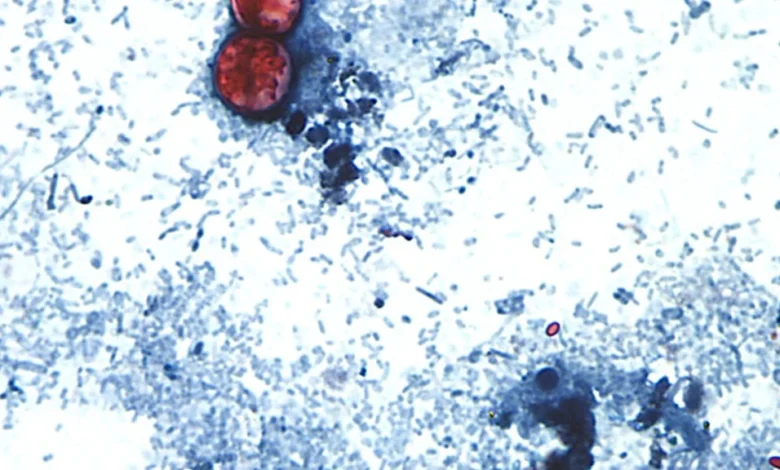
The outbreak, which saw nearly 13,000 confirmed cases, represented the primary driver of an unprecedented and alarming surge in parasitic diarrheal illnesses across the country this year. The microscopic, spherical parasite known as Cyclospora cayetanensis causes an infection termed cyclosporiasis, characterized by persistent, watery diarrhea, often accompanied by severe abdominal cramping, bloating, and what clinicians describe as explosive bowel movements.
A Timeline of the Crisis
The scale of the 2024 outbreak was historically anomalous. Since May 1, the government received reports of nearly 20,000 lab-confirmed cases, a figure more than 16 times higher than the incidence rate reported during the same period in the previous year. To put this in historical context, the worst previous year for such infections was 2019, which saw approximately 4,700 reported illnesses nationwide.
The crisis began to gain momentum in the late spring, as is typical for the parasite, which thrives in warmer months. By early summer, investigators had identified a clear pattern: a multistate cluster of 21 states where the common denominator was the consumption of iceberg lettuce. Initial investigations by federal agencies, including the Centers for Disease Control and Prevention (CDC) and the FDA, zeroed in on produce distributed through major restaurant chains, including Taco Bell, KFC, and Pizza Hut—all under the umbrella of Yum! Brands.
As the investigation intensified, federal officials identified Taylor Farms, a major produce processor, as the source of the implicated lettuce. The company subsequently initiated a sweeping recall of iceberg lettuce products grown in central Mexico, which had been distributed to thousands of retail and food service locations across the United States.
The Nature of the Pathogen and Mode of Contamination
Cyclospora is notoriously difficult to track. Unlike salmonella or E. coli, which are more frequently encountered in foodborne illness reports, Cyclospora is a parasite that requires a host to complete its lifecycle. It is transmitted through the ingestion of food or water contaminated with human feces.
The central mystery that persists, even as the outbreak is declared over, is how such a significant volume of sewage contamination reached the produce supply. Ellen Shumaker, director of outreach for the Safe Plates food safety program at North Carolina State University, noted that the contamination generally occurs in one of two ways: either the produce is cultivated in soil that has been tainted by untreated wastewater, or it comes into direct contact with contaminated irrigation water during the growth or washing phases.
The fact that the contamination was widespread enough to infect thousands of individuals suggests a systemic failure in the sanitation barriers intended to protect the food supply. Because the parasite is robust and can survive for extended periods in the environment, even small amounts of tainted water used in the final stages of processing can lead to large-scale outbreaks.
Regional Impact and Human Toll
While the outbreak spanned 21 states, the impact was not uniform. Michigan emerged as the epicenter of the crisis, recording the highest number of cases and, tragically, the only two confirmed fatalities directly linked to this specific outbreak. The severity of the symptoms, particularly in vulnerable populations such as the elderly or those with compromised immune systems, underscores why this parasite is treated with such gravity by public health officials.
The thousands of cases not directly tied to the iceberg lettuce outbreak remain a point of concern for epidemiologists. It is estimated that a significant portion of annual cyclosporiasis cases are never successfully linked to a specific food source, complicating efforts to implement targeted preventative measures.
The FDA’s Regulatory Stance
In the wake of the crisis, the FDA has concluded its on-site inspections and intensive sample collection at the iceberg lettuce growing and processing facilities in Mexico. While the agency has declared the immediate danger over, they noted that analysis of samples collected during these inspections is still ongoing. This data will be critical in determining whether the contamination was a localized equipment failure, a systemic issue with local water sources, or a breakdown in hygiene practices.
The FDA’s response has highlighted the logistical difficulty of maintaining food safety standards in an increasingly globalized market. The agency has been under pressure to justify its oversight mechanisms, especially as the number of international inspections conducted by U.S. regulators has seen a downward trend. Critics argue that fewer inspections mean a higher likelihood of contaminated produce reaching American plates before it can be intercepted.
Broader Implications for Food Safety
The 2024 outbreak serves as a stark reminder of the vulnerabilities inherent in the modern food supply chain. As consumers increasingly demand year-round access to fresh produce—much of which is imported from climates where the parasite is endemic—the reliance on robust, transparent, and frequent safety audits becomes paramount.
Food safety experts argue that the industry must move toward more advanced testing and traceability systems. Currently, the lag time between consumption and the reporting of symptoms—which can take days or even weeks for Cyclospora—makes it incredibly difficult for health officials to trace contaminated items before they have already been consumed.
Furthermore, this outbreak has reignited the debate regarding the oversight of agricultural operations in neighboring countries. While the FDA works to standardize food safety requirements under the Food Safety Modernization Act (FSMA), the practical application of these standards across thousands of miles of international farmland remains a massive hurdle.
Looking Toward Future Prevention
As the current crisis fades from the headlines, the focus of the public health community shifts toward prevention. Public health agencies are expected to release a comprehensive post-mortem report on the 2024 outbreak, which will likely include recommendations for improved water testing protocols and more rigorous sanitation standards for produce imported from high-risk regions.
For the average consumer, the lesson remains consistent: produce should be thoroughly washed, although it is important to note that even rigorous washing may not be enough to remove parasites that have been internalized into the plant tissue or protected by the structural crevices of lettuce leaves.
The conclusion of the largest Cyclospora outbreak in U.S. history is a victory for public health surveillance, yet it remains a somber milestone. With nearly 20,000 people affected and two lives lost, the event has fundamentally altered the conversation surrounding the safety of fresh produce. As regulators, industry leaders, and consumers alike reflect on the events of the past several months, the clear consensus is that the status quo regarding food safety inspections and contamination prevention is no longer sufficient to meet the challenges of a 21st-century global food network.
The coming months will likely see increased scrutiny of food processing facilities and a push for more transparent supply chain reporting. Whether these measures will be enough to prevent a recurrence of such a large-scale outbreak remains the most pressing question for the industry as it moves forward from one of its most difficult years.