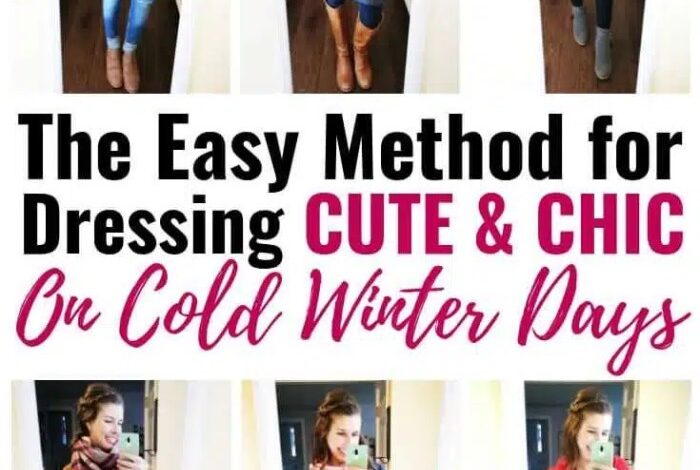
How to dress for cold best winter clothes is crucial for staying warm and comfortable during the frigid months. This guide dives deep into layering strategies, fabric choices, essential clothing items, footwear, accessories, and specific dressing tips for various activities. From choosing the right base layers to selecting stylish winter accessories, we’ll equip you with the knowledge to conquer any winter weather.
Understanding the principles of layering, fabric properties, and the right gear for different activities will help you stay warm and stylish all winter long. We’ll cover everything from choosing the perfect coat to finding the ideal boots for your winter adventures. Learn how to dress for cold weather and enjoy the season with confidence and comfort.
Layering Strategies
Mastering layering is key to staying warm and comfortable in winter. It’s not just about piling on clothes; it’s about strategically choosing fabrics and garments to trap heat and regulate body temperature throughout the day. Effective layering allows for adjustments as the weather changes or your activity level fluctuates. Think of it as building a warm, adaptable winter suit, tailored to your needs.Layering involves building warmth in stages, with each layer working together to maximize insulation.
The core principle is to start with a base layer next to your skin, then add mid-layers for insulation, and finish with an outer layer for protection against the elements. This layered approach is far more effective than simply wearing a single, thick garment, which can restrict movement and lead to overheating in certain situations.
Base Layers
Base layers are the foundation of your winter wardrobe. These layers sit directly against your skin and are designed to wick away moisture, keeping you dry and comfortable. Choosing the right base layer is crucial as moisture can lead to significant discomfort and chill. A moisture-wicking base layer is essential, especially during physical activity.
- Merino wool is a popular choice for base layers due to its natural moisture-wicking properties and breathability. It’s excellent for maintaining warmth even when wet, making it ideal for activities like skiing or hiking.
- Synthetic fabrics like polyester and polypropylene are also highly effective moisture-wicking materials. They often offer excellent durability and are a cost-effective alternative to merino wool.
- Moisture-wicking fabrics like nylon or silk, are excellent choices for activities that result in sweating, helping you stay dry and warm.
Mid-Layers
Mid-layers provide insulation, trapping warm air to keep you toasty. These layers are typically worn over base layers and are designed to add warmth without restricting movement.
Bundling up for winter requires the right layers. A good base layer, a mid-layer, and a warm outer shell are key, but the specifics depend on the intensity of the cold. This is important to consider when looking at how political figures react to controversial situations, such as in the case of Kash Patel’s confirmation hearing, where loyalty to former President Trump was a significant topic of discussion.
To learn more about the nuances of this confirmation hearing, check out this analysis of the essay on Kash Patel’s confirmation hearing loyalty to Trump essay. Ultimately, the best winter clothes will keep you warm and comfortable, whatever the political climate.
- Fleece is a popular mid-layer fabric known for its lightweight warmth and softness. It’s ideal for layering under jackets or vests and is commonly used for various winter activities.
- Down jackets are another excellent mid-layer option. They offer excellent insulation, but are bulkier than fleece and often used as an outer layer for extreme cold weather.
- Sweaters or hoodies made from wool or fleece are comfortable and versatile mid-layers. They add warmth and can be worn on their own or layered under a coat for extra warmth.
Outer Layers
Outer layers are the outermost layer of your winter ensemble and provide protection from wind, rain, and snow.
- Waterproof and windproof jackets are essential for harsh weather conditions. These jackets are typically made from nylon or a similar waterproof material, and often include features like taped seams to prevent water penetration.
- Parkas offer excellent protection from the elements and are typically designed for extreme cold weather conditions. They frequently have a hood, multiple pockets, and various insulation options.
- Puffers offer a balance between warmth and portability. They are often filled with synthetic or down insulation, offering warmth without the bulk of a parka.
Layering Systems Table
| Activity/Climate | Base Layer | Mid-Layer | Outer Layer |
|---|---|---|---|
| Mild winter day (walking) | Merino wool | Fleece | Waterproof jacket |
| Moderate winter hiking | Merino wool | Fleece or down vest | Waterproof, windproof jacket |
| Extreme cold skiing | Moisture-wicking synthetic | Down jacket | Waterproof, insulated parka |
Choosing the Right Layering System
- Consider the temperature: For extremely cold temperatures, layering with multiple base and mid-layers is crucial. For milder temperatures, a simpler layering system might suffice.
- Factor in activity level: For high-intensity activities, choose moisture-wicking fabrics for base layers to prevent overheating and maintain comfort.
- Think about the weather conditions: Wind, rain, and snow require specific outer layers to keep you dry and protected. Layering is key for adjusting to changing weather.
Demonstrating Layering for Warmth and Comfort
Effective layering creates a system of warmth and protection, ensuring comfort and performance.
Layering is key for battling the chill, and choosing the right winter gear is crucial. Think thermal base layers, a cozy mid-layer, and a waterproof, windproof outer shell. Understanding how image recognition works can actually help you choose the perfect outfit! For instance, imagine software that analyzes different fabrics and colors to determine which combinations will keep you warm and stylish.
This type of technology is used in the definition of image recognition definition of image recognition , allowing computers to ‘see’ and interpret clothing options. Ultimately, knowing what looks good and what performs best is the real secret to winter dressing success.
For example, on a cold winter day, you might start with a merino wool base layer, followed by a fleece mid-layer, and finish with a waterproof, windproof jacket. This layering system efficiently traps heat while allowing for moisture to be wicked away from the skin.
Choosing the Right Fabrics
Selecting the right fabrics is crucial for staying warm and comfortable during winter. Different materials offer varying degrees of insulation, breathability, and moisture-wicking, all essential factors for optimal winter wear. Understanding the properties of various fabrics allows you to choose garments that will keep you protected from the elements while feeling comfortable.Choosing fabrics that are both warm and breathable is paramount.
The best winter clothing isn’t just about warmth, it’s about managing your body temperature effectively. A garment that traps heat but doesn’t allow moisture to escape can lead to discomfort and potential health issues. Properly chosen fabrics help regulate your body temperature, keeping you warm and dry in even the harshest winter conditions.
Warm Winter Fabrics
Understanding the different types of fabrics and their unique properties is key to selecting the best winter apparel. Wool, fleece, down, and synthetic materials each offer distinct advantages and disadvantages, impacting their performance in cold weather.
- Wool: Known for its exceptional warmth and moisture-wicking capabilities, wool is a natural insulator. It’s able to regulate temperature by trapping air, keeping you warm even when wet. However, wool can be itchy for some individuals and can be more expensive than synthetic alternatives.
- Fleece: A synthetic fabric made from polyester fibers, fleece is lightweight and surprisingly warm. Its excellent insulating properties make it popular for mid-layers. Fleece is typically very affordable and comfortable, though it doesn’t have the same moisture-wicking properties as wool.
- Down: Derived from the feathers of waterfowl, down is an incredibly lightweight and highly effective insulator. It traps air, creating a layer of warmth without significant bulk. Down garments are often expensive, but they provide exceptional warmth for their weight. Down’s ability to insulate is highly dependent on its quality and the construction of the garment.
- Synthetic Materials: Synthetics like polyester and nylon offer various benefits, including affordability, durability, and water resistance. These materials often mimic the properties of natural fibers, providing warmth and moisture-wicking capabilities, though often not as effectively as natural fibers. Synthetic materials can vary significantly in quality, with some offering excellent insulation and moisture management, while others might not.
Comparing Fabric Pros and Cons
Different fabrics excel in different aspects of winter clothing. Evaluating the advantages and disadvantages of each is critical for making informed choices.
| Fabric | Pros | Cons |
|---|---|---|
| Wool | Excellent insulation, moisture-wicking, odor resistance | Can be itchy, more expensive |
| Fleece | Lightweight, warm, affordable, comfortable | Less moisture-wicking than wool, can be less durable |
| Down | Extremely lightweight, highly effective insulation | Expensive, can lose insulation if wet, needs careful care |
| Synthetic | Affordable, durable, water-resistant, often versatile | Moisture-wicking can vary, may not offer same level of warmth as natural fibers |
Breathability and Moisture-Wicking
Breathability and moisture-wicking are crucial for comfort in winter. Garments that allow perspiration to escape prevent overheating and the development of moisture-related issues.
- Breathability allows moisture to escape, preventing overheating and discomfort. Good breathability is critical in active winter sports, where sweating can occur quickly. A lack of breathability can lead to moisture buildup, discomfort, and even health risks.
- Moisture-wicking fabrics draw moisture away from the skin, keeping you dry and comfortable. Moisture trapped against the skin can lead to significant discomfort and hypothermia. The moisture-wicking properties of a fabric are important for preventing discomfort in cold conditions.
Role of Insulation
Insulation in winter clothing is essential for trapping heat and preventing the loss of body warmth. Different materials provide varying degrees of insulation, impacting the overall warmth of the garment.
Insulation in winter garments works by trapping air pockets, creating a barrier that prevents heat from escaping.
The more air trapped, the greater the insulation. The choice of insulation depends on the specific activity and the desired level of warmth.
Essential Winter Clothing Items
Winter’s chill demands more than just a simple sweater. Proper attire is crucial for comfort and safety, especially when venturing outdoors. This section dives into the essentials, from everyday warmth to specialized gear for outdoor adventures. Understanding the features and types of clothing is key to staying warm and protected during the winter months.
Daily Wear Essentials
Choosing the right clothing for everyday winter wear involves considering both warmth and practicality. Layering is key, and the base layers are critical for maintaining core temperature. These layers should be moisture-wicking to keep you dry and comfortable.
- Thermal Underwear: A crucial base layer, thermal underwear traps a layer of warm air against your skin. This is especially important for those who are frequently cold. Look for materials like merino wool or synthetic blends for optimal moisture-wicking and warmth retention. Avoid cotton, as it retains moisture, leading to chills.
- Sweaters and Fleece Jackets: Mid-layer sweaters and fleece jackets offer additional warmth and insulation. Consider materials like fleece, wool, or down for their insulating properties. A lightweight fleece jacket is perfect for layering over a shirt or thermal top on a cool day, while a thicker sweater can be worn on its own or as a mid-layer beneath a coat.
- Waterproof Pants: Protecting your lower body from moisture is vital in winter. Waterproof pants, especially those with a durable water repellent (DWR) coating, will keep you dry in snowy or rainy conditions. Choose pants made from windproof materials to further shield you from the elements. Consider the style and fit, ensuring they are comfortable enough for everyday wear.
Outdoor Sports Gear
For activities like skiing, snowboarding, or hiking, the demands on winter clothing increase. You need gear that provides superior warmth, protection from the elements, and freedom of movement.
- Waterproof and Windproof Outerwear: A waterproof and windproof jacket is a must for any outdoor winter activity. Look for jackets made from breathable fabrics to prevent overheating and moisture buildup. A high-quality, water-resistant jacket with a hood is vital for protection from the elements. Consider features like adjustable cuffs and waist cinches for a snug fit.
- Insulated Parkas: These provide excellent warmth and protection against the cold. Look for parkas made with high-quality insulation, such as down or synthetic fill. Choose a parka that fits your activity level and desired warmth. Features like a detachable hood and multiple pockets can be important for versatility.
- Ski Pants or Snow Pants: These are designed to keep your legs warm and dry while participating in snow sports or other winter activities. They typically feature a waterproof and windproof outer layer with insulation. The fit is critical for comfort and performance, so consider the specific demands of the activity.
Coat and Jacket Styles
Different coat and jacket styles cater to various needs and preferences. Consider the activity level, personal style, and the overall climate when choosing a coat or jacket.
| Style | Features | Best for |
|---|---|---|
| Parka | Long, insulated, often hooded. | Extreme cold, outdoor activities. |
| Puffer Jacket | Lightweight, insulated with synthetic fill. | Moderate cold, everyday wear, layering. |
| Down Jacket | Light, highly insulated with down feathers. | Cold weather, outdoor activities, layering. |
| Bomber Jacket | Short, often bomber-style, can be insulated. | Casual wear, layering, moderate cold. |
Fit and Body Types
The right fit is crucial for comfort and effectiveness. A coat that’s too tight or too loose can restrict movement or allow cold air to penetrate.
A properly fitted winter coat will allow for freedom of movement while maintaining warmth and protection. Consider your body type when selecting a style. A snug fit is often preferred for maximizing warmth and reducing cold air penetration, but it should not restrict movement.
Waterproof and Windproof Outerwear
Waterproof and windproof properties are essential for winter outerwear. These features shield you from the elements, keeping you dry and warm. Look for jackets and coats with a DWR (durable water repellent) coating for added protection against moisture. Choose a coat or jacket that is breathable to avoid overheating and moisture buildup.
Footwear for Cold Weather
Your feet are your foundation, especially in winter. Proper footwear protects them from the elements, ensuring comfort and safety during cold weather activities. Choosing the right boots, shoes, or slippers can significantly impact your overall experience, whether you’re braving a snowy hike or simply running errands. This guide dives deep into the world of winter footwear, helping you select the perfect pair for your needs.Choosing the right footwear is crucial for staying warm, dry, and safe during winter.
Staying warm in winter involves more than just cozy sweaters. Layering is key, and choosing the right materials is crucial. Thinking about the economic cost of events like the devastating LA wildfires, it’s important to remember that our clothing choices can have a huge impact on the environment, from the resources used to create the garments to the waste produced.
Luckily, sustainable and durable winter clothes are becoming more readily available, so you can stay warm and feel good about your choices. Investing in quality, long-lasting pieces will not only keep you comfortable but also help you save money in the long run. economic cost la wildfires
Different activities require different footwear, so understanding the specific needs of each situation is key. The features like insulation, waterproofing, and sole type directly affect your comfort and safety in various conditions.
Winter Boot Types and Their Suitability
Winter boots are designed to provide maximum warmth and protection. Different types of boots cater to various activities and environments. Understanding these distinctions allows you to choose the right boot for your needs.
- Hiking Boots: These boots are built for rugged terrain and often feature reinforced soles and ankle support. They are typically made from durable materials like leather or waterproof synthetic fabrics. Hiking boots offer excellent traction on varied surfaces, making them suitable for snowy trails and icy conditions. For instance, during a winter hike, sturdy hiking boots provide both support and traction, crucial for maintaining balance on uneven terrain.
- Snow Boots: Specifically designed for snowy conditions, snow boots prioritize insulation and waterproofing. They often feature a high shaft to trap warm air and keep your feet dry. Thick, insulated soles are crucial for walking on snow and ice. For winter sports like snowshoeing or simply navigating snowy sidewalks, snow boots offer excellent protection against the elements.
- Chelsea Boots: These boots, often made from leather or suede, feature an elastic side panel design, making them easy to put on and off. They are typically less insulated than other winter boots but can be paired with warm socks and liners for added warmth. Chelsea boots are ideal for everyday winter wear and activities that don’t require significant insulation or waterproofing.
Insulation and Waterproofing in Winter Footwear
The insulation and waterproofing of your footwear are paramount for keeping your feet warm and dry. These features directly impact your comfort and safety.
- Insulation: The insulation rating of a boot is usually measured in millimeters of insulation material. Higher insulation ratings offer better warmth. Synthetic materials like fleece or Thinsulate are common insulation choices. For example, a boot with a 200mm insulation rating will provide significantly more warmth than a boot with a 50mm rating.
- Waterproofness: Waterproof footwear prevents water from seeping into the boot, keeping your feet dry even in wet conditions. This is crucial for preventing frostbite and general discomfort. Look for boots with waterproof membranes like Gore-Tex, which provide a barrier against water penetration while allowing moisture vapor to escape.
Sole Types and Their Performance on Snow and Ice
The sole of your winter footwear plays a vital role in providing traction and stability. Different sole types perform differently on snow and ice.
- Rubber Soles: Rubber soles offer good grip on most surfaces but may not be ideal on very icy or snowy conditions. Rubber soles can be used for some winter footwear, providing a basic level of traction.
- Treaded Soles: These soles have deep grooves and treads, offering enhanced grip on snow and ice. They provide superior traction compared to rubber soles. For activities where traction is critical, like snowshoeing, treaded soles are preferred.
- Studded Soles: These soles feature metal studs that provide exceptional grip on ice and snow. Studded soles are the most effective type for extremely icy conditions. However, they might not be suitable for all terrains.
Choosing the Right Footwear for Different Activities, How to dress for cold best winter clothes
The type of activity you’ll be engaging in should heavily influence your footwear choice.
| Activity | Recommended Footwear Type | Key Features |
|---|---|---|
| Hiking | Hiking boots | Durable, waterproof, good traction, ankle support |
| Snowshoeing | Snow boots or insulated hiking boots | Good insulation, waterproof, excellent traction |
| Everyday wear | Chelsea boots or insulated ankle boots | Easy to wear, moderate insulation, and waterproofing |
| Winter sports (e.g., skiing, snowboarding) | Specialized winter sports boots | Firm ankle support, waterproof, insulation, and specific sole designs |
Accessories for Winter Comfort
Winter dressing is more than just warmth; it’s about style and comfort. Accessories play a crucial role in achieving both. They add the finishing touches to your outfit, keeping you snug and stylish in chilly weather. Choosing the right accessories can significantly impact your overall experience, from battling the elements to feeling confident and put-together.Accessories are the unsung heroes of winter fashion.
They are the details that transform a simple outfit into a warm and stylish ensemble. From a cozy hat to snug gloves, accessories are essential for warding off the cold and enhancing your look. They are often overlooked, but their importance should not be underestimated.
Types of Winter Accessories
Accessories are diverse and come in many forms. They not only provide warmth but also add a personal touch to your winter wardrobe. Essential items include hats, scarves, gloves, and socks. These items are key to staying comfortable and stylish in cold weather.
- Hats: Hats are crucial for protecting your head from the cold. They can range from simple beanies to more elaborate designs. A well-fitted hat keeps your head warm, preventing heat loss through your scalp. This can be particularly important in very cold conditions.
- Scarves: Scarves provide extra warmth and style. They can be wrapped around your neck, shoulders, or even worn as a fashion statement. The material and style of your scarf can significantly affect its warmth and aesthetic appeal. Consider using heavier materials like wool or cashmere for enhanced warmth.
- Gloves: Gloves protect your hands from the cold and can add a touch of elegance to your outfit. Choose gloves made from water-resistant and windproof materials to enhance their effectiveness in harsh winter conditions. Consider the activity you’ll be doing when selecting gloves; for instance, for skiing or snowboarding, waterproof and windproof gloves are a must.
- Socks: Warm socks are essential for keeping your feet cozy and dry. They should be made from materials that wick away moisture and insulate against the cold. Thick wool or thermal socks are ideal for keeping your feet warm in freezing temperatures.
Choosing Warm and Stylish Accessories
Several factors influence the selection of winter accessories. Consider the weather conditions, your personal style, and the level of activity you’ll be engaging in. Warmth and style go hand in hand, and your accessories can contribute significantly to both.
- Material Selection: The material of your accessories directly affects their warmth and durability. Wool, cashmere, and fleece are known for their excellent insulating properties. Consider synthetic materials like polypropylene or acrylic for their affordability and water resistance.
- Fit: Accessories should fit snugly but not restrict movement. A properly fitted hat will sit comfortably on your head without being too tight or loose. Similarly, gloves and scarves should allow for flexibility and movement. Proper fit is essential for comfort and warmth.
- Weather Conditions: The severity of the weather will influence the type of accessories you choose. For milder days, a lightweight scarf and hat might suffice, while extreme cold calls for heavier options. Consider the anticipated temperature and precipitation when making your selection.
- Personal Style: Accessories are a chance to express your personal style. Choose accessories that complement your overall winter wardrobe. Consider the color palette and patterns that you want to incorporate into your outfit.
Material Comparison for Winter Accessories
Different materials offer varying levels of warmth and durability. Understanding these differences will help you make informed choices.
| Material | Thermal Properties | Pros | Cons |
|---|---|---|---|
| Wool | Excellent insulator, breathable | Warm, durable, moisture-wicking | Can be itchy for some, more expensive |
| Cashmere | Luxurious warmth, soft | Soft, luxurious feel, very warm | Expensive, can be delicate |
| Fleece | Good insulator, lightweight | Lightweight, warm, affordable | Can be less durable than wool or cashmere |
| Polyester | Water-resistant, affordable | Water-resistant, durable, affordable | Less warm than wool or cashmere |
Dressing for Specific Activities

Winter activities demand tailored clothing strategies to balance warmth, mobility, and protection from the elements. Understanding the specific demands of each activity allows for optimal comfort and performance. From the brisk walk to the exhilarating downhill run, appropriate attire can significantly enhance your enjoyment and safety.
Dressing for Skiing and Snowboarding
Skiing and snowboarding require specialized gear to handle the intense physical exertion and cold, wet conditions. Layers are crucial, allowing for adjustments based on temperature fluctuations and activity levels. Moisture-wicking base layers are essential to prevent chills and maintain body temperature. Insulating mid-layers, such as fleece jackets or sweaters, provide additional warmth. A waterproof and windproof shell jacket and pants are paramount to protect against snow and wind.
Durable, insulated boots with good ankle support are vital for stability and warmth.
Dressing for Hiking in Winter
Winter hiking demands clothing that balances warmth and flexibility. The layering system remains important, but the specific layers and materials need adjustment. Moisture-wicking base layers are still essential to manage sweat, while insulating mid-layers, like down jackets or wool sweaters, offer crucial warmth. A waterproof and windproof outer layer, such as a breathable shell jacket and pants, shields against snow and wind.
Sturdy, waterproof hiking boots are essential for traction and protection from the elements.
Dressing for Everyday Winter Walks
For simple winter walks, the focus is on comfort and protection from the cold and potentially wet conditions. Layering is key, enabling adjustment to temperature changes. A moisture-wicking base layer is important for maintaining body temperature. A fleece or wool mid-layer will add warmth, while a windproof and water-resistant outer layer provides protection. Warm, waterproof, and insulated boots or winter shoes are vital for comfort and protection from the elements.
Choosing Clothing for Different Activity Intensities and Durations
The intensity and duration of an activity directly influence clothing choices. For short, less strenuous activities, like a quick walk, a thinner layering system is sufficient. More intense and longer activities, such as skiing or snowboarding, require a more substantial layering system to maintain body temperature and prevent overheating or chilling. The activity’s duration also influences the amount of moisture generated, demanding moisture-wicking fabrics to prevent discomfort.
Importance of Moisture-Wicking Fabrics
Moisture-wicking fabrics are essential for any physical activity, particularly in the cold. These fabrics draw sweat away from the skin, preventing the body from cooling down and maintaining a comfortable temperature. Cotton, unfortunately, is not a moisture-wicking fabric and should be avoided in colder conditions. Moisture-wicking fabrics in combination with insulating layers offer optimal protection in various winter activities.
Windproof and Waterproof Protection
Windproof and waterproof protection is crucial for winter activities, especially in harsh conditions. Windproof layers shield the body from windchill, while waterproof layers protect against snow and rain. The type of windproof and waterproof layer should be selected based on the intensity of the activity and the expected weather conditions. Consider a breathable shell jacket and pants for optimal protection and comfort.
Optimal Clothing Choices for Winter Sports
| Activity | Base Layer | Mid Layer | Outer Layer | Footwear |
|---|---|---|---|---|
| Skiing/Snowboarding | Moisture-wicking thermal top and bottoms | Fleece jacket or sweater, down vest | Waterproof and windproof ski jacket and pants | Insulated ski boots |
| Hiking | Moisture-wicking thermal top and bottoms | Fleece jacket or wool sweater | Waterproof and windproof hiking jacket and pants | Waterproof hiking boots |
| Everyday Winter Walks | Moisture-wicking thermal top and bottoms | Fleece jacket or sweater | Windproof and water-resistant jacket and pants | Warm, waterproof, and insulated winter shoes |
Style and Fashion in Winter: How To Dress For Cold Best Winter Clothes
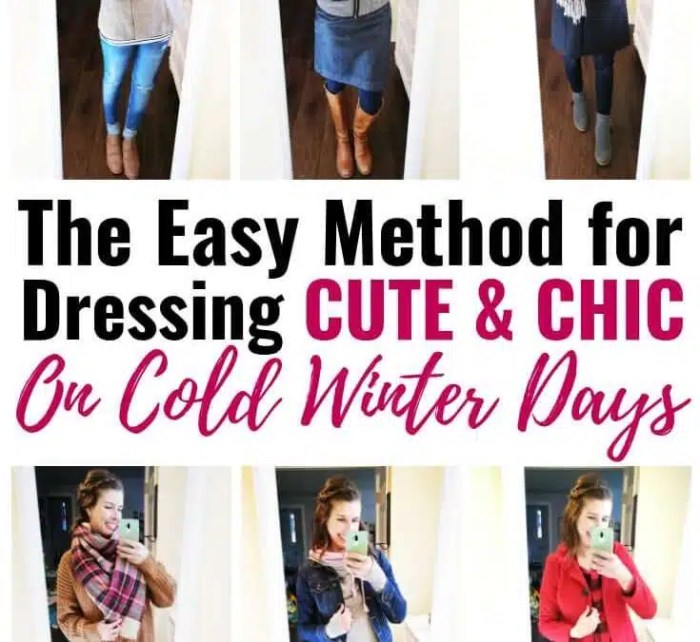
Winter doesn’t have to mean sacrificing style for warmth. With the right approach, you can stay stylish and comfortable in the chilly months. Layering is key, but so is choosing pieces that complement each other and the season’s aesthetic. This section delves into maintaining a fashionable edge while embracing winter’s cozy comforts.A key element to achieving a stylish winter look is the strategic use of layering.
Multiple layers trap air, increasing insulation and providing a more sophisticated, nuanced look compared to a single, bulky garment. The right layering system allows for adaptability throughout the day and changing weather conditions.
Layering for a Stylish Winter Look
Layering isn’t just about warmth; it’s a powerful tool for creating diverse and visually appealing winter outfits. A well-layered ensemble can transform a simple base layer into a chic and put-together look. Think of it as building blocks—a base, mid, and outer layer, each contributing to the final aesthetic. Understanding how these layers interact allows for flexibility and style.
Winter Outfit Combinations
To exemplify how to balance warmth and fashion, consider these winter outfit examples:
- For a sophisticated yet cozy look, pair a cashmere turtleneck with a wool coat, dark-wash jeans, and ankle boots. This ensemble combines comfort and style, perfect for a day out or a casual evening event. Consider a scarf for an extra layer of warmth and style.
- A playful, fashionable ensemble might feature a brightly colored puffer jacket over a striped sweater and dark-colored trousers. Bright colors against neutral tones add a pop of personality and a touch of whimsy.
- A more relaxed, yet stylish, outfit could be created with a cable knit sweater paired with corduroy pants and a cozy beanie. This ensemble balances warmth with a touch of retro charm.
Color and Pattern Choices for Winter
Winter landscapes often feature muted tones and natural elements. Choosing colors that complement these surroundings can enhance your winter wardrobe. Earthy tones like browns, greys, and muted blues are excellent choices, reflecting the natural beauty of winter. These colors create a sophisticated and harmonious look, blending seamlessly with the scenery. Patterns, like subtle checks or cable knits, can add visual interest without being overwhelming.
For a bolder statement, a pop of color against a neutral backdrop can create a striking contrast.
Outfit Combinations Table
| Outfit | Base Layer | Mid Layer | Outer Layer | Bottom | Shoes | Accessories | Color Palette |
|---|---|---|---|---|---|---|---|
| Sophisticated Cozy | Cashmere Turtleneck | Wool Blazer | Dark Trench Coat | Dark Wash Jeans | Ankle Boots | Scarf | Brown, Gray, Black |
| Playful Chic | Striped Sweater | Fleece Vest | Bright Puffer Jacket | Dark Trousers | Sneakers | Beanie | Navy, Mustard Yellow, Gray |
| Relaxed Stylish | Cable Knit Sweater | Fleece Lined Jacket | Parka | Corduroy Pants | Chelsea Boots | Beanie | Gray, Burgundy, Taupe |
Maintaining Warmth and Comfort
Winter’s icy grip can be challenging, but with the right knowledge and preparation, you can stay warm, comfortable, and safe. This section delves into the critical aspects of maintaining body temperature and preventing potential cold-weather hazards. Understanding how to regulate your body heat and protect yourself from extreme cold is crucial for enjoyable and safe winter activities.Proper body temperature regulation is essential in cold environments.
Our bodies maintain a core temperature of around 98.6°F (37°C). When exposed to cold temperatures, the body must work harder to maintain this temperature, drawing resources away from other bodily functions. This can lead to fatigue and increased vulnerability to cold-related illnesses if not properly managed.
Strategies for Staying Warm
Maintaining warmth involves multiple strategies, focusing on insulation, minimizing heat loss, and replenishing energy stores. Clothing plays a pivotal role, but other factors like body position and activity levels also contribute significantly. By understanding these elements, you can significantly increase your comfort and safety in cold weather.
- Insulation and Heat Retention: Layering clothing, as discussed earlier, is a fundamental strategy. This allows you to adjust the insulation as needed depending on the intensity of the cold. Also, consider the thermal properties of different fabrics. Wool, for example, is highly effective at trapping heat. Appropriate footwear also plays a critical role in insulation, preventing heat loss from the feet.
- Minimizing Heat Loss: Wind chill can drastically reduce your body’s ability to retain heat. Choosing clothing that provides wind protection, like a windbreaker or a coat with a windproof layer, is vital. Avoiding direct exposure to cold air currents is also essential, especially for extended periods. A sheltered position or seeking temporary warmth indoors when possible is often a practical solution.
- Activity Levels and Body Heat Generation: Physical activity generates heat. Light to moderate exercise can help maintain a comfortable body temperature. However, prolonged strenuous activity in extreme cold can lead to excessive heat loss. Finding a balance between activity and rest is crucial.
Preventing Hypothermia and Frostbite
Hypothermia and frostbite are serious cold-weather conditions that can have severe consequences. Understanding the warning signs and taking proactive measures can significantly reduce the risk.
- Hypothermia: Hypothermia occurs when your body loses heat faster than it can produce it, leading to a dangerously low body temperature. Symptoms can include shivering, confusion, drowsiness, and slurred speech. Immediate action is required, including moving to a warm environment, removing wet clothing, and providing warm drinks. Seek medical attention as soon as possible if you suspect hypothermia.
- Frostbite: Frostbite happens when body tissues freeze, most commonly affecting the extremities like fingers, toes, ears, and nose. Early symptoms include numbness and a prickling or tingling sensation. The affected area may appear pale or waxy. If you suspect frostbite, gently warm the affected area using warm, not hot, water. Seek medical attention immediately.
Staying Warm During Extended Outdoor Periods
Maintaining warmth during extended periods outdoors requires a multifaceted approach that combines proper clothing, sensible activity levels, and regular breaks.
- Extended Exposure Strategies: For extended outdoor activities, plan rest stops to warm up, and have extra warm clothing on hand. Consuming warm beverages can help raise your core temperature. Remember to bring appropriate gear, including a waterproof outer layer, warm socks, and waterproof footwear.
- Importance of Regular Breaks: Regular breaks in a sheltered or warmer environment are essential. This allows your body to recover and prevent heat loss. Short periods indoors or in a vehicle can make a significant difference in preventing hypothermia.
Hydration and Nutrition for Body Warmth
Proper hydration and nutrition are vital for maintaining a healthy body temperature.
- Hydration: Dehydration can reduce your body’s ability to regulate temperature. Staying hydrated by drinking plenty of water is crucial. Warm beverages, such as hot tea or broth, can also help increase core body temperature.
- Nutrition: Consuming nutrient-rich foods provides the energy your body needs to generate heat. High-protein and complex carbohydrate-rich foods are beneficial. Avoid sugary or overly processed foods as these don’t provide sustained energy.
Last Recap
In conclusion, mastering how to dress for cold best winter clothes involves a combination of smart layering, high-quality fabrics, and the right accessories. This guide provided a comprehensive overview of the essentials for staying warm and stylish throughout the winter season. Remember to consider your activity level, the specific weather conditions, and your personal style preferences when choosing your winter wardrobe.
Now you’re ready to face any winter challenge with confidence and comfort!