Navigating the ACA Marketplace in 2027: Premium Pressures, Strict Verification Rules, and Sweeping Regulatory Overhauls

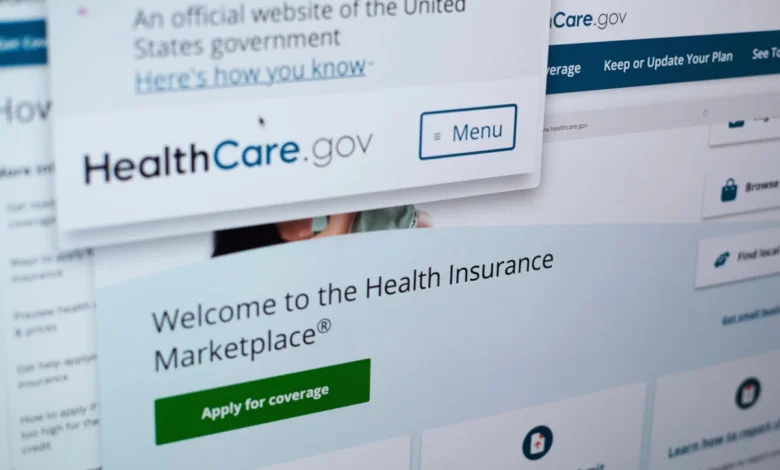
As open enrollment for 2027 Affordable Care Act (ACA) health insurance plans commences, consumers across the United States are confronting a complex landscape defined by shifting federal regulations, heightened identify-verification protocols, and lingering financial pressures. While open enrollment officially begins on November 1, 2026, in the majority of states and runs through January 15, 2027, early "window shopping" periods in select jurisdictions have already revealed significant adjustments to marketplace dynamics. State-run exchanges, such as those in Idaho, Connecticut, and Massachusetts, operate on independent timelines, but all policyholders face an environment characterized by tighter federal oversight and continued adjustments following the expiration of enhanced subsidies at the end of 2025.
Policy experts project a continued, gradual decline in overall marketplace enrollment. This downward trend is primarily attributed to the permanent return to pre-2026 subsidy structures, which reduced financial assistance for millions of Americans and caused many to drop or lose coverage earlier in the year. Conversely, the Trump administration has framed the falling enrollment figures as a successful outcome of aggressive anti-fraud initiatives. Federal regulators point to the August administrative cancellation of policies covering roughly 760,000 enrollees suspected of improper or unauthorized sign-ups as a major milestone, though a fraction of those affected have successfully navigated the appeals process to regain coverage.
Enhanced Identity Verification and Security Measures
Among the most substantial changes impacting everyday consumers this year is the introduction of rigorous new identity-proofing protocols. Designed primarily to combat fraudulent broker activities and unauthorized enrollments within the federal marketplace—which serves 29 states—these rules impose additional verification steps that may slow down the application process. State-based exchanges, which operate under independent regulatory frameworks and have historically reported lower rates of fraudulent activity, are largely exempt from these specific federal mandates.
Under the updated guidelines, any consumer utilizing an insurance agent or broker through the federal platform must explicitly authorize that individual via a one-time confirmation code or secure link. This authentication token is delivered directly to the consumer via text message, email, or an automated phone call originating from the agent’s private enrollment platform. Furthermore, returning consumers whose contact information is found to be outdated or incorrect must independently contact the federal marketplace or update their profile online before an agent can proceed with their application.
To address systemic vulnerabilities, the Centers for Medicare & Medicaid Services (CMS) has established a "high-risk" classification tier. Consumers falling into this category must complete an intensive third-party identity verification check prior to granting agent authorization. This designation explicitly targets first-time applicants, individuals whose coverage changes involve an interstate move, those working with a newly appointed agent, and consumers selecting plans with monthly premiums of $30 or less.
Industry professionals have raised operational concerns regarding the breadth of these criteria. Insurance experts note that the $30 premium threshold is specifically intended to target low-cost or zero-dollar plans that bad actors frequently exploit. Rogue agents have historically targeted these policies for unauthorized enrollments because unsuspecting policyholders rarely review billing statements, occasionally paying the nominal monthly fee out of pocket to secure substantial commission payouts. However, critics warn that up to one in five legitimate consumers may be flagged as high-risk, potentially encountering administrative roadblocks that could discourage them from completing enrollment.
When flagged as high-risk, consumers must verify their identity through approved third-party services like Experian, answering security questions derived from their personal credit history. Individuals who fail this automated verification must contact help desks or manually create accounts on HealthCare.gov, requiring the upload of government-issued identification documents such as driver’s licenses, passports, or immigration papers. Consumer advocates emphasize that individuals lacking established credit files, recent movers, or those who have experienced name changes are disproportionately vulnerable to these administrative hurdles, even when their identities are entirely legitimate.
The Broker Moratorium and Industry Pushback
Compounding the procedural shifts for consumers is a sweeping federal directive issued by CMS in September, which instituted a strict moratorium on new insurance brokers entering the ACA marketplace. Under this rule, agents who were not formally registered with the federal marketplace during the 2026 plan year are barred from assisting consumers with 2027 enrollments until at least February—well after the conclusion of the open enrollment window.
CMS justified the moratorium by pointing to compliance data from the previous year, which indicated that a disproportionate share of administrative complaints and regulatory violations originated from newly registered brokers. Consequently, federal authorities removed hundreds of non-compliant agents from the platform over the course of the year.
While established brokerage firms express general support for aggressive enforcement against bad actors who switch consumer policies without consent, many have criticized the sudden implementation timeline. Small and mid-sized brokerages typically scale down seasonal workforces following open enrollment and recruit additional staff ahead of the fourth quarter. Agency owners report that the restriction on newly registered agents has severely disrupted hiring pipelines, making it nearly impossible to onboard temporary support staff to manage the influx of consumer inquiries.
Industry leaders suggest that the moratorium unintentionally advantages large-scale enrollment call centers. Unlike independent local agencies that rely on flexible staffing models, large call centers maintain year-round operational capacity and large permanent workforces, positioning them to absorb the regulatory shock.
The friction between federal regulators and the brokerage community has escalated into direct legal challenges. On October 15, the National Association of Benefits and Insurance Professionals filed a federal lawsuit against the administration, arguing that the moratorium unlawfully penalizes approximately 19,000 newly registered agents seeking to offer ACA coverage. This legal action was followed by a separate motion filed on October 21 by Health Agents for America, which sought a temporary restraining order against the enforcement of the ban.
In light of these workforce constraints, health policy researchers strongly advise consumers to schedule appointments with their brokers early. With fewer authorized agents available to manage consumer accounts, appointment slots are expected to fill rapidly as the enrollment deadline approaches.
Financial Realities: Premium Trends and Subsidy Adjustments
Affordability remains a central concern for marketplace participants. Following the congressional decision not to renew enhanced subsidies, baseline costs for ACA coverage increased significantly, with higher-earning households losing financial assistance entirely. For the 2027 plan year, most qualifying enrollees will continue to receive subsidies, though the financial relief will remain less substantial than the pandemic-era enhancements allowed.
Marketplace subsidies are directly tied to the cost of "benchmark plans," defined as the second-lowest-cost silver-tier plan available in a given geographic region. This indexing mechanism absorbs a portion of overall price inflation, leading policy analysts to project that net premiums for the average consumer will remain relatively stable compared to the previous year. However, overall healthcare costs continue to climb. Following a dramatic 26% average premium spike driven by insurer concerns over adverse selection and escalating medical service costs, premiums for 2027 are slated for additional double-digit increases, averaging roughly 15%.
Eligibility for financial assistance remains strictly tied to the federal poverty level (FPL), with subsidies phased out for households earning more than 400% of the FPL. During the current open enrollment cycle, this income cutoff translates to $63,840 for a single individual, $86,560 for a two-person household, and $109,280 for a family of three.
Insurance analysts caution enrollees against relying on automatic plan renewals. Because insurer participation fluctuates—evidenced by carriers such as Cigna scaling back or completely withdrawing from specific regional markets—returning consumers risk missing out on more cost-effective alternatives if they fail to actively compare options. Experts emphasize the importance of reviewing total out-of-pocket costs, noting that statutory caps on out-of-pocket maximums are scheduled to rise by approximately 13% for the 2027 coverage year, reaching $12,000 for individual plans and $24,000 for family coverage. Lower maximums remain available on a sliding scale for households earning up to 250% of the federal poverty level.
Immigration Status Changes Impacting Subsidy Eligibility
In addition to systemic administrative and financial adjustments, regulatory changes stemming from federal legislation enacted last year have fundamentally altered eligibility criteria for certain immigrant populations. The new statutory framework strips ACA subsidy eligibility from numerous categories of lawfully present immigrants.
Individuals holding temporary H-1B work visas, refugees, asylees, beneficiaries of temporary protected status (TPS), and applicants with pending green-card applications are no longer eligible to receive marketplace subsidies. Eligibility is now restricted primarily to three specific groups: lawful permanent residents (green-card holders), designated nationals from Cuba and Haiti, and citizens of Pacific Island nations operating under Compacts of Free Association, including Micronesia, the Marshall Islands, and Palau.
As the open enrollment window progresses, state regulators, insurance intermediaries, and consumer advocacy groups continue to monitor the immediate operational impact of these sweeping changes, urging participants to review their policy details, verify their identity credentials well in advance, and actively evaluate available plan options to secure appropriate coverage for the coming year.