The fashion landscape is perpetually defined by items that polarize public opinion before cementing themselves as mainstream staples. In recent seasons, footwear enthusiasts have found themselves divided over a uniquely structured style: the split-toe shoe, universally recognized as the Tabi. Once dismissed by critics as an eccentric novelty—frequently likened to cloven hooves—these distinct silhouettes have transitioned from avant-garde runway pieces to widespread commercial accessibility. Driven by viral social media momentum, budget-friendly alternatives, and a broader consumer shift toward unconventional comfort, split-toe flats and shoes are poised to dominate the autumn wardrobe rotation.
Historical Origins and the Maison Margiela Legacy
While contemporary social media feeds frame the split-toe silhouette as a modern TikTok-driven phenomenon, the design’s roots extend deep into history. The traditional Japanese tabi dates back to the 15th century, originating as a form of ankle-high sock designed with a separation between the big toe and the remaining digits. Historically crafted to be worn alongside traditional Japanese footwear such as zori—thonged sandals made from rice straw, cloth, lacquered wood, or animal hide—tabis were engineered to accommodate the thong strap securely.
In 1988, Belgian avant-garde designer Martin Margiela revolutionized modern fashion by introducing the split-toe boot to the runway during his eponymous fashion house’s debut collection. Margiela drew inspiration from traditional Japanese street workers’ tabi boots, dipping the soles in red paint so models left bloody-looking footprints across the runway, instantly searing the design into fashion history. Over the decades, the split-toe motif evolved into an unmistakable house signature for Maison Margiela, manifesting across boots, heels, loafers, and flats. Authentic designer iterations command luxury prices, typically ranging from $800 well into the thousands of dollars, placing them out of reach for the average consumer.
The Democratization of Avant-Garde Fashion
The recent surge in popularity is fundamentally tied to the democratization of luxury trends through accessible retail alternatives, commonly referred to as "dupes." As high-end iterations remain exclusive to luxury consumers, mass-market retailers and fast-fashion platforms have capitalized on the demand for unconventional silhouettes at lower price points. Today, consumers can secure split-toe ballet flats and Mary Janes starting at under $50, making a previously prohibitive aesthetic attainable for a broader demographic.
This commercial shift has been supercharged by digital platforms, most notably TikTok, where hashtags dedicated to Tabi styling, reviews, and affordable alternatives accumulate millions of views. Fashion content creators and former skeptics have documented their transitions from resistance to adoption, normalizing the aesthetic for mainstream audiences. This digital saturation has transformed what was once a niche subcultural statement into an approachable, highly sought-after seasonal trend.

Styling Versatility and Practical Considerations
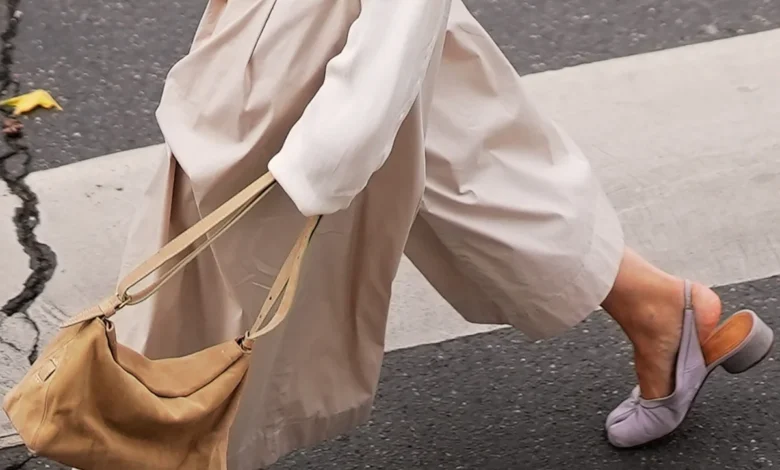
Stylists and industry experts note that despite their initial visual friction, split-toe flats offer surprising versatility within a standard wardrobe. Functioning similarly to conventional ballet flats, the unique toe separation adds a subtle geometric nuance to an outfit without overwhelming it. Depending on the material—ranging from supple matte leather and patent finishes to breathable mesh—these shoes can anchor casual daytime wear or complement elevated evening ensembles.
Industry professionals frequently recommend pairing split-toe flats with straight-leg denim, tailored trousers, midi skirts, or structured dresses. To address comfort and hygiene concerns associated with closed-toe split footwear, the market has simultaneously expanded to include specialized accessories, such as no-show split-toe socks, ensuring functionality matches aesthetic appeal.
Market Landscape and Leading Alternatives
As consumer demand expands ahead of the autumn fashion season and major industry events like New York Fashion Week (NYFW), several footwear brands have introduced their own interpretations of the trend. The current market features a wide spectrum of accessible options:
- Cushionaire Maki Tabi Flats: Emerging as a viral favorite, these options prioritize wearability with cushioned footbeds and flexible soles.
- Steve Madden Calico Bone Mesh & Cyra Black Leather: Offering both mesh-textured designs and structured low-heeled variations, Steve Madden bridges the gap between conventional comfort and avant-garde structure.
- VBDB Tabi Ballet Flats: Available in an extensive range of colorways and finishes, catering to diverse stylistic preferences from matte to high-shine.
- Jeffrey Campbell Pit Lane and Saturna Split Toe Mary Jane Flats: Known for structured leather uppers, rubber soles, and delicate wraparound laces, these designs incorporate traditional Mary Jane elements into the split-toe framework.
- Matisse Mason and Bronx Semm-ie Split Toe Ballerina Flats: Providing alternative textures, bow accents, warm autumn brown palettes, and metallic hardware details.
Broader Industry Implications and Future Outlook
The rapid commercialization of the Tabi silhouette highlights a broader trend within the contemporary fashion economy: the accelerated pipeline from runway obscurity to mass-market availability. Items that historically required years of cultural osmosis to permeate mainstream retail now achieve ubiquity within months, driven by algorithmic amplification and consumer appetite for novelty.
Market analysts observe that the embrace of polarizing footwear reflects a psychological shift among consumers post-pandemic, favoring individualistic expression and comfort over rigid adherence to traditional elegance. Whether the split-toe flat solidifies its status as a permanent wardrobe staple or remains a defining trend of the current seasonal cycle, its current dominance signals a clear appetite for challenging conventional design boundaries in everyday apparel.