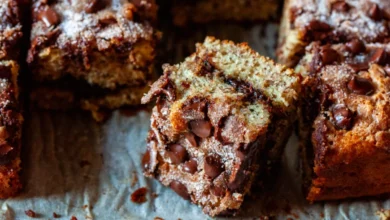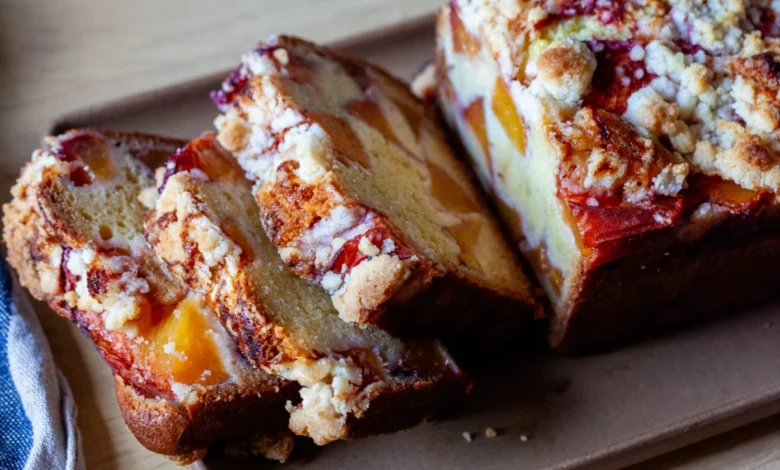
The pursuit of culinary perfection often demands patience, rigorous testing, and an uncompromising dedication to craft. For one pastry developer, the journey to finalize a single recipe—the Peach Cobbler Loaf—spanned six consecutive summer fruit seasons. The meticulous undertaking involved countless trials, systematic record-keeping, and the inevitable discarding of dozens of flawed prototypes before achieving a balanced union of fresh stone fruit, tender crumb, and a buttery streusel topping.

The Chronology of a Culinary Experiment
The development timeline of the Peach Cobbler Loaf illustrates the rigorous hurdles often encountered in professional and advanced home baking.
- Year One (Summer): The initial concept was born out of a desire to capture the essence of a traditional southern peach cobbler within the structure of a portable, sliceable loaf cake. Early iterations relied on finely diced peaches, which yielded a bland flavor profile, and thin slices that entirely dissolved into the surrounding batter during baking.
- Years Two through Four: The testing phase expanded to include structural adjustments. Flavor enhancements were introduced, including various spice combinations incorporated directly into the batter. However, these early experiments proved counterproductive; the spices turned the crumb an unappealing beige without elevating the overall taste or complementing the delicate acidity of the fresh fruit.
- Year Five: Recognizing that structural integrity and fruit distribution were the primary challenges, the developer shifted focus to layering techniques and moisture management. The realization that peach juices needed to be actively integrated rather than drained became a critical turning point in preventing a soggy crumb while maximizing fruit flavor.
- Year Six (Finalization): The definitive recipe was successfully locked down. Adjustments to pan dimensions, dairy components (utilizing yogurt or sour cream for crumb tenderness), and baking durations resolved the remaining structural anomalies. The resulting loaf successfully balances heavy, juicy fruit layers without sacrificing the integrity of the cake itself.
Technical Specifications and Baking Science
Developing a fruit-heavy loaf cake presents distinct thermodynamic and structural challenges. Unlike standard pound cakes or quick breads, a cobbler loaf must support a high volume of water-dense fruit without collapsing in the center or creating a gummy texture underneath the peach layer.

According to culinary documentation for the finalized recipe, specific parameters are required for success:
- Pan Dimensions: The ideal loaf pan holds six liquid cups (approximately 1,420 milliliters), measuring 8 by 4 inches at the base and expanding to 9 by 5 inches at the rim. This slope prevents the dense batter and heavy fruit from pooling unevenly.
- Thermal Management: Baking at 375°F (190°C) for 60 to 70 minutes ensures that the heat penetrates the dense center and evaporates excess moisture released by the stone fruit. Utilizing an underlying baking sheet is mandatory to catch boiling peach syrups that inevitably overflow the standard loaf dimensions.
- Post-Bake Evolution: Food science principles indicate that high-moisture cakes often improve structurally on the second and third days as starches retrograde and moisture redistributes evenly throughout the crumb. Storing the loaf unwrapped at room temperature preserves the textural contrast of the baked streusel top.
Industry Perspectives on Seasonal Baking
Culinary historians and pastry chefs frequently note that working with seasonal stone fruit requires a high degree of adaptability. Unlike standardized ingredients such as refined sugar or all-purpose flour, fresh peaches vary wildly in sugar content, acidity, and moisture levels depending on weather patterns, harvest timing, and regional climates.

Food developers emphasize that recipes relying on fresh seasonal produce often require years of iteration to account for these agricultural variables. The six-year timeline dedicated to the Peach Cobbler Loaf aligns with broader trends in artisan baking, where consumers and creators alike place a premium on reliability, depth of flavor, and structural authenticity over quick, shortcut-heavy baking methods.
Broader Implications for Home Baking Trends
The prolonged development cycle of the Peach Cobbler Loaf reflects a broader cultural shift toward intentional, slow-process cooking. In an era dominated by rapid-fire social media content that prioritizes immediate visual appeal, the deliberate, multi-year refinement of a single baked good underscores the enduring value of trial-and-error methodology in the kitchen.

As seasonal baking windows close—often marked by the swift conclusion of peak peach availability—recipes that withstand rigorous testing offer a reliable blueprint for home cooks aiming to maximize agricultural harvests. The finalized Peach Cobbler Loaf serves not only as a seasonal staple but as a case study in resilience, proving that certain culinary goals cannot be rushed, but rather require as long as it takes to get them right.