The Ultimate Five-Day Madrid Itinerary A Comprehensive Guide to Spains Cultural and Historic Capital


Madrid, the sprawling capital of Spain and home to approximately 3.5 million residents, has firmly established itself as a premier global destination, attracting more than 10 million visitors annually. As the largest city in the country, it serves as the political, economic, and cultural heart of the Iberian Peninsula. Renowned for its blend of historic grandeur and modern vitality, the city offers a unique tempo of life—one that prioritizes late-evening social gatherings, architectural preservation, and a world-class culinary scene. This comprehensive five-day itinerary provides a structured approach to exploring the city’s most significant landmarks, its UNESCO World Heritage sites, and its hidden historical treasures, while offering a deep dive into the socio-economic factors that make Madrid a cornerstone of European tourism.
The Strategic Importance of the Landscape of Light
The first stage of a comprehensive Madrid exploration begins in the "Paisaje de la Luz" (Landscape of Light), an urban area that achieved UNESCO World Heritage status in July 2021. This designation recognizes the site as the first of its kind in Europe to combine nature, science, and art in an urban setting. The area encompasses the Paseo del Prado and El Retiro Park, featuring more than 40 monuments and 40 historic buildings.
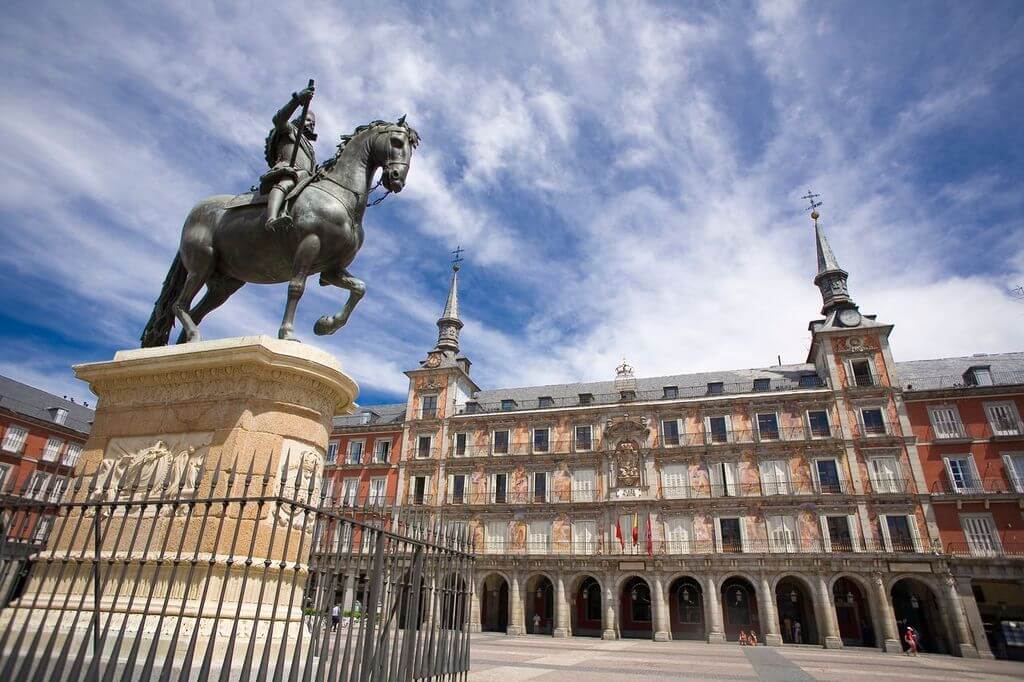
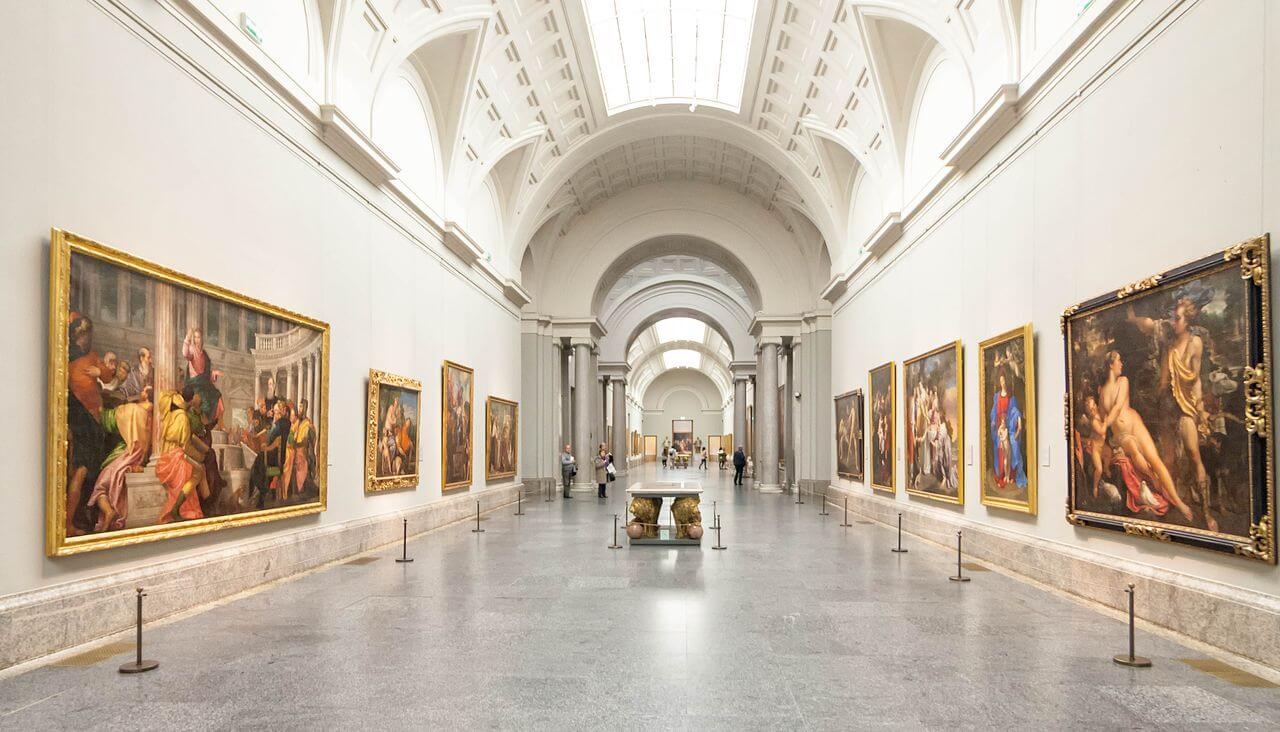
The centerpiece of this district is the Prado Museum, consistently ranked among the top art institutions globally. Housing an unparalleled collection of European art dating from the 12th century to the early 20th century, the Prado is essential for understanding the Spanish Golden Age. Works by masters such as Diego Velázquez, Francisco Goya, and El Greco form the core of the collection, alongside masterpieces by Bosch, Titian, and Rubens. Statistical data from the museum indicates that it attracts nearly 3 million visitors in peak years, underscoring its role as a primary driver of cultural tourism.
Continuing the "Art Walk," the Thyssen-Bornemisza Museum provides a chronological journey through art history, bridging the gaps between the classical collections of the Prado and the modern focus of the Reina Sofía. The Reina Sofía National Art Center, housed in a former 18th-century hospital, serves as the repository for Spain’s modern masterpieces. Its most significant asset is Pablo Picasso’s Guernica, a profound anti-war statement commissioned for the 1937 Paris World’s Fair. The presence of these three institutions within a 10-minute walking radius creates a cultural density rarely matched in other global capitals.
Chronology of the Habsburg and Bourbon Legacies
The second day of the itinerary shifts focus to "Madrid de los Austrias," or Habsburg Madrid, which reflects the city’s expansion during the 16th and 17th centuries. The central hub of this district is the Puerta del Sol, a public square that serves as the symbolic center of Spain. It contains "Kilometer Zero," the point from which all radial roads in Spain are measured. This area is also home to the "El Oso y el Madroño" (The Bear and the Strawberry Tree) statue, a 20-ton bronze sculpture representing the city’s heraldic symbols, which date back to the Middle Ages.
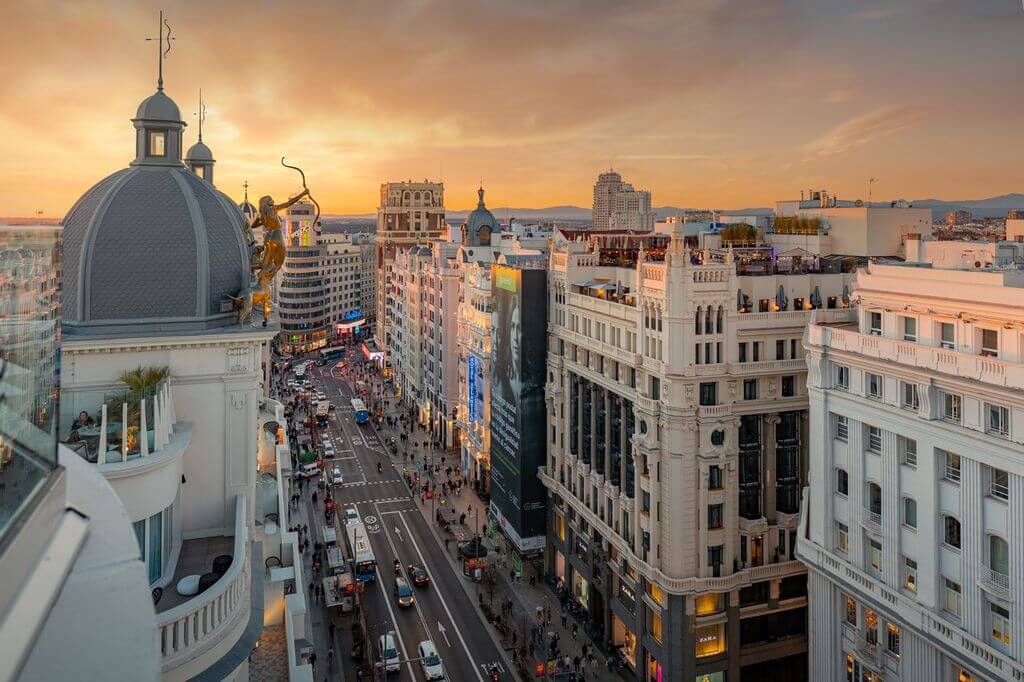
Adjacent to Puerta del Sol lies the Plaza Mayor, a grand porticoed square completed in 1619 during the reign of Philip III. Historically, the plaza has served as the site of royal coronations, bullfights, and public executions. Today, it remains a focal point for civic life and tourism.
The architectural narrative transitions from the Habsburgs to the Bourbons at the Royal Palace of Madrid. Constructed in the 18th century on the site of a former 9th-century Muslim fortress (Alcázar), it is the largest functioning royal palace in Western Europe by floor area, spanning 135,000 square meters with over 3,400 rooms. While it remains the official residence of the Spanish Royal Family, it is used exclusively for state ceremonies, allowing the public to view the Royal Armory and the Royal Pharmacy.
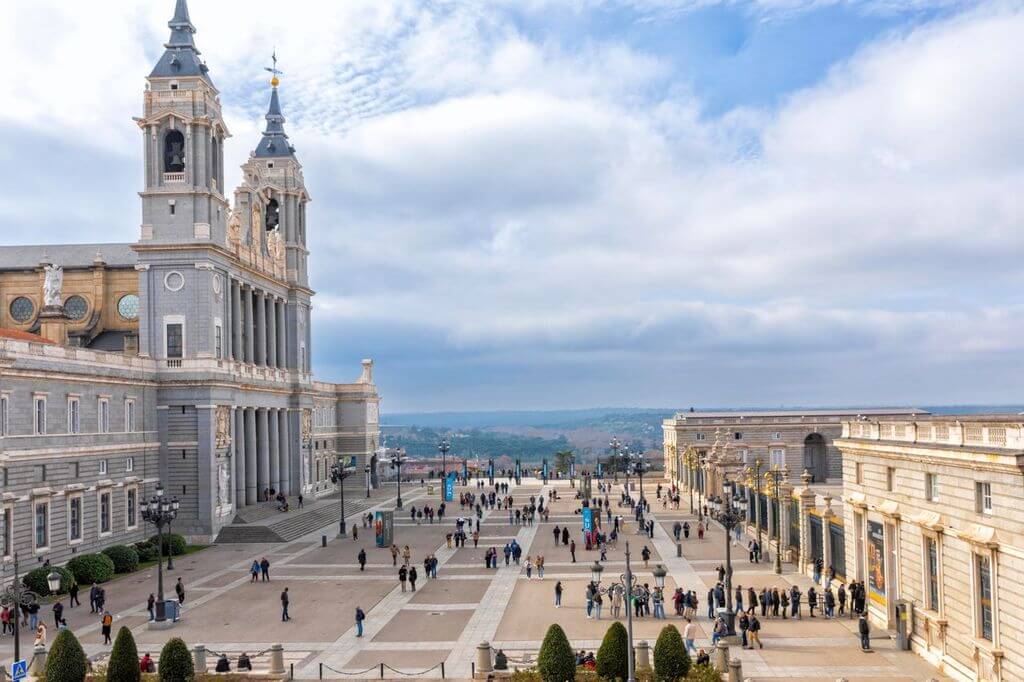
Completing the historic core is the Almudena Cathedral. Although plans for the cathedral began in the 16th century, construction did not commence until 1879 and was not finalized until 1993. The result is a unique architectural hybrid: a Neo-Classical exterior designed to harmonize with the Royal Palace and a Neo-Gothic interior featuring modern pop-art-inspired stained glass.
Economic Impact of Gastronomy and the "Slow Travel" Movement
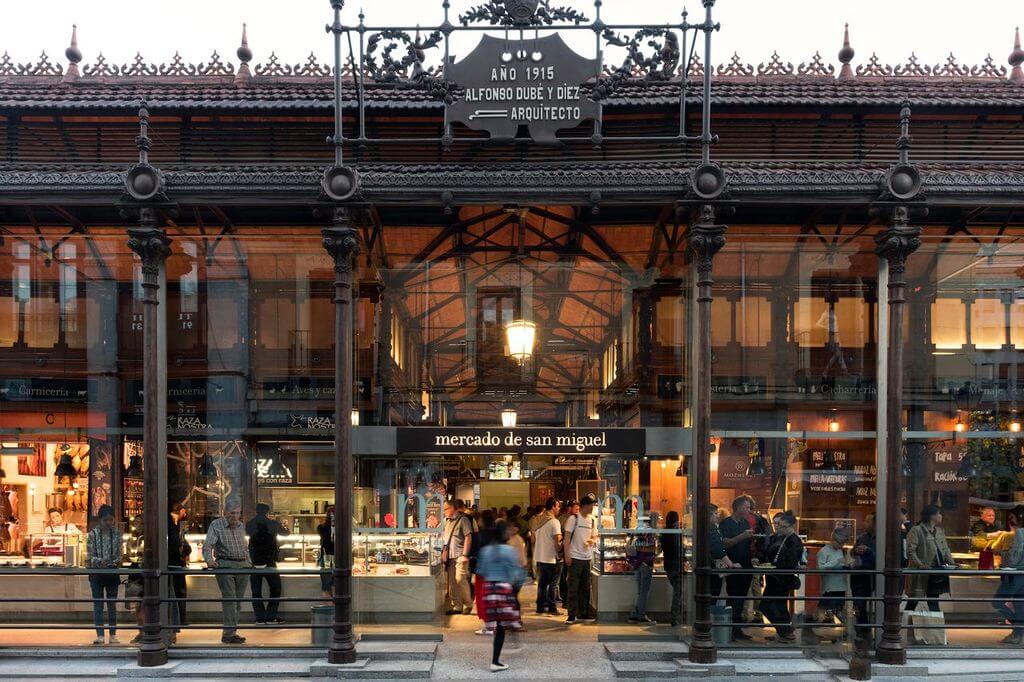
On the third day, the focus turns to Madrid’s culinary infrastructure, which is a vital component of the city’s economy. The city’s gastronomic markets have undergone a significant transformation over the last decade, evolving from neighborhood grocery hubs into high-end culinary destinations. The Mercado de San Miguel, a 1916 iron-and-glass structure, is the most prominent example, drawing thousands of daily visitors for gourmet tapas.
Further culinary depth is found in the neighborhoods of Chueca and Chamberí, where the Mercado de San Antón and Mercado de Vallehermoso offer a more localized experience. Madrid also holds a significant Guinness World Record: Sobrino de Botín, founded in 1725, is officially recognized as the world’s oldest continuously operating restaurant. The city’s shift toward diverse dietary preferences is also evident in neighborhoods like Malasaña, which has become a hub for plant-based gastronomy, reflecting broader European trends in sustainable and ethical dining.
As the sun sets, the Gran Vía—Madrid’s most famous thoroughfare—showcases the city’s "rooftop culture." High-altitude venues such as the RIU 360º sky bar provide panoramic views that highlight the city’s density and architectural diversity. This late-night energy is a hallmark of Madrid’s identity; unlike many Northern European cities, Madrid’s social and economic activity peaks well after midnight, a factor that tourism officials cite as a key attraction for younger demographics.
Regional Integration: UNESCO Day Trips
The fourth day emphasizes Madrid’s role as a gateway to the broader history of Castile. Within an hour of the city center lie several sites of immense historical significance.
- San Lorenzo de El Escorial: Built between 1563 and 1584, this massive complex served as a monastery, palace, and burial site for Spanish monarchs. It was the political center of the empire under Philip II and is characterized by its austere "Herrerian" style.
- Aranjuez: Known for the Royal Palace and its expansive gardens, Aranjuez was the spring residence of the monarchy. Its landscape was shaped by the Enlightenment and is recognized by UNESCO for its "Cultural Landscape" status, demonstrating the harmonious relationship between nature and human design.
- Alcalá de Henares: The birthplace of Miguel de Cervantes, author of Don Quixote, this city is home to one of the world’s oldest universities. Its grid-like Renaissance layout served as a model for the "City of God" in the Americas during the Spanish colonial era.
The accessibility of these sites via the Cercanías (commuter rail) system demonstrates the efficiency of Madrid’s regional transport infrastructure, which is frequently cited as one of the best in Europe.
Off-the-Beaten-Path: Monasteries and Urban Greenery
The final day of the itinerary explores the city’s quieter, more contemplative spaces. The Monastery of Las Descalzas Reales and the Royal Monastery of La Encarnación offer a glimpse into the lives of the Spanish nobility and clergy. Las Descalzas Reales, founded in 1559, became a repository for vast amounts of art brought by aristocratic women who joined the convent. These institutions remain active cloisters, preserving a sense of 17th-century Madrid that is often lost in the bustling city center.
To conclude the visit, the Casa de Campo offers a stark contrast to the urban environment. At 1,722 hectares, it is five times larger than New York’s Central Park. Originally a royal hunting ground, it was opened to the public in 1931. The park’s lake and cable car (Teleférico) provide alternative perspectives of the city skyline, including the Royal Palace and Almudena Cathedral.
Tourism Analysis and Broader Implications
Madrid’s tourism strategy has recently shifted toward attracting "high-value" visitors rather than just high volumes. The city’s investment in the "Landscape of Light" UNESCO bid and the renovation of luxury hotel properties indicate a desire to compete with cities like Paris and London for the luxury market. Furthermore, the 2026 reopening of the Sorolla Museum, following a major architectural expansion, suggests a continued commitment to preserving "house museums" that offer more intimate cultural experiences.
The implications of Madrid’s growth are multifaceted. While tourism provides a massive boost to the local GDP—accounting for roughly 7% of the regional economy—the city faces challenges common to major European capitals, including the management of short-term rentals and the preservation of neighborhood authenticity. However, by balancing its world-renowned "Golden Triangle of Art" with hidden monasteries and expansive green spaces, Madrid maintains a diverse appeal.
In conclusion, a five-day stay in Madrid reveals a city that is simultaneously a modern administrative powerhouse and a living museum of the Spanish Empire. Its ability to integrate 21st-century amenities with centuries-old traditions ensures its status as a critical node in the global tourism network. For the traveler, the city offers not just a list of sights, but an immersion into a lifestyle defined by historical appreciation and social vibrancy.
Related posts: