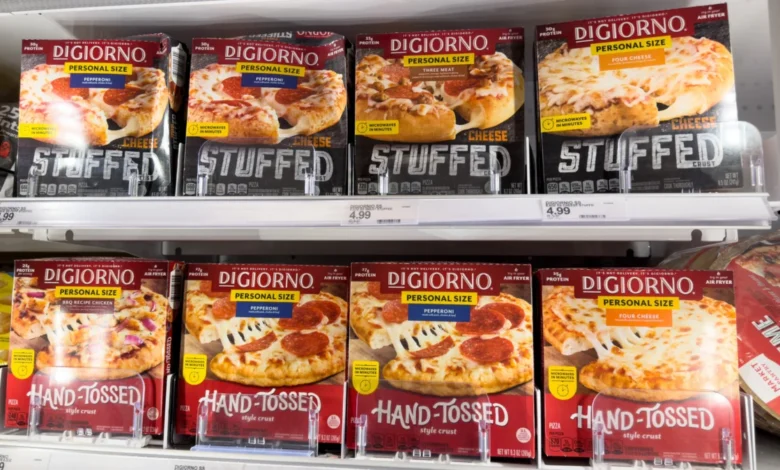
The frozen food landscape is defined by its staples—the reliable meals that occupy freezer aisles for decades—yet it is occasionally punctuated by experimental flashes of culinary cross-pollination. DiGiorno, a brand owned by Nestlé and synonymous with the "It’s not delivery" slogan, has spent nearly three decades dominating the thick-crust frozen pizza market. However, in 2021, the company momentarily stepped outside its traditional boundaries to enter the pastry world. The result was the "DiGiornut," a pizza-donut hybrid that sought to challenge the traditional definitions of both breakfast and dinner. While the product has since faded into the annals of corporate marketing history, its release represented a significant moment in the intersection of "stunt marketing" and consumer engagement within the competitive frozen food sector.
The Genesis of the DiGiornut: A National Donut Day Strategy
On June 4, 2021, DiGiorno officially unveiled the DiGiornut. The timing was strategic, coinciding with National Donut Day, an unofficial holiday that typically sees heavy promotional activity from bakery chains like Dunkin’ and Krispy Kreme. By introducing a savory, pizza-themed donut, DiGiorno effectively "crashed" a holiday usually reserved for sweet treats, generating significant social media buzz through the sheer incongruity of the product.
Unlike the brand’s standard pizza offerings, which are available in nearly every major grocery retailer across North America, the DiGiornut was never intended for mass-market retail. It was a highly exclusive product, distributed solely through a digital sweepstakes on the social media platform then known as Twitter (now X). To participate, fans were required to engage with the brand’s official account, replying to specific promotional posts for a chance to win a half-dozen box of the rare treats. This strategy of artificial scarcity served to increase the brand’s digital footprint, turning a niche food experiment into a trending topic.
Culinary Composition: Bridging the Gap Between Sweet and Savory
The DiGiornut was not merely a pizza shaped like a donut; it was a complex hybrid that utilized a brioche-style dough to mimic the texture of a traditional donut while maintaining the flavor profile of a DiGiorno pizza. Brioche, characterized by its high egg and butter content, provided a rich, airy base that could withstand the moisture of tomato sauce and the weight of cheese.
The construction of the DiGiornut featured several layers of DiGiorno’s signature ingredients:
- The Base: A circular, hole-in-the-middle brioche donut.
- The Filling: Inside the dough, lucky recipients found a core of melted mozzarella cheese and marinara sauce. Some versions were further enhanced with a stuffing of diced pepperoni.
- The Topping: The exterior was not glazed with sugar, but rather coated in DiGiorno’s herb-infused tomato sauce.
- The Garnish: A generous layer of shredded mozzarella cheese and dried Italian herbs (oregano, basil, and garlic) topped the pastry. In certain iterations, small "pepperoni discs" were added to complete the visual aesthetic of a miniature pizza.
This combination created a sensory experience that leaned heavily into the "savory donut" trend, a culinary movement that has seen various iterations in gourmet bakeries but had rarely been attempted by a major frozen food conglomerate.
Chronology of the 2021 Limited Release
The lifecycle of the DiGiornut was brief but impactful. The campaign followed a specific timeline designed to maximize engagement:
- Late May 2021: DiGiorno began teasing a "major announcement" on social media, using cryptic imagery that suggested a departure from their standard circular pies.
- June 1, 2021: The brand officially revealed the DiGiornut, sparking an immediate wave of media coverage from food news outlets and lifestyle blogs.
- June 4, 2021 (National Donut Day): The sweepstakes officially opened. Within hours, thousands of users had replied to the DiGiorno Twitter account, hoping to secure one of the limited-edition boxes.
- Mid-June 2021: Winners began receiving their DiGiornuts via specialized cold-chain shipping. This period saw a secondary wave of content as "unboxing" videos and taste tests appeared on Reddit, TikTok, and Instagram.
- Late 2021: As the promotional cycle ended, the DiGiornut was retired. DiGiorno returned its focus to its core product lines, such as the Croissant Crust and Rising Crust pizzas.
Public Perception and Social Media Reaction
The reception of the DiGiornut was polarized, reflecting a common trend in experimental food marketing. On platforms like Reddit and Facebook, the announcement was met with a mixture of genuine curiosity, culinary skepticism, and outright bewilderment.
Proponents of the idea pointed toward the success of "pizza bagels" and "pizza rolls," arguing that the DiGiornut was simply a more sophisticated evolution of existing snack foods. One Reddit user, who claimed to be a sweepstakes winner, noted that the texture of the brioche dough made the product feel "more like a gourmet stuffed bun than a standard donut."
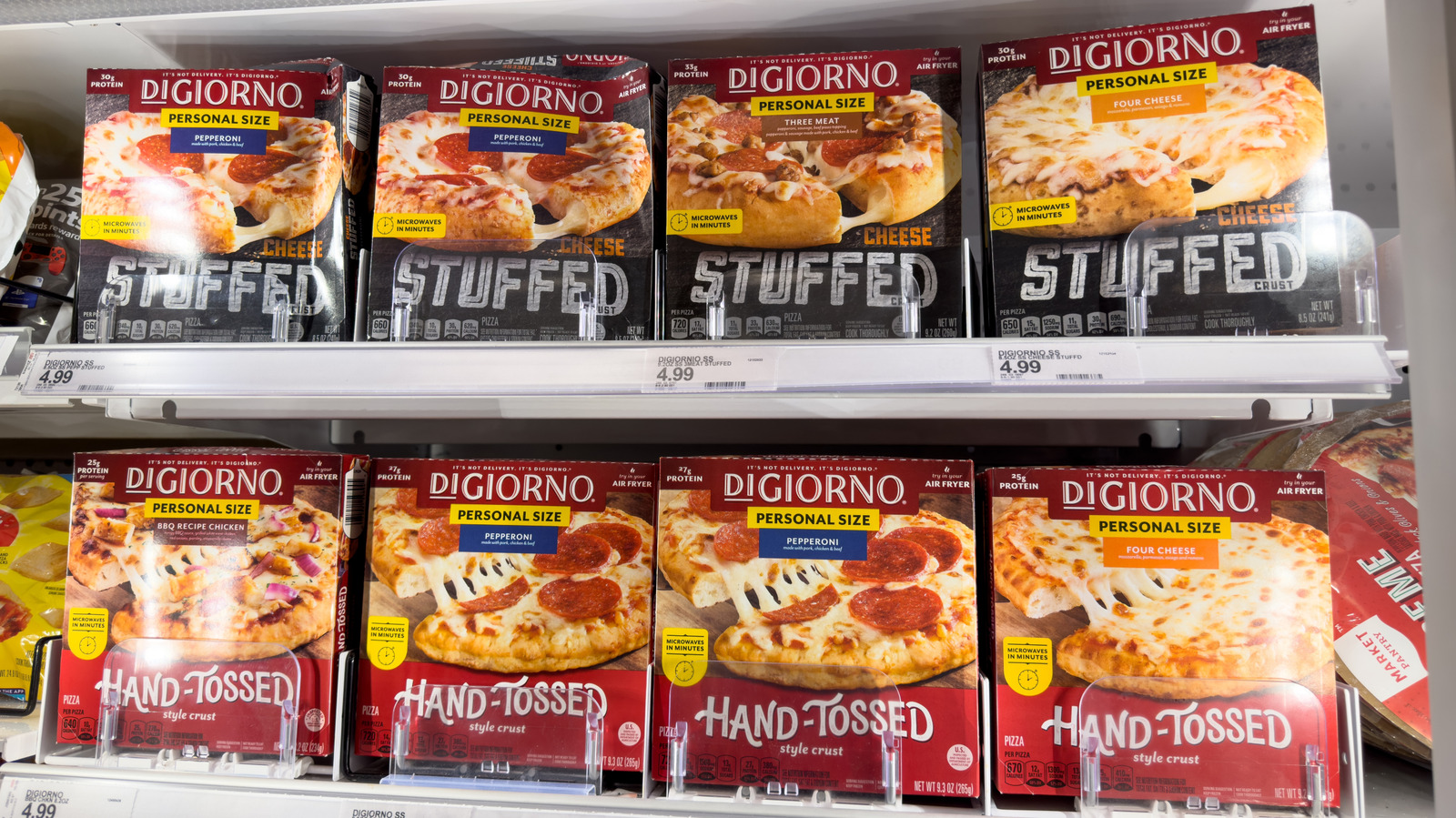
Conversely, many consumers expressed "food fatigue" regarding the trend of hybrid snacks. On DiGiorno’s official Facebook page, critics argued that the product was an "unnecessary complication" of two perfectly good foods. Some commenters likened the appearance to a "failed pizza bagel experiment," while others questioned why the brand would not simply release a high-quality pizza bagel rather than a "donut."
Despite the mixed reviews, the campaign was a success from a marketing standpoint. By generating "outrage" and "curiosity" simultaneously, DiGiorno ensured that its brand remained at the forefront of the conversation during a holiday where it would otherwise have no relevance.
Market Context: The Rise of "Stunt Food" in the Frozen Sector
The DiGiornut did not exist in a vacuum. It was part of a broader industry trend where legacy brands use limited-time offers (LTOs) to maintain cultural relevance. In an era where consumers are bombarded with choices, "stunt foods"—products designed more for social media sharing than for long-term retail viability—have become a vital tool for brands like Nestlé.
Other notable examples of this trend include the KFC Double Down, the Taco Bell Doritos Locos Tacos, and various "mystery flavor" Oreos. These products serve three primary functions:
- Data Collection: Brands can gauge consumer interest in specific flavor profiles (like savory-sweet hybrids) without the risk of a full-scale national product launch.
- Earned Media: The "weirdness" factor of a pizza-donut ensures free coverage from news organizations and influencers, providing a return on investment that often exceeds traditional television advertising.
- Brand Modernization: For a brand like DiGiorno, which has been around since 1995, such stunts help the company appear "edgy" or "innovative" to younger demographics, specifically Gen Z and Millennials, who value novelty.
The DIY Legacy: How to Recreate the DiGiornut Today
Because the DiGiornut was never released to retail stores, it has become a "lost" food item. However, the simplicity of its components has led to a small but dedicated "DIY" movement among food enthusiasts who seek to recreate the experience at home.
For those looking to replicate the DiGiornut, culinary analysts suggest using store-bought brioche buns or savory-stuffed dough as a baseline. The process involves:
- Preparation: Using a small circular cutter to create a hole in the center of a savory dough ball.
- Stuffing: Injecting a mixture of marinara and finely minced pepperoni into the dough.
- Baking: Cooking the dough at approximately 400 degrees Fahrenheit for 25 minutes to ensure the brioche sets properly.
- Finishing: Adding a layer of sauce and a heavy coating of mozzarella during the final five minutes of baking to achieve the signature "melted" look of the original DiGiornut.
This DIY trend highlights the lasting impression the 2021 campaign made on the public consciousness. Even though the product is no longer "official," the concept remains a point of interest for home cooks and food hackers.
Implications for Future Product Development
The DiGiornut experiment provided DiGiorno with valuable insights into the "handheld" frozen food market. Following the 2021 campaign, the brand continued to lean into crust innovations, such as the "Fully Stuffed" crust and "Crust Cones," suggesting that the data gathered from the DiGiornut sweepstakes may have influenced subsequent, more traditional product lines.
Furthermore, the success of the DiGiornut campaign proved that the frozen pizza category is not limited to the "dinner" occasion. By blurring the lines between a morning pastry and an evening meal, DiGiorno signaled its intent to compete for "snackable" moments throughout the day—a segment of the market currently dominated by brands like Hot Pockets (another Nestlé property) and Totino’s.
While the DiGiornut may never see a shelf in the local grocery store, its brief existence serves as a case study in modern brand management. It demonstrated how a legacy brand can use humor, scarcity, and culinary experimentation to capture the public’s imagination, proving that in the world of frozen food, sometimes the most successful products are the ones you can’t actually buy.