Kabul is acquired by the BBC, starring the late Eric Dane and Shervin Alenabi

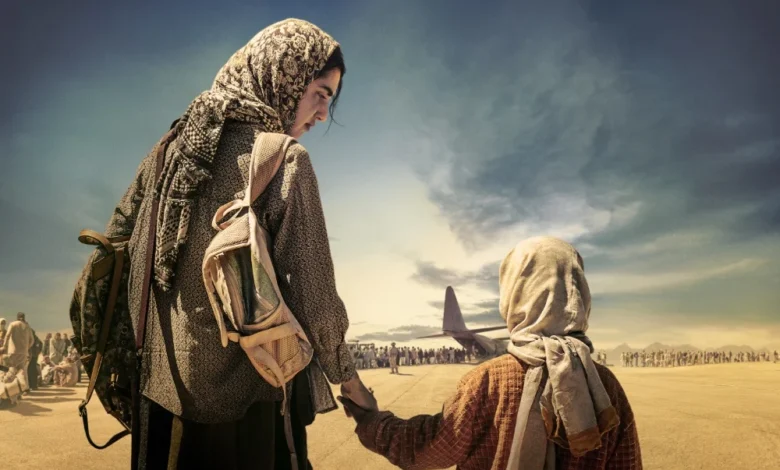
The British Broadcasting Corporation (BBC) has secured the rights to the gripping thriller series "Kabul," a six-part drama that plunges viewers into the heart of the chaotic evacuation of Afghanistan following the swift return of the Taliban to power. The acquisition, announced by Mediawan Rights, brings a star-studded cast led by the late Eric Dane and Shervin Alenabi, known for his role in "Tehran," to a global audience through the BBC’s platforms.
The series is set against the dramatic backdrop of the United States’ withdrawal from Afghanistan in August 2021, a period marked by immense uncertainty and a race against time for thousands of individuals desperate to escape the country. "Kabul" meticulously chronicles the frantic efforts to evacuate diplomats, soldiers, and civilians caught in the crossfire of a rapidly deteriorating political and security landscape.
A Harrowing Glimpse into the Final Days of Kabul
The official synopsis paints a vivid picture of the unfolding crisis: "Kabul, August 15, 2021. As American troops withdraw, the Taliban enter the city. The Nazany family, like many civilians, is forced to flee, fearing retaliation. In this desperate and chaotic situation – shadowed by the looming threat of an attack by ISIS – French police officers, Italian diplomats, German military personnel, and American intelligence services must somehow coordinate to manage the influx of civilians. How will each of them manage to save their own lives? The countdown has begun." This narrative framework underscores the multi-faceted nature of the crisis, highlighting not only the plight of civilians but also the complex and often strained international cooperation required during such an unprecedented humanitarian emergency.
The production boasts a strong international cast and crew, with acclaimed talent contributing to its authenticity and dramatic power. Produced by France’s 24 25 Films and Cinétévé, the series features performances from Jonathan Zaccaï ("Le bureau des légendes"), Thibault Evrard ("The Night of the 12th"), Vassilis Kukalawi ("Kandahar"), Jeanne Goursaud ("Pax Massilia"), Gianmarco Saurino ("L’estate più Calda"), and Valentina Cervi ("Medici: Masters of Florence"). This ensemble cast brings a wealth of experience in portraying complex characters navigating high-stakes environments.
Visionary Direction and Penmanship
The directorial vision for "Kabul" is helmed by Kasia Adamik ("No Escape") and Olga Chajdas ("Imago"), whose previous works have demonstrated a keen ability to craft compelling narratives within intense and challenging settings. The screenplay, penned by Olivier Demangel ("Atlantics," "November"), Thomas Finkelkraut, and Joey Lavy ("The Shift"), promises a nuanced exploration of the human drama amidst geopolitical upheaval. Demangel, in particular, has a proven track record of delivering thought-provoking stories that resonate with global audiences, suggesting a depth and emotional resonance within "Kabul."
BBC’s Acquisition: A Testament to the Series’ Significance
Nick Lee, the BBC’s Head of Program Acquisition, expressed his enthusiasm for the series, emphasizing its profound significance. "‘Kabul’ is a tragedy of the highest stakes," Lee stated. "A warzone story which is propelled by the real ticking clock of the evacuation that was just five years ago this summer. Global politics remain complex, but ‘Kabul’ dramatises the biggest view of history through the smallest window of a human family." This statement highlights the BBC’s commitment to bringing impactful and timely stories to its viewers, offering a human-centric perspective on major historical events. The fact that the events depicted are relatively recent adds a layer of immediacy and relevance to the series.
The production of "Kabul" was a collaborative effort, involving producers Fabienne Servan-Schreiber and Charlotte Ortiz at Cinétévé, alongside Matthias Weber and Thibault Gast at 24 25 Films, a Mediawan Company. Sandrine Paquot served as executive producer. The series was developed in collaboration with the European Alliance, a testament to the growing trend of international co-productions aimed at creating high-quality, globally appealing content. Mediawan Rights has been instrumental in managing the global sales of the series, ensuring its wide distribution.
Release Details and Broader Context
"Kabul" is set to premiere on the BBC’s streaming platform, iPlayer, on August 2nd, offering viewers immediate access to the entire series. It will subsequently be broadcast on BBC Four, commencing on August 15th, marking the anniversary of the Taliban’s re-entry into Kabul. This staggered release strategy allows for both on-demand viewing and a more traditional broadcast experience, catering to a diverse audience.
The acquisition of "Kabul" by the BBC comes at a time when the world continues to grapple with the long-term consequences of the withdrawal from Afghanistan. The events of August 2021 were a watershed moment, leading to a humanitarian crisis and a significant geopolitical shift. The Taliban’s rapid takeover of the country, after 20 years of international intervention, caught many by surprise and underscored the complexities of nation-building and counter-terrorism efforts.
Supporting Data and Chronology of Events
To fully appreciate the context of "Kabul," it’s essential to recall the timeline of events:
- April 2021: President Joe Biden announces the full withdrawal of U.S. troops from Afghanistan by September 11, 2021.
- May-August 2021: As U.S. and allied forces withdraw, the Taliban launch a swift and aggressive offensive across the country, capturing district after district with surprising speed. Afghan national security forces, often lacking adequate support and facing low morale, struggle to resist.
- August 15, 2021: The Taliban enter Kabul, the capital city, with little resistance. Afghan President Ashraf Ghani flees the country. The Afghan government collapses.
- August 16-30, 2021: Chaos erupts at Kabul’s Hamid Karzai International Airport as thousands of Afghans, desperate to escape the Taliban regime, attempt to board departing flights. International forces, primarily U.S. troops, work frantically to evacuate their citizens, embassy staff, and Afghan allies. This period is characterized by overcrowding, desperation, and significant security concerns, including the devastating attack by ISIS-K at Abbey Gate on August 26th, which killed 13 U.S. service members and over 170 Afghan civilians.
- August 31, 2021: The final U.S. troops withdraw from Afghanistan, officially ending the 20-year military mission.
The series’ focus on the coordinated efforts of various international actors – French police, Italian diplomats, German military, and American intelligence – highlights the immense logistical and diplomatic challenges faced during the evacuation. These entities, often working under immense pressure and with limited resources, had to navigate complex protocols, security threats, and the overwhelming needs of a fleeing population. The presence of ISIS-K as a looming threat adds another layer of danger and complexity, as evidenced by the actual attacks that occurred during the evacuation period.
The Human Element: A Focus on Family and Survival
While the geopolitical ramifications of the withdrawal are vast, "Kabul" aims to bring the story down to a human level. The Nazany family’s plight serves as a microcosm of the broader crisis, illustrating the personal sacrifices, fears, and desperate measures undertaken by ordinary people caught in extraordinary circumstances. This focus on individual narratives allows audiences to connect with the human cost of conflict and political upheaval.
The series’ exploration of how individuals manage to "save their own lives" speaks to the inherent human drive for survival and the difficult choices people are forced to make when faced with existential threats. It raises questions about morality, responsibility, and the limits of human endurance under duress.
Analysis and Implications
The BBC’s acquisition of "Kabul" signifies a growing appetite among broadcasters and audiences for dramas that explore recent, significant global events with a strong humanistic lens. The series offers a valuable opportunity to revisit and understand the complexities of the Afghanistan withdrawal, an event that continues to shape international relations and humanitarian concerns.
By dramatizing these events, "Kabul" can serve several purposes:
- Education and Awareness: It can educate viewers about the realities of the evacuation and the experiences of those directly affected, fostering greater empathy and understanding.
- Historical Documentation: While fictionalized, the series can serve as a powerful artistic representation of a pivotal historical moment, contributing to the collective memory of the event.
- Exploration of International Cooperation (and its Limits): The series’ depiction of various nations working together, or sometimes struggling to, can offer insights into the challenges and necessities of multilateral responses to crises.
- Highlighting the Role of Intelligence and Diplomacy: Beyond the military aspect, the series underscores the critical roles of intelligence gathering and diplomatic efforts in managing such complex situations.
The inclusion of Eric Dane, whose passing was announced earlier this year, adds a poignant dimension to the series. His contribution to "Kabul" will now be remembered not only for his performance but also as part of his final on-screen work, potentially drawing additional attention and emotional resonance from audiences.
In conclusion, "Kabul" promises to be a compelling and timely series that delves into one of the most significant geopolitical events of recent years. Through its gripping narrative, strong performances, and focus on the human experience, the drama is poised to offer a profound and impactful viewing experience for BBC audiences. The series’ exploration of themes such as survival, international cooperation, and the devastating consequences of conflict ensures its relevance and significance in the current global landscape.