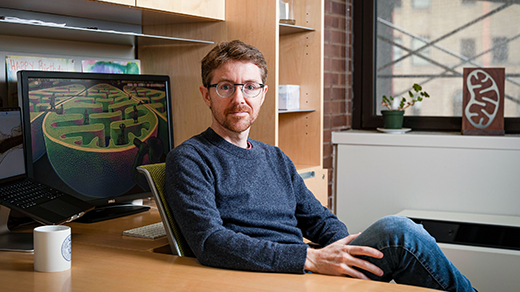
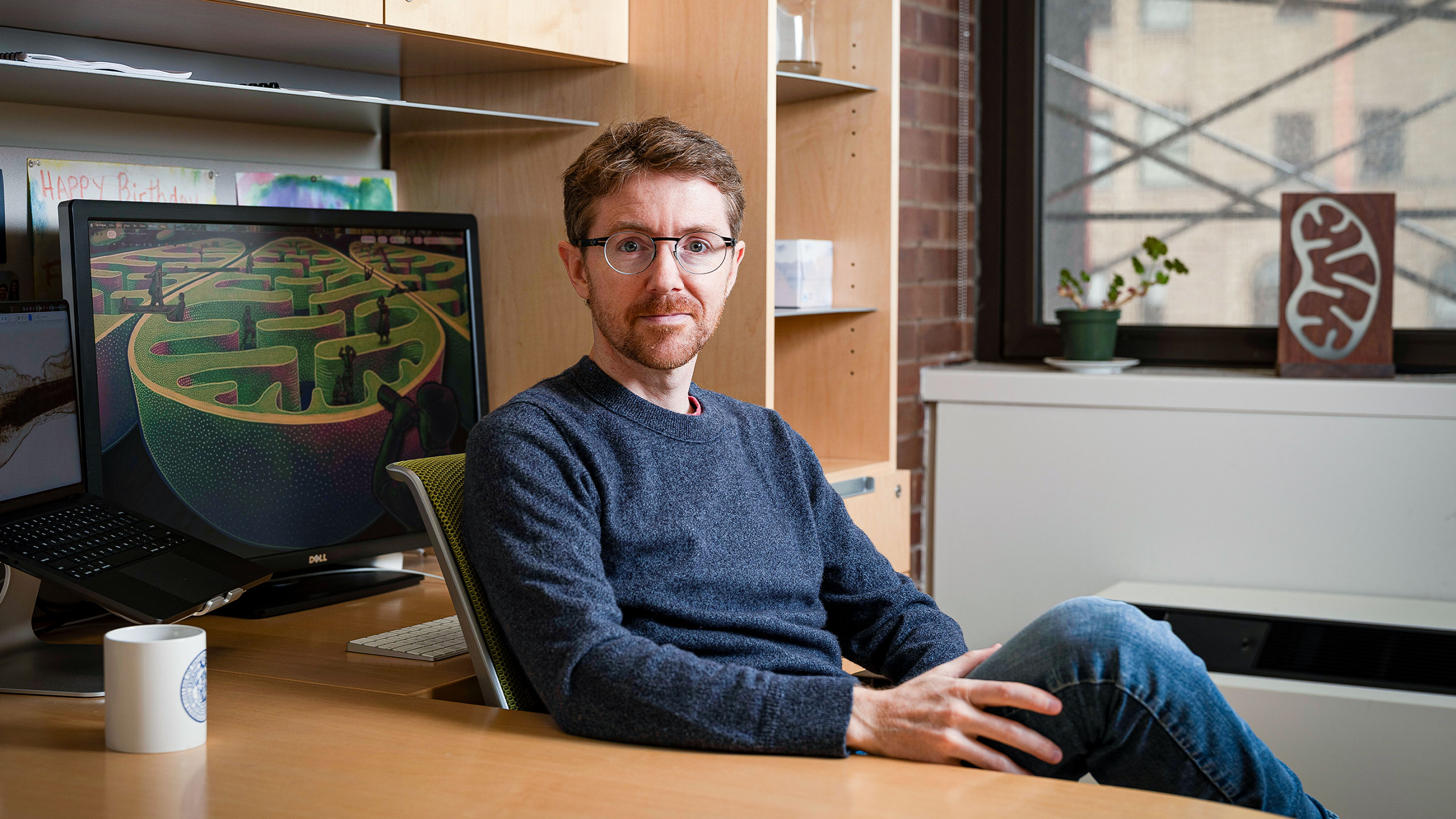
It was 9 a.m. on a Thursday in July 2021, and Martin Picard was participating in a groundbreaking experiment that would place him at the very center of his own scientific inquiry. A biologist and director of the Mitochondrial Psychobiology Lab at Columbia University Irving Medical Center, Picard allowed a nurse to draw blood from an IV in his arm, channeling it through a discreet opening in the wall to a research team adjacent to his meticulously designed confinement. For 24 hours, including while he slept, his blood was continuously monitored. Each hour, if awake, he also provided a saliva sample and completed a survey detailing his mood.
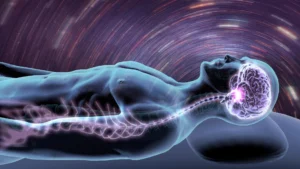
Picard’s temporary residence was not a hotel room, but a metabolic research chamber, one of only 50 of its kind globally. Its intentionally small dimensions were crucial, designed to minimize any extraneous energy expenditure beyond the absolute minimum required to sustain life. Daytime napping was forbidden, as were deviations from a precisely scheduled, calorically balanced diet. His bedtime was fixed at 11 p.m. sharp, after which a device would monitor his vitals and brain activity during sleep. Despite the austere surroundings, Picard described feeling a profound sense of excitement. He was the inaugural volunteer in a study aimed at understanding the foundational role of mitochondria, often referred to as the "powerhouses of the cell," in human health, disease, and even consciousness.
The established understanding of mitochondria centers on their primary role: generating adenosine triphosphate (ATP), the universal energy currency of life, through cellular respiration. This process involves the breakdown of glucose and fats from consumed food. However, recent scientific advancements have unveiled a far more complex and multifaceted existence for these vital organelles. Studies over the past decade have illuminated their involvement in processing a wide array of molecules, including neurotransmitters, hormones, and metabolites. This intricate involvement directly influences subjective human experiences such as mood, stress levels, sexual arousal, and the fundamental need for sleep. Picard posits that these functions position mitochondria as "the consilience point for many known processes demonstrated to underlie consciousness."
The Energetic Underpinnings of Existence
Picard’s broader theoretical framework, which he terms his "energetic view of life," proposes that distinct energetic states characterize health and disease. Within this paradigm, mitochondria are the critical intermediaries responsible for modulating these states. He argues that the flow of electrons, from the breakdown of nutrients to their final reaction with oxygen within the metabolic cascade managed by mitochondria, represents the most fundamental aspect of the experience of being alive. "If the energy stops flowing, there’s no more you," Picard stated, emphasizing that while the genome may encode the blueprint for life, the disruption or absence of this essential energy flow negates consciousness, emotion, and life itself.
While the importance of genes and proteins in biological processes remains undisputed, Picard’s hypothesis suggests that mitochondria and the metabolic pathways they orchestrate may exert a more immediate and profound influence on the brain and overall well-being than previously appreciated. Jon Brestoff, an immunologist at Washington University in St. Louis, supports this perspective, noting that "the idea that mitochondria influence what’s happening in the brain really isn’t far-fetched at all. Martin just brings a fresh perspective on it."
Tracing the Origins of an Idea
Picard’s fascination with the intricacies of human vitality began during his childhood in a French-speaking town outside Montreal. His mother, a nurse who managed her own home care service, would often bring him along on visits to patients recovering from surgery, those with quadriplegia, or individuals in palliative care. He observed a perplexing dichotomy: some patients seemed to spiral through successive illnesses, never fully recovering, while others demonstrated remarkable resilience, bouncing back from severe ailments with what appeared to be miraculous speed. This early exposure ignited a deep-seated curiosity about the fundamental drivers of health and recovery.
His academic journey led him to McGill University, where he pursued studies in physiology and neuroimmunology. Throughout his formal education, a central question began to crystallize: how do molecular, cellular, and systemic bodily processes translate into subjective feelings, observable behaviors, and the capacity to thrive? Finding his coursework insufficient, he began exploring holistic health practices on his own. While he maintained a critical perspective on some of the teachings, he gained an appreciation for a holistic approach to wellness and the individual variability of disease. Crucially, these side studies fostered a deeper understanding of human connection and empathy.
Mitochondria: More Than Just Powerhouses
In parallel with his formal studies, Picard found himself increasingly drawn to the study of mitochondria. He learned that their role extends far beyond energy production. These organelles are crucial in synthesizing precursors for neurotransmitters like glutamate and acetylcholine, essential for brain, nerve, and muscle function. Moreover, the initial steps in the synthesis of all steroid hormones, including cortisol, estrogen, testosterone, and progesterone, occur within mitochondria, making them pivotal in regulating sleep, reproduction, and stress responses. They are also highly active in intracellular and intercellular signaling, regulating calcium fluxes—critical for processes from muscle contraction to gene transcription—and managing reactive oxygen species, which play roles in immune cell activation and cell growth. Mitochondria are also deeply involved in detecting and responding to stress, and even in initiating programmed cell death (apoptosis) when cellular damage is deemed irreparable.
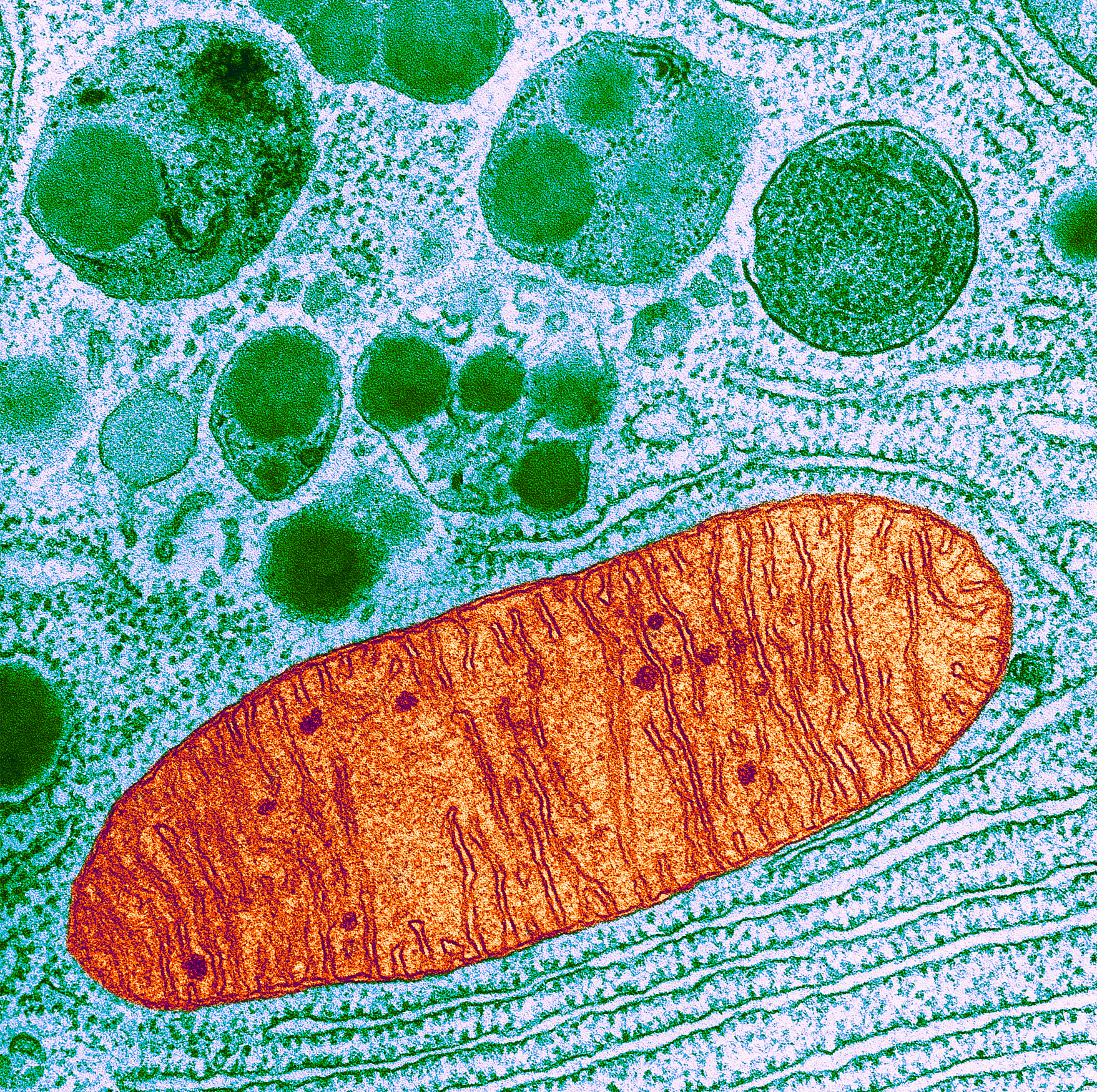
The ever-expanding list of core biological processes influenced by mitochondria—including immune activity, reproduction, metabolism, cancer suppression, gut health, and aging—underscores their potential role in a vast spectrum of diseases and disorders. This realization is driving a significant paradigm shift in how researchers understand these organelles. "This is probably one of the most exciting times to be studying mitochondria ever," remarked A. Phillip West, an expert in mitochondrial influence on immune response at the Jackson Laboratory. "We’ve got a lot to learn, but I think we’re really entering an amazing period."
Intriguingly, mitochondria also produce signaling molecules that regulate gene expression, acting as a crucial link between the genetic code and the dynamic external environment. This led Picard to hypothesize, by the end of his graduate studies, that mitochondria might hold the key to answering his most profound questions about life. He pursued this hunch by undertaking postdoctoral research with Douglas Wallace, a pioneer in the field of mitochondrial genetics at the University of Pennsylvania.
The "Energetic View of Life" Takes Shape
Since then, Picard has spearheaded research and developed innovative tools to investigate the complex interplay between mitochondria, energy metabolism, mood, and overall health. His central hypothesis posits that mitochondria represent a "missing dimension of medicine," capable of explaining the differential capacity of individuals to flourish or falter, a phenomenon he first witnessed in his mother’s patients. He suggests that the human body operates within a finite "energy budget." When biological processes compete for limited energy resources, particularly during illness, injury, or chronic stress, the resulting trade-offs can manifest not only as poor physical health but also as negative conscious experiences like anxiety, cognitive fog, and profound exhaustion. Conversely, good health, positive emotional states, and robust energy levels are often interconnected.

Picard now prefers to conceptualize mitochondria as "orchestrators of cell function." He draws an analogy between the human body and an electrical circuit, with mitochondria acting as resistors. In an electrical circuit, resistors shape and control the flow of current, preventing it from running unchecked. Similarly, mitochondria are believed to maintain the body’s energy flow within a narrow, optimal range—"not too little, not too much"—conducive to a healthy state. Far from being passive conduits, these organelles function as "pattern-generating units in the circuit," transforming raw energy into meaningful biological signals. Picard hypothesizes that variations in these patterns may account for individual predispositions to specific mental states, chronic diseases, and varying levels of resilience.
A Growing Field of Study: Mitochondria and the Mind
The burgeoning research into mitochondria’s role in mental and physical health is rapidly gaining traction. Picard’s efforts to formally establish a field of study centered on "mitochondrial psychobiology" are resonating with other researchers. Carmen Sandi, a neuroscientist at the Swiss Federal Institute of Technology Lausanne, has conducted seminal studies demonstrating the influence of mitochondria on mental states and the potential for therapeutic intervention. Her 2021 research showed that rats exhibiting anxious or depressed behaviors had malfunctioning mitochondria in their brain cells. Experimentally boosting mitochondrial activity in these neurons led to improvements in neural function and a reduction in anxiety-like behaviors. A subsequent study indicated that a commercially available supplement could yield similar positive outcomes, "restoring everything," as Sandi reported.
Picard himself has contributed significantly to the understanding of mitochondria’s connection to brain function. In 2025, he co-authored a comprehensive mitochondrial map of the human brain, revealing significant variations in mitochondrial populations not only across different brain regions but also between distinct cell types within those regions. This detailed map serves as an invitation for further research into the "molecular energetic landscape" underpinning brain structure, processes, and function, including the complex phenomenon of consciousness.

Challenging Conventional Wisdom
Picard’s bold ideas, which bridge bioenergetic processes with subjective human experience, are not without their critics. José Antonio Enríquez, a molecular biologist at the Spanish National Center for Cardiovascular Research, acknowledges the interest in Picard’s hypotheses but cautions that they are "by no means demonstrated." He describes Picard as "a good thinker, sometimes a little wild," emphasizing the need for thorough scientific evaluation of his claims.
Picard acknowledges that his work can be perceived as "heretical" within some biomedical circles, particularly his ambition to connect the bioenergetic processes within mitochondria to the lived human experience. However, he believes that ignoring this crucial link represents a missed opportunity.
The Metabolic Chamber Study: A Glimpse into Lived Experience
The metabolic chamber study, with results currently under peer review, represents a tangible step toward empirically linking mitochondrial function to subjective experience. Evan Shaulson, a graduate student in Picard’s lab, presented preliminary findings at a 2025 symposium organized by Picard. The study revealed that participants with rare mitochondrial diseases exhibited a higher daily energy expenditure—burning approximately 180 more calories and expending 15% more energy, even during sleep, compared to healthy controls. This "180-calorie tax" per day, roughly equivalent to a slice of pizza, was associated with increased fatigue and stress reported by these individuals. Blood biomarkers, such as elevated lactate levels, indicated faulty mitochondrial performance and correlated with heightened anxiety.
In the second phase of the study, researchers tracked participants’ energy expenditure over nine days of "free living." Participants consumed specially prepared isotope-labeled water, allowing researchers to measure metabolic rate by tracking the elimination rate of these isotopes in urine samples. Intriguingly, in this real-world setting, the energy expenditure gap between the two groups narrowed significantly. Healthy subjects increased their energy expenditure by 16% compared to their chamber measurements, while those with mitochondrial disease only increased it by 5%. This suggests that the restrictive environment of the chamber might represent a more "typical day" for individuals with mitochondrial disease, who tend to reduce their physical activity due to lower energy levels.
While these findings are preliminary and based on a small sample size, they highlight how mitochondrial processes can "ripple out and affect the organism." The research holds promise for a new understanding and potential treatments for mitochondrial diseases, while also illuminating the fundamental mechanisms by which mitochondria maintain overall bodily health. Herman Pontzer, an evolutionary anthropologist specializing in human bioenergetics, commented that the chamber study sheds light on the "control systems in our bodies regulating the calories we burn each day—systems we have yet to fully understand." He added that Picard and his team have "helped open the door on these systems and set the stage for future work in metabolism and health."
A larger study, involving approximately 100 participants and led by Shaulson, is planned. This study will incorporate extended monitoring over six months using wearable devices, a dedicated app, saliva samples, and detailed reports of participants’ lived experiences, aiming to provide a "lens and a bridge between behavior, biology, and the mind."
Beyond the Lab: A New Frontier in Healing Science
Picard’s commitment to translating laboratory discoveries into practical applications is further evidenced by his plans to establish a new nonprofit organization in 2027. Supported by philanthropic funding, this institute aims to integrate insights from mitochondria, metabolism, and energy with the human experience, forging a new field of "healing science" dedicated to "supporting human flourishing."
While Picard’s work, bridging the realms of rigorous scientific inquiry with concepts of holistic well-being, may initially strike some as unconventional, the scientific community is increasingly receptive to such integrated approaches. As Shaulson notes, skepticism often dissipates when confronted with robust data, justifying Picard’s sometimes unconventional methods. Picard himself acknowledges that some of his lab’s hypotheses might initially sound "woo," but he firmly believes that science has a history of transforming seemingly esoteric ideas into fundamental understandings through rigorous testing and refinement. The journey from the intricate world of mitochondria to the complex tapestry of human consciousness is a testament to the power of bold scientific exploration.