The Culinary Evolution of the Chicken Breast Expert Strategies for Maximizing Flavor and Texture in Lean Poultry

The chicken breast remains the most versatile yet frequently maligned protein in the modern kitchen, often criticized for a tendency toward dryness and a lack of inherent flavor compared to its darker meat counterparts. However, recent culinary developments and the rise of expert-led digital food communities have sparked a re-evaluation of this staple ingredient. As home cooks increasingly seek efficient, high-protein meal solutions, professional recipe developers are introducing techniques that transform the humble poultry cutlet into a center-of-the-plate highlight. This movement has been highlighted by a recent collaborative effort featuring prominent culinary figures Odette Williams, Christina Chaey, and Dan Pelosi, who have each presented distinct methodologies for elevating the chicken breast through classic technique and innovative flavor profiles.
The Economic and Nutritional Context of Poultry Consumption
The focus on chicken breasts is not merely a matter of culinary preference but is rooted in broader economic and nutritional trends. According to data from the United States Department of Agriculture (USDA), chicken is the most consumed meat in the United States, with per capita consumption exceeding 100 pounds annually. The chicken breast, specifically, is favored for its lean profile; a standard 3.5-ounce serving provides approximately 31 grams of protein with only 3.6 grams of fat.
Despite its popularity, the "dryness" factor remains a primary challenge for the average consumer. This is due to the breast’s lack of intramuscular fat and connective tissue, which means it has a narrow window of optimal doneness. Overcooking by even a few degrees can lead to a loss of moisture. The recipes and techniques provided by Williams, Chaey, and Pelosi address these mechanical challenges through methods such as physical tenderization, cornstarch dredging, and specific frying temperatures.
Chronology of the Modern Chicken Breast Series
The current exploration of poultry follows a broader editorial trend of "ingredient-focused" cooking. This specific inquiry into chicken breasts is the third installment of a series designed to provide high-utility solutions for common pantry items. The series previously examined the versatility of chickpeas and eggs, reflecting a consumer shift toward "maximalist" cooking with "minimalist" ingredients.
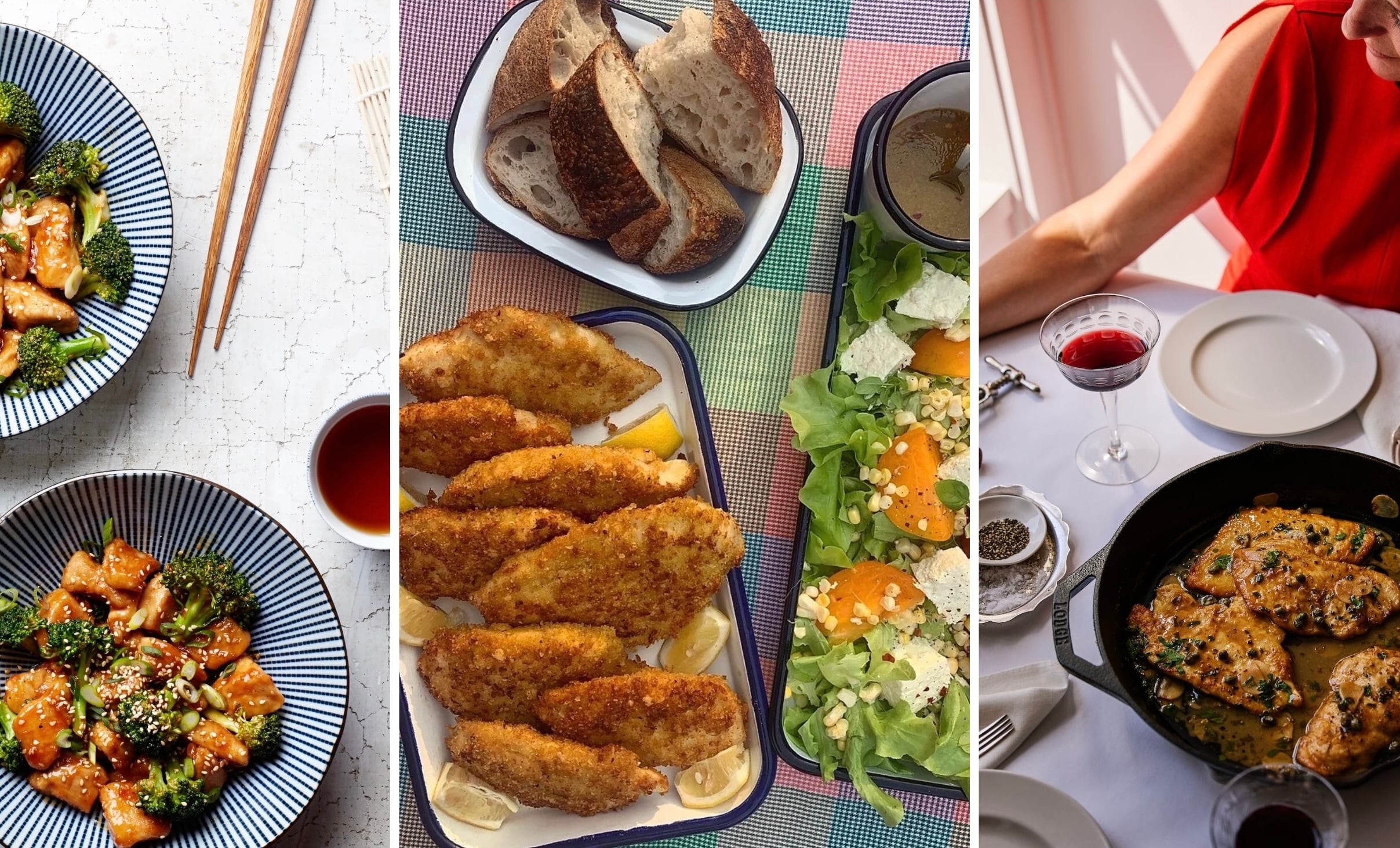
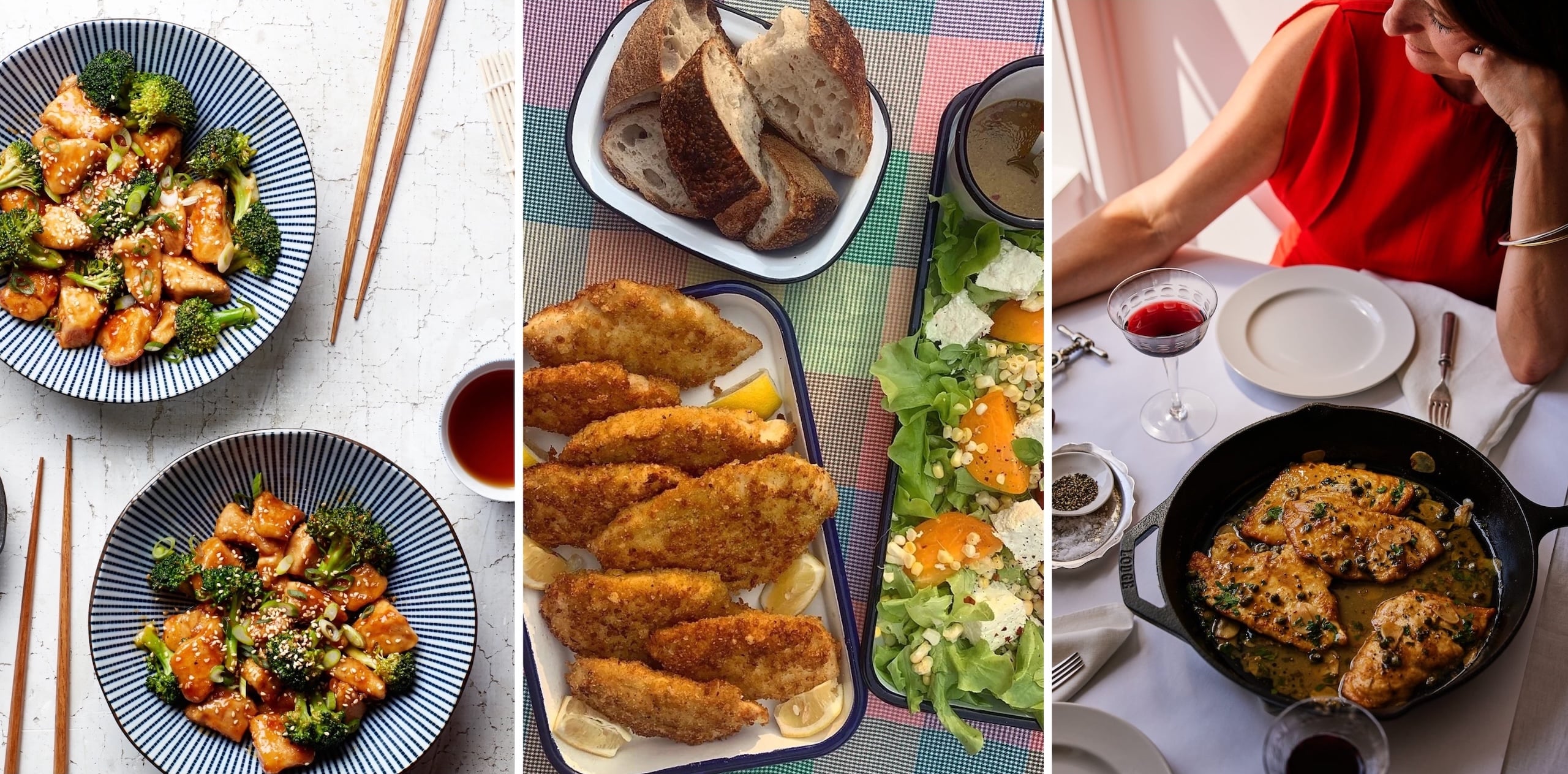
The timeline of this culinary resurgence began in the early summer months, a period when home cooks typically transition from heavy braises to faster, lighter cooking methods. The inclusion of three distinct authors provides a cross-section of modern American cooking: the classic European influence of Williams, the efficiency-driven Asian-American fusion of Chaey, and the heritage-focused, comfort-food approach of Pelosi.
Technical Execution: The Italian-Inspired Piccata
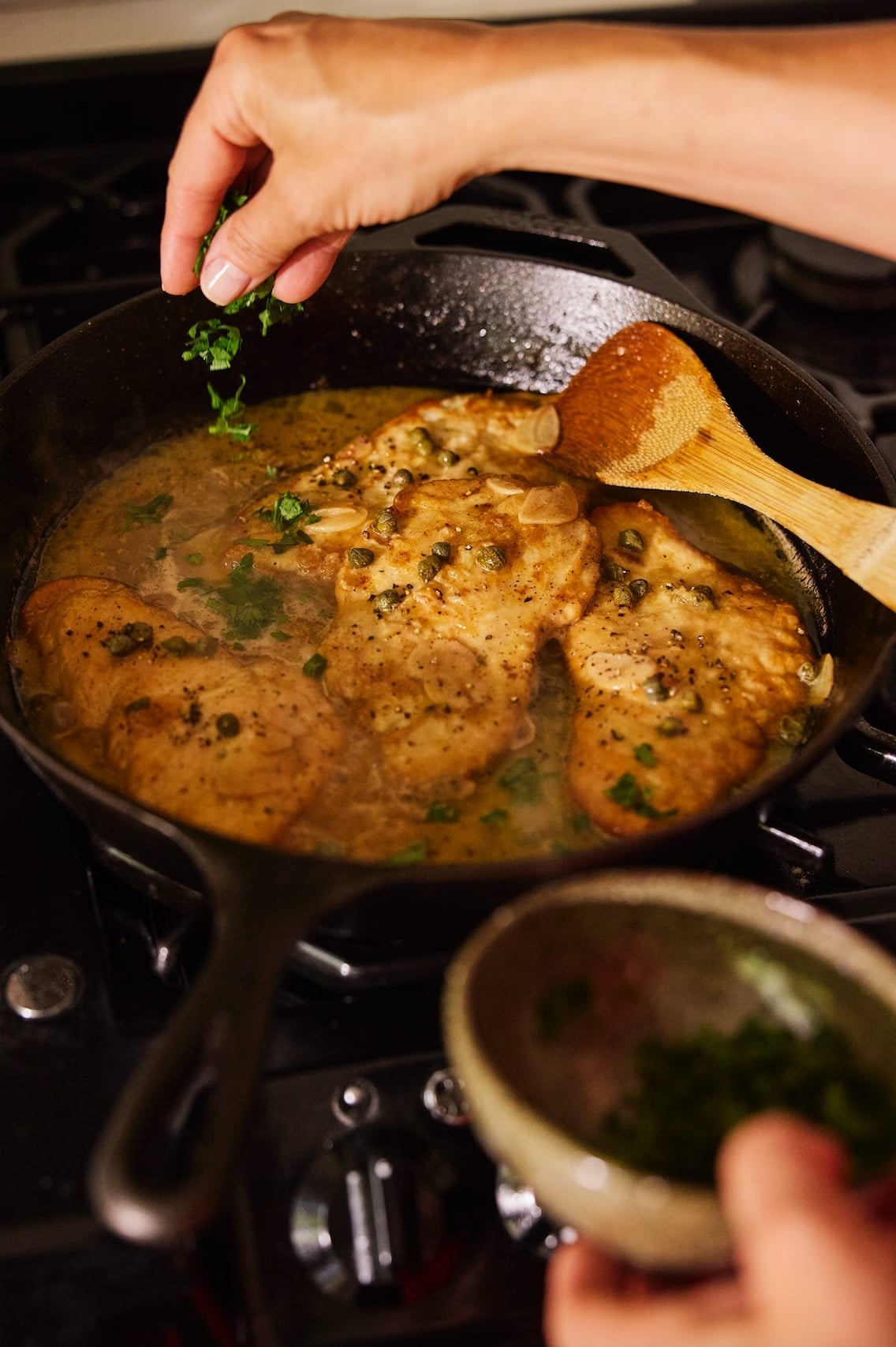
Odette Williams, an acclaimed cookbook author and writer of the "Devour" newsletter, advocates for the Chicken Piccata as a foundational recipe. The Piccata method is a classic Italian technique (traditionally involving veal) that relies on the "scalopine" approach—pounding the meat thin to ensure rapid, even cooking.
The Williams Methodology
The technical success of Williams’ recipe lies in the emulsification of the pan sauce. By using cold butter and acidic components like lemon juice and white wine, the cook creates a "glossy" finish that coats the protein, providing the fat that the breast naturally lacks.
Technical Specifications:
- Protein: 1.5 lbs skinless chicken breasts, pounded to 1/4 or 1/8-inch thickness.
- The Dredge: All-purpose flour seasoned with Kosher salt and black pepper.
- The Sauté: High-heat searing in extra-virgin olive oil and butter until golden.
- The Deglaze: A combination of white wine and chicken stock, reduced by half to concentrate flavors.
- The Finish: A "shimmy" of the pan to incorporate cold butter, capers, and fresh parsley.
Williams notes that the restaurant-quality result is achieved through the speed of the process, preventing the thin cutlets from losing their internal moisture while the exterior achieves a Maillard reaction.
Efficiency and Texture: The Sesame Chicken Framework
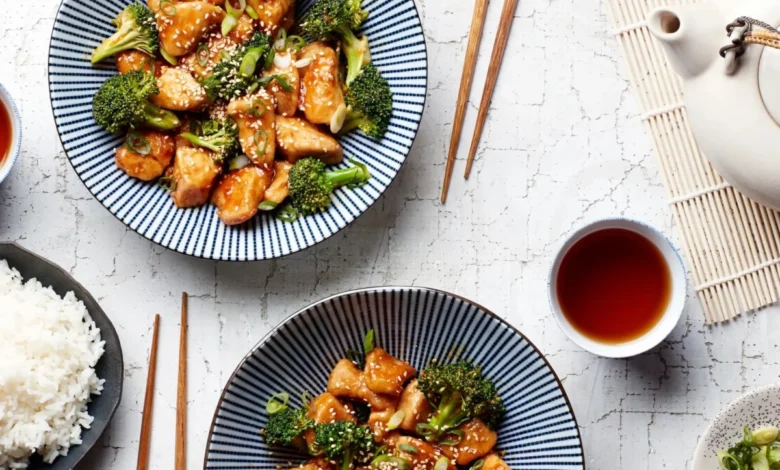
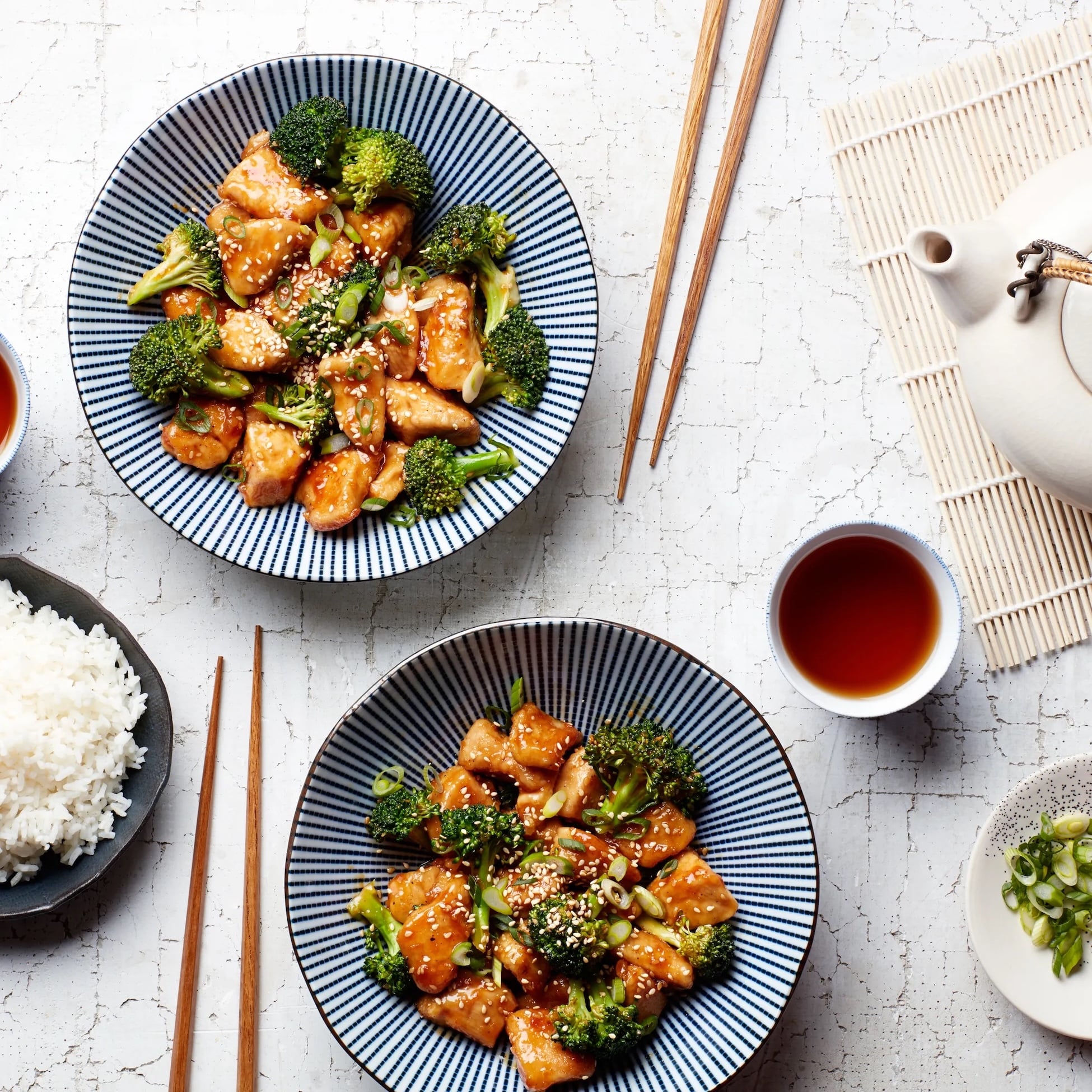
Christina Chaey, a former editor at Bon Appétit and author of the "Gentle Foods" newsletter, highlights a recipe developed by Rhoda Boone that focuses on the interplay between texture and convenience. This approach addresses the common consumer desire for "better-than-takeout" options that can be executed on a weeknight.
The Boone-Chaey Protocol
The defining characteristic of this recipe is the use of cornstarch rather than wheat flour. Cornstarch creates a crispier, more resilient "crust" that can withstand being tossed in a liquid sauce without becoming immediately soggy. Furthermore, the integration of a vegetable component (broccoli) through residual steaming demonstrates a focus on "one-pot" efficiency.
Technical Specifications:
- The Base: Quick-cooking white rice and 8 cups of broccoli florets.
- The Coating: A mixture of cornstarch, salt, and pepper.
- The Sauce: A complex emulsion of honey, soy sauce, rice wine vinegar, Sriracha, garlic, ginger, and sesame oil.
- The Execution: Frying 1-inch chunks in vegetable oil at high heat to create a light brown crust, followed by a two-minute reduction of the sauce in the same pan.
This method is particularly effective for meal-prepping, as the cornstarch-coated chicken maintains its structural integrity longer than traditional breading.
Cultural Heritage and the Art of the Cutlet
Dan Pelosi, known in the culinary world as "Grossy Pelosi" and author of the best-selling Let’s Eat, brings a cultural perspective to the chicken breast through the lens of "cutlet culture." Pelosi argues that the chicken cutlet is a versatile "staple" that serves as a foundation for various meals, from sandwiches to salads.
The Pelosi Technique
Pelosi’s method departs from the light dredging of the Piccata and the cornstarch of the Sesame Chicken, opting instead for a full "standard breading procedure." The inclusion of parmesan cheese and lemon zest in the panko breadcrumbs adds layers of umami and acidity directly into the crust.
Technical Specifications:
- The Protein: 3 lbs of thin-cut chicken breasts.
- The Egg Wash: Enhanced with spicy brown mustard for depth of flavor.
- The Crust: Plain panko, grated parmesan, and lemon zest.
- The Fry: Shallow frying in 1/4 inch of oil over medium heat, ensuring a 4-5 minute cook time per side.
Pelosi emphasizes the importance of the "resting" phase on paper towels to ensure the crust remains crisp rather than oily. His approach highlights a trend in home cooking where "perfection" is secondary to "depth of flavor," encouraging cooks to embrace the messier aspects of breading for a superior sensory result.
Broader Implications for Home Cooking and Digital Media
The collaboration between these three authors illustrates a significant shift in how culinary knowledge is disseminated. Traditional cookbooks are increasingly supplemented by Substack newsletters and social media platforms, allowing for a more iterative and communal cooking experience.
Analysis of the "One Ingredient, Three Ways" Model
This editorial strategy reflects a growing demand for "flexible" cooking. By providing three distinct cultural and technical frameworks for the same protein, authors empower home cooks to choose a method based on their available time, equipment, and flavor preferences.
- Piccata: Best for formal dining or quick, elegant meals.
- Sesame Chicken: Best for family-style, high-efficiency nutrition.
- Cutlets: Best for batch cooking and versatility across multiple meals.
Conclusion and Future Outlook
The revitalization of the chicken breast as a culinary highlight serves as a case study in how technique can overcome the inherent limitations of an ingredient. By utilizing physical tenderization, acidity-driven sauces, and textured breading, Williams, Chaey, and Pelosi have provided a roadmap for home cooks to maximize the potential of a high-protein staple.
As grocery prices fluctuate and the demand for lean proteins continues to rise, the ability to transform basic poultry into a "sumptuous" meal is a critical skill for the modern consumer. The industry anticipates a continued focus on these types of "all-star" recipes that bridge the gap between professional technique and domestic practicality. For the home cook, the message is clear: the chicken breast is only as boring as the technique used to prepare it. With the right framework, it remains one of the most reliable and delicious tools in the culinary arsenal.