Defense Secretary Pete Hegseth Clashes with Democrats Over Protracted Iran War and Record-Breaking Defense Budget Request

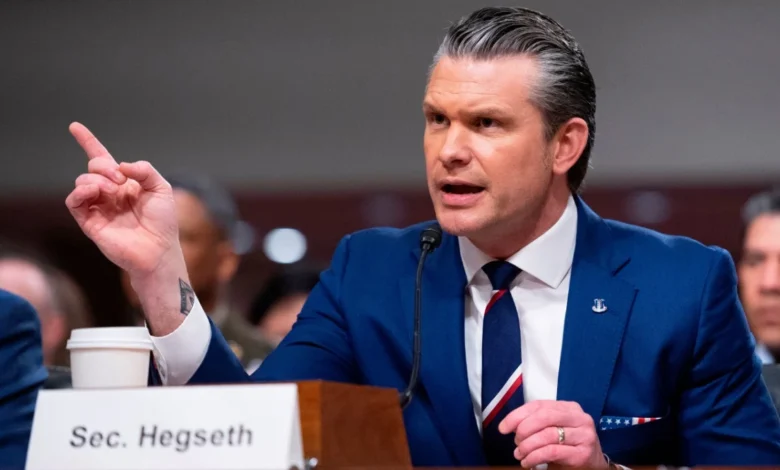
Defense Secretary Pete Hegseth engaged in a heated exchange with Democratic senators on Tuesday, April 30, 2026, forcefully rebutting accusations of a profound failure of U.S. leadership in the ongoing conflict with Iran and other critical areas of national defense. The contentious hearing on Capitol Hill underscored the deep partisan chasm over foreign policy, military strategy, and the fiscal allocation for the nation’s armed forces, particularly as the administration seeks an unprecedented defense budget for the upcoming fiscal year.
The confrontation unfolded during a pivotal session before the Senate Armed Services Committee, where Secretary Hegseth appeared to defend the administration’s military posture and budgetary requirements. The core of the Democratic challenge centered on the protracted nature of the conflict with Iran, which began with joint U.S.-Israeli strikes on February 28, 2026, targeting Ayatollah Ali Khamenei. Despite initial promises from the administration to conclude the hostilities within 60 days and multiple attempts at brokering a peace deal, the United States remains entangled in a persistent struggle with Tehran, primarily over control of the strategically vital Strait of Hormuz.
The Protracted Conflict in the Persian Gulf
The war with Iran, now entering its third month, has evolved into a significant point of contention. What was initially presented as a swift, decisive operation aimed at neutralizing key Iranian leadership and securing regional stability has instead become a grinding engagement with substantial geopolitical and economic ramifications. The U.S. and its allies launched the coordinated strikes on February 28, a move that dramatically escalated tensions in the Middle East following a period of heightened aggression and proxy conflicts. The stated objective was to dismantle Iran’s capacity to project power and disrupt international shipping, particularly through the Strait of Hormuz.
The Strait of Hormuz, a narrow waterway connecting the Persian Gulf with the Arabian Sea, is arguably the world’s most critical oil transit chokepoint. Approximately one-fifth of the world’s total petroleum liquids consumption, and a significant portion of its liquefied natural gas, passes through this strait daily. Its control is therefore paramount for global energy security and international trade. Iran’s historical threats to close the strait, coupled with its strategic position, have long made it a flashpoint for international tensions. The current conflict has seen renewed attempts by both sides to assert dominance, leading to disruptions in shipping lanes and contributing to global energy market volatility.
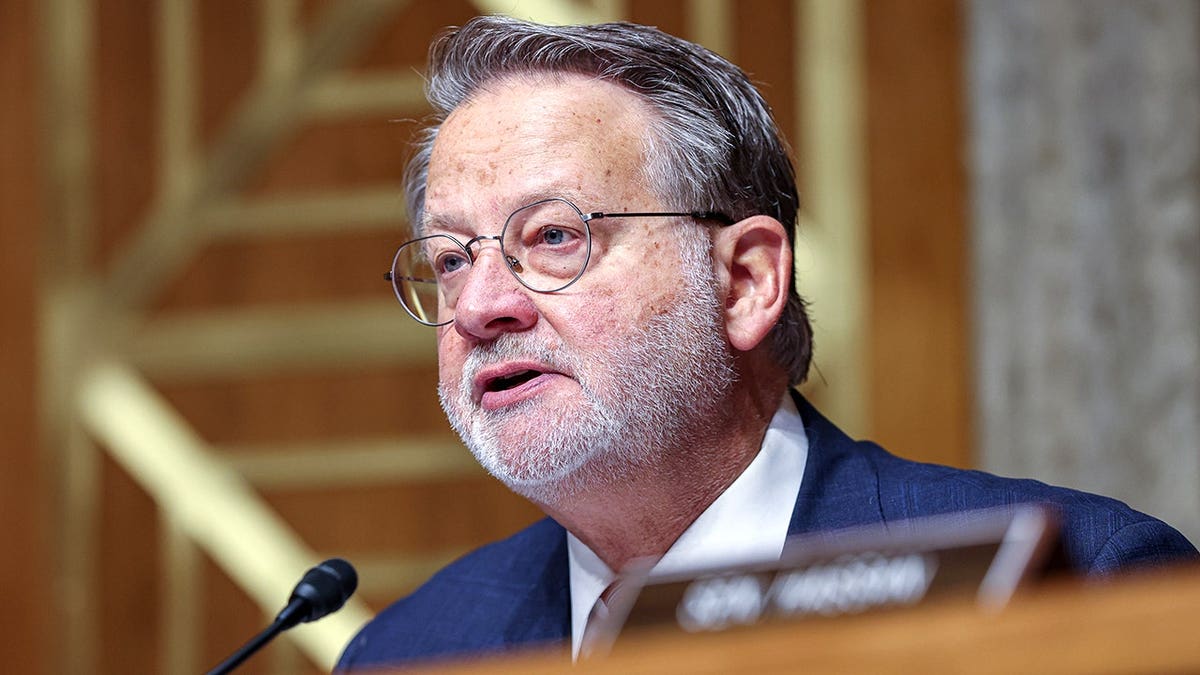
Sen. Garry Peters (D-Mich.), a prominent voice within the Democratic caucus and ranking member of the Senate Homeland Security and Governmental Affairs Committee, led the charge against Hegseth. Peters expressed profound skepticism regarding the administration’s strategic vision, pressing the Defense Secretary repeatedly on whether a concrete plan existed to bring the costly and protracted war to a definitive close. "You — you don’t have a strategy, you don’t have a long-term plan to actually win this war. Win the war! The men and women are going to be able to do it, but they need leadership. When will you show leadership?" Peters demanded, his voice echoing the frustration felt by many in his party. He further accused Hegseth and the administration of leaving the nation in a more precarious position than before the conflict began.
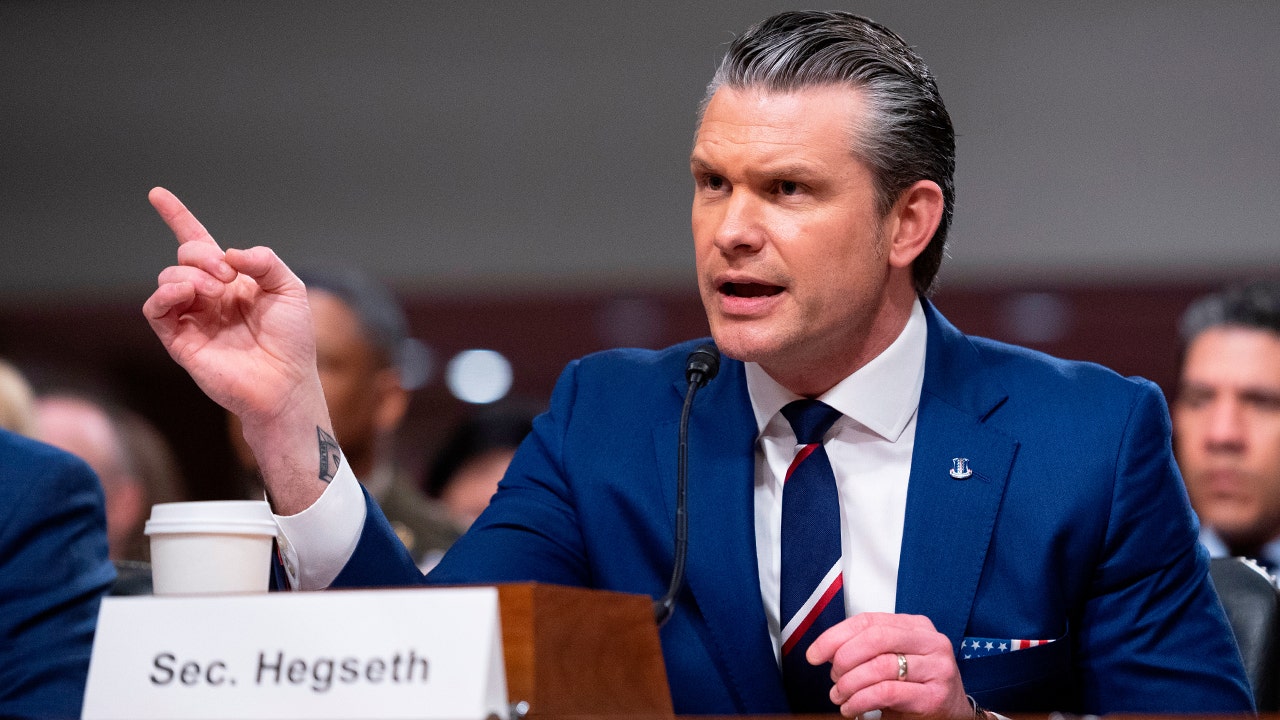
The financial burden of the war has also become a major point of contention. Initial estimates provided to Congress significantly understated the true cost. Reports now indicate that the Iran war’s price tag has soared to $80 billion, more than double the original projections. This fiscal strain, coupled with the absence of a clear exit strategy, has fueled Democratic demands for greater accountability and a re-evaluation of the administration’s approach.
Hegseth’s Vigorous Defense and Counter-Accusations
Secretary Hegseth, known for his unyielding demeanor, was undeterred by the Democratic onslaught. He fired back with equal ferocity, redirecting the accusations and pointing to what he characterized as partisan obstructionism from Democrats. Hegseth contended that Democratic "hesitations" regarding the administration’s border enforcement policies had extended detrimentally to critical defense funding, directly impacting servicemembers and the Department of Defense’s operational capabilities.
"When will you show leadership and stand up to your fellow Democrats who won’t fund the troop, who play partisan politics while you don’t give us the money? You want to stand up here and talk about the troops?" Hegseth retorted, challenging Peters directly. He went further, accusing Democrats of being afflicted by "Trump derangement syndrome," asserting that their political opposition to the previous administration continued to impede their willingness to support essential defense initiatives. "You won’t show any political courage to actually fund our department because you have Trump derangement syndrome and you won’t commit to anything meaningful. So, I put this on you, senator," Hegseth declared, shifting the blame squarely onto his critics.
The Secretary’s defense highlighted a recurring challenge for Democrats: how to critically examine the administration’s military strategies and defense policies without appearing to undermine the U.S. armed forces or military personnel. This delicate political tightrope often forces Democrats into nuanced positions, expressing reservations about presidential decisions while simultaneously affirming their support for the troops.
Broader Critique: Neglect and Stale Thinking in Previous Administrations
Hegseth’s criticisms were not confined to the current congressional opposition. He extended his argument to encompass what he perceived as a broader, systemic neglect of military readiness and technological advancement under previous Democratic administrations. Specifically, he took aim at the Biden administration, accusing it of ignoring crucial advancements in military technology.
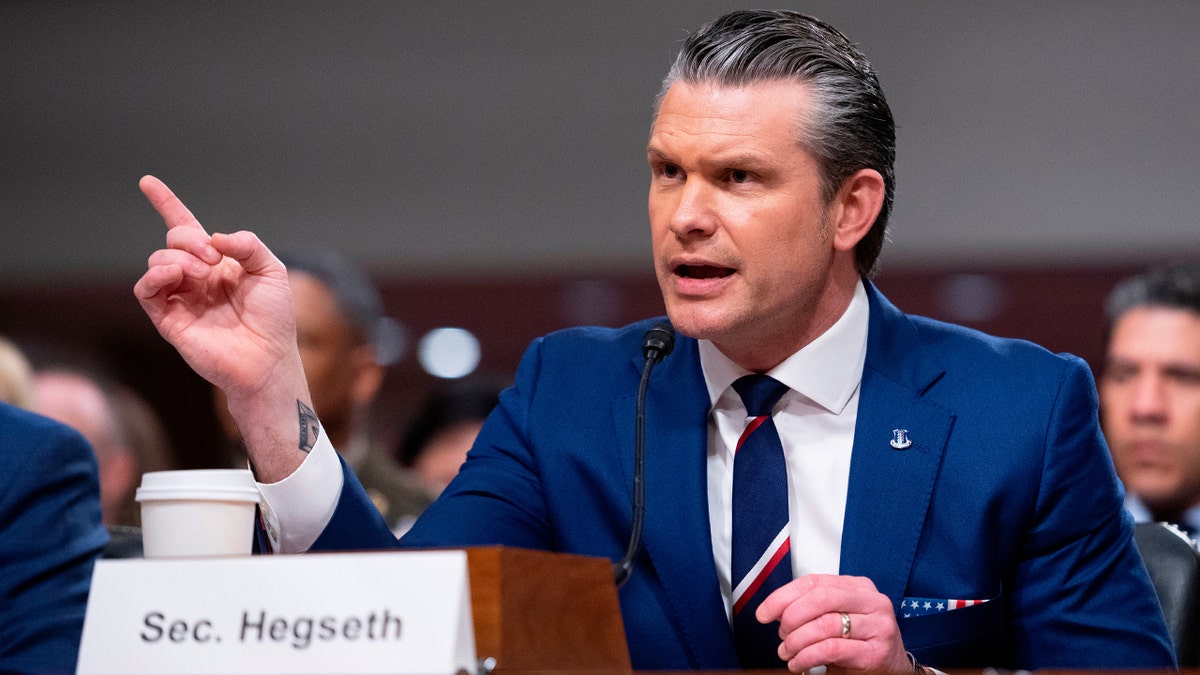
"I mean the Biden administration ignored hypersonics," Hegseth stated, referring to missiles capable of traveling at speeds greater than Mach 5. This technology, exemplified by China’s breakthrough in 2019, represents a significant leap in military capabilities, offering unparalleled speed and maneuverability that can bypass conventional missile defense systems. "They just decided to pretend like that technology didn’t exist and we shouldn’t invest in it. There are things — I don’t know what Lloyd Austin did for four years. I really don’t. The amount of neglect, the amount of stale thinking and bureaucracy; it was staggering when we took over," Hegseth asserted, referencing Lloyd Austin, who served as Secretary of Defense under President Joe Biden.
This critique underscored a core tenet of the current administration’s defense philosophy: a belief that previous administrations had allowed American military superiority to erode through bureaucratic inertia and a failure to adapt to emerging threats. The emphasis on hypersonics is particularly salient in the context of a new era of great power competition, where advanced weapon systems are seen as crucial for maintaining a technological edge over rivals like China and Russia. Hegseth’s remarks aimed to frame the current defense budget request not merely as an increase in spending but as a necessary course correction to address years of perceived underinvestment and strategic missteps.
The Looming 2027 Defense Budget Battle
The intense exchange on Capitol Hill serves as a precursor to a looming and potentially bruising legislative battle over the Department of Defense’s spending needs for fiscal year 2027. The administration has submitted a request for a record-breaking $1.5 trillion budget, a staggering increase from the approximately $900 billion Congress allocated for 2026. This proposed 66% surge in defense spending, if approved, would represent one of the largest single-year increases in military appropriations in recent history, outside of periods of major declared wars.
The justification for such an immense increase, according to the administration, is multi-faceted: it includes the ongoing costs of the Iran conflict, the need to replenish stockpiles depleted by various global commitments, significant investments in advanced technologies like hypersonics and artificial intelligence, and a comprehensive modernization effort across all branches of the armed forces. Proponents argue that this level of investment is essential to counter rising geopolitical threats, maintain global leadership, and ensure the readiness of the U.S. military in an increasingly complex and dangerous world.
However, the Democratic caucus, and even some fiscal conservatives, are likely to scrutinize this request intensely. Given the $80 billion price tag of the Iran war, which has already exceeded initial estimates, there will be demands for greater transparency and accountability regarding how such a massive budget would be utilized. Concerns about potential waste, the efficacy of current military strategies, and the impact on domestic spending priorities are expected to dominate the debate.
The "60-day congressional deadline" mentioned in related headlines likely pertains to a legislative window for Congress to review, authorize, or adjust the parameters of the Iran conflict or its associated funding, rather than a hard end-date for the war itself. Such deadlines are common mechanisms for congressional oversight, particularly when military engagements extend beyond initial projections. The approaching deadline adds another layer of urgency and political pressure to the budget deliberations.
Implications for U.S. National Security and Global Standing
The ongoing political friction between the administration and congressional Democrats over defense policy carries significant implications for U.S. national security and its standing on the global stage. A prolonged impasse over the defense budget could lead to continuing resolutions or temporary funding measures, which often hinder long-term strategic planning and procurement, potentially impacting military readiness and technological development.
Furthermore, the public nature of these disagreements, particularly regarding the leadership and strategy in the Iran war, can project an image of internal disunity to allies and adversaries alike. Allies may question the consistency of U.S. foreign policy and its capacity to sustain commitments, while adversaries could interpret the divisions as an opportunity to test American resolve.
The strategic importance of the Strait of Hormuz cannot be overstated. Should the conflict escalate further or lead to a prolonged disruption of oil flows, the global economy could face severe consequences, including soaring energy prices, supply chain disruptions, and potential recessions. The U.S. commitment to safeguarding this vital waterway is therefore a global concern, extending far beyond the immediate region.
The heated exchange between Secretary Hegseth and Democratic senators encapsulates the deep ideological and strategic divides that continue to shape American foreign policy and defense spending in the mid-2020s. As the nation grapples with a protracted military engagement in the Middle East and faces a highly contested defense budget request, the outcome of these debates will undoubtedly have profound and lasting consequences for the United States and the international order. The path forward remains fraught with political challenges, demanding both strategic clarity from the executive branch and bipartisan cooperation from a deeply divided Congress.
Related posts: