Amy Poehler’s Podcast Success and the Intersection of Celebrity Influence on Modern Consumer Lifestyle Trends

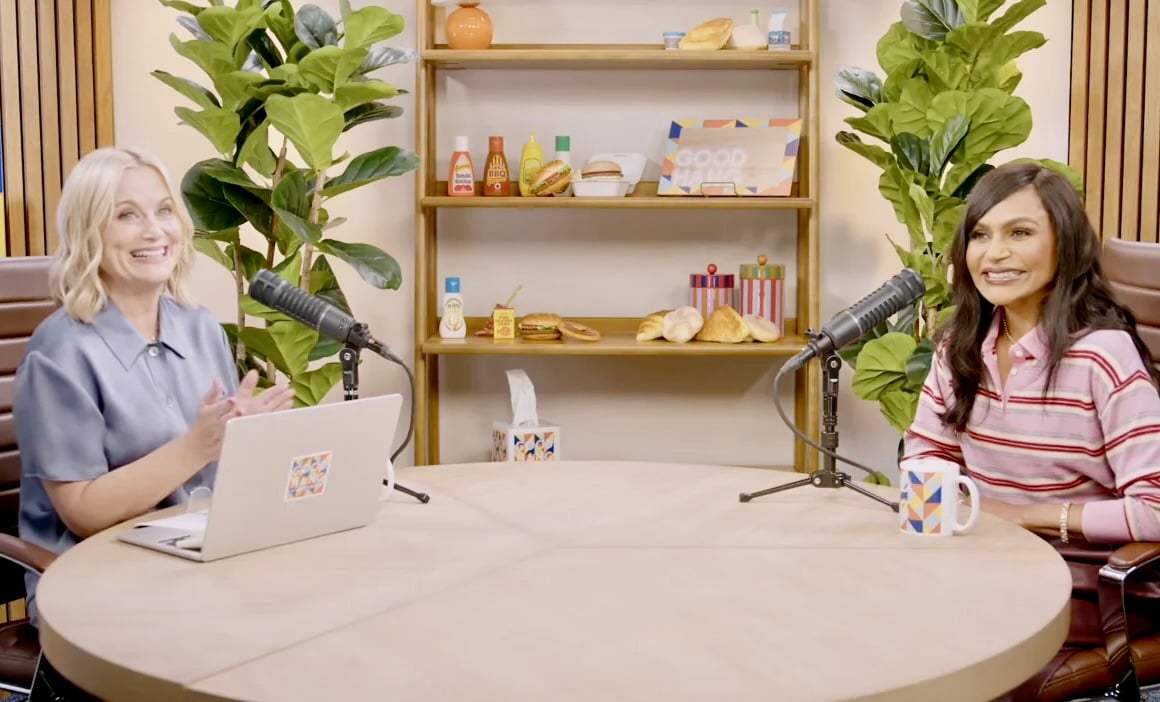
The landscape of digital media and celebrity-driven content has undergone a significant transformation, marked by the rise of intimate, long-form conversational platforms that bridge the gap between high-profile figures and their audiences. Central to this evolution is the recent success of Amy Poehler’s podcast, "Good Hang," which has emerged as a focal point for industry insights and consumer lifestyle recommendations. By leveraging her extensive network and reputation within the entertainment industry, Poehler has created a space where high-level creative discourse intersects with everyday consumer habits, ranging from cinematic history and performance art to innovations in beauty, pet ownership, and sustainable retail. This synergy reflects a broader shift in how modern audiences consume both information and products, moving away from traditional advertising toward curated, narrative-driven endorsements that prioritize authenticity and relatability.
The Rise of the Celebrity Podcast and the Success of Good Hang
The podcasting industry has experienced exponential growth over the last decade, with market analysts projecting the global podcast market to reach a valuation of over $130 billion by 2030. Within this booming sector, celebrity-hosted programs like "Good Hang" occupy a unique niche. Unlike traditional talk shows that are often constrained by rigid television formats and time slots, podcasts allow for deep-dive conversations that reveal behind-the-scenes realities of the entertainment world.
Amy Poehler’s entry into this medium follows a successful trend established by other industry veterans. "Good Hang" has distinguished itself through its high-caliber guest list, featuring figures such as Mindy Kaling and Matt Damon. These interviews often transcend promotional cycles, offering substantive reflections on the craft of acting and the complexities of long-term professional relationships. The podcast’s dual presence on platforms like YouTube highlights the increasing importance of multi-modal content, where video components complement audio to maximize engagement across diverse demographic groups.
Cinematic Legacy: Analyzing the Damon-Hoffman Dynamic in The Talented Mr. Ripley
One of the most notable revelations from the podcast involved Academy Award-winning actor Matt Damon, who provided a retrospective analysis of his experience filming the 1999 psychological thriller The Talented Mr. Ripley. Damon highlighted a specific "chilling scene" involving the late Philip Seymour Hoffman, an actor widely regarded as one of the greatest of his generation. Damon’s description of Hoffman’s intensity—likening his presence to a "superhero coming out of him"—underscores the psychological demands of high-stakes dramatic performance.
The Talented Mr. Ripley, directed by Anthony Minghella, remains a cornerstone of late-90s cinema, praised for its exploration of identity, class, and obsession. The anecdote shared by Damon provides critical context for film historians and enthusiasts regarding the "Method" or immersive acting styles employed by Hoffman. Despite a positive personal rapport off-camera, the professional tension required for their respective roles as Tom Ripley and Freddie Miles created an environment of genuine discomfort. This insight serves as a reminder of the often-invisible emotional labor involved in creating enduring cinematic moments and highlights the enduring legacy of Hoffman, whose career was cut short in 2014.
Innovation in the Beauty Sector: The Shift Toward Fast-Drying and Non-Toxic Formulas
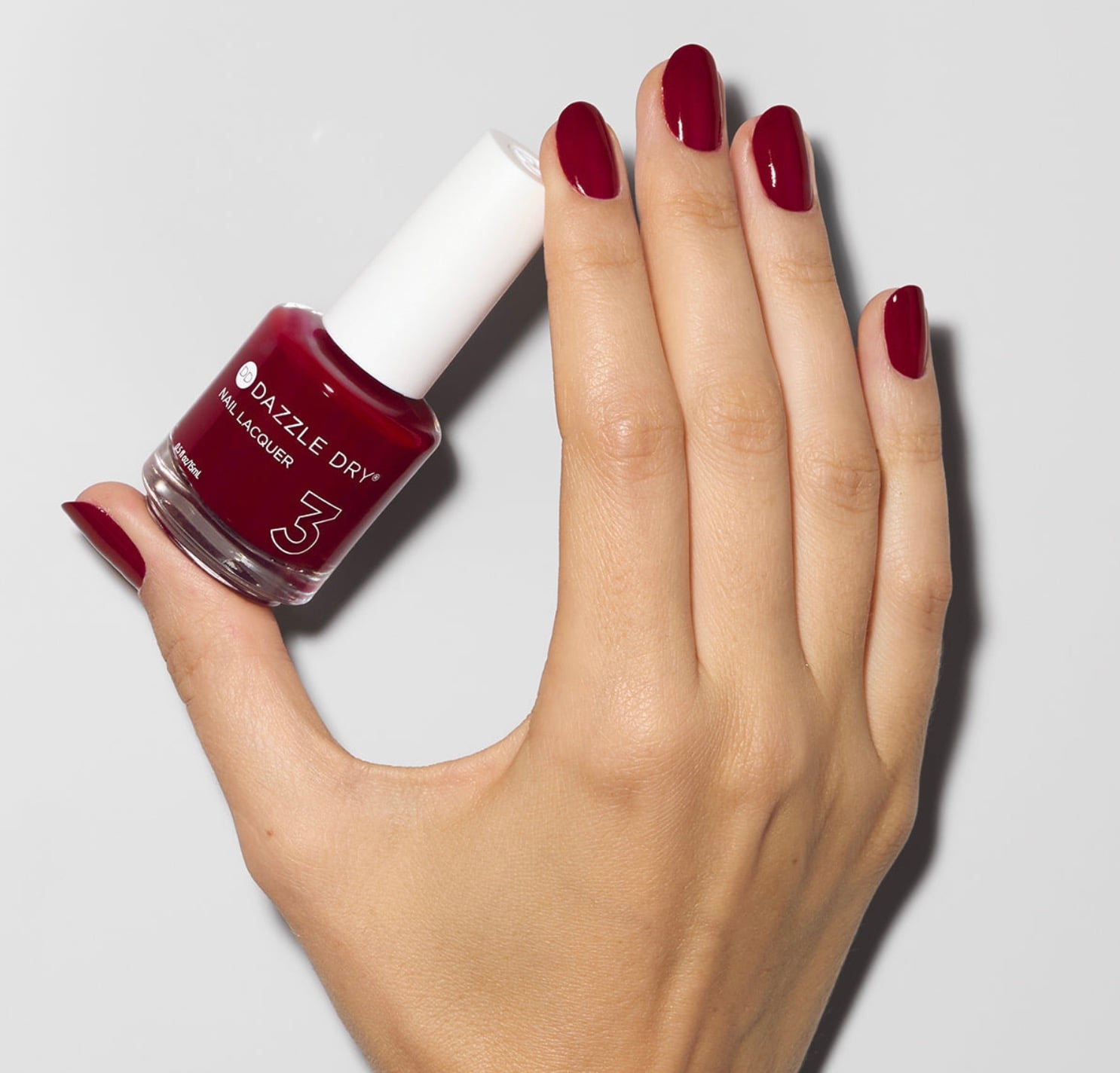
Beyond the realm of entertainment, the influence of digital curators extends into the multi-billion dollar beauty and personal care industry. A significant trend highlighted in recent consumer discourse is the demand for efficiency and health-conscious formulations in nail care. The brand Dazzle Dry has become a primary example of this shift, gaining traction for its proprietary four-step system that promises "salon-quality" results with a five-minute dry time without the use of UV lamps or harsh chemicals.
Market data indicates that the "clean beauty" movement is no longer a niche segment but a dominant force in the industry, with the global non-toxic nail polish market growing at a compound annual growth rate (CAGR) of approximately 5.4%. Consumers are increasingly seeking products that align with a "fast-track" lifestyle—exemplified by shades such as "Fast Track Cherry"—while avoiding the "Big 10" harmful chemicals often found in traditional polishes. This trend reflects a broader consumer prioritization of time-management and long-term wellness, as individuals seek professional results within the constraints of a domestic setting or a brief salon visit.
The Sociology of Pet Ownership: The "Empty-Nester" Dog Phenomenon
The intersection of lifestyle and companionship is further evidenced by changing patterns in pet ownership, specifically the rise of the "empty-nester dog." As families transition through different life stages, particularly when children leave the home, there is a documented increase in the adoption of companion animals to fill the emotional and social void. This phenomenon is exemplified by Rony Vardi, founder of Catbird, whose recent adoption of a dog named "Miss California 2025" highlights the "humanization of pets" trend.
The American Pet Products Association (APPA) reports that pet spending in the United States exceeded $140 billion in 2023. The naming conventions for modern pets—often humorous, anthropomorphic, or topical—reflect the evolving status of animals from "property" to "family members." This emotional investment drives significant economic activity in the pet tech, premium food, and specialized veterinary services sectors. Furthermore, the "empty-nester" demographic represents a high-value segment for the pet industry, as these individuals often have more disposable income and time to dedicate to high-level pet care.
Developmental Milestones and the Biological Reality of Adolescence
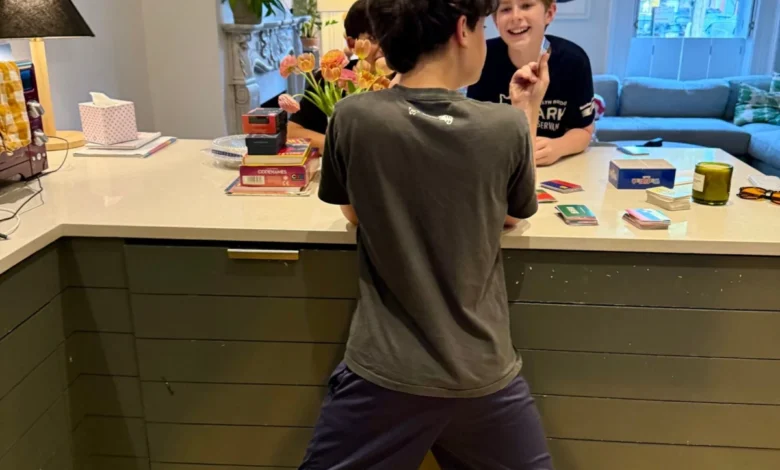
A human-interest element often overlooked in high-level media discourse is the biological reality of human growth, particularly the rapid transitions of adolescence. Observations regarding "growth spurts"—where individuals may undergo significant physical changes, such as the development of facial hair, over a period of mere months—resonate with a wide audience. These milestones are not merely anecdotal but are rooted in complex hormonal shifts during puberty.
According to pediatric health data, the peak growth velocity for boys typically occurs between the ages of 12 and 16, during which they can grow several inches in a single year. These physical transformations often outpace the social perceptions of their peers and family members, leading to the "startle effect" when seeing a friend or relative after a short hiatus. This aspect of the human experience serves as a grounding counterpoint to the curated world of celebrity, reminding audiences of the universal nature of aging and development.

Sustainable Retail and the "Refresh Cycle" in the Intimate Apparel Market
Finally, the modern consumer landscape is characterized by a strategic approach to "basics" and intimate apparel. The concept of the "underwear refresh cycle"—replacing aging garments with high-quality, sustainable alternatives—has gained popularity as part of the "slow fashion" movement. Brands like Stripe & Stare have capitalized on this by utilizing Tencel Micro Modal, a fiber derived from beechwood trees that is carbon-neutral and biodegradable.
The global intimate apparel market is projected to reach $250 billion by 2027, with a significant portion of that growth driven by the "comfort-first" movement. Post-pandemic consumer behavior has shown a marked preference for breathable, soft fabrics over traditional aesthetic-heavy designs. The use of "multipacks" and a mix of neutral and vibrant colors (such as neon or sand) allows brands to cater to both functional needs and personal expression. This shift underscores a transition in the retail sector where longevity, environmental impact, and physical comfort are the primary drivers of brand loyalty.
Broader Impact and the Role of Digital Curators
The convergence of these diverse topics—entertainment, beauty, sociology, and retail—within a single media narrative illustrates the power of modern digital curation. Figures like Amy Poehler do not merely entertain; they act as conduits for information that shapes consumer behavior and cultural understanding. The "affiliate economy," mentioned in the context of product recommendations, represents a sophisticated business model where trust and transparency are the primary currencies.
As the lines between content and commerce continue to blur, the role of the "informed curator" becomes essential. By providing context to cinematic history, highlighting innovations in sustainable manufacturing, and reflecting on universal human experiences, these platforms offer a roadmap for navigating the complexities of modern life. The implications of this are far-reaching, influencing everything from the types of films that receive critical attention to the materials used in the production of everyday consumer goods. In an era of information saturation, the value of a "good hang"—and the insights derived from it—cannot be overstated.