The Modernization of the Midwestern Pizza Burger Reflects Shifting Trends in Domestic Meal Preparation and Nostalgic Gastronomy

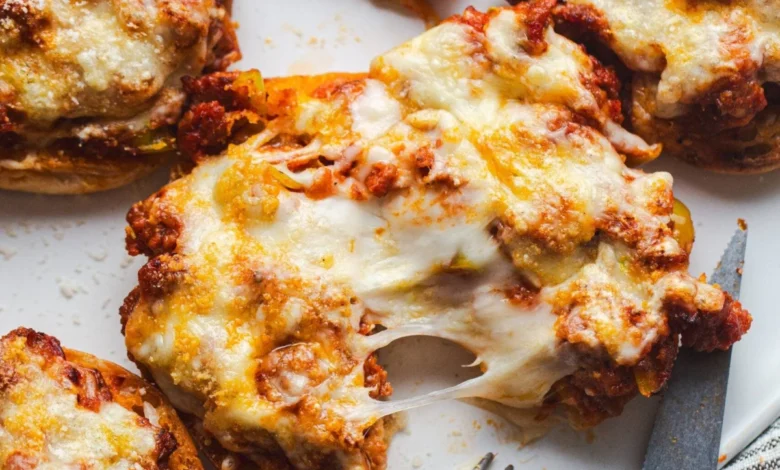
The pizza burger, a culinary staple deeply rooted in the domestic traditions of the American Midwest, is undergoing a significant resurgence as home cooks adapt mid-20th-century recipes for the modern kitchen. Once a ubiquitous feature of 1990s family dinners and school cafeteria menus, this hybrid dish—combining the flavor profile of an Italian pizza with the handheld convenience of a sandwich—has evolved into a versatile tool for contemporary meal prep. This transition is characterized by a shift toward leaner proteins, the integration of advanced kitchen technology such as the air fryer, and a renewed emphasis on "speed-scratch" cooking, where fresh components are combined with prepared staples to maximize efficiency without sacrificing nutritional quality.
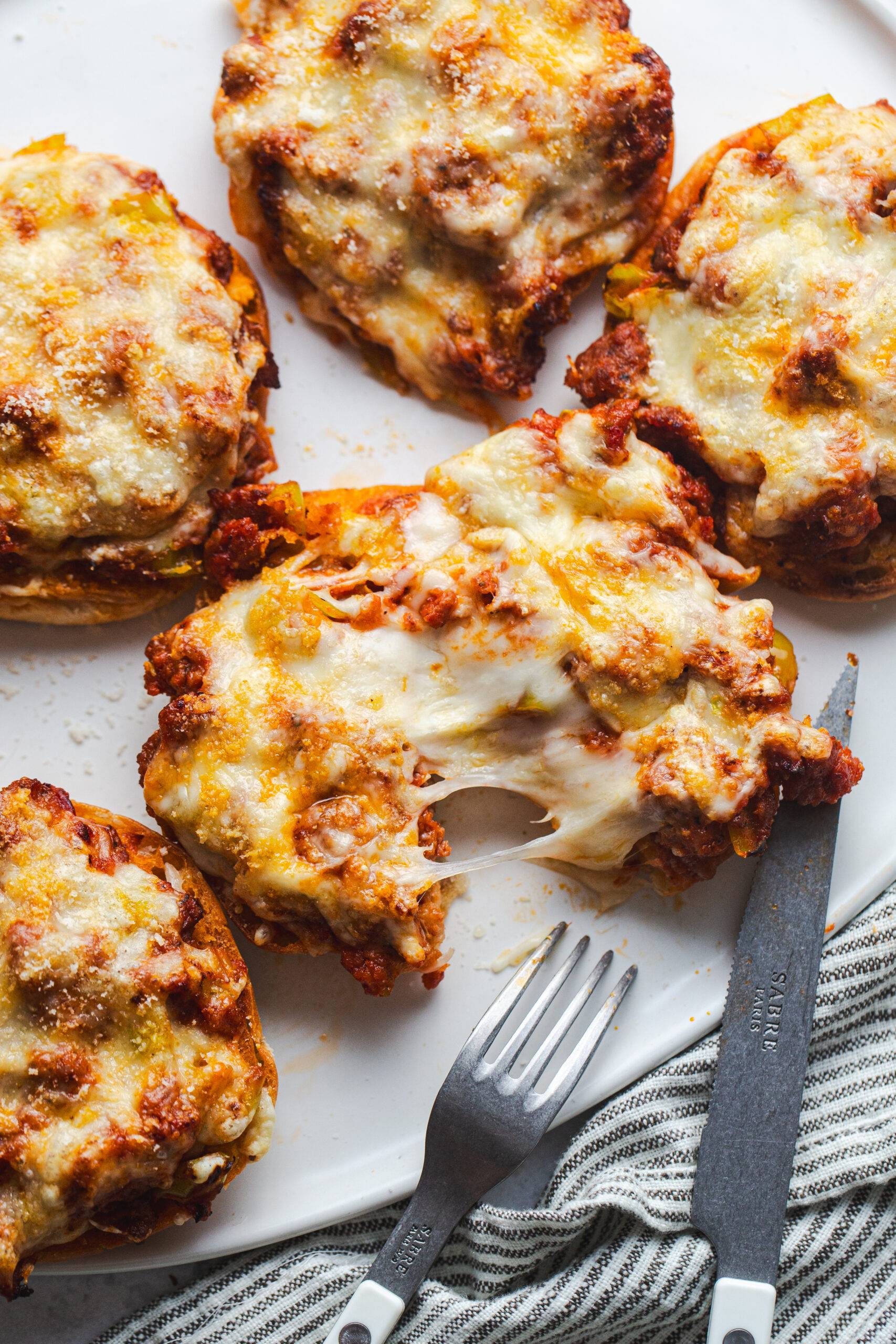
Historical Context and Regional Significance
The origins of the pizza burger can be traced back to the post-World War II era, a period defined by the American fascination with "fusion" foods that simplified international flavors for the domestic palate. In the Midwest, where ground beef was a primary agricultural output, the pizza burger emerged as a practical way to repurpose surplus meat while catering to the rising popularity of Italian-American cuisine. By the 1970s and 1980s, the dish had become a cornerstone of the "freezer stash" culture, where grandmothers and mothers would prepare large batches of meat sauce to be frozen and later served on toasted buns or English muffins.
In the current landscape, the pizza burger represents more than just a convenient meal; it is a manifestation of nostalgic gastronomy. Culinary historians note that during periods of economic or social volatility, consumers frequently return to "comfort foods" from their childhood. The pizza burger, particularly when prepared on a nooks-and-crannies style English muffin, offers a specific sensory experience—a combination of a crisp exterior and a savory, saucy interior—that triggers a sense of familial continuity. This sentiment is echoed by contemporary food influencers and home chefs who are now "collaborating" with generational recipes, blending the traditional foundations laid by previous generations with modern dietary preferences.

Technical Evolution of the Recipe: From Ground Beef to Leaner Alternatives
While the traditional iteration of the pizza burger almost exclusively utilized ground beef, modern nutritional trends have introduced a broader spectrum of protein options. Data from the USDA and market research firms indicate a steady increase in the consumption of ground poultry and seasoned sausages as consumers seek to manage saturated fat intake.
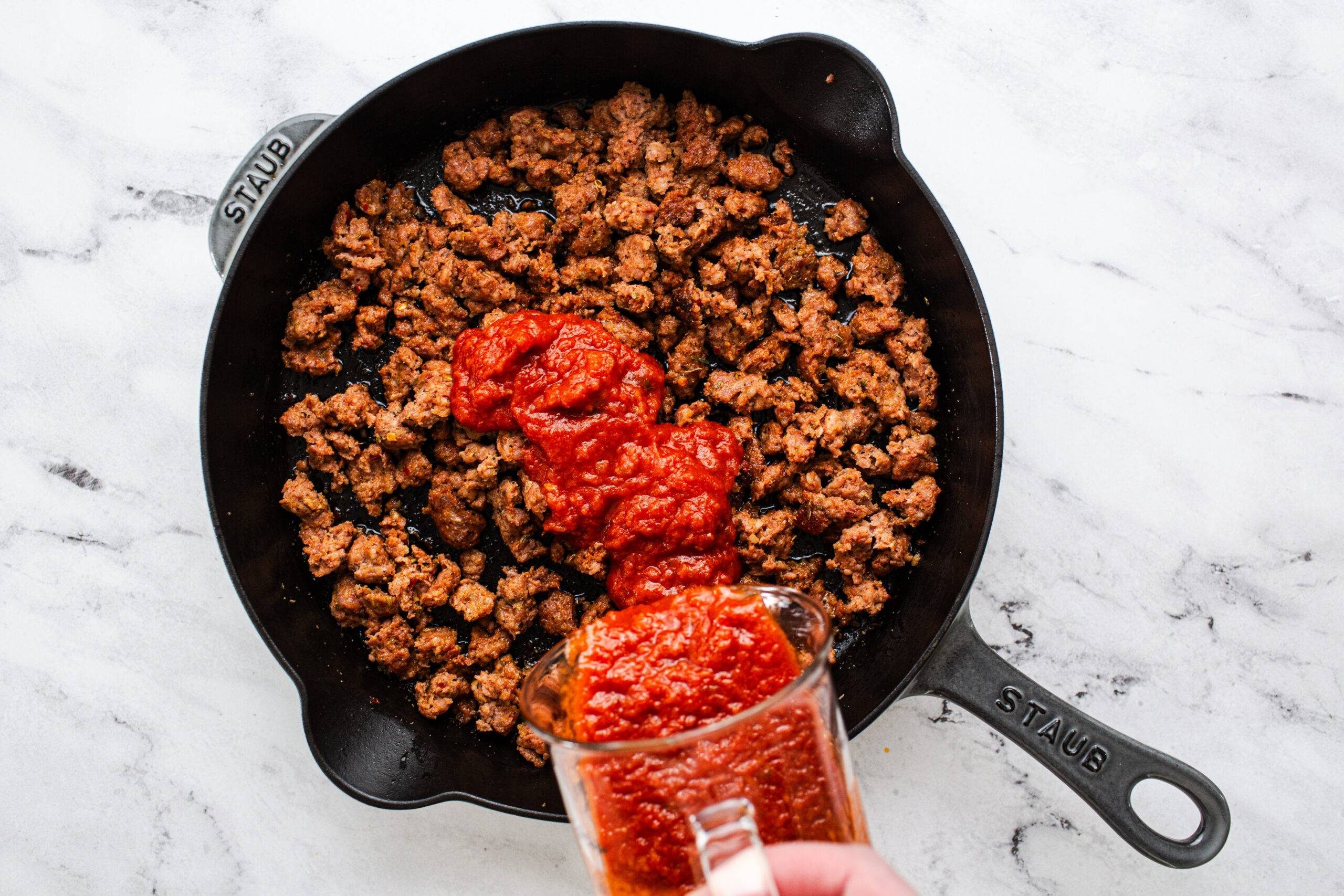
- Protein Diversification: The modern pizza burger often utilizes ground Italian sausage, which provides a pre-seasoned base rich in fennel and garlic, or ground turkey and chicken. When using leaner poultry, chefs emphasize the necessity of aggressive seasoning—incorporating dried oregano, basil, and red pepper flakes—to replicate the robust flavor profile of traditional beef.
- The Structural Base: The choice of an English muffin over a standard hamburger bun is a strategic culinary decision. The porous nature of the English muffin allows for better absorption of garlic butter and meat sauce, while its structural integrity holds up better during the freezing and reheating process.
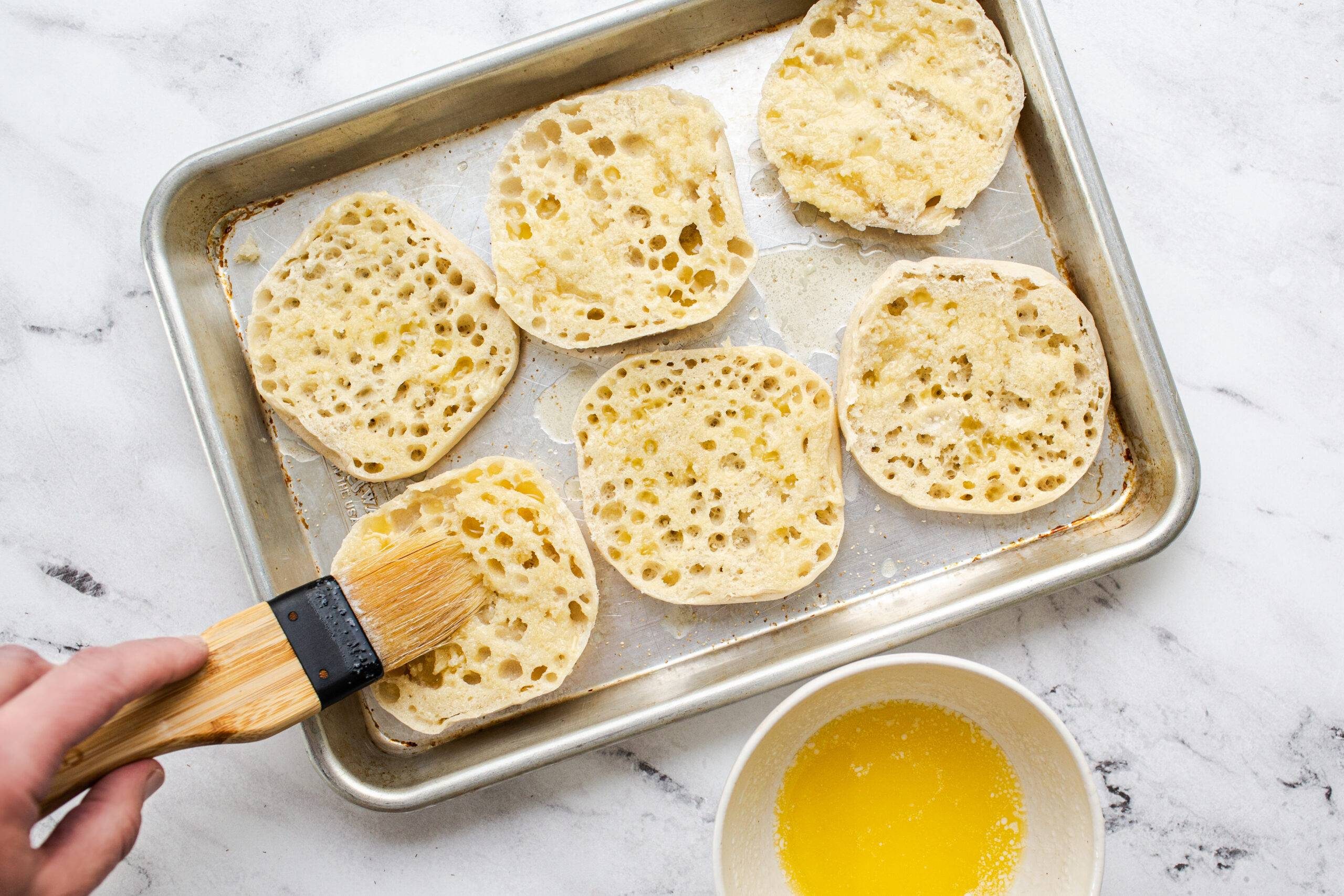
- Flavor Enhancement via Aromatics: A critical modern addition to the classic recipe is the application of garlic butter to the bread base before the addition of the meat mixture. This creates a fat-based moisture barrier that prevents the bread from becoming soggy while simultaneously enhancing the overall umami profile of the dish.
The Role of Air Fryer Technology in Meal Efficiency
The most significant technological shift in the preparation of pizza burgers is the adoption of the air fryer. Since 2017, the air fryer market has seen a compound annual growth rate (CAGR) of approximately 7%, as households prioritize appliances that offer rapid cooking times and "fried" textures with minimal oil.
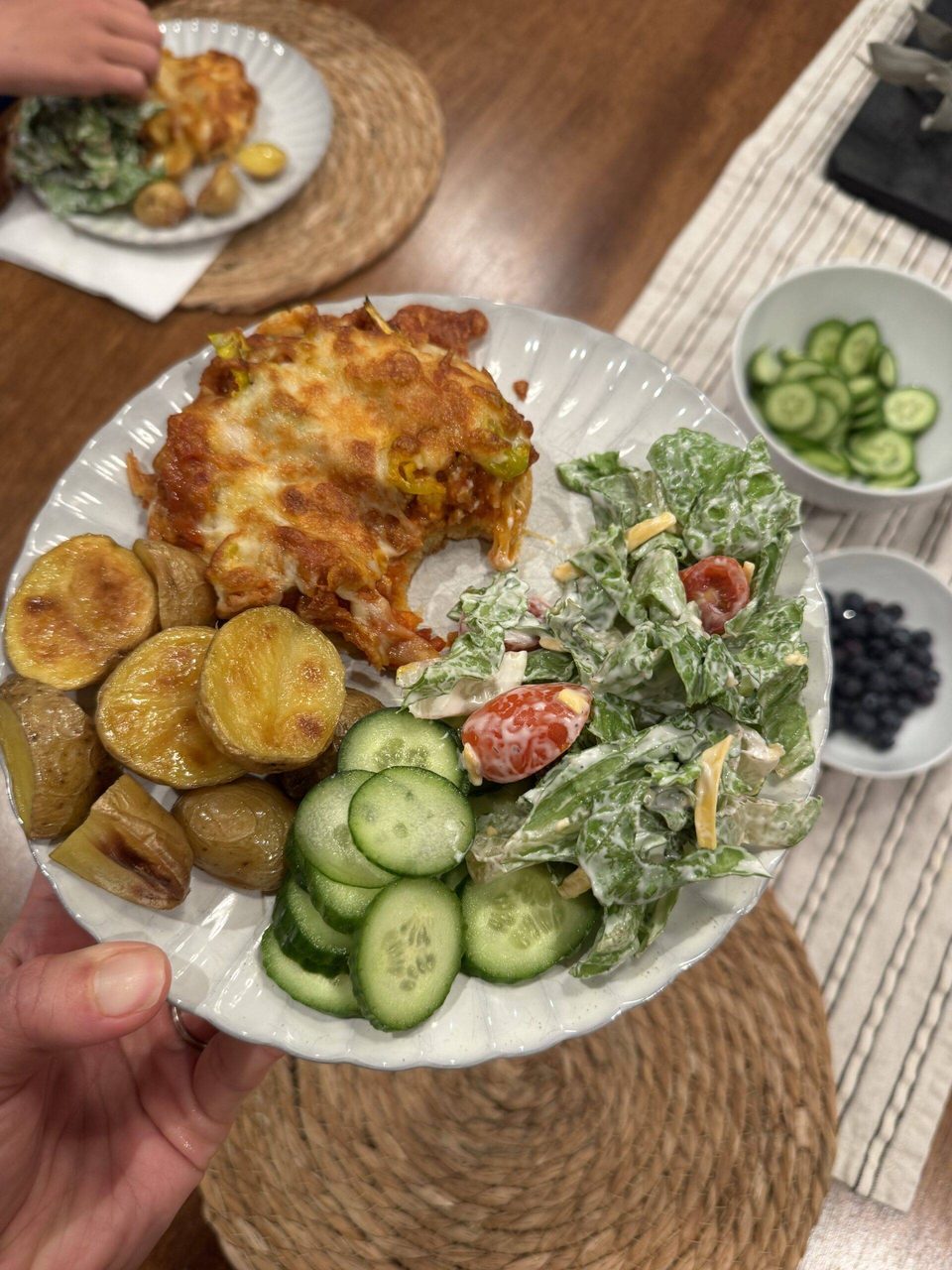
For the pizza burger, the air fryer serves as a bridge between the freezer and the dinner table. Traditional oven-baking methods for frozen pizza burgers can take upwards of 20 to 25 minutes, often resulting in uneven heating or a loss of crispness. In contrast, air frying utilizes high-velocity hot air circulation to achieve a golden-brown finish and thoroughly melted cheese in approximately 8 to 10 minutes, even when starting from a frozen state. This efficiency is particularly relevant during high-stress periods, such as the conclusion of the academic year, when domestic schedules are often stretched to their limits.
Chronology of Preparation and Preservation
The utility of the pizza burger in a modern household is largely dependent on its capacity for long-term storage and rapid deployment. The following chronology outlines the optimized process for large-scale meal preparation:

- Phase 1: Component Preparation: The meat filling is browned and simmered with a high-quality marinara or tomato sauce. This allows the flavors to meld, a process that is often enhanced by a cooling period.
- Phase 2: Assembly: English muffins are split and brushed with a compound butter consisting of garlic, salt, and parsley. The meat sauce is then applied, followed by optional garnishes such as pepperoncini for acidity and a blend of mozzarella and provolone cheese.
- Phase 3: Flash Freezing: To maintain the aesthetic and structural quality of the burgers, they are often flash-frozen on a baking sheet before being transferred to airtight silicone bags or vacuum-sealed containers.
- Phase 4: Final Thermal Processing: The burgers are cooked on-demand. The addition of finishing oils—such as a drizzle of high-quality extra virgin olive oil—and a final sprinkle of kosher salt or fresh herbs after cooking is a technique used to elevate the "speed-scratch" meal to a restaurant-quality experience.
Economic and Social Implications of Home-Style Convenience
The resurgence of the pizza burger also reflects broader economic shifts. As the cost of dining out and third-party delivery services continues to rise, middle-class households are increasingly looking for "high-reward" home-cooked meals that require low active labor. The pizza burger serves as a cost-effective alternative to commercial pizza delivery. A standard batch of twelve pizza burgers can be produced at a fraction of the cost of two large commercial pizzas, while offering superior control over ingredient quality and portion size.
Furthermore, the dish addresses the "decision fatigue" prevalent in modern domestic life. By having a "mindlessly easy" and "family-favorite" meal available in the freezer, households can reduce the cognitive load associated with daily meal planning. This is especially vital for working parents who must balance professional responsibilities with the nutritional needs of children.
Expert Reactions and Culinary Analysis
Culinary analysts suggest that the pizza burger’s enduring appeal lies in its "modular" nature. "The pizza burger is essentially a blank canvas for regional and personal preferences," says one food industry consultant. "In the Midwest, it’s about the nostalgia of the 90s, but the format allows for the inclusion of pesto, different cheeses, or even plant-based meat substitutes, making it relevant to a Gen Z audience that values both heritage and health."
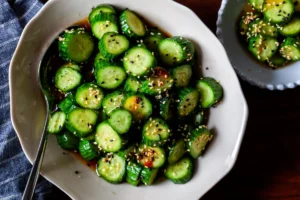
Nutritionists point out that while the dish is traditionally viewed as "comfort food," the ability to serve it alongside high-fiber accompaniments—such as raw cucumbers or a fresh garden salad—balances the caloric density of the meat and cheese. The inclusion of fermented or pickled elements, like pepperoncini, also adds a layer of digestive benefit and flavor complexity that was often missing from the 20th-century versions of the recipe.
Conclusion: The Future of Nostalgic Convenience
As the boundaries between traditional home cooking and modern efficiency continue to blur, the pizza burger stands as a testament to the durability of Midwestern culinary logic. It is a dish that respects the past—honoring the "Grandma" figure who first stocked the freezer—while embracing the tools and health consciousness of the 21st century.
The ongoing popularity of such recipes indicates a permanent shift in the domestic landscape. The "end-of-school-year madness" and the general acceleration of daily life have created a permanent market for meals that are "fun to make" and "loved by kids," yet sophisticated enough to satisfy the adult palate. Through the combination of garlic butter, Italian sausage, and the rapid heat of the air fryer, the pizza burger has secured its place in the pantheon of essential American home cooking, ensuring that this Midwestern staple will continue to be a freezer requirement for generations to come.
Related posts: