The Evolution of Remote Work Infrastructure A Comprehensive Review of Outsite and the Global Coliving Market

The global landscape of professional labor has undergone a seismic shift over the last decade, transitioning from traditional office-bound roles to a decentralized "work-from-anywhere" economy. As of 2024, industry data suggests there are over 35 million digital nomads worldwide, a demographic that contributes an estimated $787 billion to the global economy annually. This surge has necessitated a new category of hospitality: the professional coliving space. Among the most prominent entities in this sector is Outsite, a platform that has evolved from a niche startup into a global network designed to bridge the gap between high-productivity coworking and community-focused residential living.
The Historical Context of Coliving and Outsite’s Market Entry
The concept of coliving is not inherently new, but its professionalization is a recent phenomenon. Historically, remote workers—often referred to as digital nomads—were forced to choose between the social but often distracting environment of hostels or the privacy and isolation of short-term rentals like Airbnb. In many instances, these options failed to meet the technical requirements of modern professionals, such as high-speed, enterprise-grade internet and ergonomic workspaces.
Founded in 2015, Outsite entered the market with a single property in Santa Cruz, California. The original mission was specific: providing a base for professionals who wanted to balance high-level work with outdoor activities like surfing. However, as the "Zoom boom" of the early 2020s normalized remote work across diverse industries—including finance, law, and tech—Outsite expanded its footprint. Today, the company manages over 50 locations globally and maintains a membership base exceeding 5,000 professionals.
Operational Framework and Membership Tiers
Outsite operates on a hybrid model that blends elements of boutique hospitality with a subscription-based community. While the platform allows for non-member bookings, its business logic is centered on a membership structure designed to foster long-term loyalty and recurring revenue.
The membership program is divided into two primary tiers: an annual subscription priced at $199 and a lifetime membership available for a one-time fee of $499. These memberships provide access to several strategic advantages:
- Member-Only Rates: Significant discounts on nightly stays, often making the platform more competitive than mid-tier hotels.
- Exclusive Locations: Access to high-demand properties reserved solely for the member community.
- Extended Stay Incentives: Discounts of up to 40% for long-term residencies, targeting the "slow travel" movement.
- Professional Networking: Access to a proprietary job board, sublet marketplace, and member mixers.
By implementing this tiered system, Outsite filters its demographic toward mid-career professionals, typically in their late 20s to 40s, distinguishing itself from the budget-conscious backpacker market.
Infrastructure Standards: A Case Study in Bordeaux
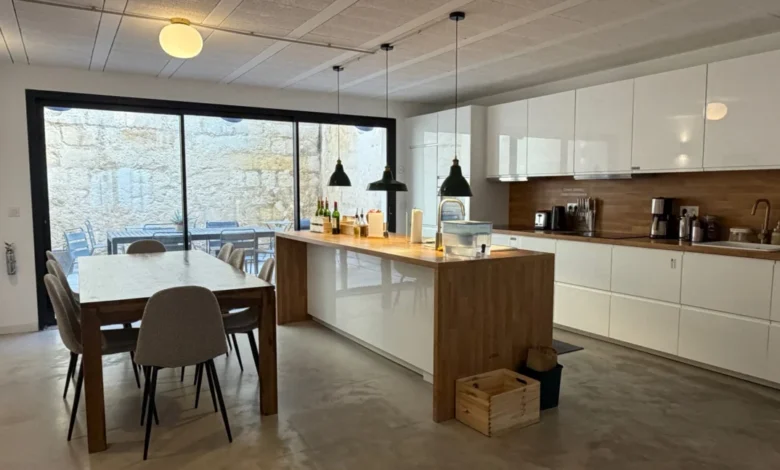
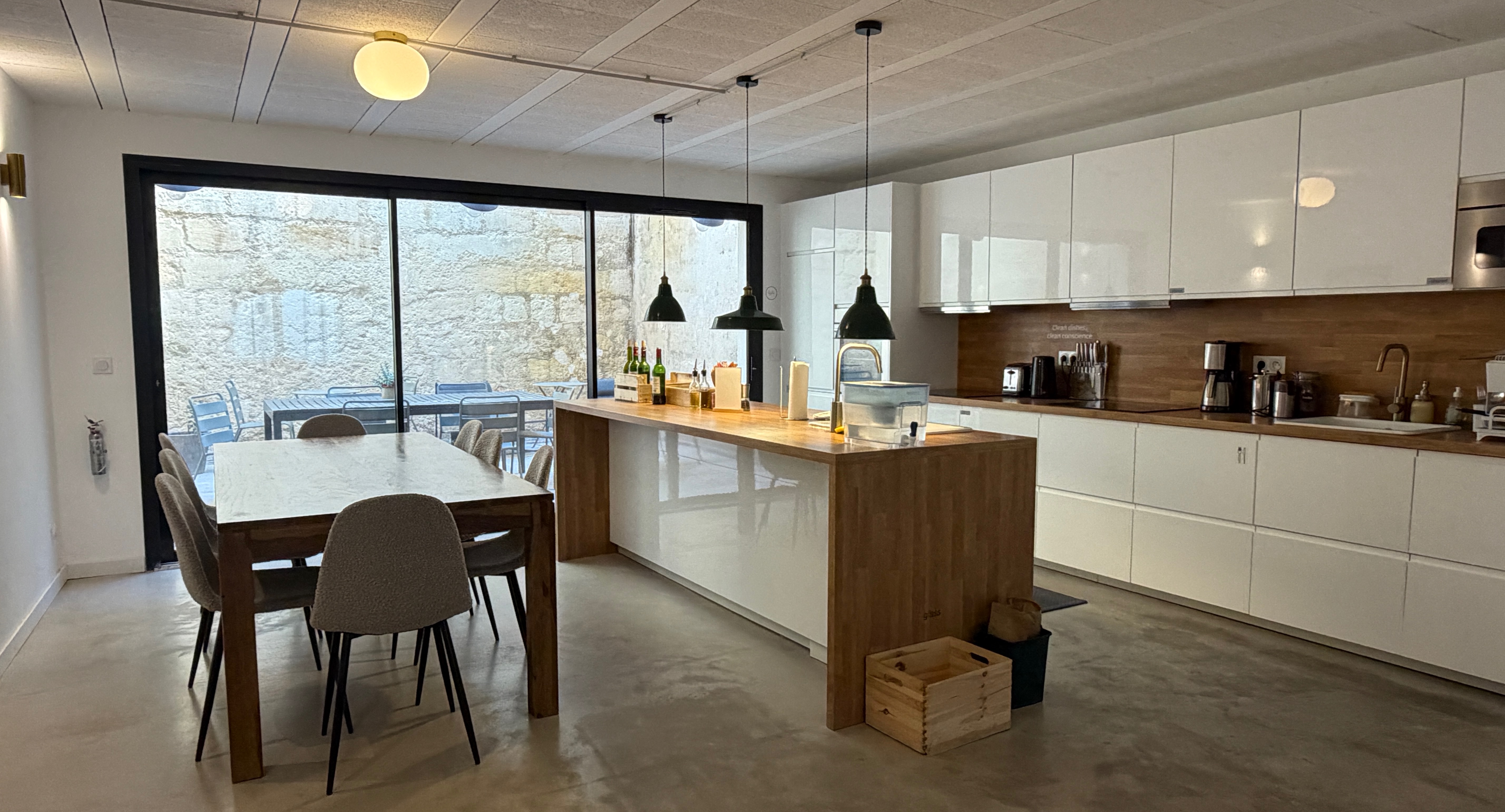
To understand the efficacy of the coliving model, one must examine the physical infrastructure provided at these locations. A representative example is found in the Outsite facility in Bordeaux, France. This property illustrates the platform’s commitment to high-end residential standards combined with office-grade utility.
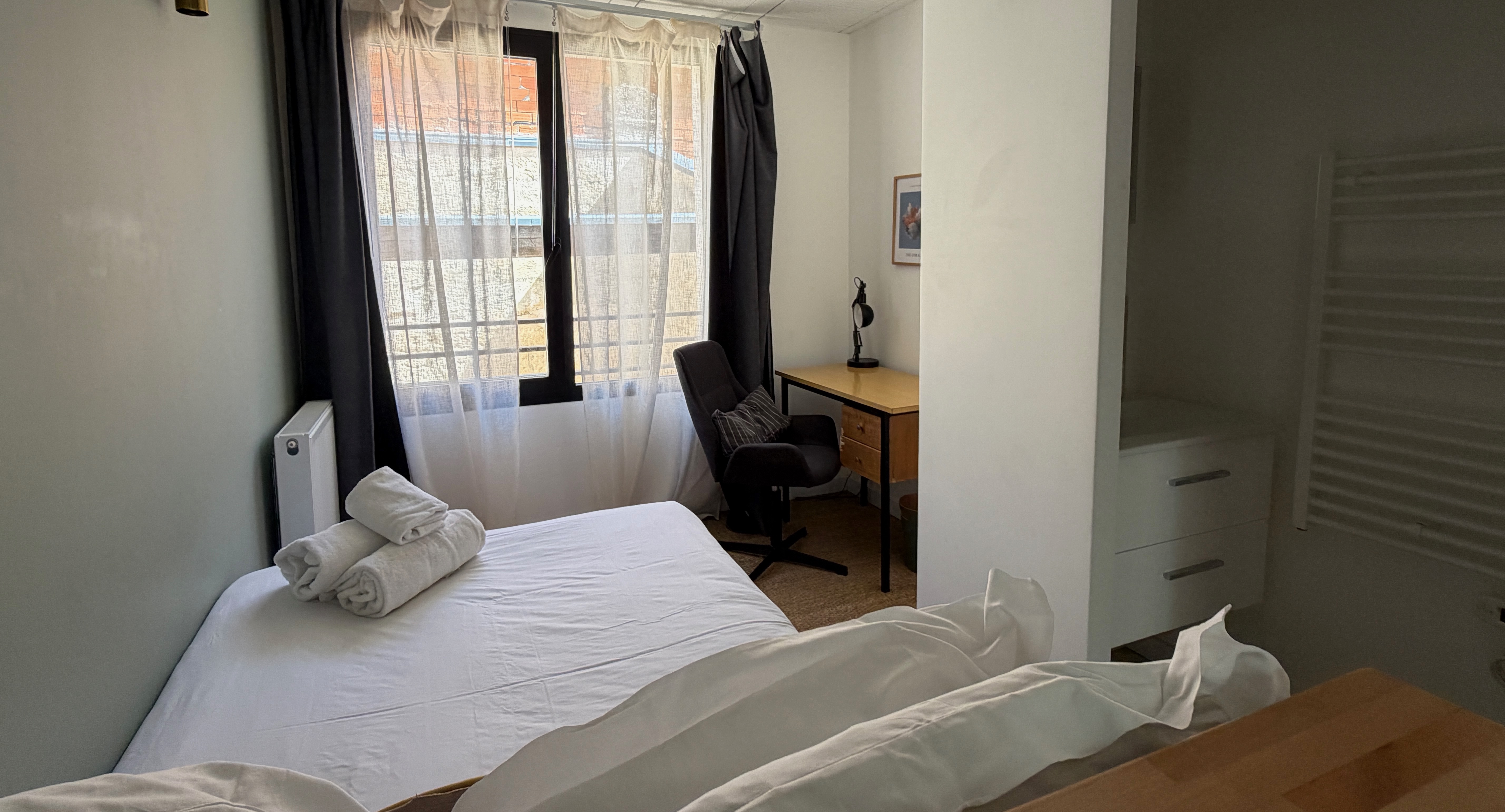
The Bordeaux location features private bedrooms, many with en-suite bathrooms, ensuring the privacy required for professional rest. However, the core of the value proposition lies in the communal areas. Unlike traditional rentals, these spaces include:
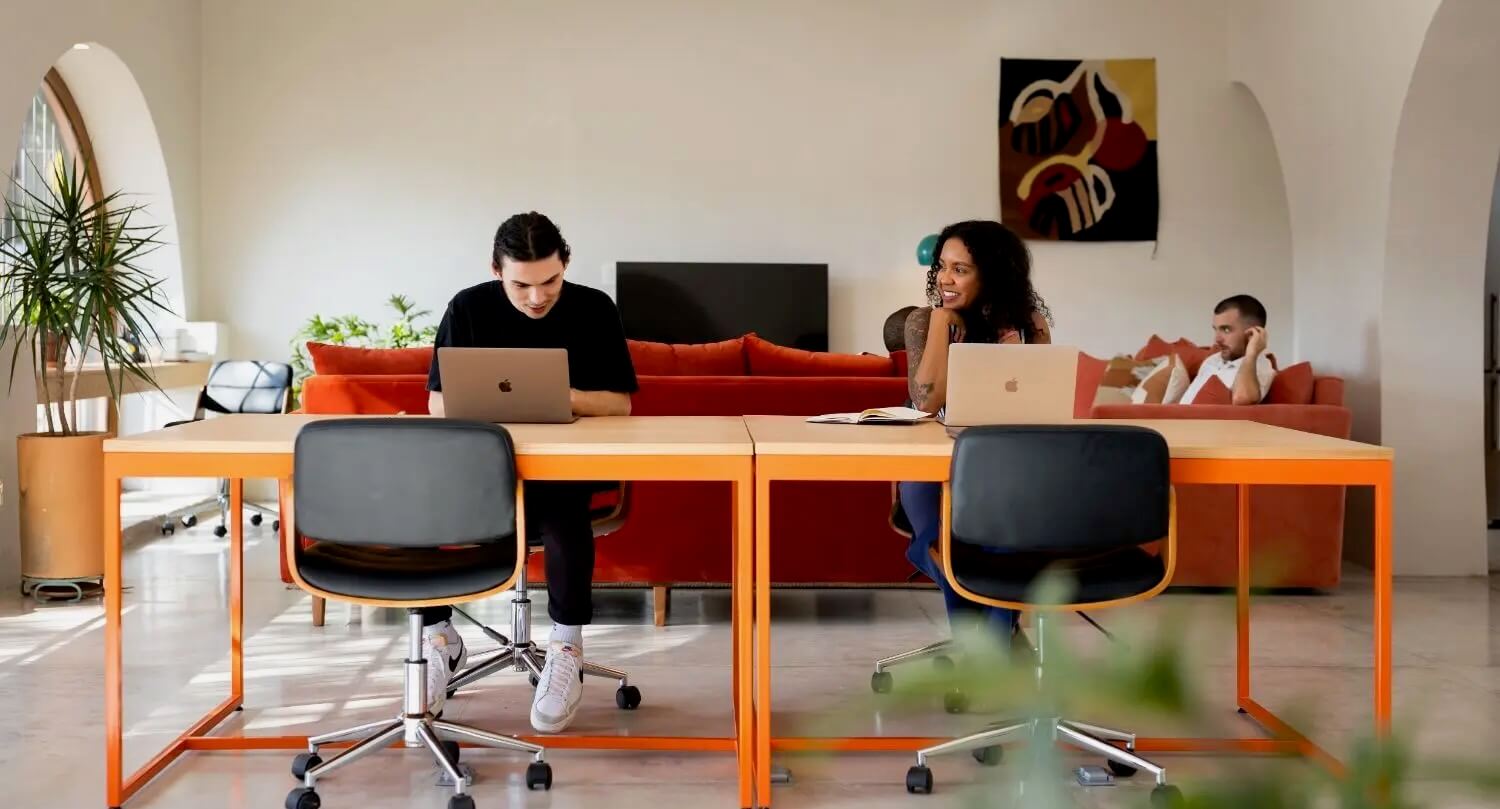
- Dedicated Coworking Zones: Outfitted with ergonomic seating, multiple power outlets, and external monitors, these areas are designed for "deep work" phases.
- High-Performance Connectivity: In contrast to the variable Wi-Fi speeds found in residential Airbnbs, Outsite installs enterprise-grade internet systems capable of handling high-bandwidth video conferencing and data transfers.
- Professional-Grade Kitchens: Large, chef-style kitchens allow for communal meal preparation, which serves as a primary social catalyst for residents.
Furthermore, the integration of a "Community Manager" at each location serves as a bridge between the visiting professionals and the local culture. These managers facilitate logistics, organize networking events, and manage local WhatsApp groups, which reduces the "onboarding time" for a nomad arriving in a new city.
Addressing the Isolation of Remote Work
One of the most significant challenges cited by remote workers is the "loneliness epidemic." A 2023 study on remote work trends found that 23% of nomads struggle with loneliness, while 20% find it difficult to collaborate and communicate effectively. Outsite’s model directly addresses these psychological hurdles through curated community interactions.
Because the residents are all "working travelers," there is a shared understanding of daily schedules. Unlike hostels, where the atmosphere may be geared toward daytime exploration and nighttime socialization, Outsite properties maintain a professional atmosphere during business hours. This shared lifestyle creates an environment where networking occurs organically, often leading to professional collaborations, business partnerships, and long-term social connections.
Economic and Logistical Considerations
While coliving offers numerous benefits, it represents a premium segment of the travel market. Outsite is not positioned as a budget-friendly option for those seeking the lowest possible price point. Instead, the value proposition is based on a "total cost of productivity" calculation.
For a professional, the cost of a private Airbnb, a monthly pass to a local coworking space, and the logistical effort of finding reliable Wi-Fi often exceeds the all-inclusive price of an Outsite stay. However, market volatility and high demand mean that popular locations—such as Lisbon, Portugal, or Santa Teresa, Costa Rica—often require bookings several months in advance. This lack of spontaneity can be a deterrent for travelers who prefer a flexible itinerary.
Furthermore, geographical regulations impact the availability of these spaces. In cities with strict short-term rental laws, such as New York City, Outsite must adhere to 30-day minimum stay requirements. This transforms the property from a "travel destination" into a "temporary residence," further emphasizing the shift toward long-term nomadic living.
Market Implications and Future Outlook
The success of platforms like Outsite has prompted traditional hospitality giants to reconsider their offerings. Brands like Marriott and Hilton have begun experimenting with "workation" packages, while other coliving competitors like Selina and Habitas have sought to capture different segments of the market.
However, Outsite’s focus on a "boutique home" feel rather than a "corporate hotel" feel appears to be a key differentiator. By utilizing local art, plants, and natural light in their interior design, they move away from the sterile environment of traditional business hotels. This aesthetic choice reflects a broader trend in the "creator economy," where the environment is seen as a direct contributor to creative output and mental well-being.
Frequently Asked Questions and Technical Requirements
As the sector matures, several logistical standards have become common queries for prospective residents:
- Occupancy Requirements: Most locations maintain a 2-night minimum, though urban centers may require 30 days due to local housing ordinances.
- Demographics: While there is no official age cap, the professional nature of the environment attracts a demographic that is significantly older and more career-stable than the average hostel guest.
- Pet Policies: Due to the shared nature of kitchens and common areas, pets are generally prohibited to accommodate guests with allergies and to maintain a controlled professional environment.
Conclusion: The Future of Professional Mobility
Living the digital nomad life no longer requires sacrificing career progression or personal comfort. The institutionalization of coliving through platforms like Outsite represents a maturation of the remote work movement. By providing reliable infrastructure, curated social environments, and professional networking opportunities, these spaces have transformed the "working traveler" from a fringe demographic into a sustainable lifestyle category.
As global labor markets continue to favor flexibility, the demand for integrated living and working solutions is expected to grow. For the modern professional, the choice is no longer between the office and the road, but rather finding the right tribe and the right desk chair in a city halfway across the world. The intimacy of shared homes, combined with the rigor of a professional office, suggests that coliving is not merely a travel trend, but a fundamental shift in how the global workforce interacts with geography and community.