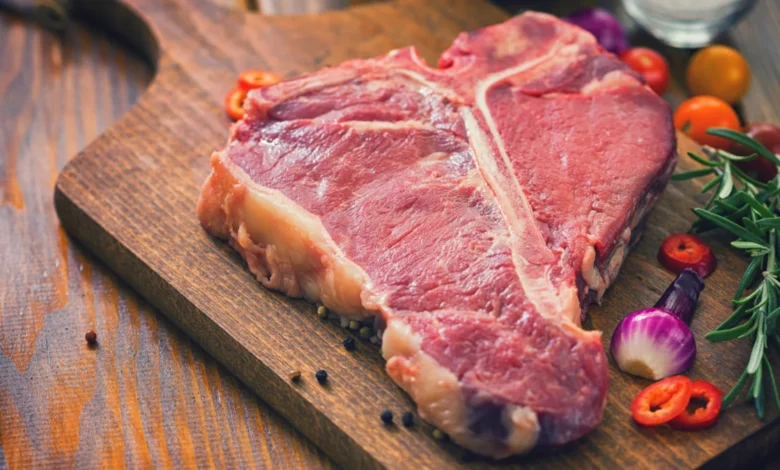
In the competitive landscape of premium beef, the T-bone and the porterhouse remain the undisputed heavyweights of the steakhouse menu. Known for their signature T-shaped lumbar vertebra and the dual-flavor profile of two distinct muscles, these cuts are often the most expensive items on a butcher’s block. However, for the budget-conscious epicurean, a granular look at market data reveals a consistent price gap between the two. According to the United States Department of Agriculture (USDA) National Grass Fed Beef Report, porterhouse steaks command a higher market price, typically ranging from $21 to $42 per pound. In contrast, T-bone steaks are frequently priced between $18.46 and $40 per pound, offering a baseline savings of approximately $2 per pound. While this margin may appear negligible for a single dinner, it represents a significant shift in value for larger culinary operations and families looking to maximize their grocery budgets without sacrificing the luxury of high-end beef.
The Anatomical Distinction: Why the Porterhouse Commands a Premium
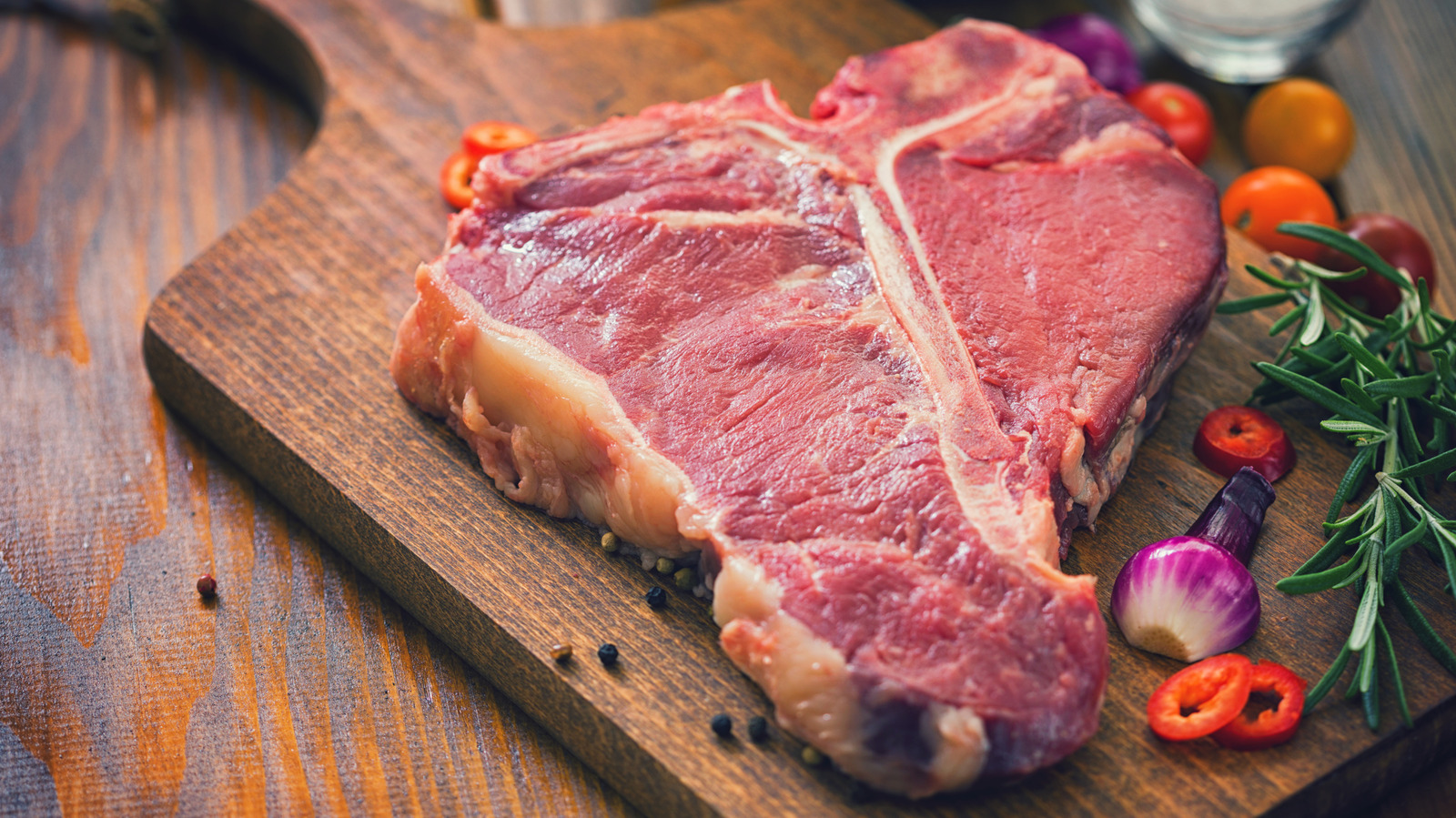
To understand the price discrepancy, one must look at the anatomy of the bovine short loin. Both the T-bone and the porterhouse are cross-section cuts from the subprimal short loin, consisting of the longissimus dorsi (the strip steak) and the psoas major (the tenderloin or filet mignon). The primary difference lies in the location of the cut and the volume of the tenderloin included.
The USDA’s Institutional Meat Purchase Specifications (IMPS) provide the definitive rule for classification. For a steak to be labeled a porterhouse, the tenderloin section must measure at least 1.25 inches in width when measured parallel to the backbone. A T-bone, meanwhile, is required to have a tenderloin width of at least 0.5 inches. Because the tenderloin is the most expensive and tender muscle on the animal, its increased presence in the porterhouse naturally inflates the price. As butchers move from the front of the short loin toward the rear (the sirloin end), the tenderloin grows larger. Consequently, a porterhouse is essentially a T-bone with a more generous portion of filet mignon.
The Impact of USDA Grading on Value Propositions
While the cut name dictates the quantity of the tenderloin, the USDA grade dictates the quality of the fat—or marbling—within the muscle fibers. This creates a complex "value vs. quality" dilemma for consumers. The three primary grades found in retail—Prime, Choice, and Select—can cause price fluctuations that often eclipse the difference between a T-bone and a porterhouse.
Market data from specialized retailers illustrates this volatility. In Austin, Texas, a region with high cattle density and lower transportation overhead, a USDA Prime porterhouse may retail for approximately $36.99. However, opting for a USDA Choice porterhouse can drop that price to $23.99, a savings of $13 per steak. This creates a scenario where a high-grade T-bone (Prime) can actually be more expensive than a lower-grade porterhouse (Choice).
Culinary experts note that marbling is the primary driver of flavor and juiciness. A Prime-grade T-bone, despite having a smaller tenderloin, will often provide a superior eating experience to a Choice-grade porterhouse because the intramuscular fat in the strip side enhances the flavor profile during the rendering process. For the consumer, the "best value" is therefore determined by whether they prioritize the buttery texture of the filet mignon or the robust, marbled flavor of the New York strip.
Geographic Economics and the "Beef Belt" Influence
The cost of these premium cuts is also heavily influenced by regional logistics, labor costs, and local demand. The disparity between urban centers and cattle-producing states is stark. In New York City, a global hub for luxury dining, premium butchers like Lobel’s of New York list USDA Prime porterhouse cuts at nearly $95 for an 18-ounce portion. In contrast, the same weight of Prime porterhouse at a Texas-based market like Longhorn Meat Market may cost less than $40.
Several factors contribute to this regional pricing:
- Transportation and Logistics: The cost of shipping refrigerated, heavy carcasses from the Midwest to the East Coast adds a "transportation premium" to every pound of beef.
- Real Estate and Labor: The overhead costs of maintaining a butcher shop in Manhattan versus a facility in a rural or mid-sized Texas city are reflected in the final retail price.
- Supply Chain Maturity: Regions closer to the "Beef Belt" (states like Texas, Nebraska, and Kansas) have more direct access to processing plants, reducing the number of middle-market distributors.
A Chronology of the Short Loin: From Ranch to Table
The journey of a T-bone or porterhouse steak involves a rigorous timeline that impacts its final market value.
- Birth to 18 Months: Cattle are typically raised on pasture before being transitioned to a grain-finished or grass-finished diet.
- The Grading Phase: After slaughter, USDA inspectors evaluate the carcass, specifically looking at the ribeye muscle between the 12th and 13th ribs to determine the grade (Prime, Choice, or Select).
- The Fabrication Process: The short loin is removed from the hindquarter. This subprimal is where the T-bone and porterhouse are born.
- Aging: High-end cuts are often dry-aged for 21 to 45 days. During this time, moisture evaporates, concentrating the flavor, but also reducing the total weight of the meat. This weight loss is a primary reason why dry-aged steaks carry a significantly higher price tag than "wet-aged" supermarket steaks.
- The Final Cut: A butcher meticulously saws through the bone to create individual steaks. The decision of where to start the cut determines whether the result is a series of T-bones or a series of porterhouses.
Market Reactions and Industry Perspectives
The beef industry has seen significant fluctuations in recent years due to environmental and economic pressures. Industry analysts from the National Cattlemen’s Beef Association have pointed to rising grain costs and prolonged droughts in the Southwest as primary drivers for the record-high beef prices seen in the mid-2020s.
"Consumers are becoming increasingly savvy about where their meat comes from and how it is categorized," says one industry consultant. "We are seeing a shift where shoppers are willing to buy a T-bone and sacrifice that extra half-inch of tenderloin if it means they can afford a higher USDA grade or a locally sourced product."
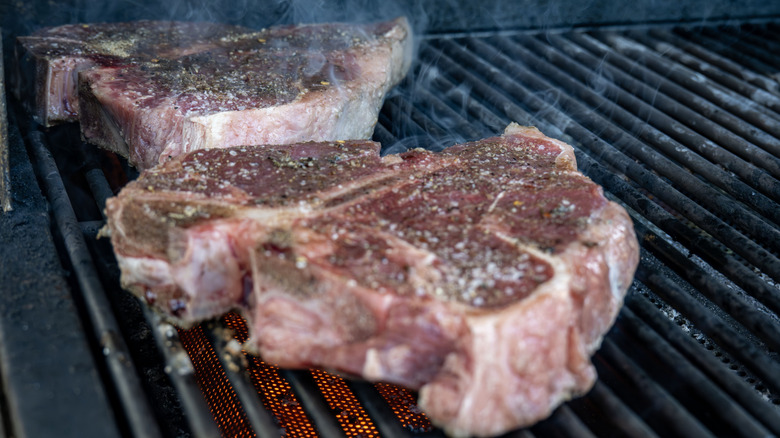
Furthermore, the rise of the "home chef" during the early 2020s has led to a more educated consumer base. Many shoppers now understand that the bone in these cuts serves a culinary purpose beyond aesthetics. The bone acts as an insulator, slowing the cooking process near the center of the steak and allowing for a more even gradient of doneness, while also potentially imparting a subtle richness to the surrounding meat.
Implications for the Future of Steak Consumption
As we look toward the latter half of the decade, the pricing of T-bone and porterhouse steaks will likely continue to be a bellwether for the broader economy. With inflation affecting labor and energy, the "affordable" T-bone may still feel like a luxury to many. However, the data suggests that for those determined to enjoy a premium short-loin experience, the T-bone remains the most economically viable entry point.
For the savvy shopper, the strategy for 2026 and beyond involves three key steps:
- Monitor the Grade: Prioritize Choice-grade beef if the goal is volume, or Prime-grade T-bones if the goal is flavor at a slightly lower price point than a Prime porterhouse.
- Shop Locally: When possible, purchasing from regional distributors or local butcher shops can bypass the "big city" markups associated with national supply chains.
- Understand the Anatomy: Recognizing that a T-bone is simply a porterhouse with a slightly smaller tenderloin allows consumers to make an informed choice based on their specific appetite for filet mignon.
In conclusion, while the porterhouse remains the "king of steaks" due to its massive size and dual-muscle profile, the T-bone offers a nearly identical culinary experience for a lower per-pound price. In an era of fluctuating food costs, the $2-per-pound difference represents a meaningful saving for those who want the prestige of the short loin without the porterhouse’s premium price tag. Whether grilled over charcoal or seared in a cast-iron skillet, both cuts remain the gold standard of American beef, representing a tradition of quality that survives even the most volatile market conditions.