BMW Signals Strategic Shift in US EV Market by Discontinuing iX to Pave the Way for Next-Generation Neue Klasse iX3

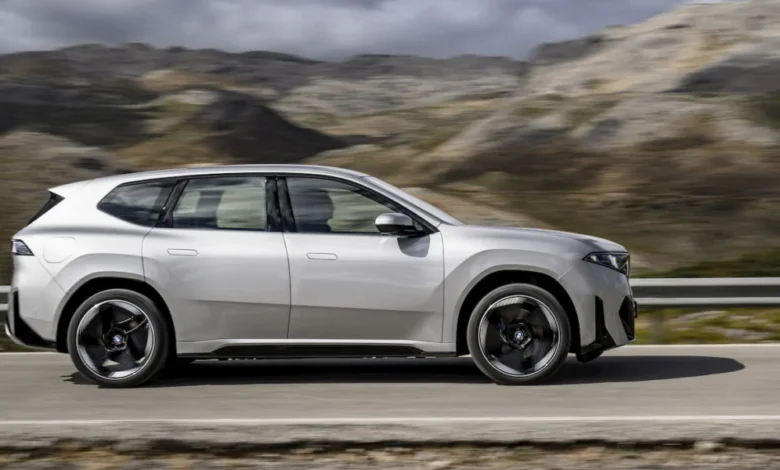
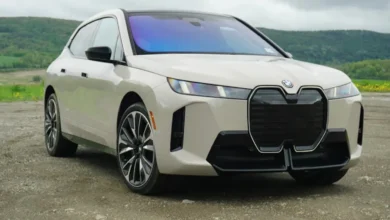
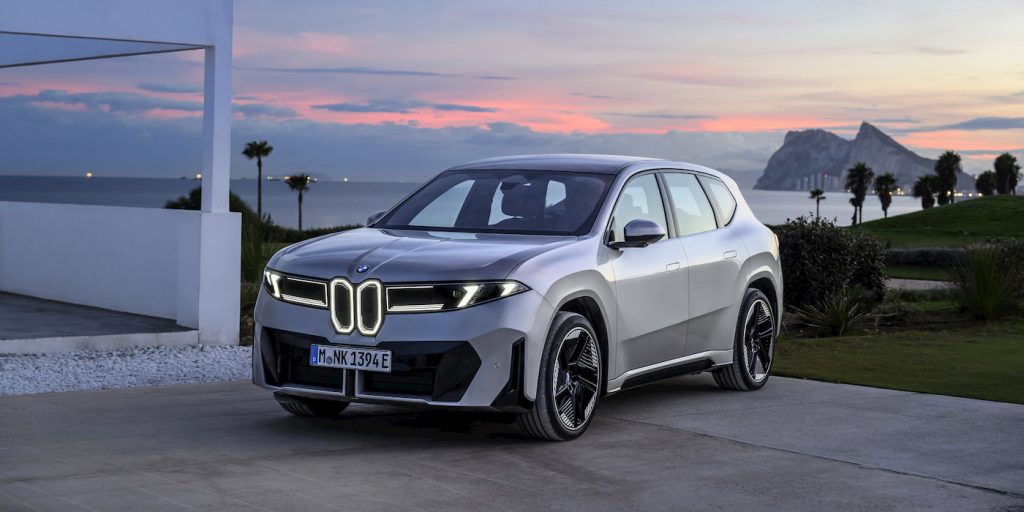
BMW has officially announced a significant restructuring of its electric vehicle portfolio in the United States, confirming the discontinuation of its flagship iX electric SUV to clear the path for the highly anticipated Neue Klasse generation of vehicles. The transition marks a pivotal moment for the Bavarian automaker as it moves away from its first-generation dedicated electric SUV toward a more technologically advanced, efficient, and competitively priced platform. A BMW spokesperson confirmed the decision on Monday, noting that the company is concluding the allocation of the current iX in the U.S. market as it finalizes preparations for the domestic launch of the all-new iX3 later this year.
While the iX will remain available in international markets, its retirement from the American lineup signals BMW’s aggressive pivot toward the "Neue Klasse" era, a term that harks back to the company’s transformative 1960s-era models that redefined the brand. The upcoming iX3, built on the Gen6 eDrive technology, is expected to serve as the new cornerstone of BMW’s electric strategy in North America, offering substantial improvements in range, charging speed, and digital integration.

The Evolution of BMW’s Electric SUV Strategy
The BMW iX arrived in the United States in late 2021, representing the brand’s first major foray into a purpose-built electric SUV. It was designed to showcase BMW’s vision of sustainable luxury, featuring a carbon-fiber-reinforced plastic (CFRP) cage and a distinctive, albeit controversial, design language. During its tenure, the iX helped BMW establish a foothold in the premium EV segment, competing against established players like the Tesla Model X and the Audi e-tron.
However, the rapid pace of battery development and software integration has led BMW to accelerate its product cycles. The decision to discontinue the iX in the U.S. is not a sign of failure but rather a strategic realignment. By focusing on the Neue Klasse iX3, BMW aims to address the two primary concerns of American EV buyers: range anxiety and price accessibility. The iX3 is positioned to be more efficient than its predecessor while occupying a more competitive price bracket within the luxury crossover segment.
Technical Innovations of the Neue Klasse Platform
The upcoming iX3 is more than just a replacement; it is the debut vehicle for the Neue Klasse architecture, a modular platform designed specifically for electric drivetrains. At the heart of this transition is the Gen6 eDrive technology. BMW claims this new system provides a 30% increase in driving range and a 30% reduction in charging times compared to the current fifth-generation hardware found in the iX and i4.
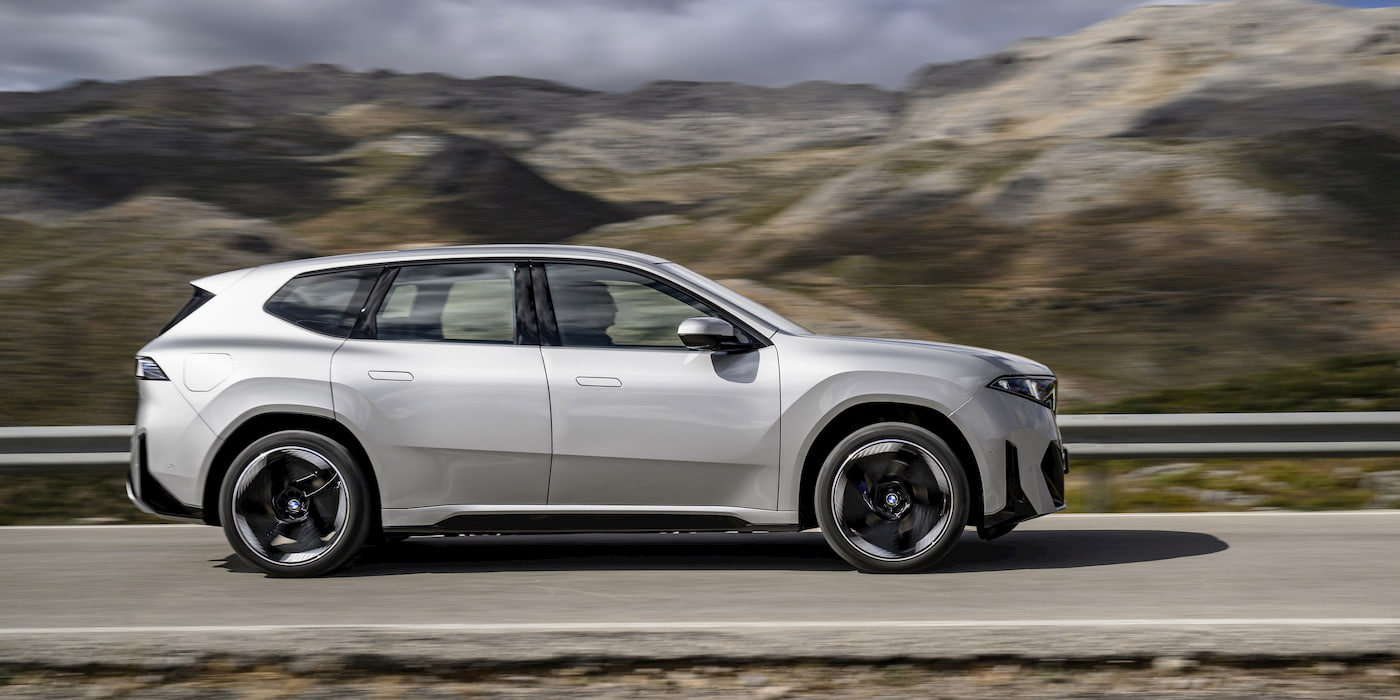
Central to these gains is the shift to new cylindrical battery cells, which replace the prismatic cells used in previous models. These round cells offer higher energy density and a more compact packaging solution. The iX3 will be equipped with a massive 108.7 kWh battery pack. On the European WLTP cycle, the vehicle has achieved a range of up to 805 kilometers (500 miles). For the U.S. market, under the more stringent EPA testing standards, BMW projects a range of approximately 400 miles on a single charge.
Charging performance is equally impressive. The Neue Klasse architecture supports an 800-volt system, enabling peak DC fast-charging capacities of up to 400 kW. According to BMW’s internal testing, the iX3 can add roughly 231 miles (373 km) of range in just 10 minutes of charging under optimal conditions. This leap in infrastructure compatibility positions BMW at the forefront of the luxury EV market’s technical capabilities.
Interior Redesign and the Digital User Experience
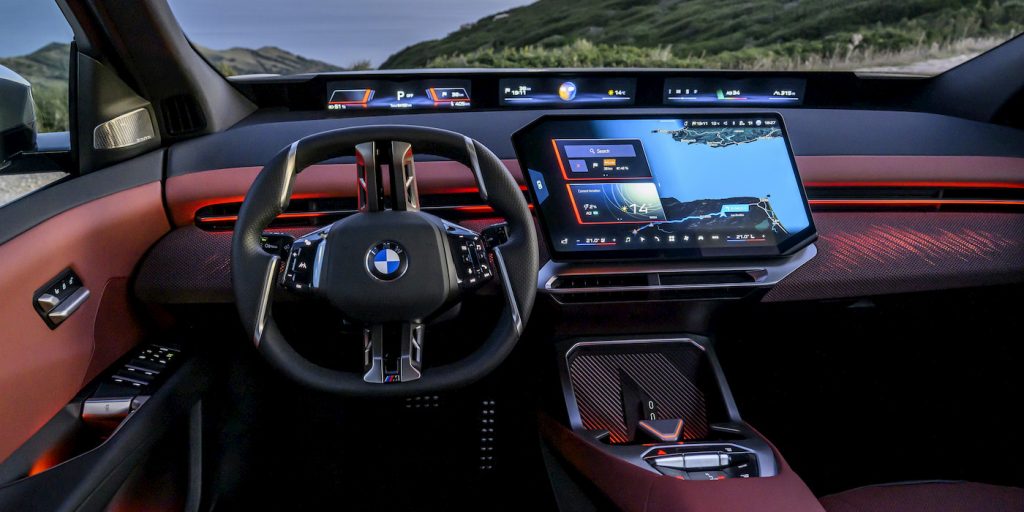
The iX3 also introduces a radical departure from traditional BMW interior design. The cabin is centered around the Neue Klasse philosophy, which emphasizes minimalism, sustainable materials, and advanced haptics. The centerpiece of the dashboard is a 17.9-inch touchscreen infotainment display that serves as the primary hub for vehicle functions.
Perhaps the most innovative feature is the BMW Panoramic Vision 3D Head-Up Display. Unlike traditional head-up displays that project onto a small area in front of the driver, the Panoramic Vision system spans the entire width of the base of the windshield. This allows both the driver and the front passenger to interact with information in their direct line of sight, utilizing the glass as a secondary screen. This integration of hardware and software is part of BMW’s broader effort to create a "software-defined vehicle" that can receive over-the-air updates to improve performance and add features throughout its lifecycle.
Market Demand and Global Reception
Initial indicators suggest that BMW’s pivot is resonating with consumers. Since opening the order books in Europe in September, BMW CEO Oliver Zipse confirmed that the new iX3 has already secured over 50,000 orders. This figure represents approximately one-third of the total orders for the model since its initial debut, highlighting a surge in demand as the vehicle moves toward full-scale production.
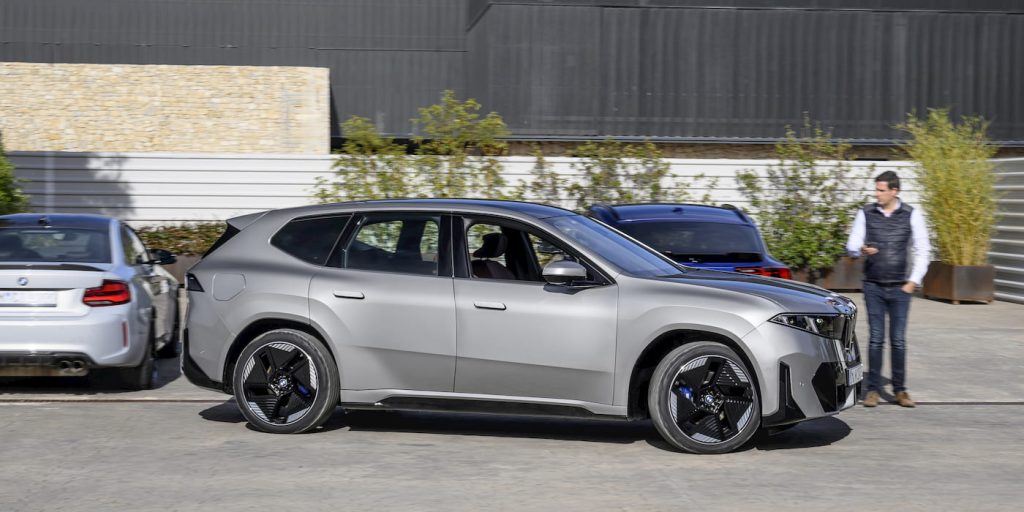
Deliveries have already commenced in European markets, where the vehicle is priced starting at €73,925 (approximately $85,200). In the United States, however, BMW is adopting a more aggressive pricing strategy to capture market share. The 2026 BMW iX3 50 xDrive is expected to launch this summer with a starting MSRP of approximately $60,000.
Comparative Market Analysis
The projected $60,000 price point places the iX3 in a highly favorable position relative to its luxury competitors. By pricing the iX3 below several key rivals, BMW is signaling its intent to dominate the mid-to-large luxury electric SUV segment. A comparison of starting prices for current and upcoming competitors reveals the iX3’s competitive edge:
- BMW iX3 50 xDrive: ~$60,000
- Audi Q6 e-tron: ~$63,800
- Genesis Electrified GV70: ~$64,380
- Rivian R1S: ~$76,990
- Porsche Macan Electric: ~$80,300
- Mercedes-Benz EQS SUV: ~$89,950
This pricing strategy suggests that BMW has achieved significant manufacturing efficiencies with the Neue Klasse platform, allowing them to offer higher-tier technology at a lower entry cost than the outgoing iX, which typically carried a much higher price tag in the U.S. market.
Strategic Implications for the US Market
The discontinuation of the iX in favor of the iX3 is a clear indicator that BMW is prioritizing volume and technological leadership in the United States. The U.S. market has shown a strong preference for SUVs, but the luxury EV segment has become increasingly crowded. By launching a vehicle with 400 miles of range and ultra-fast charging at a $60,000 price point, BMW is directly challenging both traditional luxury rivals and EV-native companies like Tesla and Rivian.
Furthermore, the transition to the Neue Klasse platform allows BMW to streamline its manufacturing processes. The company has invested heavily in its production facilities to accommodate the new architecture, including significant upgrades to its plants to handle the assembly of the Gen6 battery packs and the new cylindrical cells. This shift is part of a broader goal to reduce production costs by 50% compared to current EV models.
Chronology of the Transition
To understand the scope of this shift, it is helpful to look at the timeline of BMW’s electrification milestones:
- 2021: BMW launches the iX in the U.S. as its flagship electric SUV.
- 2023: BMW unveils the Vision Neue Klasse concept, signaling the future design and technical direction of the brand.
- September 2025: Orders for the iX3 open in Europe, reaching 50,000 units within six months.
- March 2026: European deliveries of the iX3 begin.
- April 2026: BMW confirms the discontinuation of the iX in the U.S. market.
- Summer 2026: The 2026 BMW iX3 50 xDrive is scheduled to go on sale in the United States.
- Late 2026/Early 2027: BMW plans to introduce the Neue Klasse i3 electric sedan to follow the iX3.
Official Responses and Industry Outlook
The official statement from BMW underscores a commitment to a fully electric future. "We are concluding US allocation of the BMW iX as we prepare for the next generation of our fully electric vehicles," the spokesperson stated. "BMW remains fully committed to electrification in the US… transitioning to our upcoming Neue Klasse models."

Industry analysts view this move as a necessary step for BMW to remain competitive. As battery technology matures, the "bridge" vehicles—those that used modified internal combustion engine platforms or early-stage dedicated platforms—are being phased out in favor of optimized, second-generation architectures. The Neue Klasse represents BMW’s "all-in" moment, where the company’s heritage in driving dynamics meets a clean-sheet approach to digital and electric engineering.
The success of the iX3 will likely determine the pace at which BMW electrifies the rest of its lineup. Following the iX3 SUV, the company is expected to release an electric sedan equivalent to the 3 Series, tentatively named the i3. By 2030, BMW expects at least half of its global sales to come from fully electric vehicles, and the Neue Klasse platform is the primary vehicle for achieving that target.
As the iX exits the American stage, it leaves behind a legacy as the vehicle that proved BMW could build a compelling, large-scale electric SUV. However, the arrival of the iX3 suggests that the automaker is no longer content with just participating in the EV market; it is now aiming to set the standard for what a luxury electric vehicle should be in terms of efficiency, technology, and value. Consumers in the United States can expect a summer of transition as the final iX units leave showrooms, making way for a new era of Bavarian engineering.
Related posts: