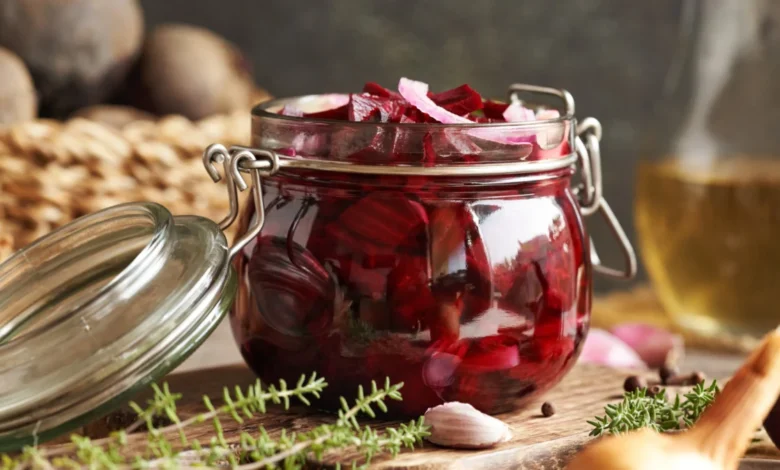
The culinary world has long revered the beet for its earthy complexity and vibrant presence on the plate, yet the traditional red variety carries a notorious reputation for its ability to stain everything from wooden cutting boards to porous marble countertops. In the realm of home preservation and pickling, this "pigment problem" often acts as a barrier to entry for many cooks who wish to avoid the labor-intensive cleanup associated with the root vegetable. However, a growing trend among culinary experts and recipe developers suggests that the solution is not to abandon the beet, but rather to pivot toward its less-messy cousin: the golden beet. This simple substitution preserves the textural integrity and nutritional value of the dish while eliminating the risk of indelible crimson stains, fundamentally changing the approach to home-pickled condiments.
The Chemistry of the Crimson Stain
To understand why golden beets are a superior choice for clean pickling, one must examine the chemical composition of the red beet. Red beets owe their intense color to a class of pigments known as betalains, specifically betacyanins. Unlike the anthocyanins found in red cabbage or berries, betalains are highly stable and incredibly potent. When the cell walls of a red beet are ruptured—whether through peeling, slicing, or grating—these pigments are released in a concentrated liquid form. Because betacyanins are water-soluble and highly adhesive, they quickly penetrate porous surfaces, including skin, fabric, and grout.
In a pickling context, the problem is amplified. The acidity of the vinegar brine can act as a carrier, spreading the pigment throughout the jar and onto any utensils or hands involved in the process. Recipe developer Miriam Hahn, who specializes in plant-based preparations, notes that the "sauerkraut-ish" method of pickling involves significant handling of the vegetable. When working with red beets, this process often results in what is colloquially known as a "culinary crime scene." By switching to golden beets, which contain betaxanthins—a different class of betalain that produces yellow and orange hues—cooks can achieve a cleaner workflow. These yellow pigments are significantly less prone to staining surfaces and wash away with standard soap and water, a stark contrast to the persistent dye of the red variety.
Comparative Flavor Profiles and Textural Consistency
While the visual and logistical benefits of golden beets are clear, the culinary implications of the swap are equally important. From a structural standpoint, golden and red beets are virtually identical. Both maintain a firm, crisp texture when raw and transition to a tender, slightly toothsome state when pickled or fermented. This makes them interchangeable in recipes that rely on the beet’s ability to hold its shape against acidic brines.
However, the flavor profile of the golden beet offers a nuanced departure from the traditional red variety. Red beets are characterized by a high concentration of geosmin, an organic compound produced by soil microbes that gives the vegetable its signature "dirt-like" or earthy aroma. For some palates, this earthiness can be overwhelming. Golden beets, by contrast, possess a much lower geosmin profile. They are generally described as milder, mellower, and noticeably sweeter than their red counterparts.
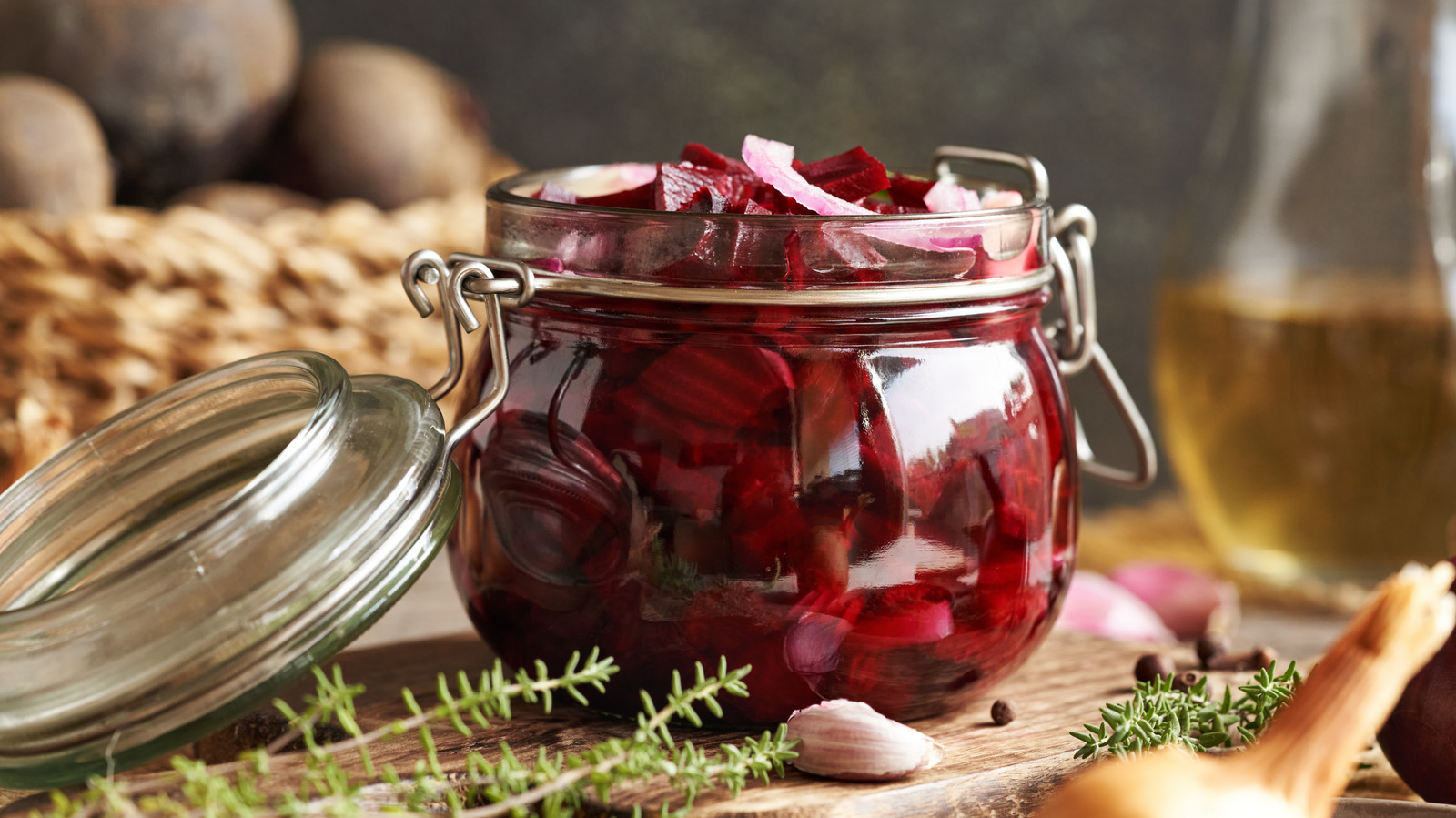
When integrated into a complex pickling brine—such as Hahn’s mixture of apple cider vinegar, rice vinegar, sugar, mustard seeds, cloves, and ginger—the golden beet acts as a versatile canvas. The inherent sweetness of the golden variety complements the sharpness of the vinegar and the warmth of spices like cardamom and allspice, resulting in a condiment that is bold without being polarizing.
The Rise of Home Preservation and Functional Foods
The shift toward golden beet pickling arrives amidst a broader resurgence in home food preservation. Market data indicates a steady increase in interest regarding fermented and pickled foods, driven by a growing consumer focus on gut health and probiotics. Pickled vegetables, particularly those prepared using a "sauerkraut-style" or lacto-fermentation method, are prized for their ability to support the microbiome.
The timeline of this trend can be traced back to the early 2020s, when supply chain disruptions and a renewed interest in self-sufficiency led many households to explore canning and pickling. As home cooks became more experienced, the demand for "low-maintenance" gourmet ingredients grew. The golden beet fits perfectly into this niche, offering the sophistication of a specialty preserve without the logistical headache of deep-red dyes.
Nutritional Data and Health Implications
From a nutritional perspective, the swap from red to golden beets does not require a sacrifice in health benefits. Both varieties are low in calories but dense in essential nutrients.
- Nitrates: Both red and golden beets are rich in dietary nitrates, which the body converts into nitric oxide. This compound helps relax and dilate blood vessels, potentially lowering blood pressure and improving athletic performance.
- Fiber: Beets are an excellent source of dietary fiber, which is essential for digestive health and blood sugar regulation.
- Antioxidants: While they contain different types of betalains, both provide significant antioxidant and anti-inflammatory properties. Golden beets are particularly high in Vitamin C and certain carotenoids that support eye health and immune function.
- Micronutrients: Both varieties provide folate (Vitamin B9), manganese, potassium, and iron.
For those using the pickling process to enhance the nutritional profile of their diet, the golden beet offers a high-yield return. The addition of ginger and turmeric—common ingredients in golden beet brines—further boosts the anti-inflammatory potential of the final product.
Versatility in Modern Gastronomy
The applications for pickled golden beets extend far beyond the traditional relish tray. Their bright, sun-like appearance adds a high-end aesthetic to dishes that red beets might otherwise muddy with their bleeding pigment.
In professional kitchens, pickled golden beets are frequently paired with creamy components to balance their acidity. A notable application includes using them as a topping for blue cheese-stuffed burgers. The sharpness of the cheese and the jammy sweetness of figs or pears are elevated by the tangy crunch of the beet. Because the golden beet does not bleed, the blue cheese retains its white-and-blue visual contrast rather than turning a murky pink.
Furthermore, the "sauerkraut-ish" preparation of these beets makes them a natural fit for breakfast menus. They are increasingly seen in "breakfast salads" featuring smoked salmon, goat cheese, and spring greens. The mildness of the golden beet ensures it does not overpower delicate ingredients like poached eggs or avocado, making it a viable addition to an elevated Eggs Benedict or a lox-style bagel spread.
Industry Implications and Market Trends
The preference for golden beets is also reflected in agricultural and retail trends. Seed companies have reported increased sales of golden varieties like ‘Touchstone Gold’ and ‘Burpee’s Golden,’ as home gardeners prioritize varieties that are as practical in the kitchen as they are productive in the soil.
Retailers and specialty food producers are also taking note. The "clean label" movement, which emphasizes transparency and natural ingredients, finds a natural ally in the golden beet. As consumers move away from artificial dyes and look for naturally vibrant foods that are easy to prepare, the golden beet is positioned to move from a niche specialty item to a pantry staple.
Conclusion: A Practical Evolution of Tradition
The recommendation to swap red beets for golden ones in pickling recipes represents a practical evolution of culinary tradition. It acknowledges that while the flavor of the beet is indispensable, the mess associated with its preparation is not. By utilizing the golden variety, home cooks can engage in the rewarding process of pickling and fermentation with greater frequency and less hesitation.
As the culinary landscape continues to prioritize efficiency, aesthetics, and health, the golden beet stands out as a prime example of how a simple ingredient substitution can resolve a long-standing kitchen grievance. Whether used to brighten a summer salad, add acidity to a rich roast beef sandwich, or provide a probiotic boost to a morning meal, the pickled golden beet is a testament to the idea that the best kitchen hacks are often found in the produce aisle. The result is a cleaner kitchen, a more versatile pantry, and a vibrant, flavorful addition to the modern table.