Retro Rewind: Video Store Simulator Re-creates the Glorious Drudgery of Working a 90s Video Store

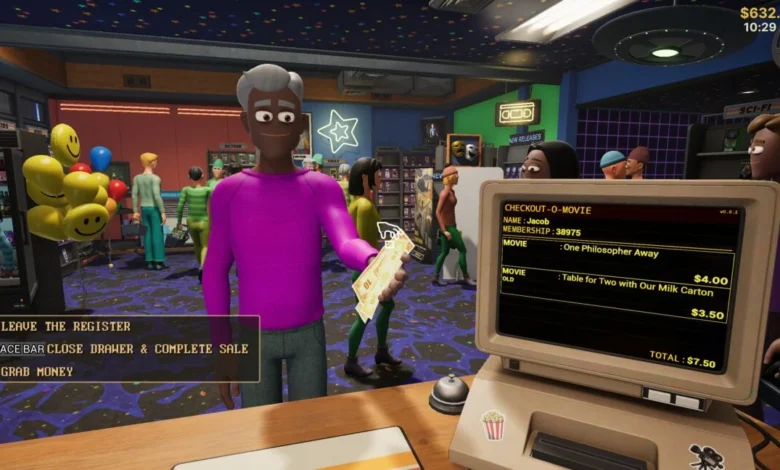
Retro Rewind: Video Store Simulator, developed by Blood Pact Studios, offers players a meticulous, first-person dive into the largely forgotten world of 1990s VHS rental. While eschewing deep business complexities, the game masterfully captures the repetitive, yet undeniably charming, essence of managing a local video store, resonating with a growing segment of gamers seeking nostalgic and meditative experiences. This title, reviewed in April 2026, joins a burgeoning category of "work simulators" that have found significant indie success on platforms like Steam, demonstrating a widespread appeal for virtualizing mundane tasks.
A Pixelated Portal to the Past: The Allure of 90s Retail
The premise of Retro Rewind is straightforward: players assume the role of a manager overseeing a small VHS rental establishment during a pivotal era for home entertainment. In a world increasingly dominated by digital streaming and on-demand content, the game serves as a digital time capsule, transporting players back to a period when a trip to the video store was a weekend ritual. The game’s appeal lies not in intricate economic models or strategic decision-making, but in the faithful, almost tactile, recreation of the daily grind. This focus on "repetitive charm" is a deliberate design choice that speaks to a specific player demographic, offering a soothing, zen-like comfort that allows for escapism into a simpler, pre-internet past.
The game distinguishes itself within the broader simulation genre by opting for a first-person perspective, immersing players directly into the physical space of the store. From the moment the game begins, players are tasked with the foundational responsibilities of a true video store owner or manager. This includes the initial setup, which involves purchasing tapes from a catalog, meticulously arranging furniture and decorations to optimize the store’s layout, and, crucially, organizing the VHS collection by genre. The act of grouping tapes, though seemingly trivial, caters to an innate human desire for order and provides a satisfying sense of accomplishment, aligning with both customer convenience and the manager’s internal "anal-retentive organizational voices," as the developers playfully imply.

The Unfolding Narrative of Work Simulators: A Genre Defined by Mundanity
The phenomenon of "work simulator" games has steadily gained traction in the indie gaming landscape over recent years. Titles like PowerWash Simulator, House Flipper, and even more niche entries like PC Building Simulator have garnered significant player bases and critical acclaim. These games tap into a unique psychological appeal, transforming the often-tedious tasks of real-world jobs into engaging, low-stress, and often meditative virtual experiences. The allure often lies in the satisfaction of completing a task, seeing immediate results, and mastering a routine without the associated pressures of actual employment. For many, these simulations offer a form of escapism, providing a structured environment where problems are finite, solutions are clear, and the overall experience is designed to be calming rather than demanding.
Retro Rewind: Video Store Simulator perfectly embodies this ethos. Its success on platforms like Steam, as noted by gaming analytics sites such as Gamalytic, underscores the robust demand for such experiences. Players are drawn to the simplicity and predictability, finding a unique form of relaxation in the structured completion of mundane duties. This genre often serves as a digital antidote to the complexities and anxieties of modern life, offering a safe, controlled space to engage with tasks that, in another context, might be considered chores. The game’s focus on the early 90s also adds a layer of historical and cultural preservation, allowing players to interact with a retail environment that has largely vanished from the contemporary landscape. This blend of nostalgic appeal and the inherent satisfaction of "getting things done" forms the core of its burgeoning popularity.
A VHS Dream: Immersive Nostalgia in First-Person
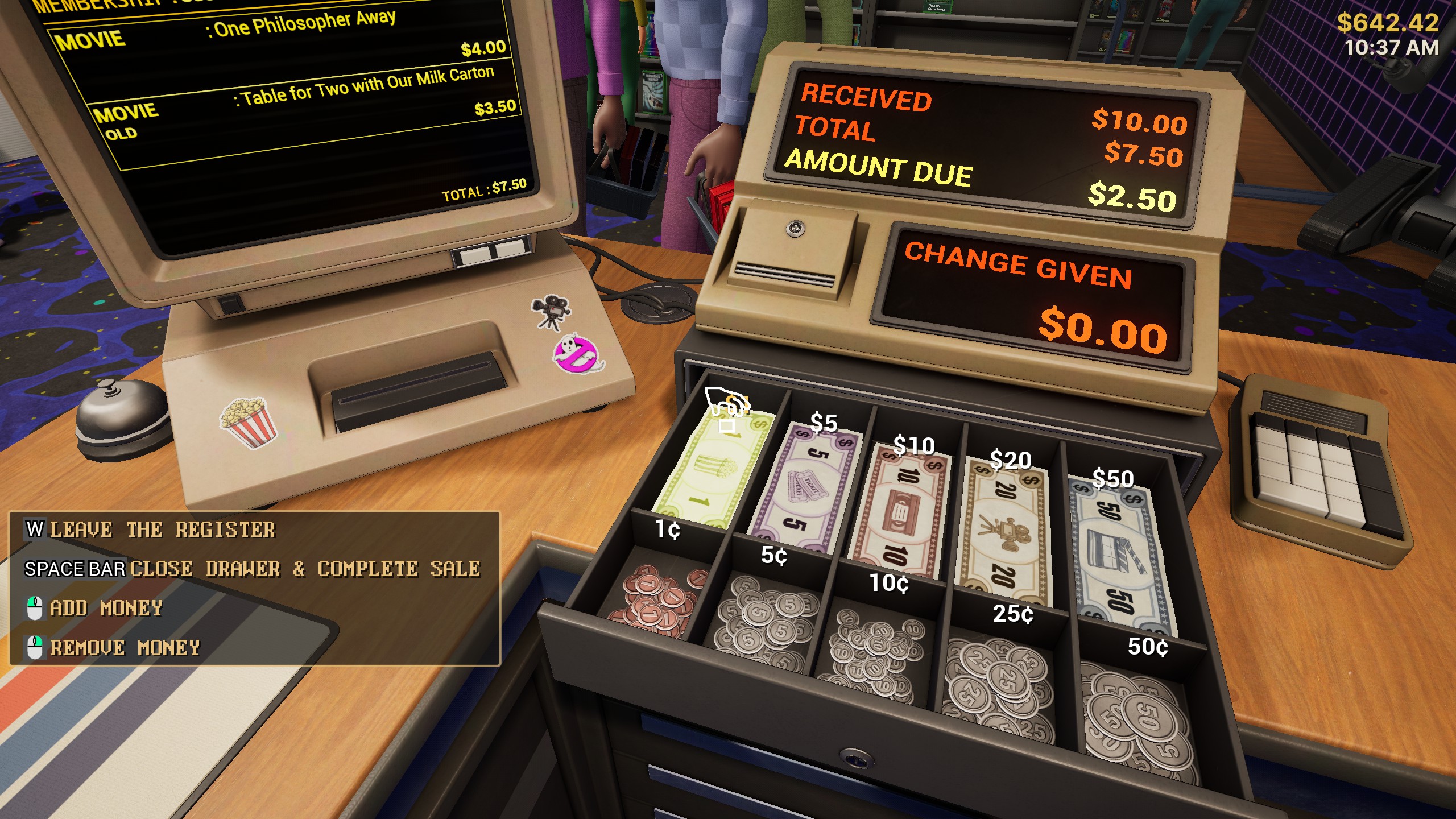
The immersive quality of Retro Rewind is central to its appeal. Players are not merely interacting with menus or spreadsheets; they are physically present within their virtual video store, navigating its aisles and engaging with its various components. The initial phase of setting up the store is particularly crucial for establishing this immersion. Players must carefully select and purchase tapes, which range from classic blockbusters to obscure B-movies, often presented with humorous parody titles like "Forward to the Past" and "Die Trying." The act of physically placing these tapes onto shelves, categorizing them by genre (action, horror, comedy, drama, etc.), and arranging display units contributes significantly to the feeling of ownership and control over the space.
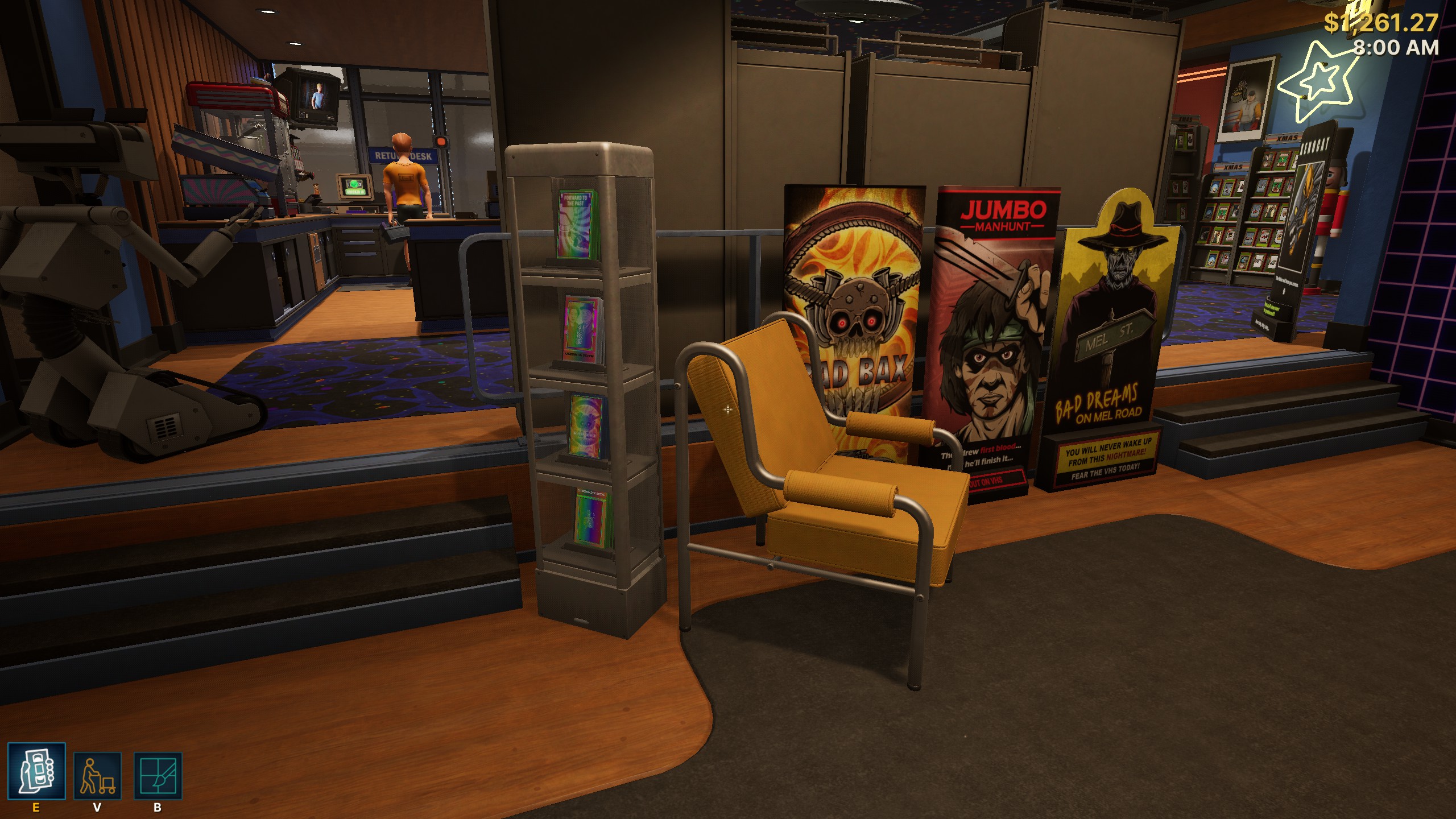
Beyond mere functionality, the game allows for extensive customization of the store’s aesthetics. Players can choose different types of flooring, from generic linoleum to "cheesy ’90s carpet," select wall decorations, and even purchase novelty items like animated robot statues to highlight specific sections, such as the sci-fi aisle. These cosmetic decisions, though not directly impacting profit margins in a granular way, are vital for personalizing the experience and deepening the player’s connection to their virtual enterprise. This meticulous attention to detail in visual and environmental design reinforces the nostalgic atmosphere, from the warm glow of CRT monitors to the distinct clatter of a VHS tape being inserted into a player. The goal is to make the video store feel less like a sterile business and more like a cherished "home away from home," a place of comfort and familiarity.
The Rhythmic Repetition of Daily Operations: Mastering the Grind
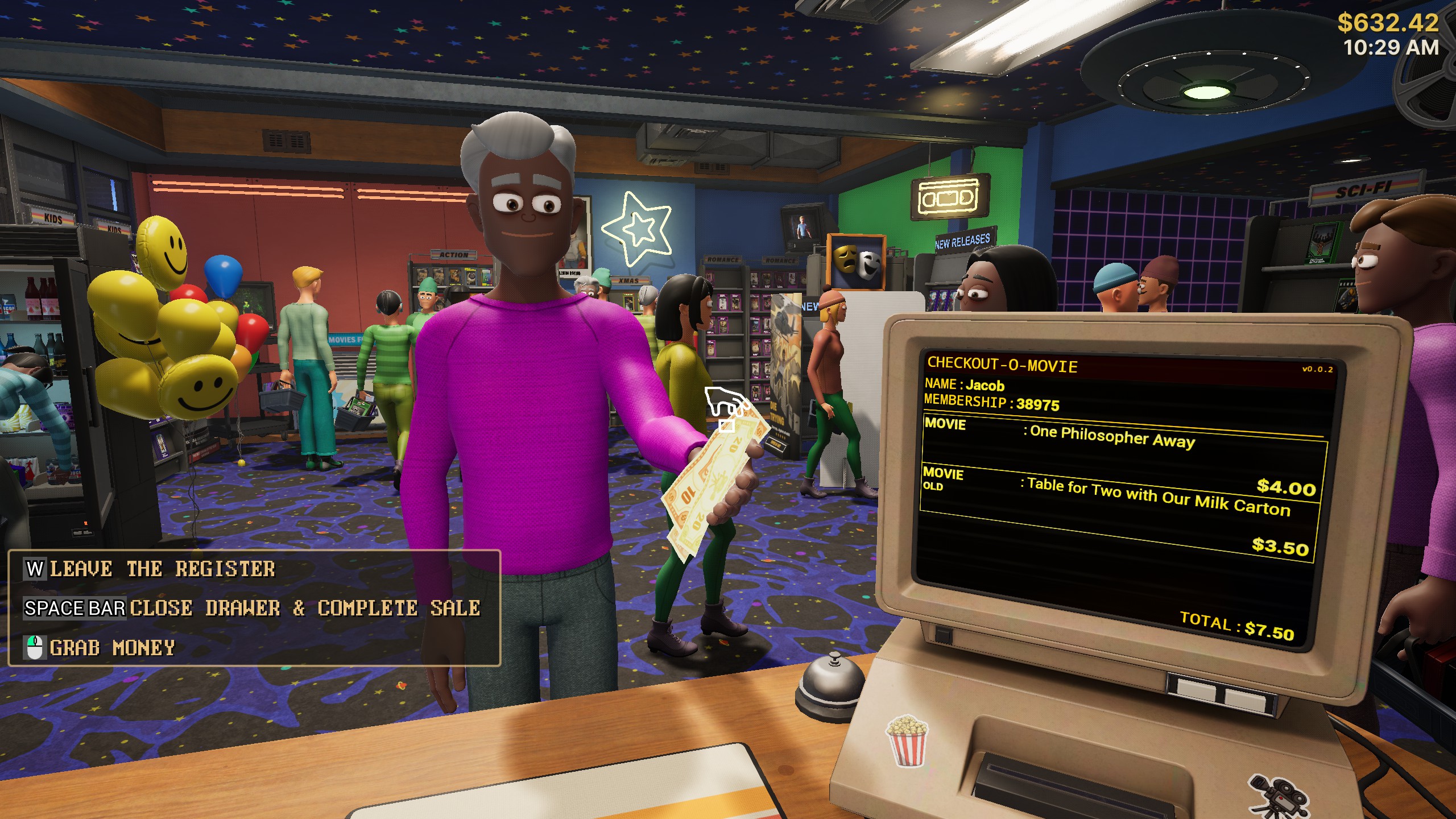
Once the store is established, the game settles into its core loop: the daily routine of a video store manager. This cycle is characterized by a deliberate and almost meditative repetitiveness, centered primarily around two main tasks: manning the cash register and reshelving returns. At the cash register, players engage in a series of precise actions: scanning items, accurately calculating and taking customer cash, and making correct change from the register. This is not a simple button press; each step requires specific mouse movements and clicks, ensuring that the player remains actively engaged in the transaction.
Similarly, the process of handling returns is equally hands-on. Tapes are dropped into a return bin, requiring the player to pick them up, scan them back into inventory, and then physically run them back to their designated shelves. To add a layer of efficiency and challenge, tapes are typically carried and re-shelved in groups of up to ten, encouraging players to strategize their movements around the store.
What prevents these tasks from becoming utterly mind-numbing are the subtle, randomized interruptions that punctuate the day. Players might suddenly need to retrieve a returned tape from the (often frustratingly slow) rewinding machine, locate a specific movie reservation for a waiting customer, or sprint to the back office to answer a ringing phone. These small, unpredictable events ensure that players cannot completely switch to "brain off" autopilot, maintaining a low level of mental engagement that keeps the experience fresh enough to avoid outright boredom while still preserving its core, soothing rhythm. The deliberate absence of full automation for these tasks reinforces the game’s commitment to simulating the hands-on nature of 90s retail work, where every transaction and every reshelved tape was a physical act.
Evolving Engagements: Unlocking New Facets of the Retail Experience
While the core gameplay loop is intentionally repetitive, Retro Rewind introduces a gradual progression system that unveils minor variations and new responsibilities, preventing the experience from becoming entirely static. As days turn into weeks within the game, players will encounter new "video release days." These events require strategic management of inventory and shelf space. Older, less popular titles might need to be moved to a "bargain bin" to make room for the influx of new releases, forcing players to make subtle decisions about their store’s layout and offerings. The game’s humorous, parody film titles continue to appear, adding a layer of nostalgic amusement that references the era’s cinematic landscape.
Beyond managing new releases, players also unlock minor mini-games that break up the cashier and re-shelving routine. For instance, fixing a malfunctioning slushy machine behind the counter introduces a brief, 15-second mini-game where players must quickly prepare a snack for a customer. These short, focused diversions offer a temporary change of pace, adding a dash of variety without disrupting the overall relaxed atmosphere of the game. They are carefully integrated to feel like authentic, albeit minor, aspects of 90s convenience store operations, further enriching the immersive experience and reinforcing the sense of being a busy, multi-tasking manager. This thoughtful pacing of new content ensures that players remain engaged and feel a sense of progression, even within a framework designed for repetition.
The Shallows of Management: Employees and Economic Simplicity
One of the most significant advancements available to players in Retro Rewind is the ability to hire staff. This feature is presented as a "blessed relief from the drudgery" of daily tasks, offering the promise of delegating responsibilities and freeing up the player’s time. However, the game’s employee management system is notably shallow, a point of critique for those expecting a deeper simulation. While players can approve raises, grant sick leave, or even wake up employees who have dozed off on the job, the consequences for these actions, or inactions, are minimal. The article highlights that players can fire an employee and hire a new one almost instantly, with no apparent penalty or impact on the business. This lack of depth in human resources management means that the strategic implications of hiring and managing staff are largely absent, reducing it to a transactional process rather than a nuanced system.
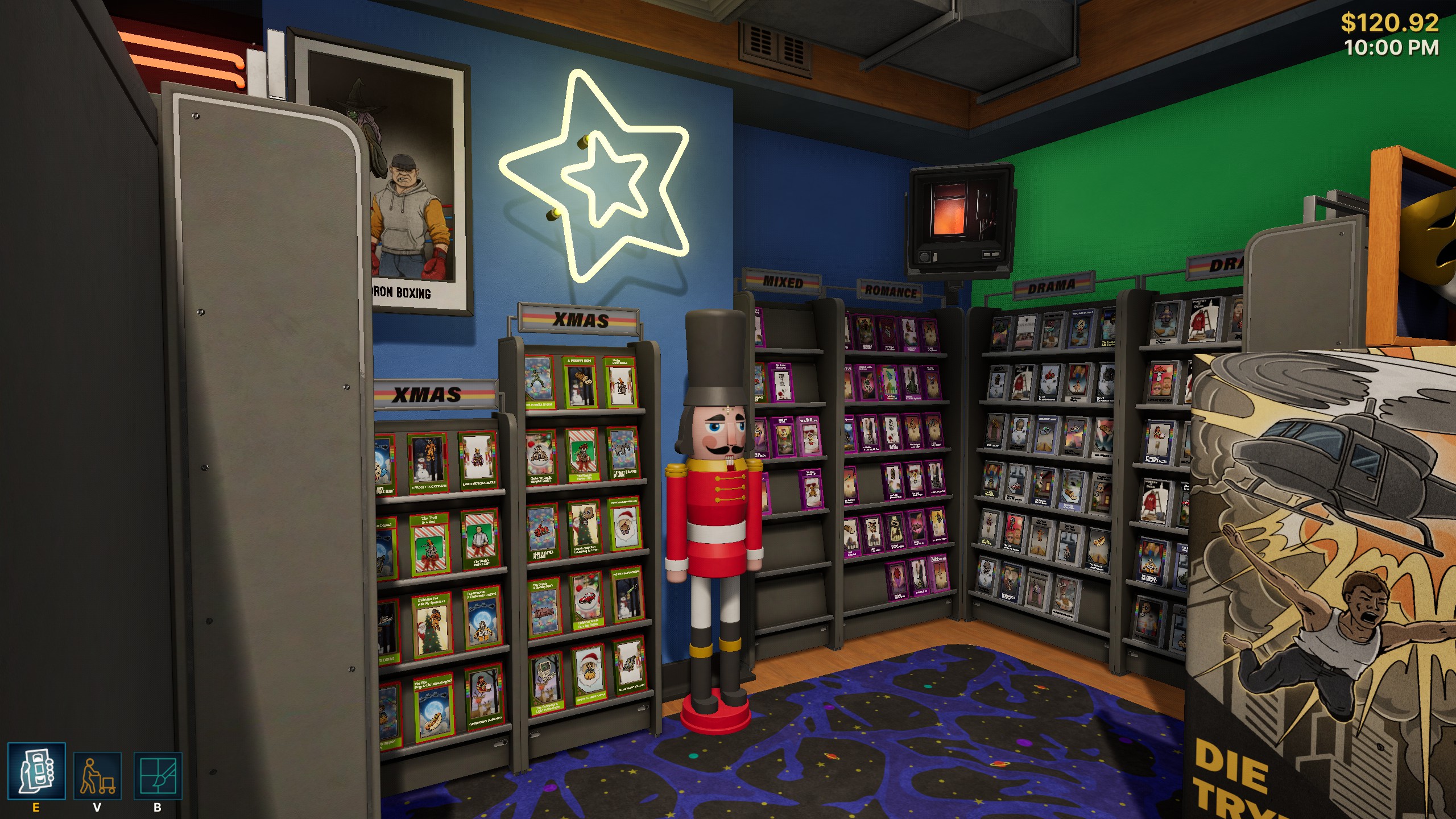
This simplicity extends to the broader business simulation. Retro Rewind does not offer complex economic levers for players to manipulate. There are no options to set prices for rentals, adjust late fees, or devise marketing strategies through advertising budgets to attract new customers. While the game vaguely suggests that factors like movie selection and store decorations might influence customer traffic, there is a distinct lack of granular feedback. Players receive little concrete data to determine what business decisions are truly effective, reducing the scope for strategic optimization. Consequently, the video store business within the game largely "runs itself." Players face almost no risk of financial loss as long as they perform the bare minimum tasks of stocking shelves, processing customer transactions, and ordering new movies when funds permit. This simplified economic model, while contributing to the game’s low-stress appeal, means that the experience leans heavily on task execution and atmosphere rather than intricate business strategy.
Beyond Business: The Art of Cosmetic Customization and Personalization
Given the straightforward economic model and the simplified management aspects, the game’s most engaging and rewarding decisions often shift towards cosmetic customization and store personalization. For many players, a significant portion of their playtime is dedicated to meticulously rearranging the store’s layout. This involves optimizing the placement of shelves, counters, and display units to enhance "customer flow" and minimize the time spent traversing aisles for restocking different genres. This spatial puzzle-solving element provides a different kind of satisfaction, transforming the functional layout into an aesthetic and ergonomic challenge.
The ability to personalize the store’s interior goes beyond mere organization. Players can select from various design elements, such as different types of flooring, wall art, and promotional displays. The article specifically mentions saving up for an "animated robot statue to highlight the sci-fi section," illustrating the quirky and era-appropriate decorative options available. These choices, while not directly tied to profit maximization, are crucial for fostering a sense of personal ownership and creative expression. For players who appreciate interior design or wish to recreate a specific nostalgic ambiance, these cosmetic elements become a primary driver of engagement. The game effectively leverages these non-essential decisions to provide depth and replayability, offering a creative sandbox within its structured daily routine. This focus on aesthetic agency reinforces the game’s identity as a comforting, immersive throwback rather than a demanding business simulation.
Developer’s Vision and Player Reception: Crafting a Niche Experience
The design philosophy behind Retro Rewind: Video Store Simulator by Blood Pact Studios appears to be a deliberate choice to prioritize atmosphere, nostalgia, and a relaxing, almost meditative player experience over the complexities of a hardcore business simulation. It can be inferred that the developers understood their niche: catering to players who yearn for a simpler time, those who find satisfaction in repetitive, hands-on tasks, and individuals seeking a low-stress gaming environment. The "repetitive charm" is not an accidental byproduct but a core feature, intended to evoke a sense of routine and comfort reminiscent of the actual work.
Player reception, as indicated by the review, generally aligns with this vision. While critics and players acknowledge the game’s simplicity and lack of intricate business mechanics, they often praise its effectiveness as a nostalgic throwback. The game appeals to a specific target audience: individuals with fond memories of the 90s video rental era, fans of the "zen" simulator genre, and those looking for a secondary activity while listening to podcasts or watching other media. This strategic targeting has allowed Retro Rewind to carve out a successful space in the indie market, proving that depth isn’t always paramount when atmosphere and a clear gameplay loop are executed effectively. The game’s success suggests a strong understanding from Blood Pact Studios of what makes a "work simulator" appealing in a crowded market.
The Broader Implications: Preserving a Bygone Era in Digital Form
The release of Retro Rewind: Video Store Simulator carries broader implications for both the gaming industry and cultural preservation. In an age where digital distribution has rendered physical media largely obsolete, especially for video rentals, Retro Rewind serves as an interactive historical document. It digitally archives and celebrates a significant cultural touchstone of the late 20th century—the communal experience of visiting a video store, browsing shelves, and renting a physical VHS tape. This act of preservation through interactive media allows younger generations to experience a slice of retail history they might otherwise never encounter, while offering older players a potent dose of nostalgia.
Furthermore, Retro Rewind contributes to the evolution of the "work simulator" genre by demonstrating the viability of exploring ultra-niche, culturally specific jobs. Its success suggests a market for simulations that delve into historical or forgotten professions, broadening the scope of what can be simulated beyond common modern-day occupations. This trend highlights the power of nostalgia in game design, proving its ability to connect with diverse player bases across generations. It opens the door for future simulations that might explore other bygone eras or defunct industries, using interactive media as a means of cultural memory. The game’s straightforward, low-stakes approach also reinforces the idea that not all games need to be high-octane or deeply strategic to be successful; sometimes, the simple, repetitive joy of a familiar routine is more than enough.

Conclusion: A Charming, Repetitive Ode to VHS
Ultimately, Retro Rewind: Video Store Simulator by Blood Pact Studios is a charming, albeit simple, ode to a bygone era. It foregoes complex business mechanics in favor of a focused, first-person recreation of daily life in a 1990s VHS rental store. Its "repetitive charm" and soothing, zen-like gameplay make it an ideal choice for players seeking a low-stress, highly nostalgic experience—a game perfectly suited for background engagement while multitasking. While it may not satisfy those yearning for deep strategic challenges or intricate economic models, it excels in its primary goal: transporting players to a specific moment in time, allowing them to relive (or discover) the glorious drudgery of a video store manager. The game stands as a testament to the enduring appeal of digital drudgery, the power of nostalgia, and the growing market for simulations that prioritize atmosphere and comfort over complexity. It effectively proves that sometimes, the simple act of scanning a tape, making change, and reshelving returns can be profoundly satisfying.