20 Sheet Pan Dinners for Easy Weeknights: A Comprehensive Guide to Streamlining Meal Preparation and Home Cooking Efficiency

The evolution of modern home cooking has increasingly prioritized efficiency, leading to the widespread adoption of sheet pan dinners as a cornerstone of contemporary meal management. This culinary strategy, characterized by the assembly of proteins and vegetables on a single rimmed baking sheet for simultaneous roasting, addresses the dual challenges of time scarcity and the demand for nutrient-dense, home-cooked meals. By leveraging the concentrated heat of the oven to perform the primary cooking labor, this method minimizes active preparation time and significantly reduces the logistical burden of post-meal cleanup. As household schedules become more complex, the transition toward "one-pan" solutions represents a significant shift in domestic food preparation trends, moving away from labor-intensive multi-pot recipes toward streamlined, high-yield alternatives.
The Rise of the One-Pan Culinary Movement
The popularity of sheet pan cooking is not merely a passing trend but a response to shifting socioeconomic factors. Data from consumer behavior reports suggest that the average time spent on meal preparation in American households has seen a steady decline over the last decade, yet the preference for "whole foods" and "clean eating" has risen. The sheet pan dinner sits at the intersection of these two trends. Historically, roasting was often reserved for large Sunday roasts or holiday meals; however, the democratization of the rimmed baking sheet—traditionally a tool of professional bakeries—has allowed home cooks to apply high-heat roasting techniques to everyday ingredients.
Chronologically, the surge in sheet pan popularity can be traced to the mid-2010s, coinciding with the rise of digital food media and visual platforms. The "aesthetic of the tray" allowed for vibrant, colorful presentations of vegetables and proteins that resonated with a global audience. By 2024, the method has matured into a sophisticated system of meal prep magic, where a single 45-minute session in the oven can produce a week’s worth of balanced nutrition.
A Categorical Analysis of Sheet Pan Versatility
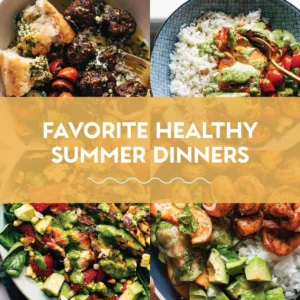
To understand the breadth of this cooking method, one must examine the diverse range of recipes currently defining the genre. These 20 selected dinners illustrate the flexibility of the sheet pan, spanning various protein sources, dietary requirements, and international flavor profiles.
Poultry and Meat-Based Efficiencies
Chicken and beef remain the primary proteins for sheet pan applications due to their predictable roasting times and ability to absorb dry rubs and marinades.
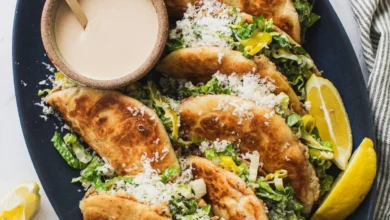
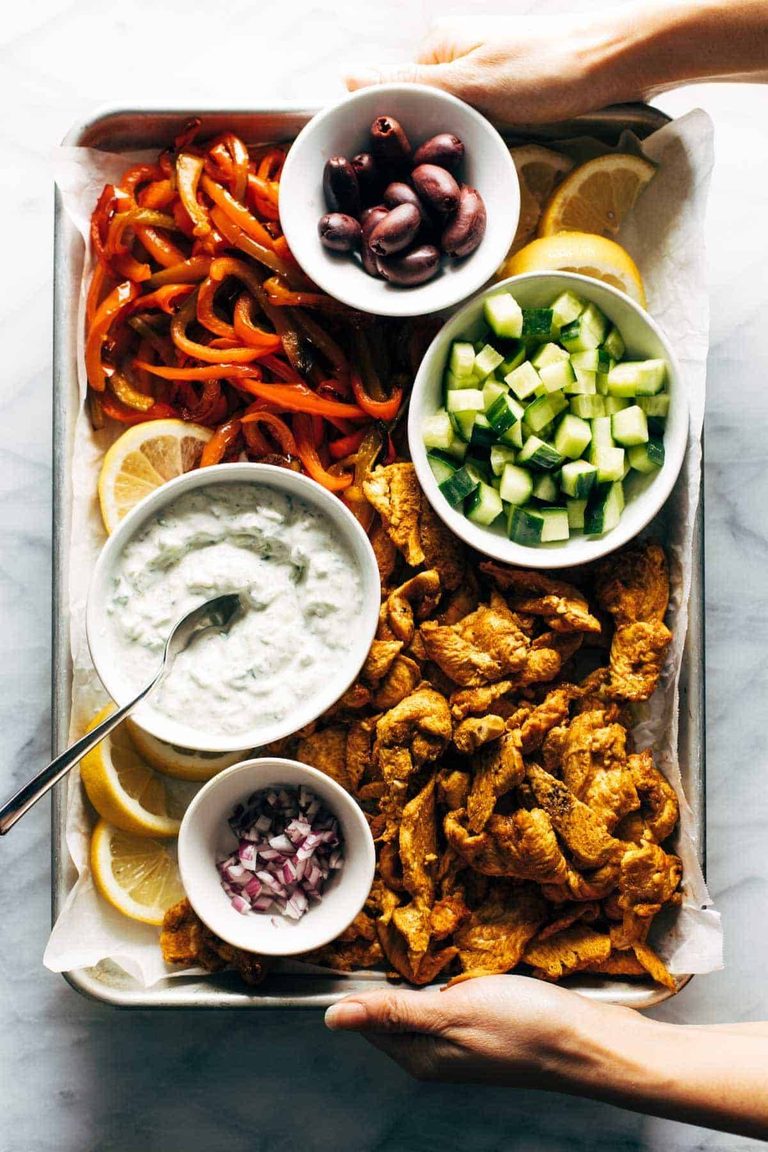
- Sheet Pan Chicken Pitas with Tzatziki: This dish utilizes the oven to roast seasoned chicken strips which are then paired with fresh elements. It represents a hybrid approach where the oven provides the warm base for a meal that is finished with cold, crisp additions like tzatziki.
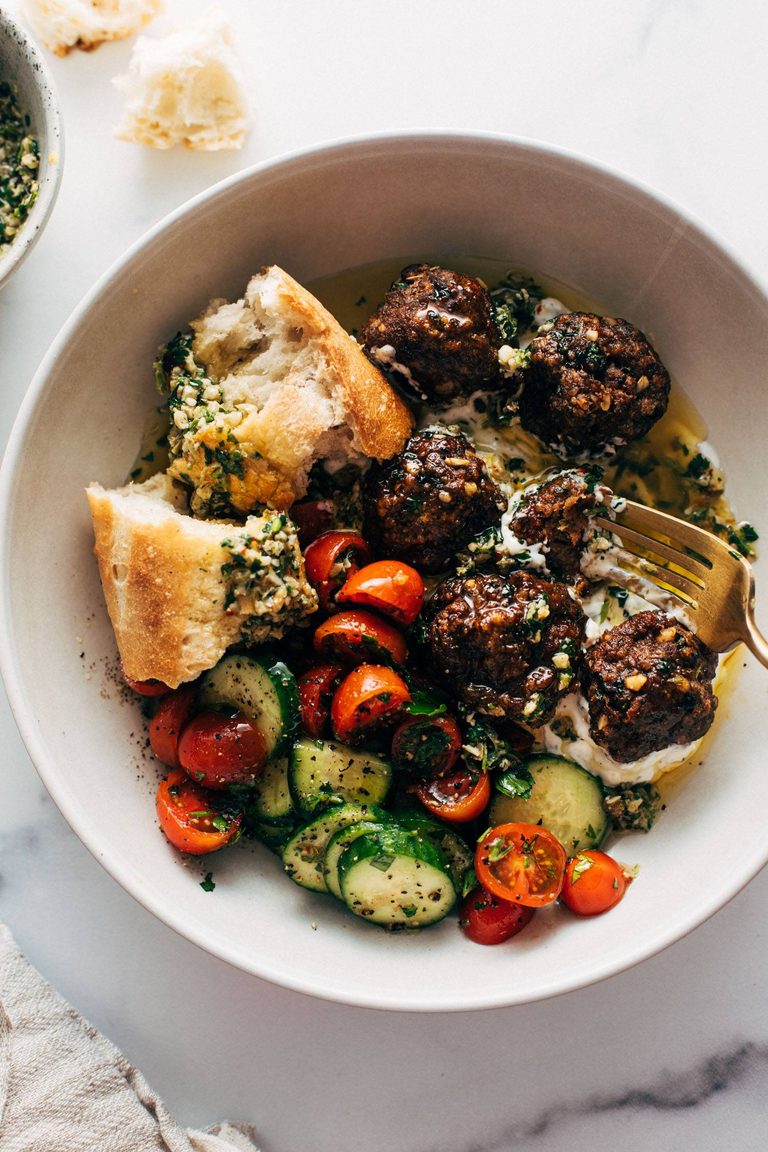
- Sheet Pan Meatballs with Tomato Salad and Green Sauce: By roasting meatballs on a tray, cooks achieve a uniform sear without the need for constant monitoring on a stovetop. The addition of a zesty green sauce and briney elements provides a sophisticated flavor profile usually associated with restaurant-style dining.
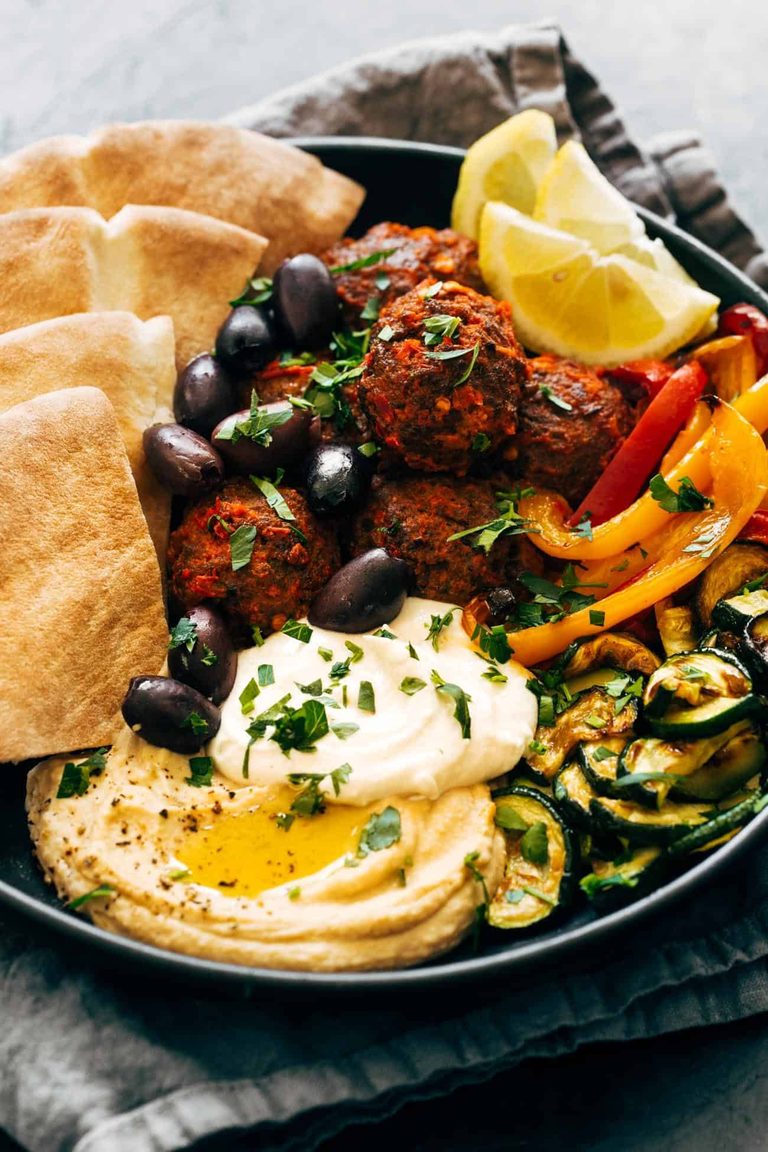
- Harissa Meatballs with Whipped Feta: This "SOS" (Save Our Supper) dinner highlights the use of store-bought shortcuts, such as pre-made meatballs, combined with fresh bell peppers and zucchini. The harissa provides a North African flavor profile that elevates the convenience of the ingredients.
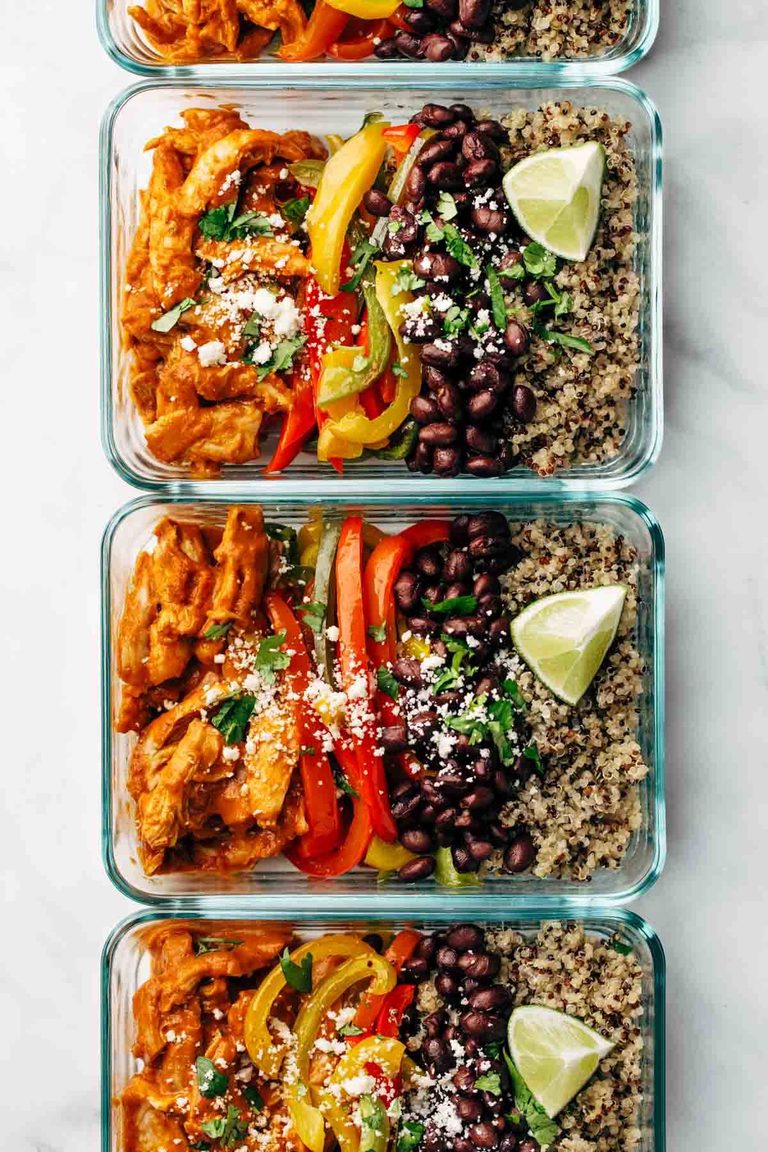
- Sheet Pan Chicken Tinga Bowls: Achieving a meal in just 15 minutes, this recipe demonstrates the maximum efficiency possible when ingredients are sliced thinly and roasted at high temperatures.
- Sheet Pan Garlic Ginger Chicken & Broccoli: A staple of healthy meal prepping, this dish avoids refined sugars, relying on the natural caramelization of the vegetables and the potency of fresh aromatics to provide depth.
- Garlic and Black Pepper Beef Skewers: By using the sheet pan to caramelize thinly sliced steak, the recipe avoids the uneven cooking often found with traditional grilling, ensuring a juicy result.
Seafood and Coastal Influences
Seafood is particularly suited for the sheet pan because of its rapid cooking time, which often aligns perfectly with the roasting requirements of tender spring vegetables.
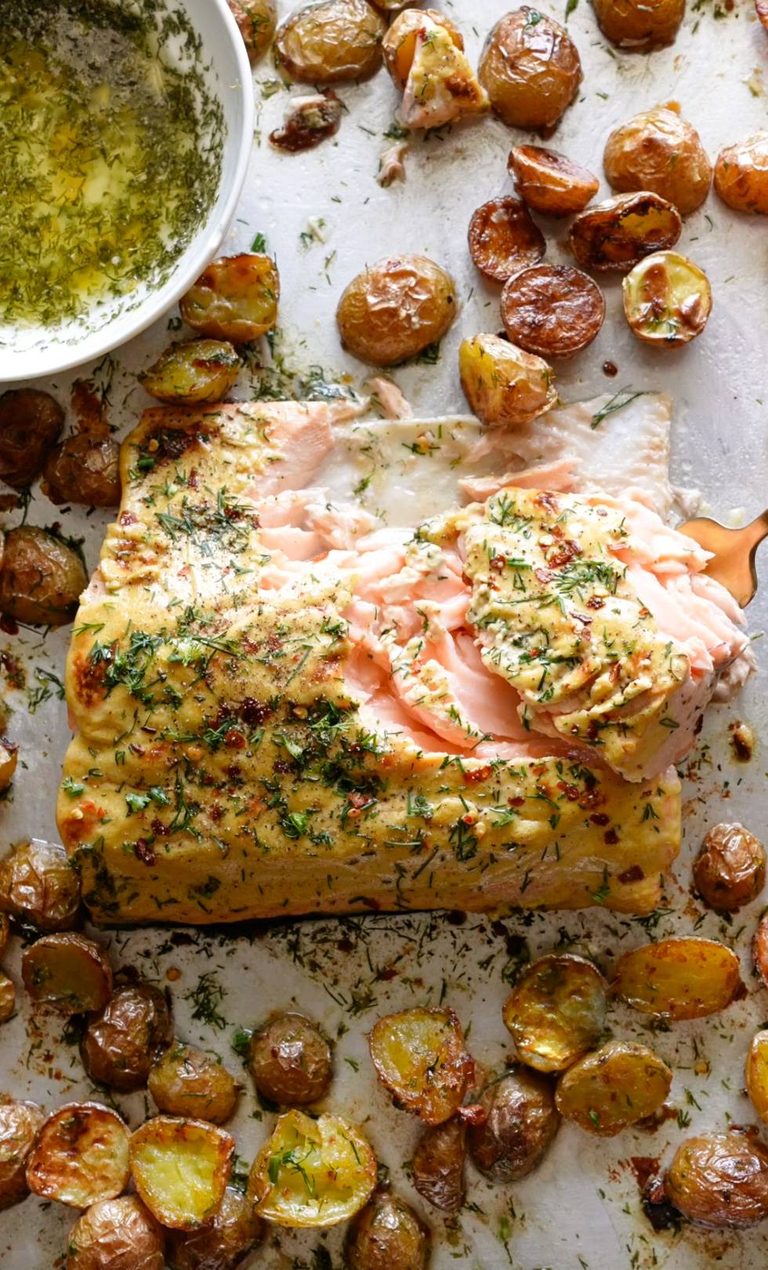
- Sheet Pan Salmon with Dill Potatoes: A family favorite that pairs the healthy fats of salmon with the comfort of roasted potatoes, all unified by a garlic dill butter sauce.
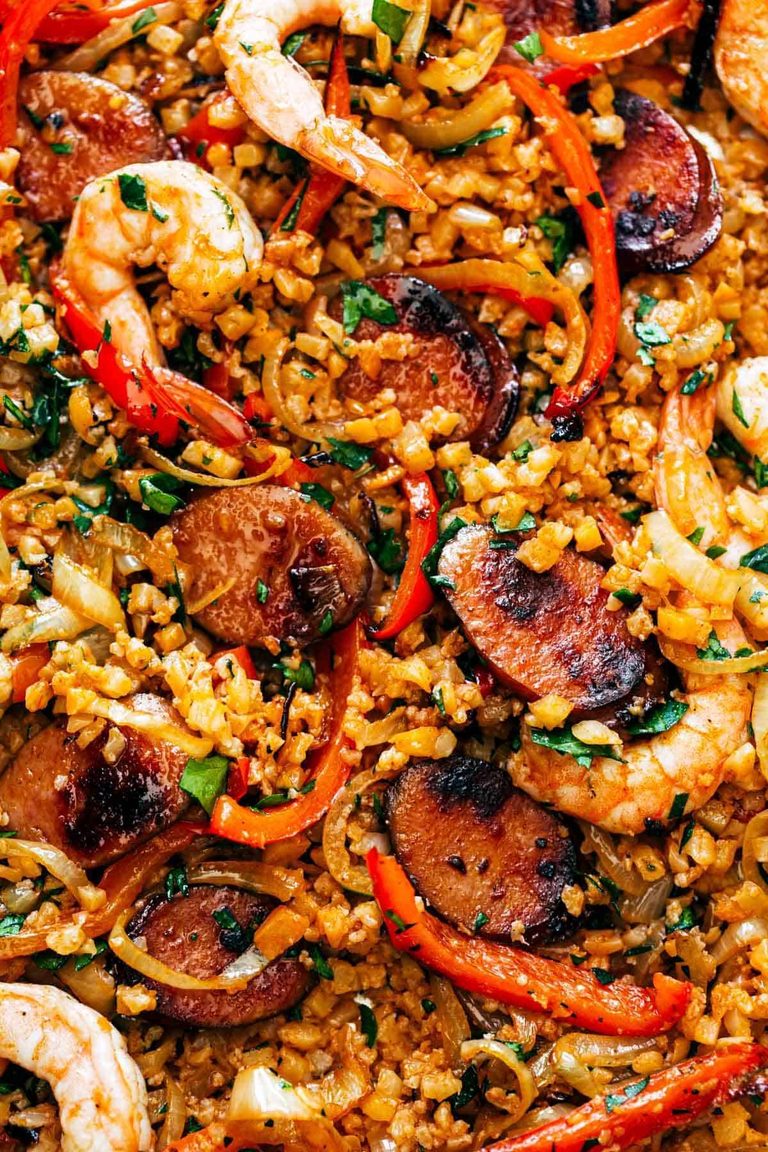
- Sheet Pan Jambalaya: This adaptation of the Creole classic replaces the traditional heavy pot with a tray, roasting sausage, shrimp, and cauliflower rice together to achieve a concentrated flavor profile with minimal moisture retention.
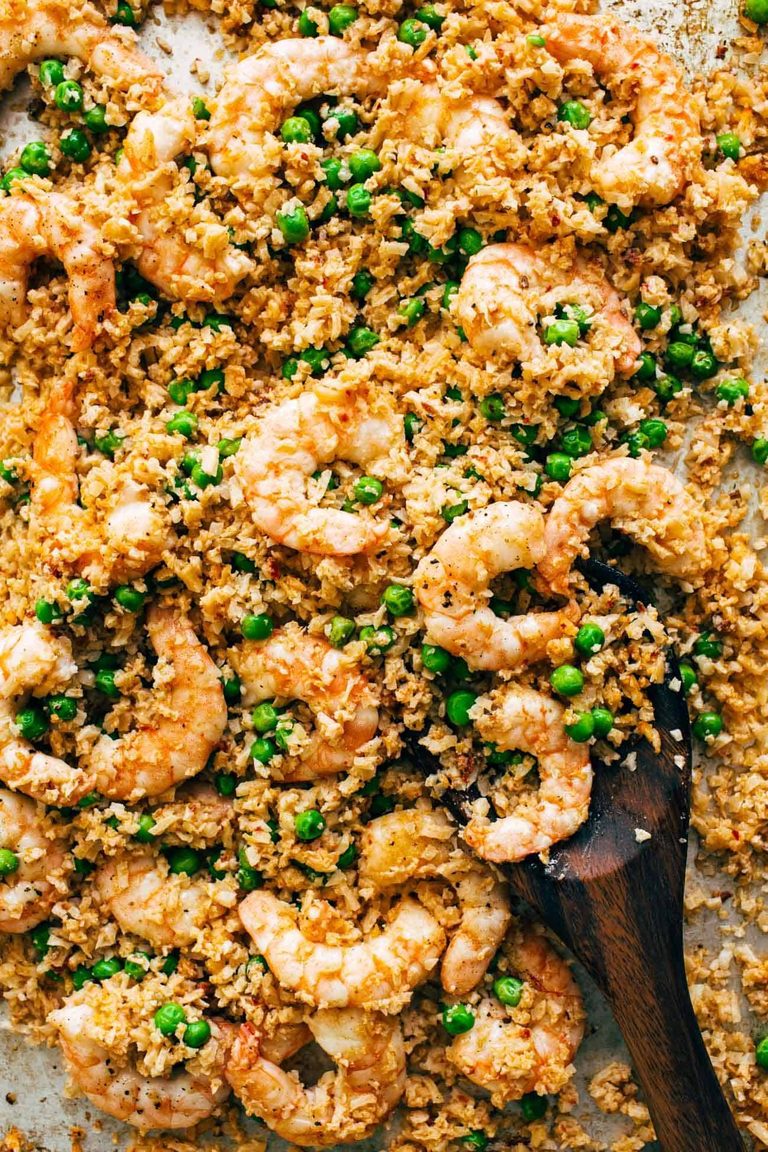
- Sheet Pan Shrimp and Cauli Rice: A "springy" meal that uses Rosso pesto and peas to create a light, nutrient-dense dinner that requires almost zero active cooking time once in the oven.
- Baked Salmon with Lemon Sauce: Labeled as "bistro-style," this meal focuses on the synergy between crispy potatoes and a life-changing lemon sauce, proving that sheet pan meals can reach gourmet standards.
- Spring Salmon with Creamed Leeks and Asparagus: This recipe introduces a luxury element through a buttery leek sauce, demonstrating that the sheet pan can handle delicate textures alongside robust roasted vegetables.
Plant-Based and Vegetarian Innovations
The sheet pan has become a vital tool for the vegetarian and vegan community, as roasting is the most effective way to enhance the texture of plant-based proteins and cruciferous vegetables.
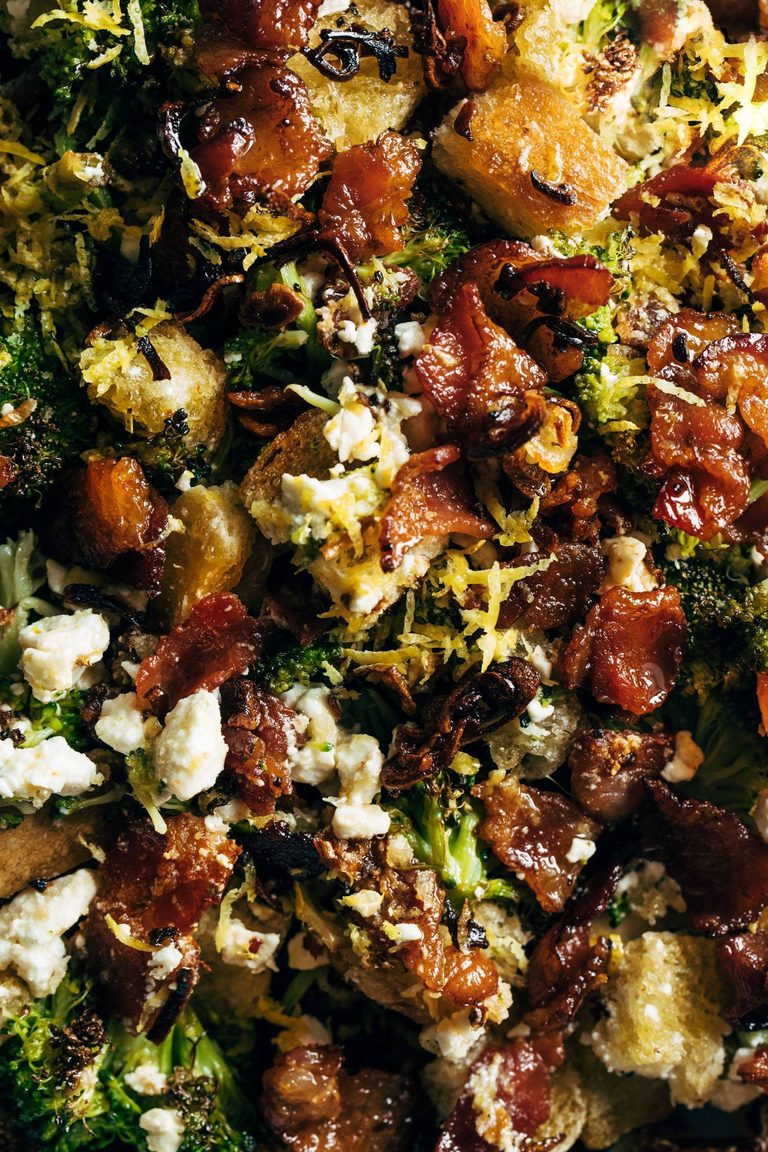
- Liz’s Roasted Broccoli Salad: Centered around a "hero" ingredient of roasted broccoli, this salad incorporates lemon, feta, and bacon (or vegetarian alternatives) to create a meal that is both bright and filling.
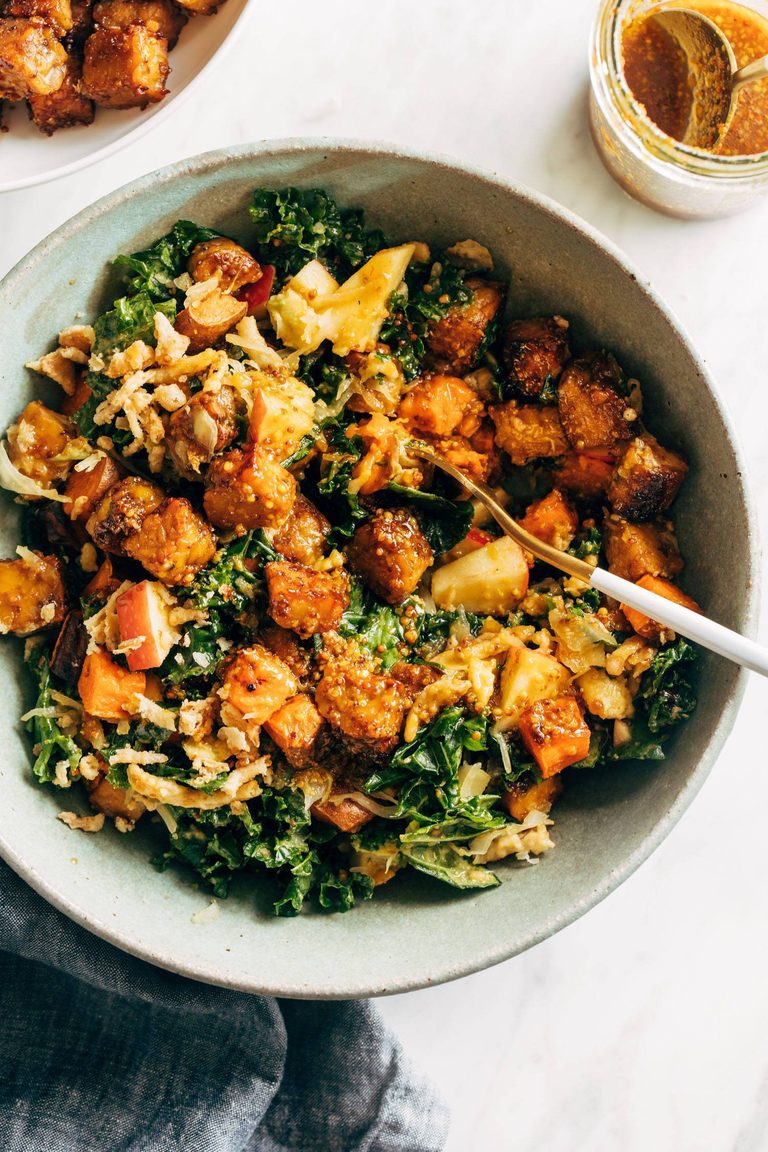
- Fall Favorite Maple-Mustard Tempeh Bowls: This dish highlights the seasonal adaptability of the method, using sweet potatoes and marinated tempeh to create a hearty autumn meal, finished with the probiotic benefits of sauerkraut.
- Cauliflower Walnut Vegetarian Taco Meat: A significant innovation in meat alternatives, this "meatless miracle" uses a blend of cauliflower and walnuts, which, when roasted, mimic the texture of ground beef.
- Vegan Sheet Pan Fajitas with Chipotle Queso: By using portobello mushrooms as a "steak-like" substitute and a cashew-based queso, this recipe offers a high-flavor, plant-based alternative to traditional Mexican cuisine.
- Roasted Vegetable Bowls with Green Tahini: A masterclass in texture, this meal combines crispy roasted vegetables with the creaminess of avocado and a tahini drizzle.
Specialized and Global Twists
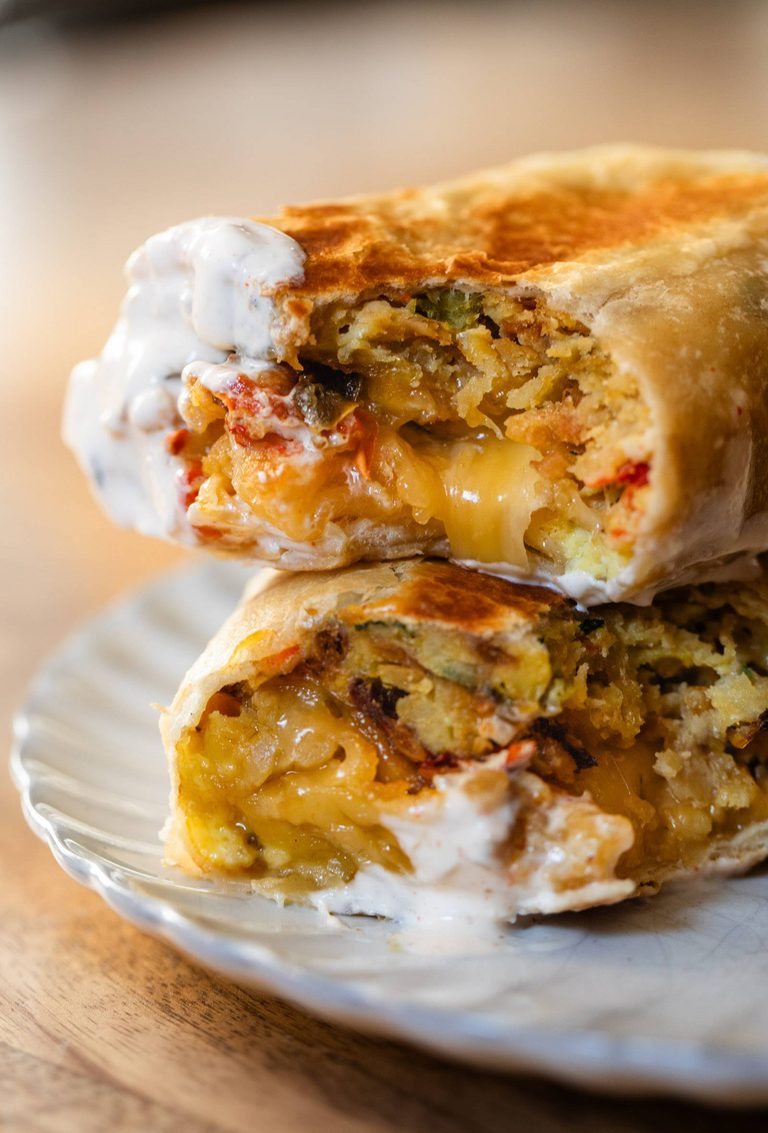
- Sheet Pan Breakfast Burritos: Proving that the sheet pan is not limited to dinner, this recipe uses the oven to scramble eggs and roast garlic veggies simultaneously, streamlining the production of multiple burritos for a crowd.
- Apricot Chicken with Charred Scallions: This dish utilizes the high heat of the oven to char scallions, creating a smoky contrast to the sweetness of apricot-glazed chicken.
- Roasted Tomato Puttanesca: A reimagining of the Italian classic where the sauce is "built" on the pan through the bursting of cherry tomatoes and the roasting of olives and capers.
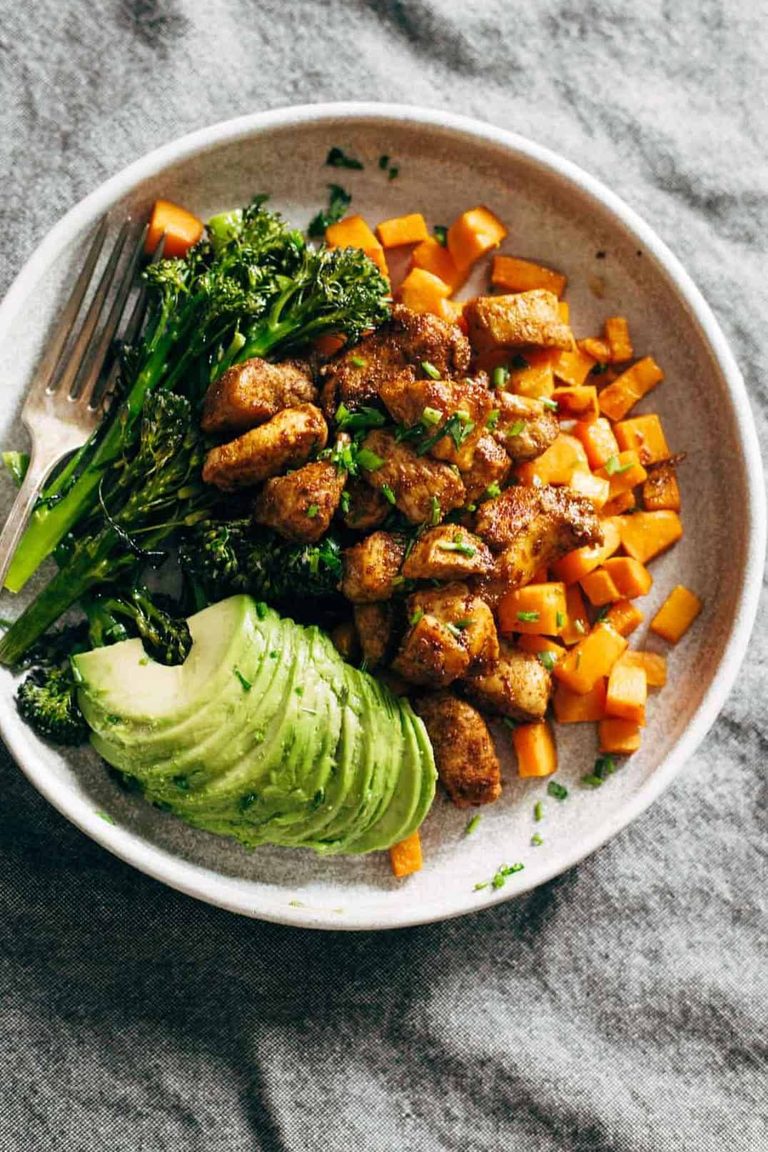
- Sheet Pan Chicken and Sweet Potato Meal Prep: Specifically designed for long-term planning, this method utilizes three pans and 45 minutes to secure a week of healthy lunches.
Technical Specifications and Equipment Standards
The success of a sheet pan dinner is heavily dependent on the quality of the hardware utilized. In the professional culinary world, the "half sheet pan" is the industry standard. Experts frequently recommend brands like Nordic Ware for their durability and heat conductivity.
Data on kitchenware performance indicates that heavy-gauge aluminum pans are superior to thinner, non-stick alternatives for several reasons:
- Warp Resistance: High-quality pans maintain their shape at 400°F (204°C) or higher, ensuring even heat distribution.
- Heat Conductivity: Aluminum is an excellent conductor, allowing for the "Maillard reaction"—the chemical reaction between amino acids and reducing sugars that gives browned food its distinctive flavor.
- Versatility: Having a range of sizes—full sheet, half sheet, and quarter sheet—allows the cook to adjust the "crowding" of the pan. Crowding leads to steaming, while proper spacing leads to roasting and crisping.
Broader Impact on Household Health and Economics
The shift toward sheet pan dinners has broader implications for public health and household economics. By simplifying the cooking process, these recipes lower the barrier to entry for home cooking, which is statistically linked to lower caloric intake and reduced consumption of processed sodium and sugars.
Furthermore, the "one-pan" method is inherently economical. It encourages the use of seasonal vegetables and allows for the bulk preparation of proteins, which can reduce grocery expenditures by up to 20% compared to daily "on-the-fly" shopping. The flexibility of these recipes also serves to reduce food waste, as the roasting method can revitalize slightly wilted vegetables that might otherwise be discarded.
Conclusion: The Future of the Streamlined Kitchen
As we look toward the future of domestic life, the "heavy lifting" performed by the oven in these 20 recipes represents a wider move toward automation and efficiency in the home. The sheet pan dinner is more than a culinary shortcut; it is a refined system of time management that allows for the maintenance of high nutritional standards in an increasingly fast-paced world. By mastering the balance of textures and flavors on a single tray, the modern home cook reclaims time without sacrificing the quality of the evening meal. Whether it is a spicy chicken tinga or a delicate spring salmon, the message is clear: the most effective solutions are often the simplest ones.