The Global Resurgence of Banoffee Pie and the Evolution of Community-Based Culinary Traditions


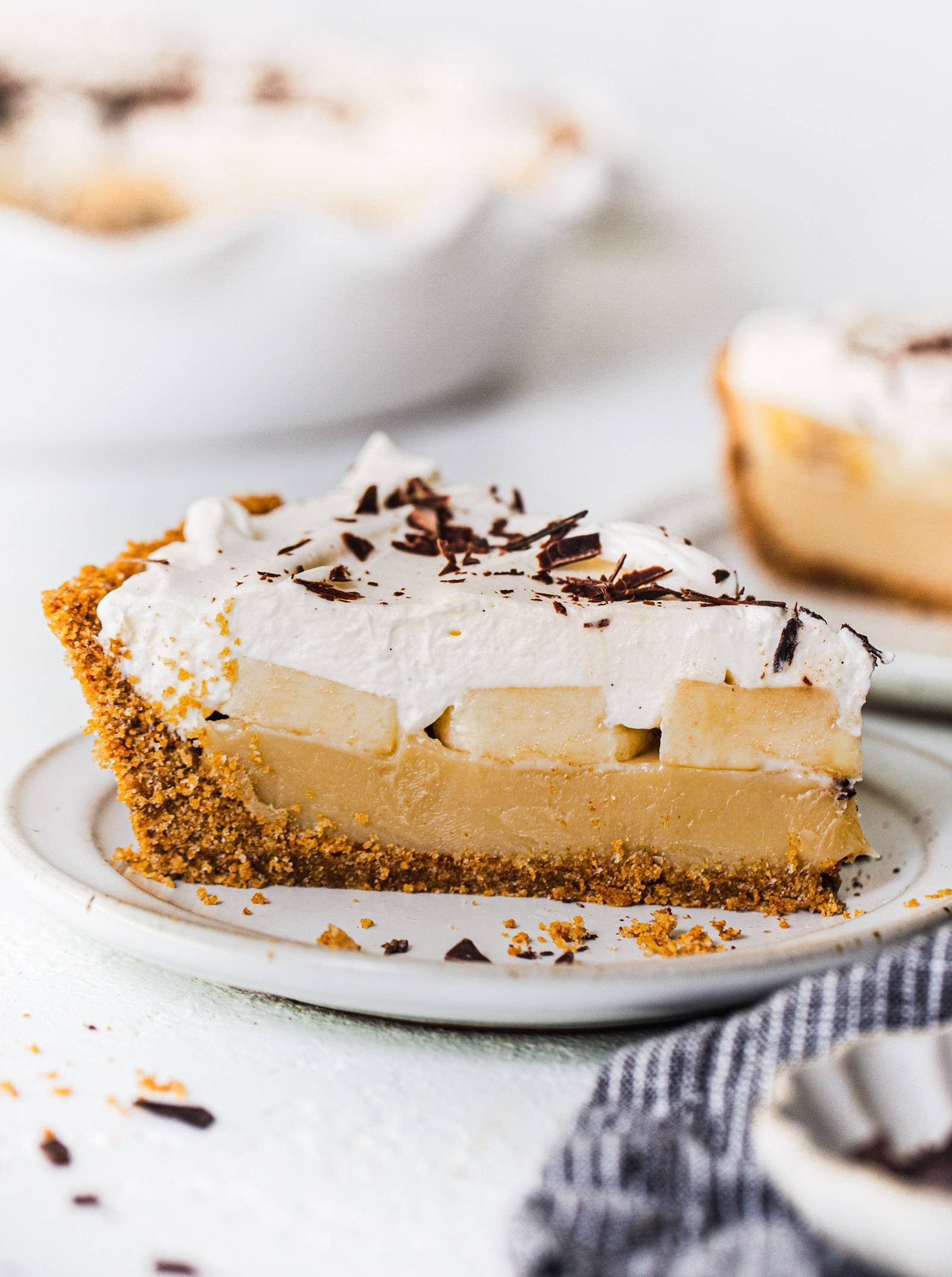
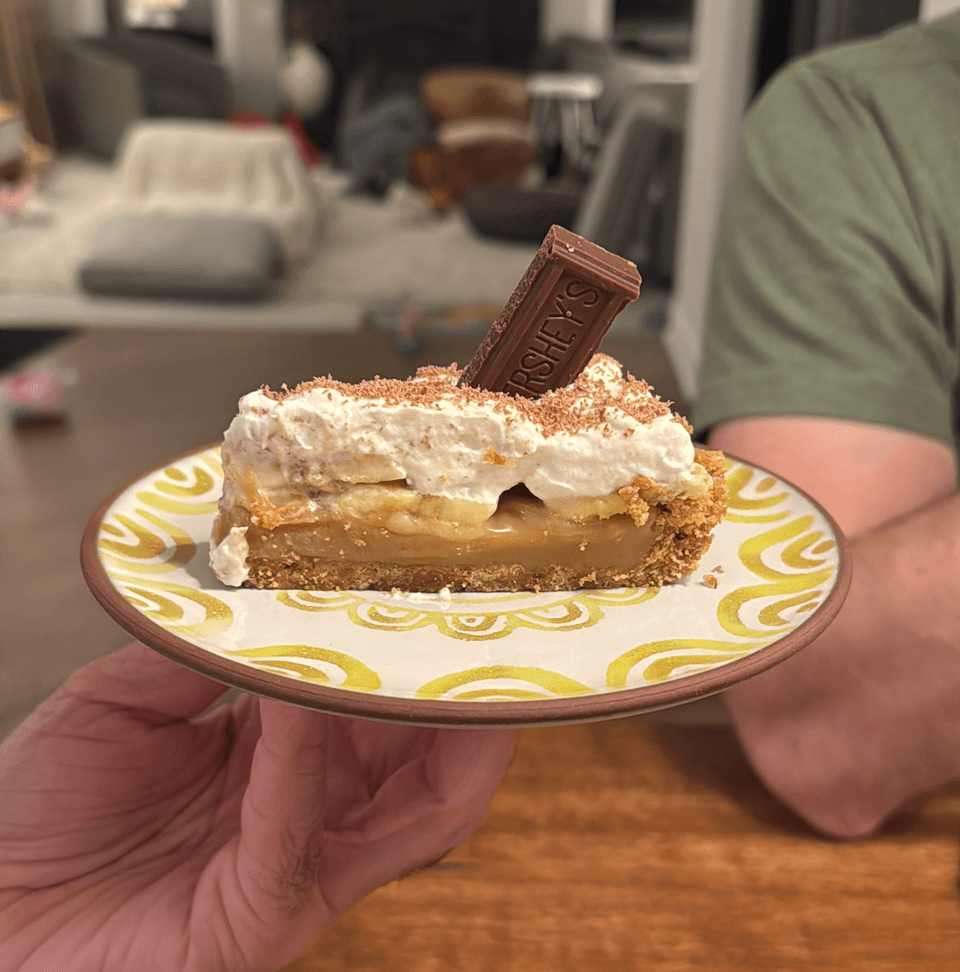
The culinary landscape of the early 21st century has been significantly reshaped by the intersection of digital media and traditional home baking, a phenomenon exemplified by the recent viral resurgence of the Banoffee Pie. This classic British dessert, characterized by its distinctive layers of graham cracker crust, silky toffee filling, fresh bananas, and whipped cream, has transitioned from a mid-century restaurant staple to a cornerstone of modern community-building initiatives. Central to this movement is the "Family Dessert Night" concept, a structured weekly tradition that leverages high-quality, accessible recipes to foster social cohesion and domestic joy. By examining the technical composition of the dessert, its historical origins, and its role in contemporary social dynamics, one can observe how a singular recipe can act as a catalyst for broader cultural and communal engagement.
Historical Origins and the Evolution of a British Classic
To understand the current popularity of Banoffee Pie, it is essential to trace its lineage back to 1971. The dessert was originally conceived at The Hungry Monk Restaurant in Jevington, East Sussex, England. The owner, Nigel Mackenzie, and his chef, Ian Dowding, developed the recipe as an adaptation of an American "Blum’s Coffee Toffee Pie." After several failed attempts to perfect the original American version, Mackenzie suggested the addition of bananas, a fruit that provided the necessary textural contrast and sweetness to balance the richness of the toffee. The name itself—a portmanteau of "banana" and "toffee"—was coined by Mackenzie, and the dish quickly became a sensation, eventually being recognized as a staple of British confectionery.
While the original British version typically utilizes a Digestive biscuit base and boiled condensed milk (dulce de leche), the recipe has undergone significant regional adaptations. In the United States, the substitution of a graham cracker crust—a salty-sweet foundation—has become the standard. This modification highlights the dessert’s versatility and its ability to integrate into various culinary cultures while maintaining its core identity: a multi-textured, "over-the-top" indulgence.

The Social Media Pipeline: From Discover Feeds to the Kitchen Table
The modern rediscovery of Banoffee Pie is largely attributed to the democratization of culinary knowledge through social media platforms. Digital creators, such as Amy Nash, have utilized short-form video content to introduce international classics to a global audience. This "Discover Feed" phenomenon acts as a bridge between professional techniques and home application. When a recipe like Banoffee Pie is highlighted by influential culinary figures, it often sparks a ripple effect, leading to community-wide challenges and shared experiences.
The transition from viewing a digital video to executing a physical recipe represents a significant shift in consumer behavior. It marks a move away from passive consumption toward active participation. In this context, the Banoffee Pie is not merely a food item but a shared project. The simplicity of the recipe—requiring no complex baking maneuvers but demanding patience and precision in the toffee-making process—makes it an ideal candidate for viral dissemination.
Technical Methodology: The Chemistry of Toffee and Crust
The success of a Banoffee Pie depends on the successful execution of three distinct layers, each requiring a specific understanding of food science and temperature control.
The Foundation: The Graham Cracker Crust
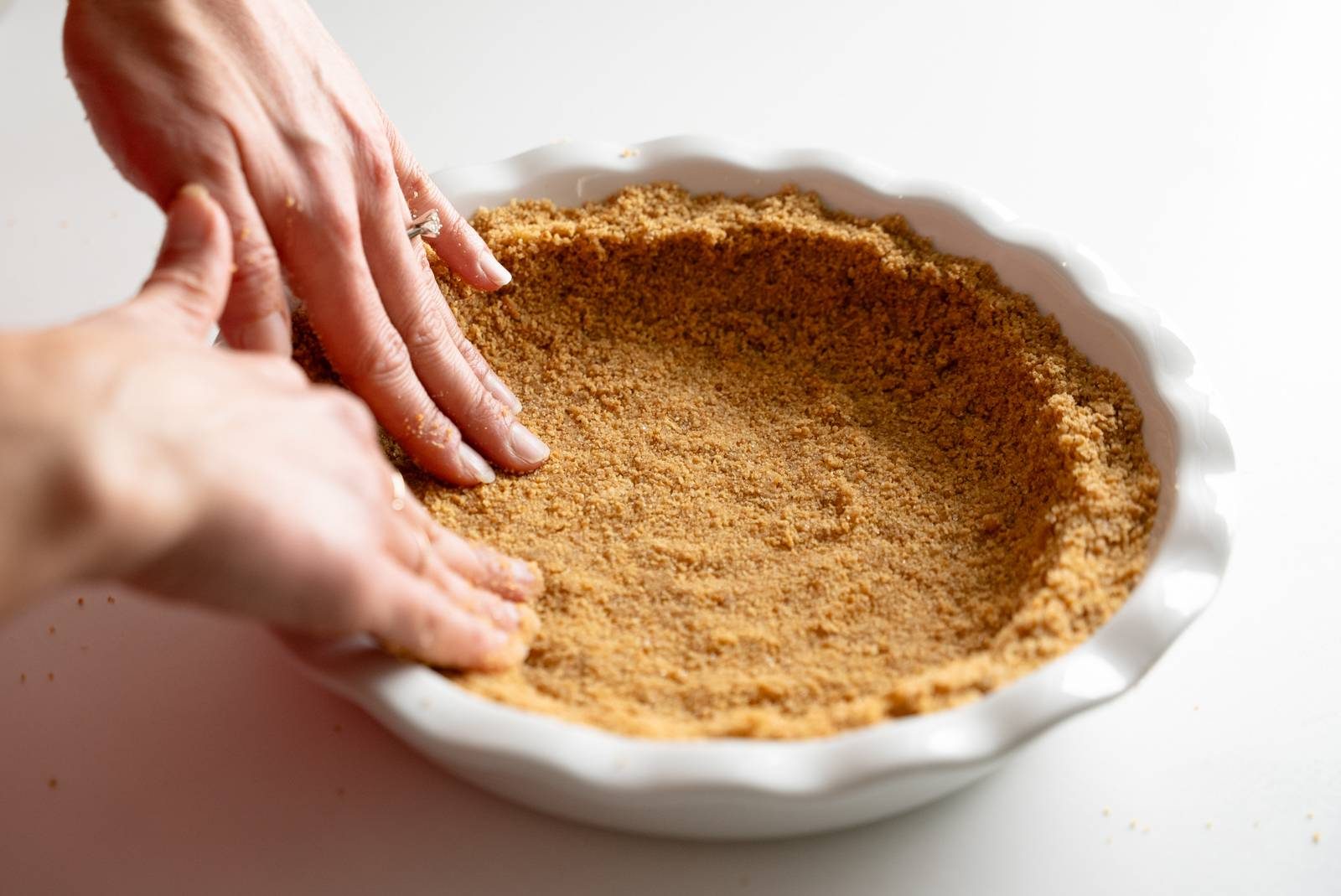
The crust serves as the structural and flavor anchor of the pie. Composed of crushed graham crackers, melted butter, and often a hint of salt, this layer relies on the cooling process to solidify. The ratio of fat to dry crumb is critical; too much butter results in a greasy base, while too little leads to a crumbling structure that cannot support the heavy toffee layer.

The Core: Silky Toffee Filling
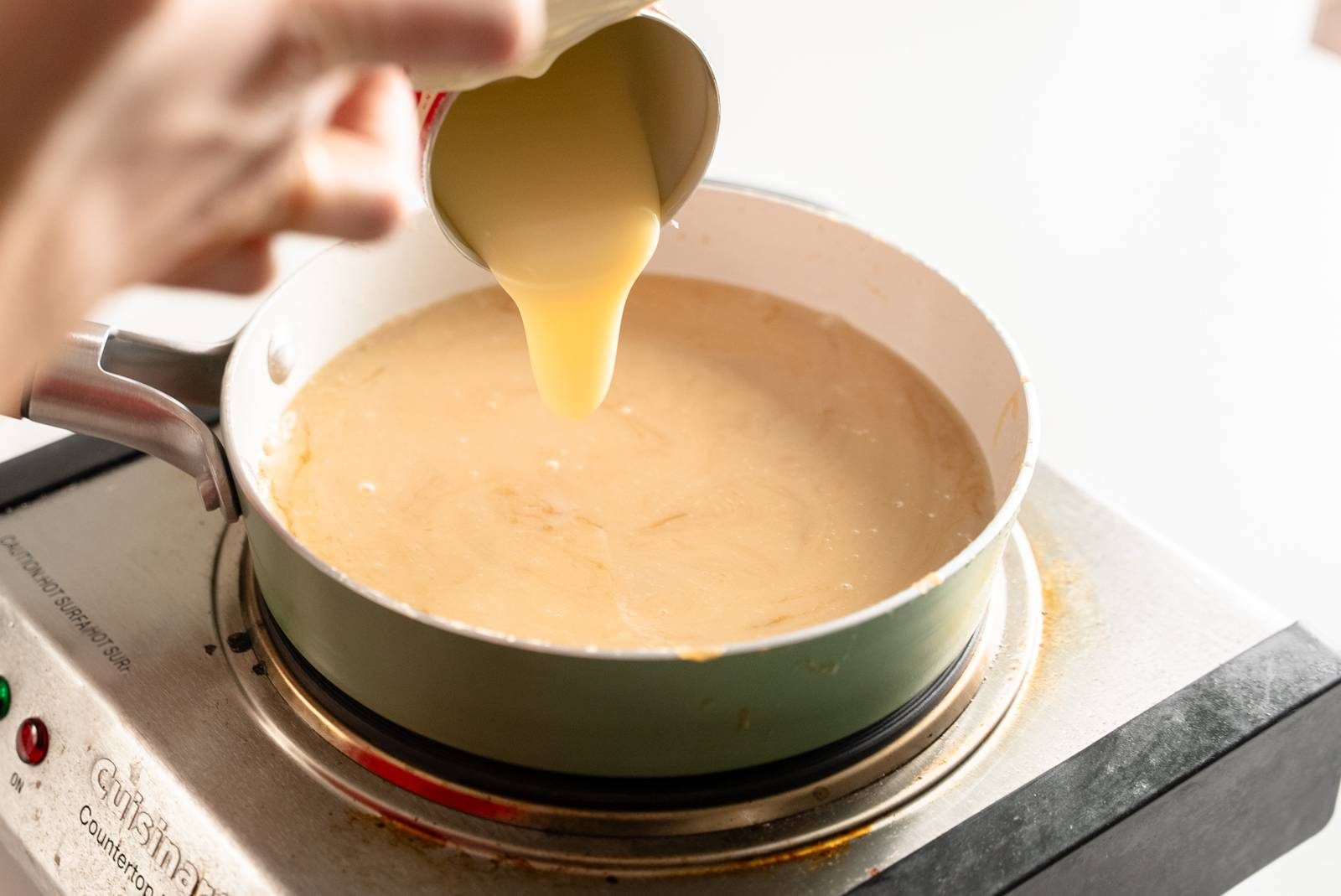
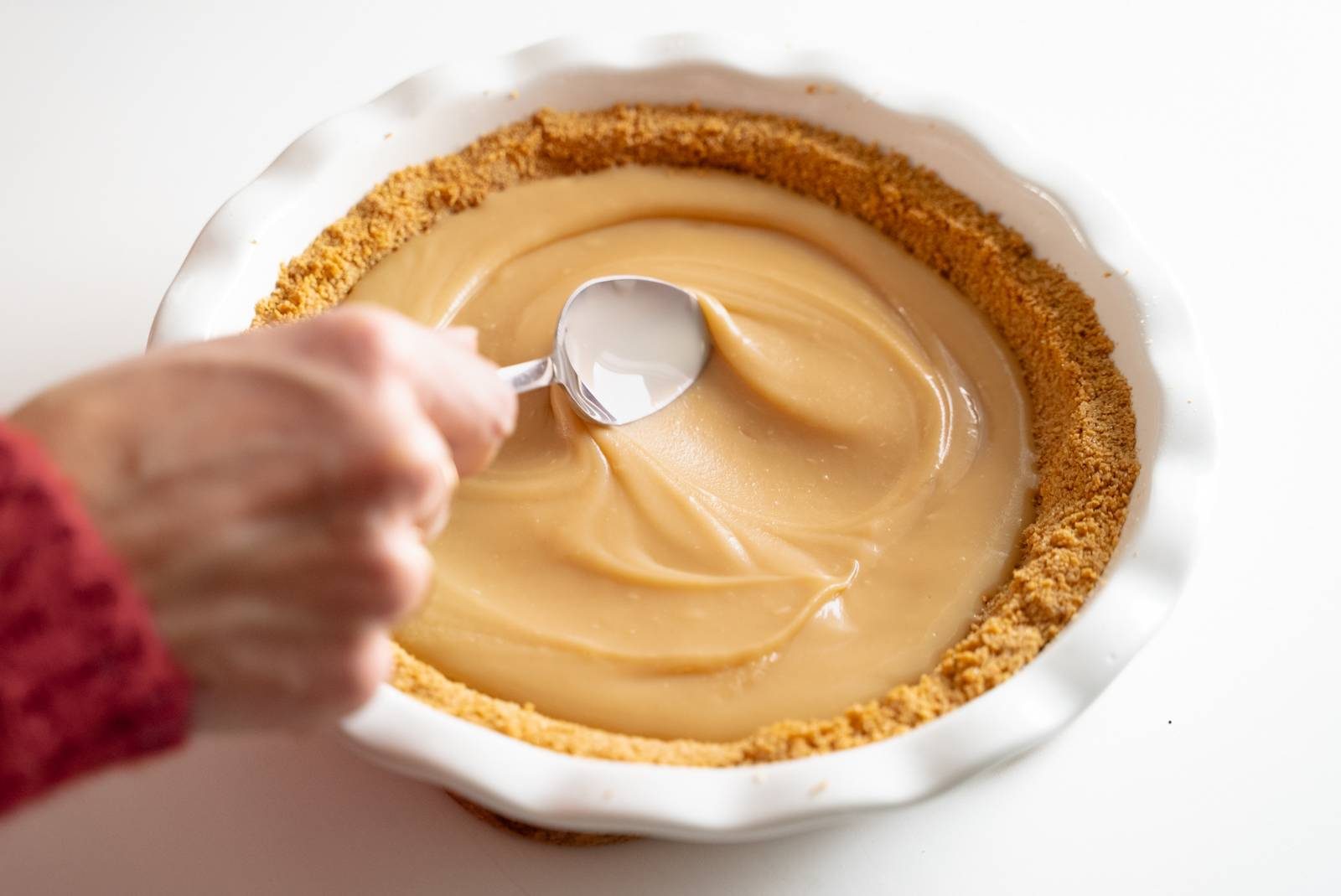
The toffee layer is the most technically demanding aspect of the recipe. Unlike traditional hard toffees, the Banoffee filling must remain "silky"—firm enough to hold its shape when sliced but soft enough to provide a creamy mouthfeel. This is achieved through a "low and slow" heating method. Constant stirring is required to prevent the milk solids in the butter and sugar from scorching. The process involves the Maillard reaction, where heat creates a complex flavor profile and a deep amber color. Professional bakers often note that minor browning or flecks of caramelized sugar are acceptable, as they contribute to an authentic, artisanal aesthetic.
The Assembly: Fruit and Aeration
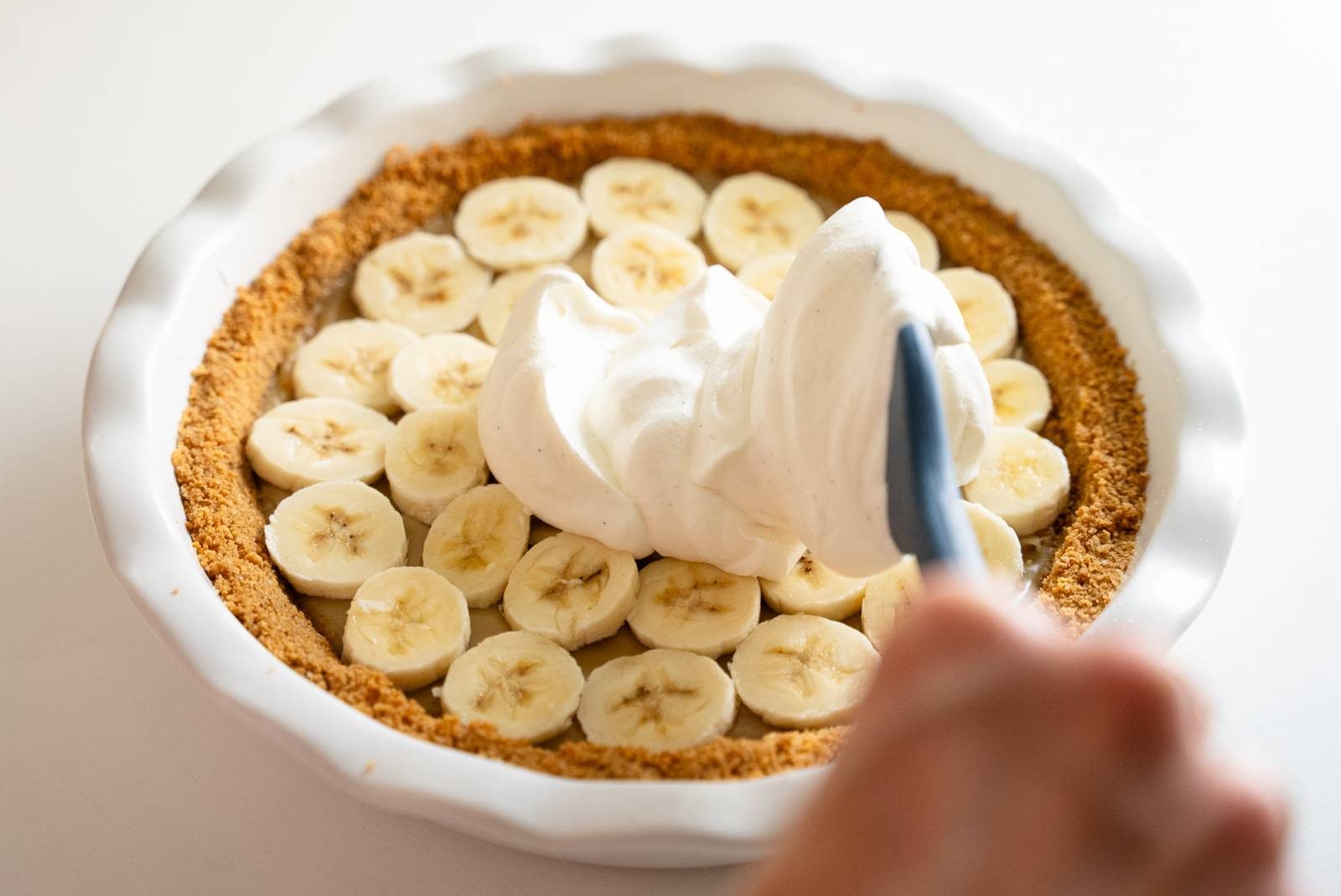
The final layers—sliced bananas and whipped cream—provide the necessary freshness to counteract the density of the toffee. The bananas must be ripe but firm to ensure they do not turn to mush under the weight of the cream. The whipped cream serves as a stabilizer and a palate cleanser. For a professional finish, many culinary experts recommend a light dusting of cocoa powder or a square of chocolate on top to provide a bitter counterpoint to the sweetness.
The "Family Dessert Night" Movement and Community Impact
Beyond the technicalities of the kitchen, the Banoffee Pie has become the flagship dish for "Family Dessert Night," a burgeoning social trend aimed at reclaiming the dinner table for communal interaction. In an era characterized by digital isolation and busy schedules, the establishment of a dedicated "Dessert Night" serves several sociological functions:
- Routine and Stability: Setting aside a specific night (such as Thursday) for a shared treat provides a sense of rhythm and anticipation for families.
- Community Building: The act of inviting neighbors or friends to share a "winner" recipe like Banoffee Pie facilitates low-stakes social networking and strengthens neighborhood ties.
- Joy as a Metric: In a professionalized world, the "no reason except joy" philosophy behind these gatherings serves as a psychological buffer against stress.
Statistical trends in home baking suggest that since 2020, there has been a 25% increase in "intentional communal dining" events in suburban households. Recipes that are "rich and dense" are preferred for these occasions, as they encourage portion control and lingering conversation over a single, high-quality slice.
Logistical Considerations and Consumer Trends
While the Banoffee Pie is celebrated for its flavor, it presents specific logistical challenges for the home cook. The "timeline of preparation" is a crucial factor in its success. Because the bananas are prone to oxidation (browning) and the whipped cream can release moisture over time, the dessert is best served on the day of assembly.
From a consumer standpoint, the Banoffee Pie fits into the "affordable luxury" category. The ingredients—bananas, butter, condensed milk, and graham crackers—are relatively inexpensive, yet the final product offers a gourmet experience that rivals high-end patisseries. This makes it an economically viable option for families looking to host gatherings without the expense of a full catering service.
Nutritional and Economic Implications
As with any dessert categorized as "over-the-top," the Banoffee Pie carries a high caloric density. It is an unapologetic indulgence, high in saturated fats and sugars. However, within the context of a balanced diet, such desserts are increasingly viewed through the lens of "mindful indulgence." The richness of the toffee naturally encourages smaller serving sizes, which can be more satisfying than larger quantities of less flavorful, processed sweets.
The economic impact of these viral recipes is also felt in the retail sector. Grocery chains often report spikes in the sale of specific items—such as sweetened condensed milk or graham crackers—following the viral success of a specific recipe. This "influencer-to-aisle" pipeline demonstrates the power of digital food journalism in driving real-world commerce.
Conclusion: The Future of the Global Dessert Exchange
The Banoffee Pie’s journey from a quiet village in East Sussex to the center of global "Family Dessert Nights" illustrates the enduring power of classic flavors and the efficiency of modern communication. It proves that despite the rapid pace of culinary innovation, there remains a profound human desire for the "salty-sweet," the "creamy," and the "silky."
As communities continue to adopt initiatives like Family Dessert Night, the Banoffee Pie stands as a testament to the fact that the most successful recipes are those that offer more than just sustenance; they offer a reason to gather, a subject for conversation, and a shared moment of joy. Whether it is the satisfaction of a perfectly set toffee or the simple pleasure of a buttery crumb, the Banoffee Pie remains a clear winner in the evolving landscape of global confectionery. Future culinary trends will likely continue to draw from these "over-the-top" classics, proving that in the world of desserts, some traditions are truly timeless.