Emerging Trends in Digital Entertainment and Lifestyle Curation Following the Release of Amy Poehler and Fred Armisen Collaborative Media

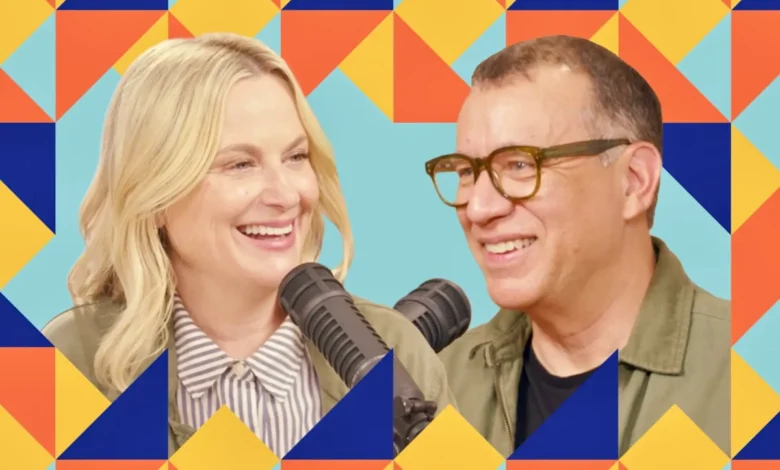
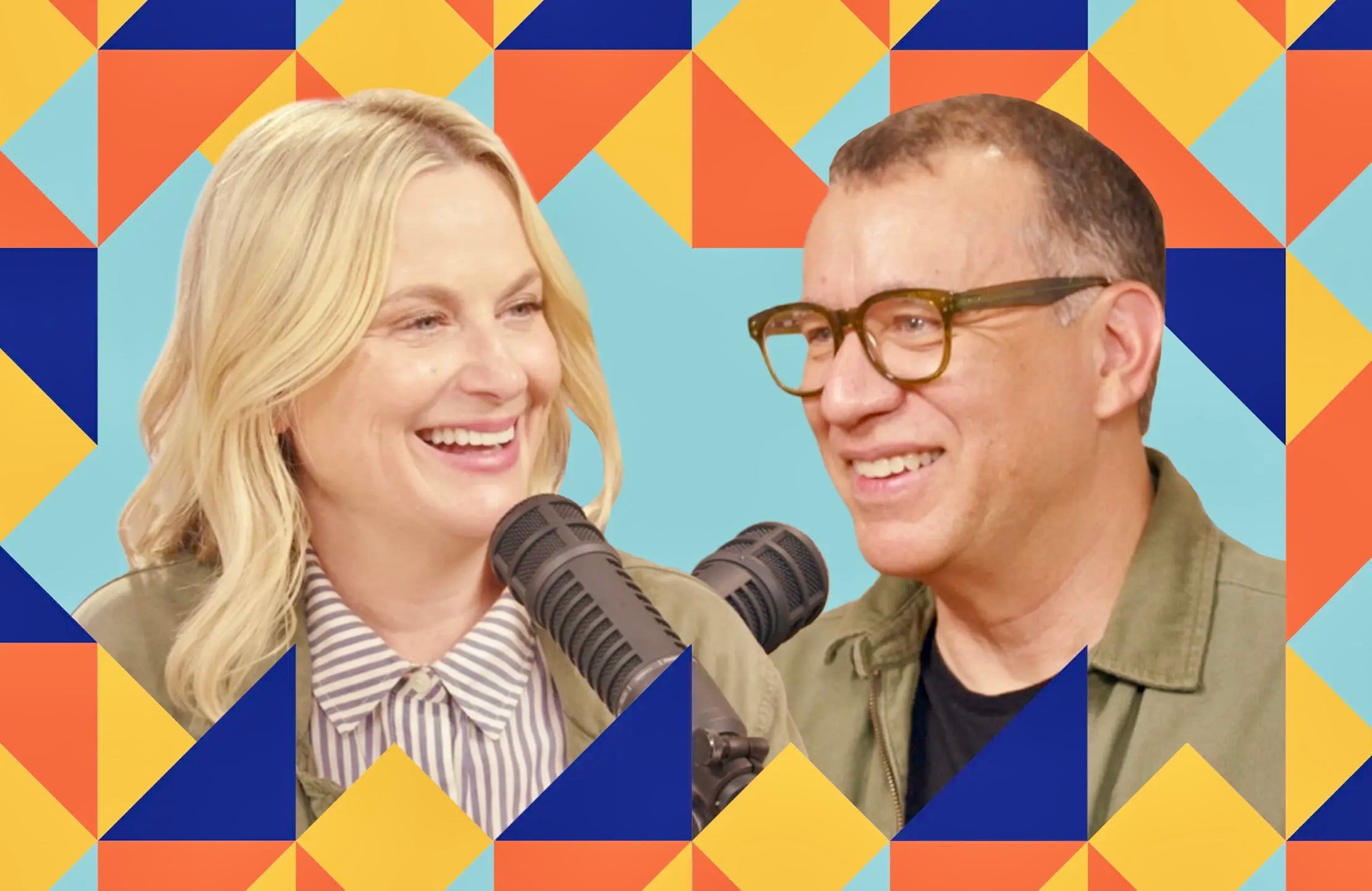
The landscape of digital media and lifestyle curation has seen a significant uptick in engagement following the release of high-profile comedic collaborations and the seasonal shift in consumer retail preferences. Central to this cultural moment is the recent podcast episode featuring Amy Poehler and Fred Armisen, which has garnered attention for its improvisational depth and comedic timing. This resurgence of interest in long-form conversational media is occurring alongside a broader movement in the fashion and culinary sectors, as well as a robust season for literary fiction. Industry analysts suggest that the intersection of celebrity-driven content and curated lifestyle recommendations continues to play a pivotal role in shaping modern consumer habits.
The Evolution of Conversational Media: The Poehler-Armisen Dynamic
The podcasting industry, which is projected to reach a global market value of over $4 billion by the end of 2025, thrives on the chemistry between established personalities. The collaboration between Amy Poehler and Fred Armisen serves as a primary case study in this trend. Both veterans of Saturday Night Live (SNL), their professional history spans over two decades, allowing for a level of improvisational fluidity that is rarely seen in scripted formats.
During the episode, the duo engaged in a series of "bits" that have since trended across social media platforms. These include satirical takes on niche subjects such as the technicalities of the Alaskan Pipeline, the nuances of regional Texas accents, and the subculture of free climbing. This style of comedy, often referred to as "hyper-specific observation," has become a hallmark of Fred Armisen’s career, notably seen in his work on Portlandia. For Poehler, whose production company Paper Kite Productions has been a powerhouse in creating character-driven comedy, the podcast format offers a direct-to-consumer channel that bypasses traditional broadcast constraints.
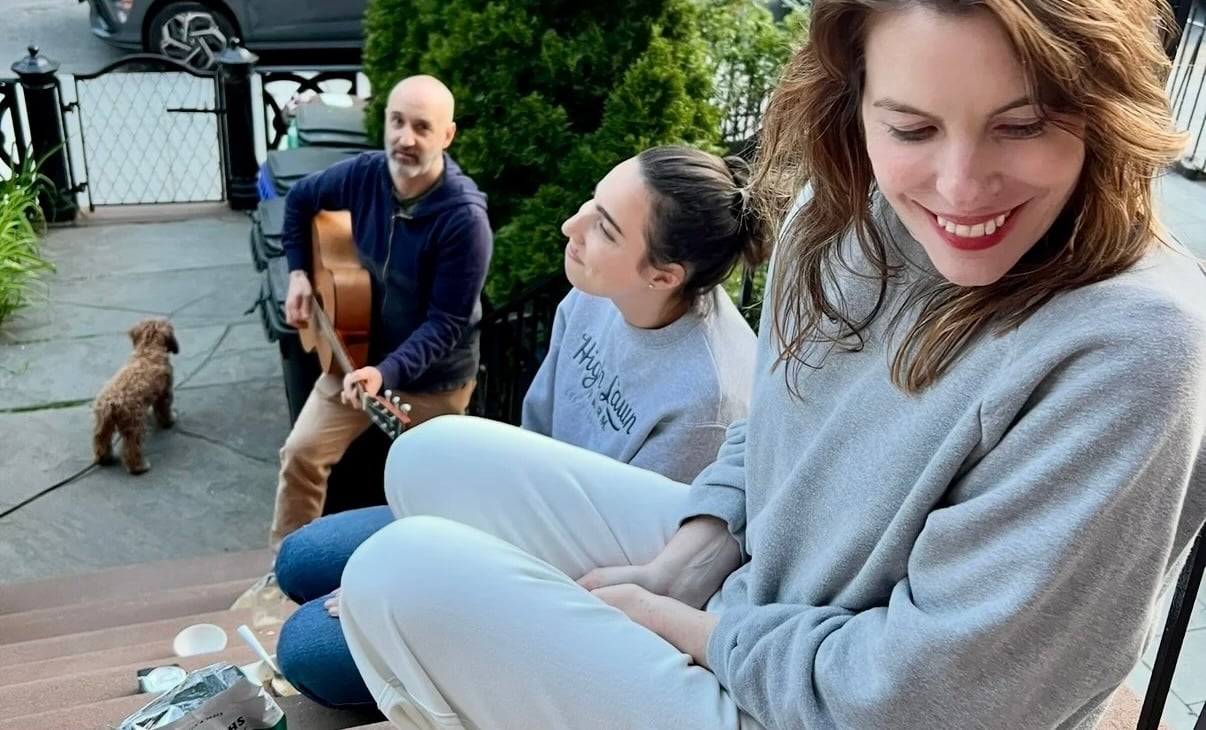
Data from digital streaming platforms indicates that episodes featuring "reunion" dynamics—where former colleagues revisit their creative chemistry—see a 25% higher retention rate than standard interview formats. This suggests that audiences are increasingly seeking authenticity and established rapport in their digital consumption.
Seasonal Retail Shifts and the Economics of Lifestyle Influence
As meteorological spring transitions into summer, the retail sector is experiencing a predictable but potent shift in consumer interest toward seasonal staples. In the realm of lifestyle curation, the "Joanna Goddard effect"—referring to the influence of long-standing lifestyle bloggers—remains a significant driver for specific apparel categories.
The current trend highlights a return to classic aesthetics, specifically the "all-white" wardrobe. Market analysis shows a 15% increase in searches for white denim and linen shirts during this fiscal quarter. Key items identified in recent trend reports include cropped trousers and high-end dresses that lean into the "quiet luxury" movement—a fashion trend characterized by high-quality materials and an absence of conspicuous branding.
Retail experts note that the psychological impact of weather on spending is profound. The "mood-boost" associated with the first clear days of the season often leads to a spike in discretionary spending on apparel. Influencers and curators facilitate this by providing direct links to "splurgy but stunning" items, effectively bridging the gap between aspirational viewing and transactional behavior. The integration of affiliate marketing within these lifestyle updates has become a cornerstone of the digital economy, allowing curators to monetize their aesthetic choices while providing consumers with a streamlined shopping experience.
Culinary Trends: The Gourmet Transformation of Nostalgic Appetizers
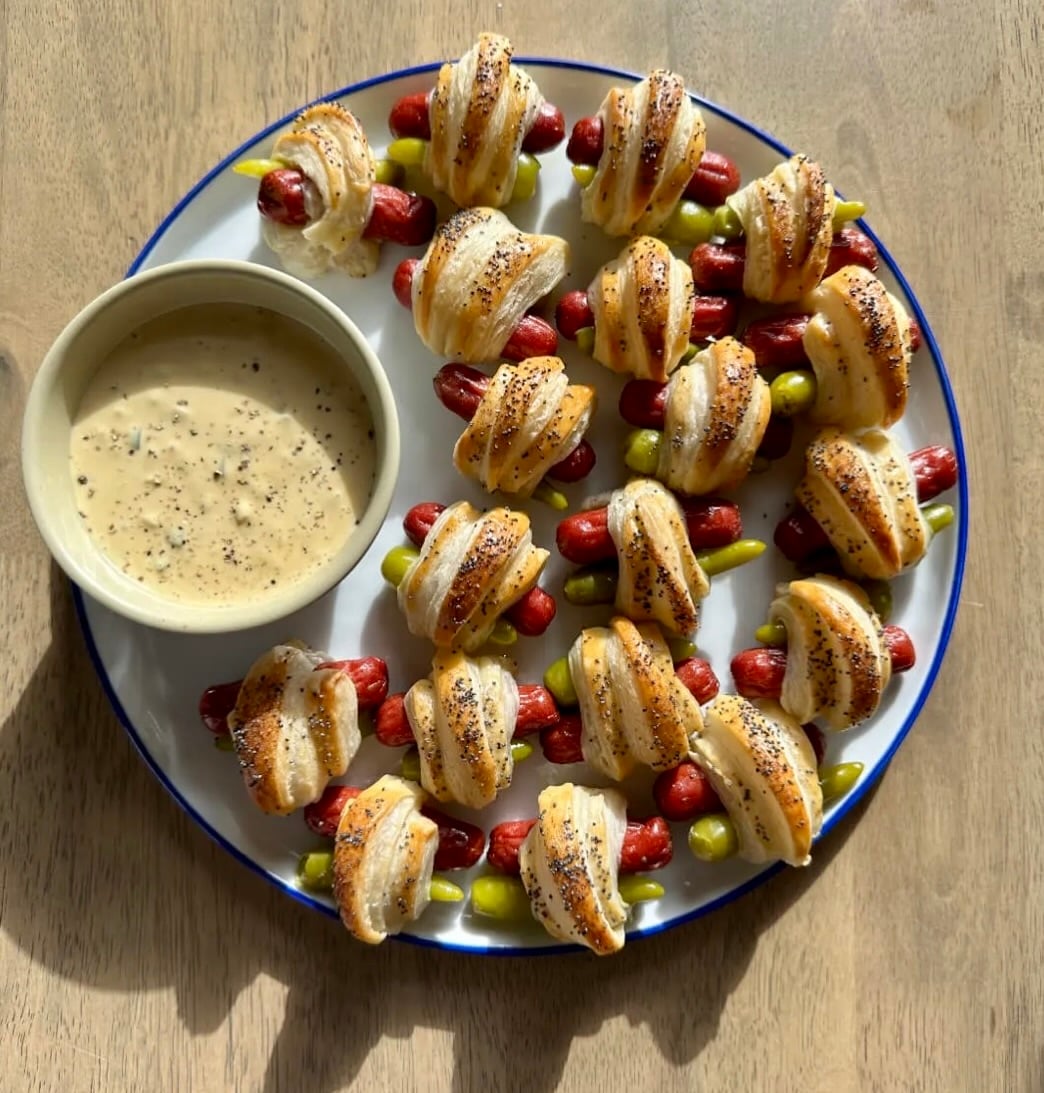
In the culinary sector, there is a growing movement toward the "gourmet-ification" of nostalgic American snacks. A prominent example is the recent viral interest in Hailee Catalano’s Chicago-inspired "pigs-in-a-blanket." Catalano, a professional chef who has successfully transitioned to digital content creation, represents a new wave of culinary influencers who prioritize technique-driven home cooking.
The Chicago-inspired variation of this classic appetizer incorporates elements of the traditional Chicago-style hot dog—typically including yellow mustard, chopped white onions, bright green sweet pickle relish, a dill pickle spear, tomato wedges, pickled sport peppers, and a dash of celery salt. By applying these complex flavor profiles to a simple puff-pastry-wrapped sausage, chefs are tapping into a consumer desire for "approachable gourmet" food.
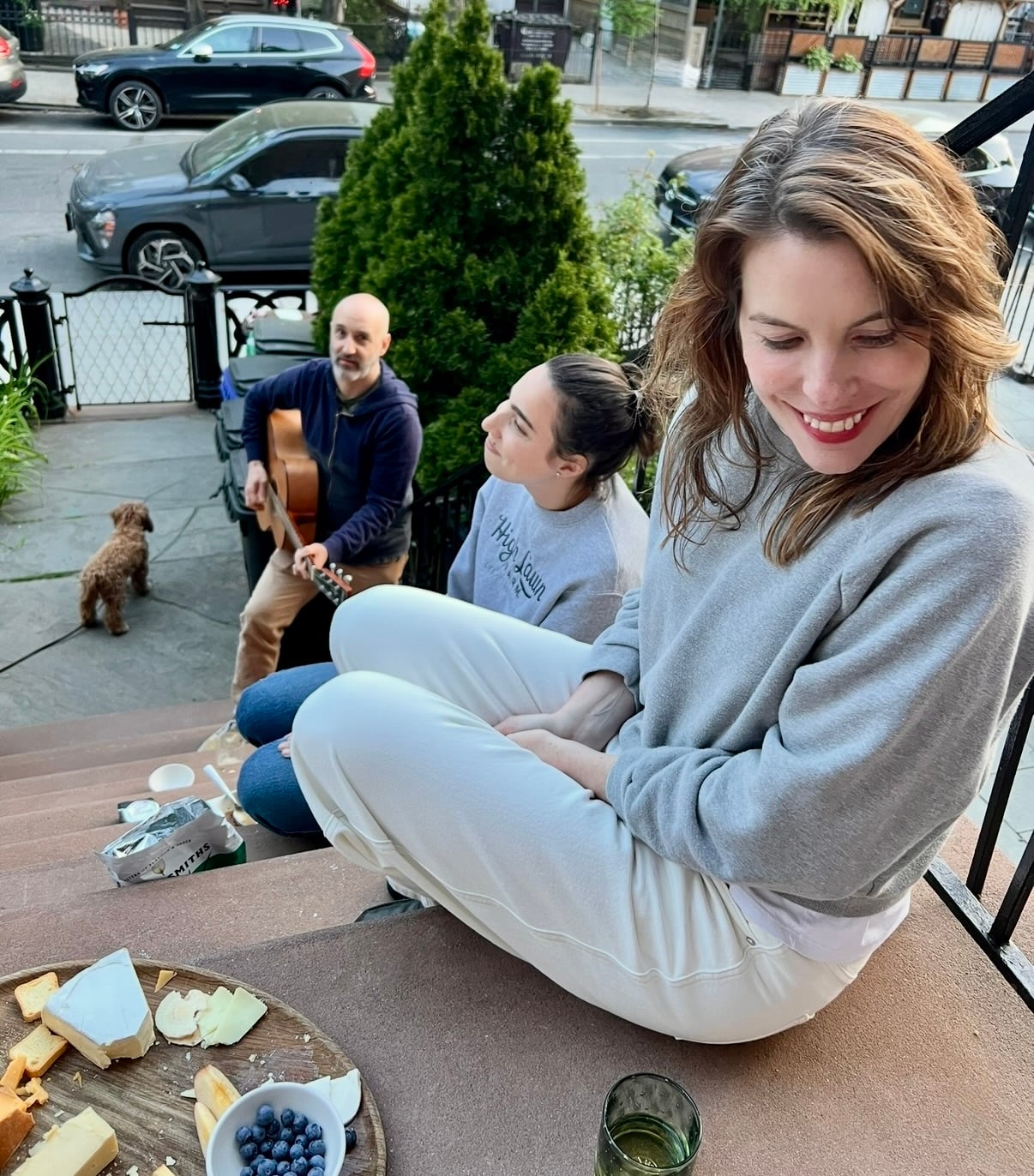
This trend is reflected in broader grocery data, which shows a rise in the sale of specialty condiments and artisanal frozen appetizers. The "home entertaining" market has seen a resurgence as consumers look for ways to host gatherings that are both informal and culinary-forward. The aesthetic presentation of these dishes, often shared via short-form video, serves as a primary driver for recipe adoption among millennial and Gen Z demographics.
The Literary Landscape: A Deep Dive into Multi-Generational Sagas
The publishing industry is currently seeing a robust performance in the category of literary fiction, particularly novels that explore complex family dynamics and multi-generational narratives. Two titles have recently emerged as central to the cultural conversation: The Complex by Karan Mahajan and I’ll Come to You by Rebecca Kauffman.
Karan Mahajan, a finalist for the National Book Award for his previous work The Association of Small Bombs, continues his exploration of the human condition in The Complex. The novel is noted for its vivid characterization and its ability to transport readers into the domestic and social intricacies of life in India. Critics have praised Mahajan’s ability to render the "vivid inner lives" of his characters, a trait that has become a requirement for high-level literary fiction in the current market.
Similarly, Rebecca Kauffman’s I’ll Come to You has been compared to the works of Elizabeth Strout and Colm Tóibín. These authors are known for their mastery of the "unsaid"—the psychological tension that arises when family members keep secrets or fail to communicate effectively. This genre of "psychological realism" resonates with readers who seek a deeper understanding of interpersonal relationships.
Market data from independent bookstores indicates that "word-of-mouth" remains the most effective marketing tool for literary fiction. When a title is recommended by a trusted curator, it often sees a sustained presence on bestseller lists, regardless of the initial marketing budget. The desire for "vivid" and "sweeping" narratives suggests a move away from minimalist prose toward more expansive, emotionally resonant storytelling.
Chronology of Recent Cultural Milestones
To understand the current state of lifestyle and entertainment trends, it is essential to look at the timeline of events that led to this convergence:
- Early Q1: The podcasting sector sees a shift toward "companion" content, where listeners engage with personalities they have followed across different media for decades.
- Mid Q1: The literary world sees the release of several highly anticipated family sagas, setting the tone for the year’s reading lists.
- Late Q1: Culinary influencers begin pivoting from "comfort food" to "entertaining food" in anticipation of the spring hosting season.
- Early Q2: The first significant "sunlight events" in major metropolitan areas trigger a shift in retail focus toward spring and summer fashion.
- Present: The release of the Poehler-Armisen collaboration acts as a catalyst, bringing together fans of comedy, digital media, and curated lifestyle content.
Broader Impact and Implications for the Digital Economy
The integration of comedy, fashion, food, and literature into a single stream of consciousness—as seen in modern lifestyle platforms—represents the pinnacle of "content curation." For brands, this means that the context in which a product is mentioned is just as important as the product itself. A pair of white jeans is no longer just a garment; it is part of a "mood-boost" associated with a specific cultural moment.
Furthermore, the success of these curated recommendations highlights the ongoing shift from traditional advertising to "influence-based" commerce. Consumers are more likely to purchase a "splurgy" dress or a specific book if it is presented alongside a humorous podcast recommendation or a unique recipe. This holistic approach to lifestyle content creates a "sticky" environment for users, keeping them engaged for longer periods and increasing the likelihood of multi-category consumption.
In conclusion, the current cultural landscape is defined by a sophisticated blend of nostalgia, professional expertise, and aesthetic curation. Whether through the improvisational comedy of Amy Poehler and Fred Armisen or the psychological depth of a Karan Mahajan novel, the modern consumer is looking for content that is both entertaining and intellectually stimulating. As the digital economy continues to evolve, the ability to weave these disparate elements into a cohesive narrative will remain the primary skill of successful media creators and lifestyle curators.