
The landscape of modern relationships is increasingly defined by the resilience of individuals navigating the aftermath of marital dissolution. This shift is exemplified by the recent work of Katia Wish, a Boston-based illustrator, author, and educator, whose latest visual narrative explores the complex emotional journey of re-entering the dating world. Wish’s work, published as part of a broader series on life transitions, highlights a growing cultural movement toward "manifestation"—a psychological and intentional approach to finding partnership after a period of significant personal loss. By chronicling the transition from the grief of divorce to the hopeful pursuit of new connections, Wish provides a window into the lived experience of millions of adults who find themselves at a romantic crossroads in mid-life.
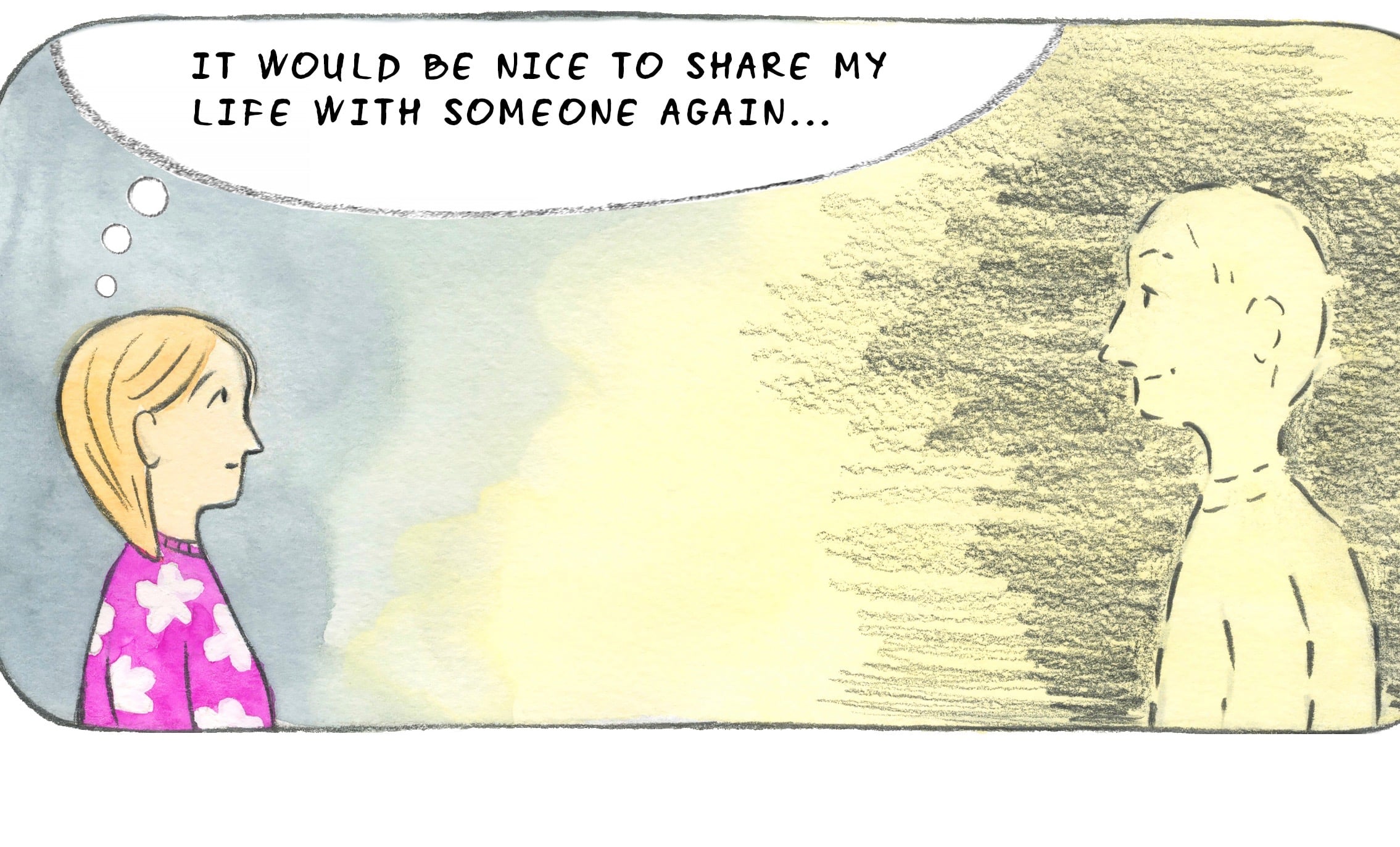
The Chronology of Post-Divorce Recovery and Re-entry
The process of moving from a legal separation to a state of emotional readiness for a new relationship is rarely linear. Sociological research suggests that the "healing timeline" after divorce typically spans two to five years, depending on the duration of the previous marriage and the presence of children. Wish’s narrative structure mirrors this progression, beginning with the internal work of overcoming grief.
In the initial stage, which experts often call the "survival phase," the focus remains on logistical stability and emotional regulation. This is followed by a period of self-discovery, where the individual begins to decouple their identity from their former spouse. Wish’s comics frequently touch upon the nuances of single and co-parenting, which act as both a tether to the past and a motivation for building a stable future. Only after these stages are navigated does the concept of "manifesting" a new love become a viable psychological goal.
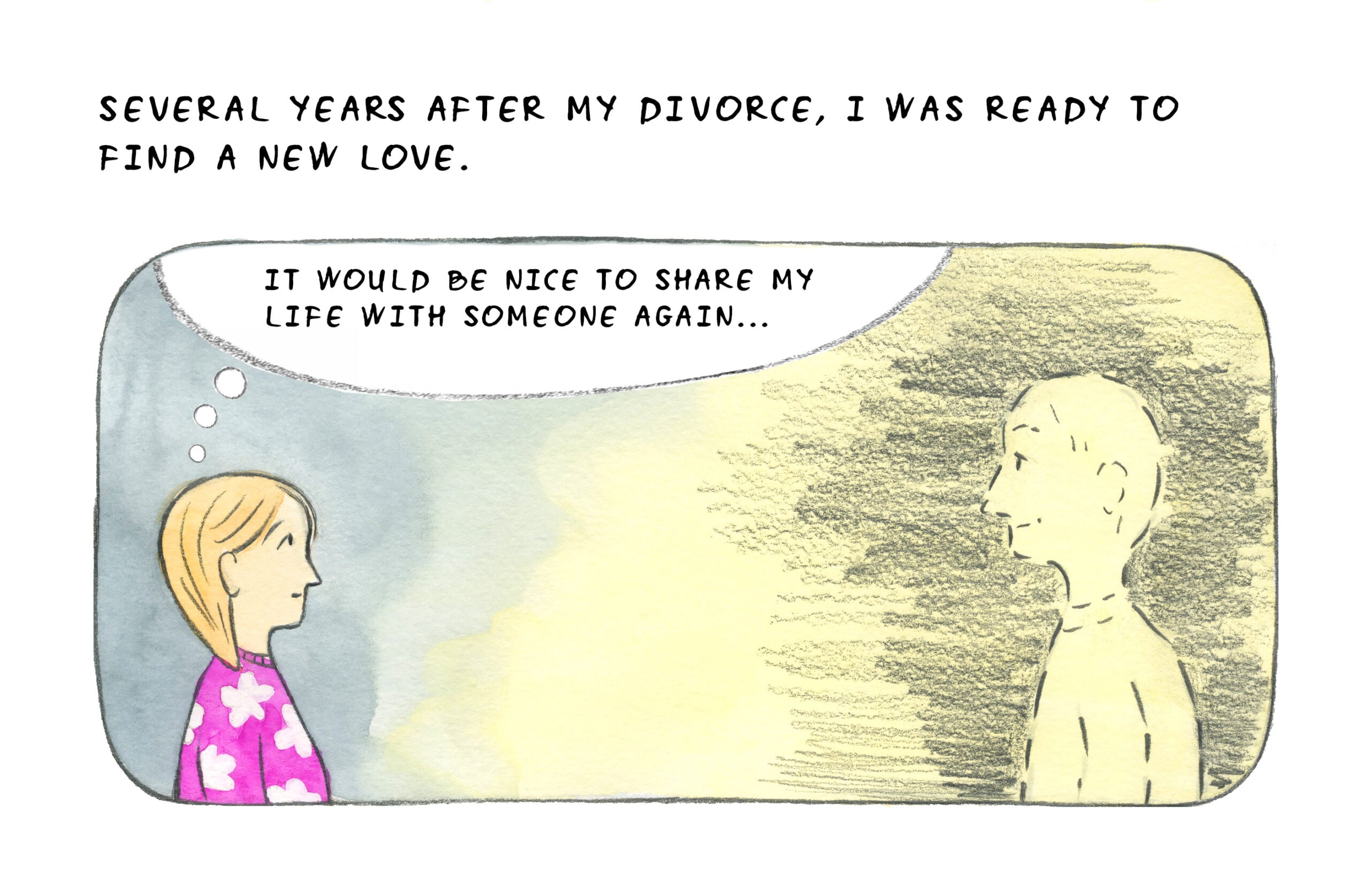
Manifestation, in this context, is defined not as a mystical phenomenon but as a cognitive-behavioral strategy. It involves the clarification of values, the setting of firm boundaries, and the proactive visualization of a healthy partnership. This intentionality is a hallmark of the "second-act" dater, who often approaches romance with more skepticism but also more self-awareness than they did in their youth.
Statistical Landscape of Modern Divorce and Remarriage
To understand the broader implications of Wish’s work, one must look at the data surrounding marital trends in the 21st century. According to data from the U.S. Census Bureau and the National Center for Health Statistics (NCHS), while the overall divorce rate in the United States has seen a slight decline over the last decade, the phenomenon of "gray divorce"—divorce among those aged 50 and older—has doubled since 1990.
The median age for a first divorce is approximately 30 for men and 29 for women, though many individuals re-entering the dating market as described in Wish’s work are in their late 30s to early 50s. Statistics indicate that approximately 75% of people who divorce eventually remarry. However, the interval between divorce and the next serious relationship has lengthened. The Pew Research Center notes that modern divorcees are taking more time to "find themselves" before committing to a new partner, a trend that aligns with the theme of intentional manifestation.
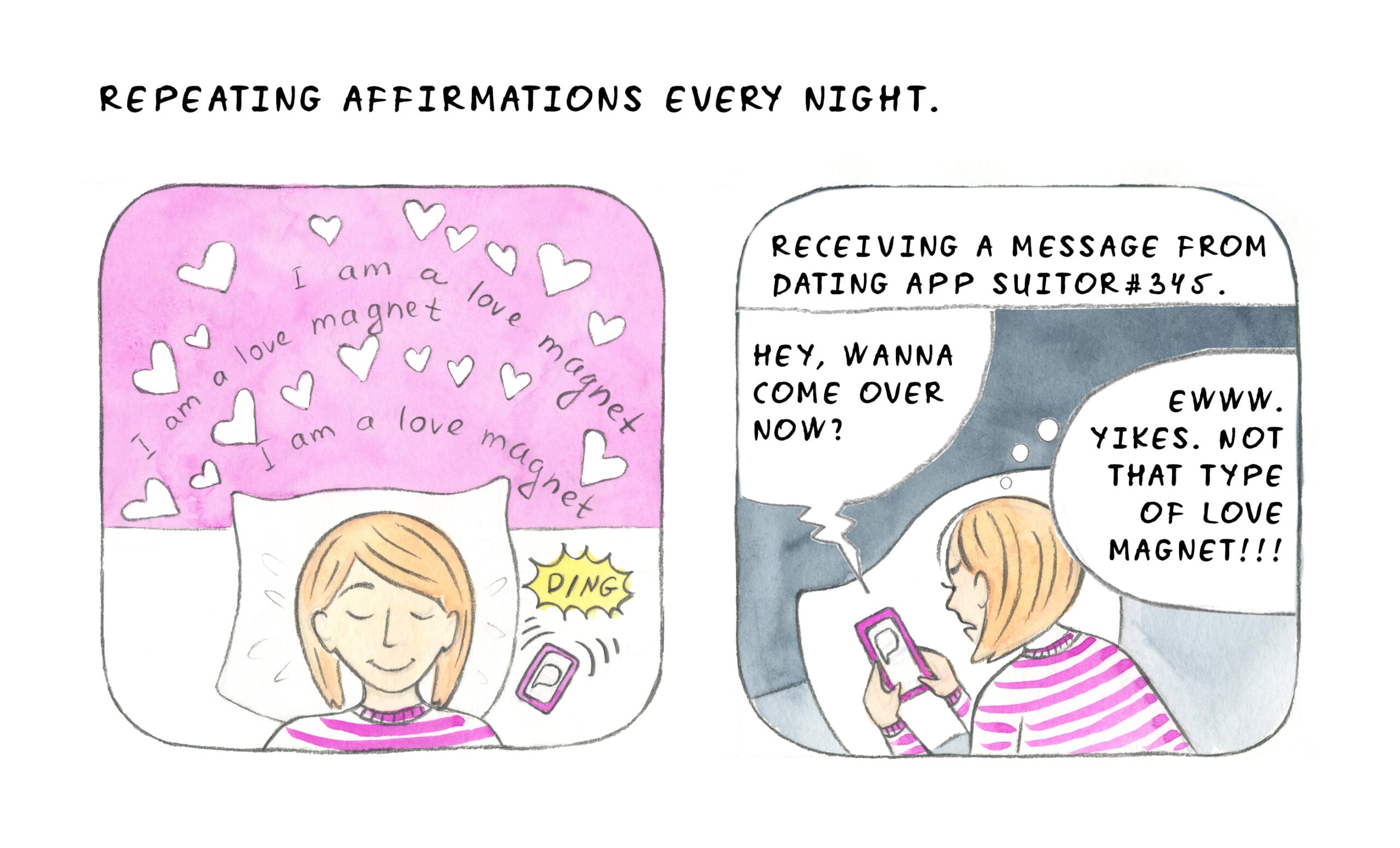
Furthermore, the role of digital technology cannot be understated. Approximately 40% of new relationships in the post-divorce demographic now begin on dating applications. However, Wish’s narrative suggests a fatigue with the "gamification" of dating, pointing instead toward a desire for organic, meaningful connection that aligns with one’s evolved personal identity.
The Psychology of Manifestation and Intention-Setting
Psychologists often refer to the principles behind manifestation as "selective attention" or the "reticular activating system" (RAS) at work. When an individual focuses on specific qualities they desire in a partner—such as emotional intelligence, shared values, or reliable communication—their brain becomes more adept at noticing these traits in the people they encounter.
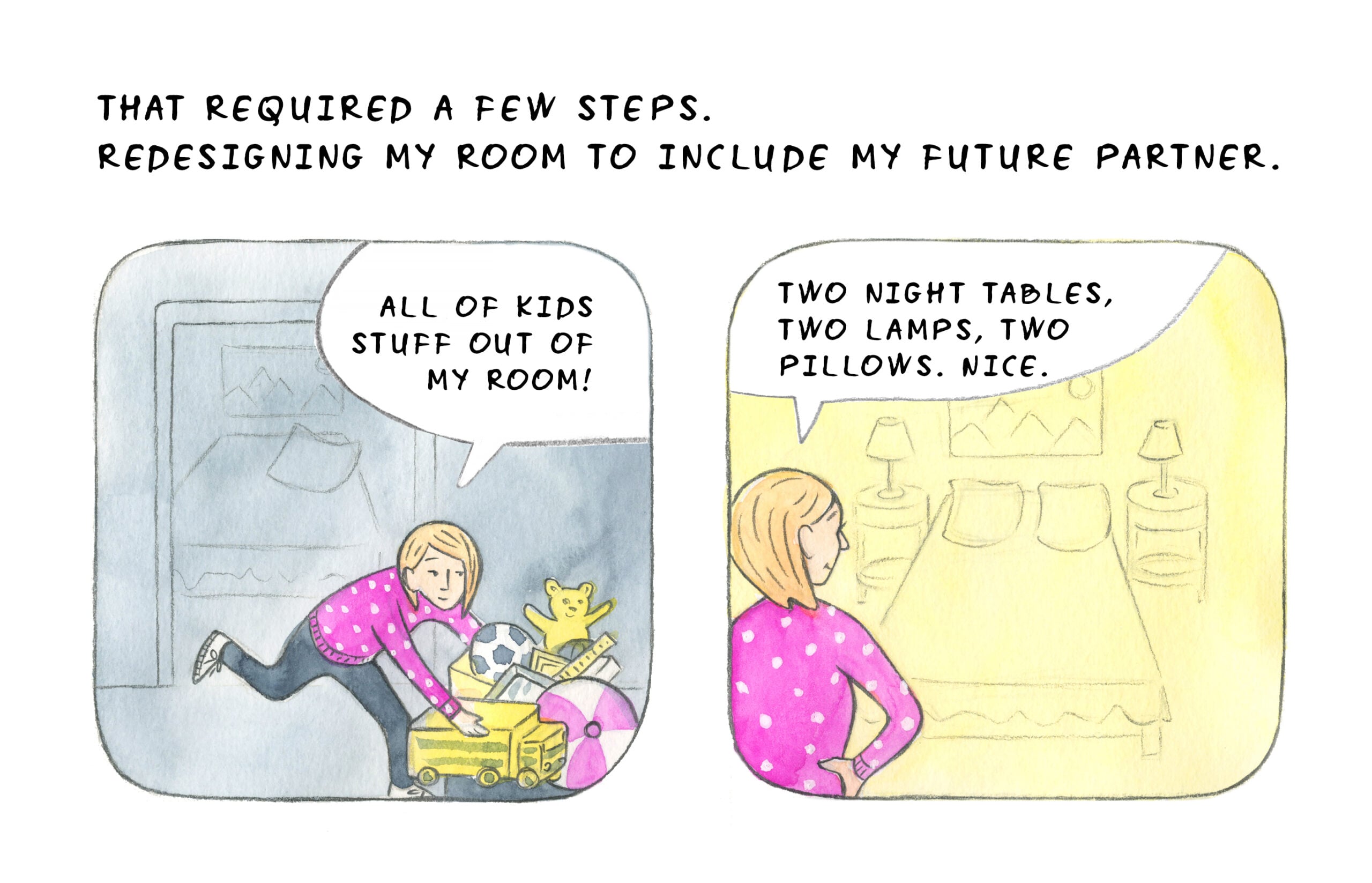
For a divorcee, this process is crucial. The trauma of a failed marriage can often lead to a "scarcity mindset," where the individual believes that healthy love is no longer possible. Manifestation serves as a tool to shift this perspective toward an "abundance mindset." By visualizing a new love, as depicted in Wish’s illustrations, the individual begins to act in ways that make that love more likely to occur: they attend social events, communicate their needs more clearly, and refuse to settle for relationships that mirror the toxic patterns of their past.
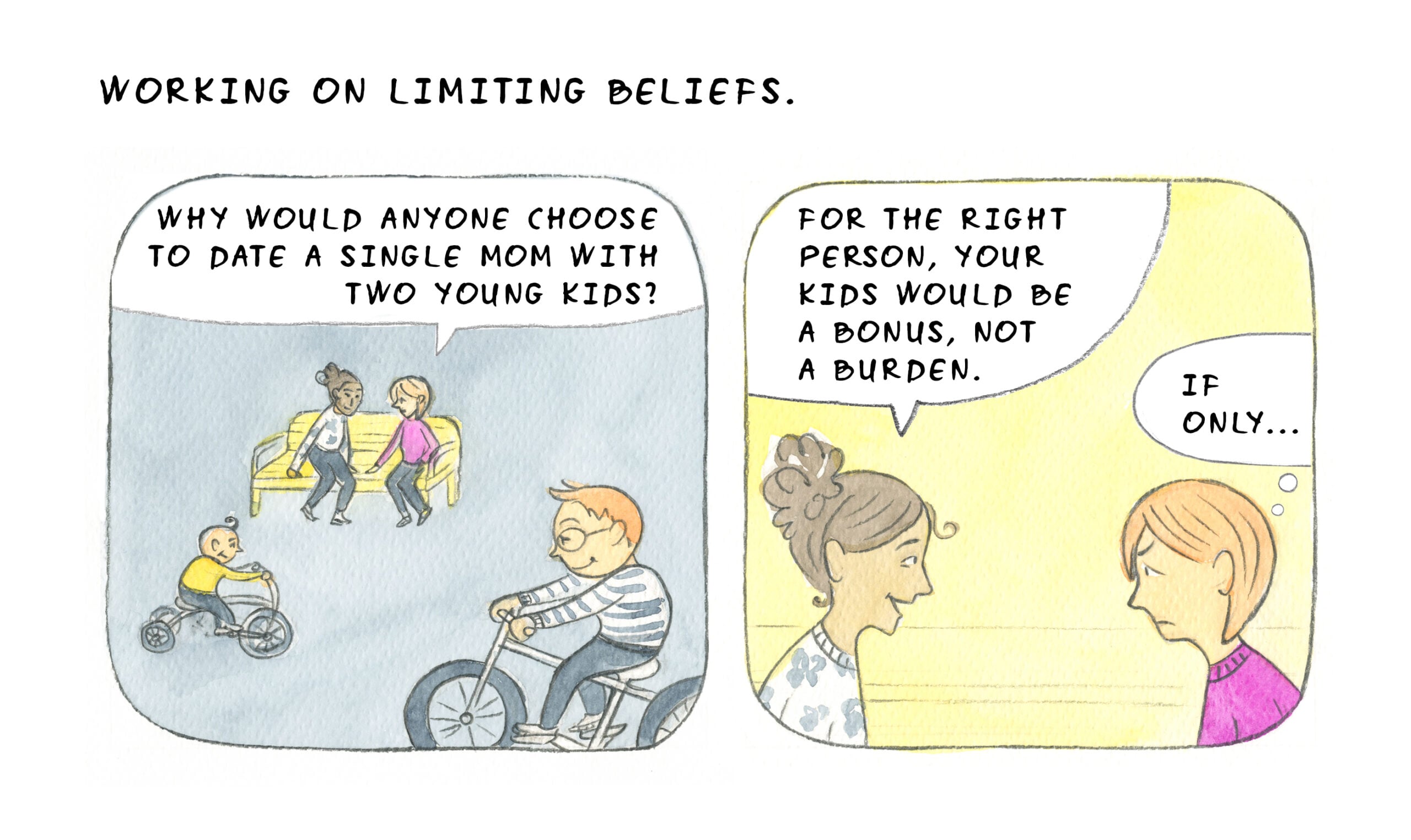
Dr. Carol Dweck’s research on "growth mindset" also applies here. Those who view their divorce as a terminal failure are less likely to manifest a successful new relationship than those who view it as a difficult but necessary evolution. Wish’s work emphasizes this evolution, showing that the "new life" started after divorce is not just a replacement for the old one, but a more authentic version of it.
The Intersection of Art, Narrative, and Healing
Katia Wish’s choice of the comic medium to explore these themes is significant. Visual storytelling allows for the expression of "micro-emotions"—the fleeting moments of doubt, the humor in a bad date, or the quiet peace of a solo evening—that are often lost in purely textual accounts.
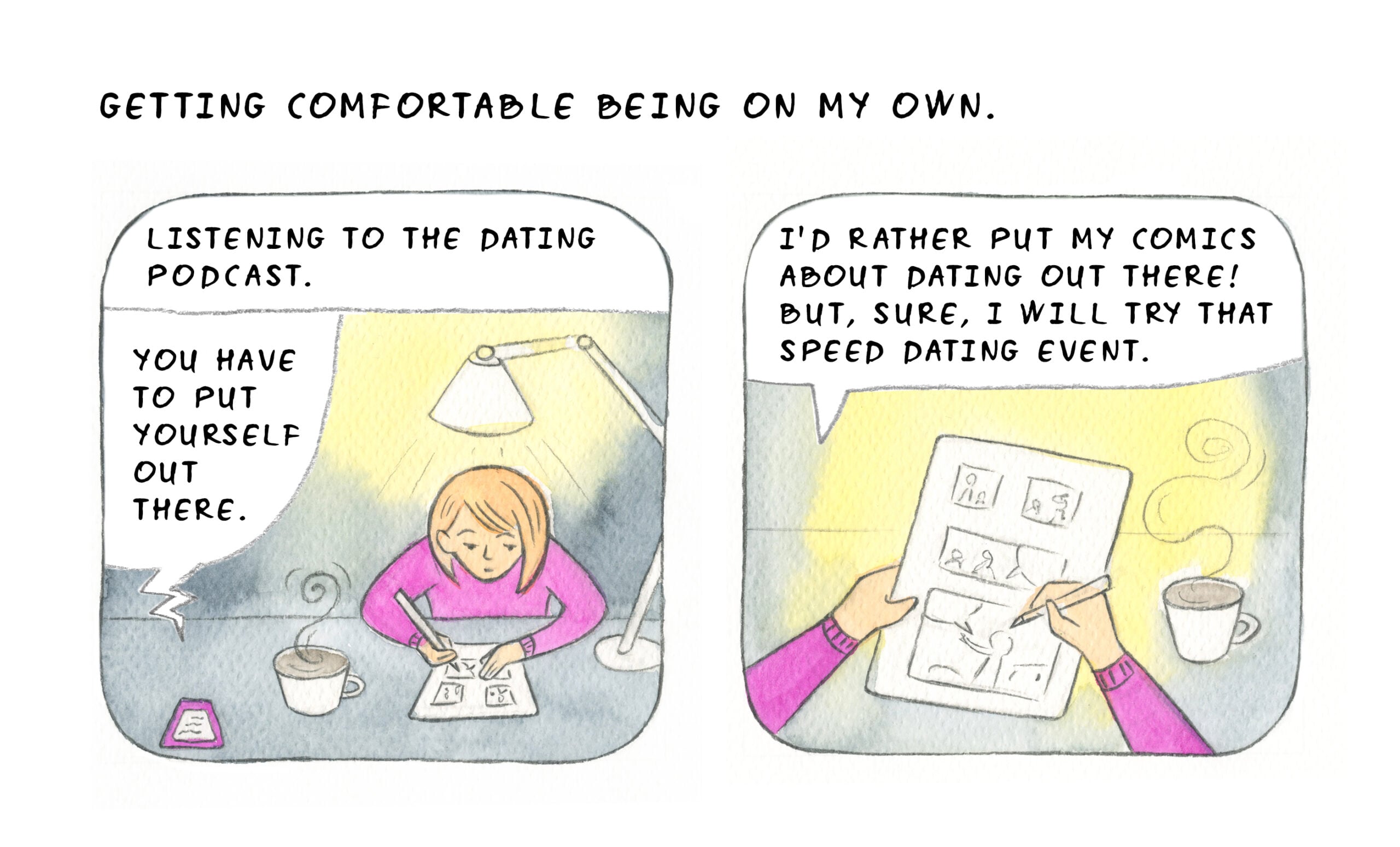
Narrative therapy suggests that by externalizing their experiences through art or writing, individuals can gain a sense of agency over their lives. For Wish’s audience, seeing their own struggles reflected in her illustrations provides a form of communal validation. This is particularly important in the context of divorce, which can still carry a social stigma of failure. By reframing the post-divorce experience as a journey of manifesting something better, Wish contributes to a more positive cultural dialogue regarding life after the end of a marriage.
Implications for Modern Dating and Digital Communities
The reception of Wish’s work on platforms like Cup of Jo highlights the power of digital communities in the healing process. In an era where traditional support systems—such as local neighborhood groups or extended family networks—may be less robust, online spaces provide a vital venue for shared vulnerability.
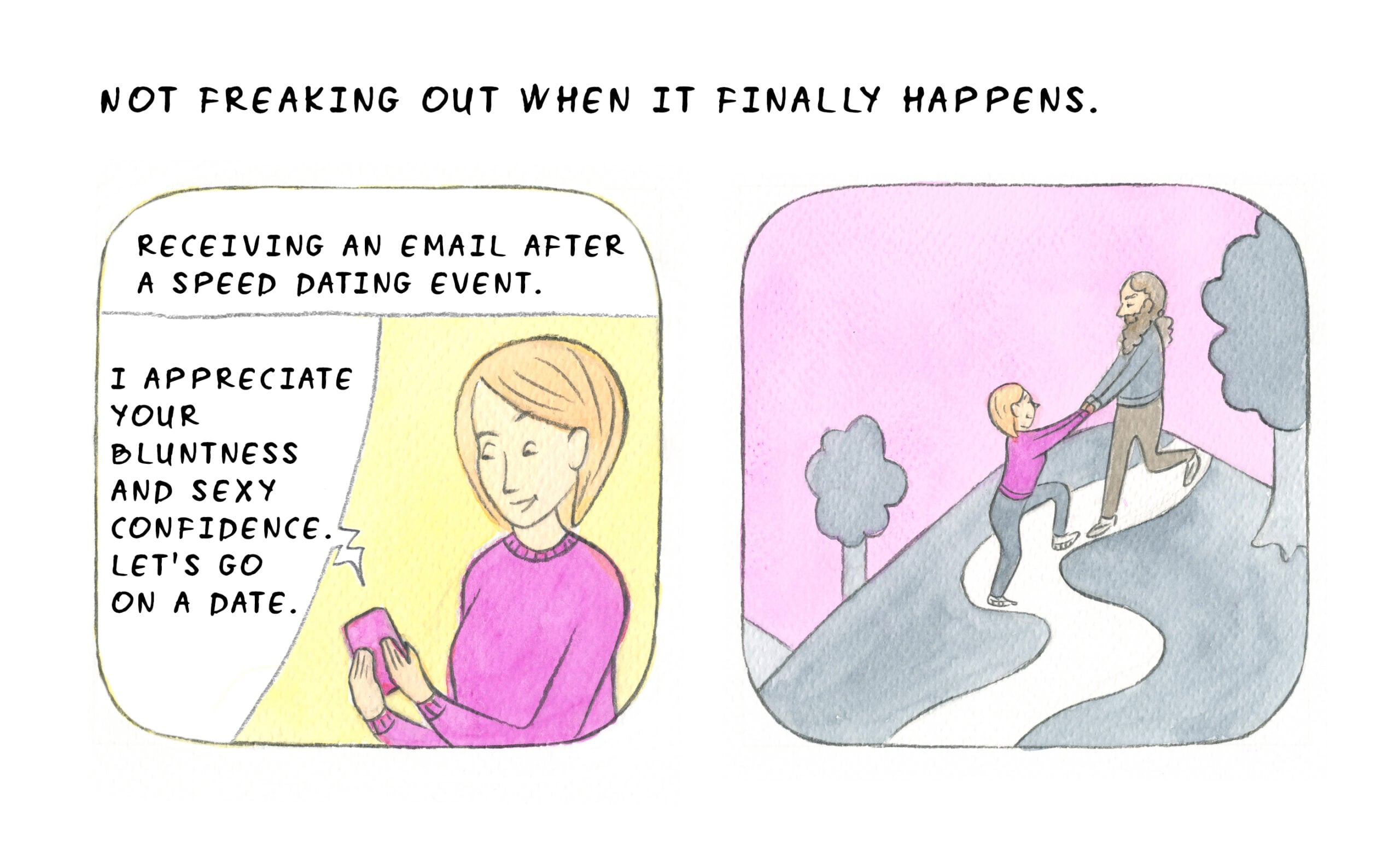
The comments and reactions to Wish’s "Manifesting a New Love" series suggest a high degree of relatability among readers. Many cite the difficulty of balancing the desire for new love with the responsibilities of parenting and career. This "sandwich generation" of daters faces unique pressures that previous generations did not. They are often caring for children while also managing the decline of their own parents, all while trying to navigate a dating landscape that has changed radically since they were last "on the market."
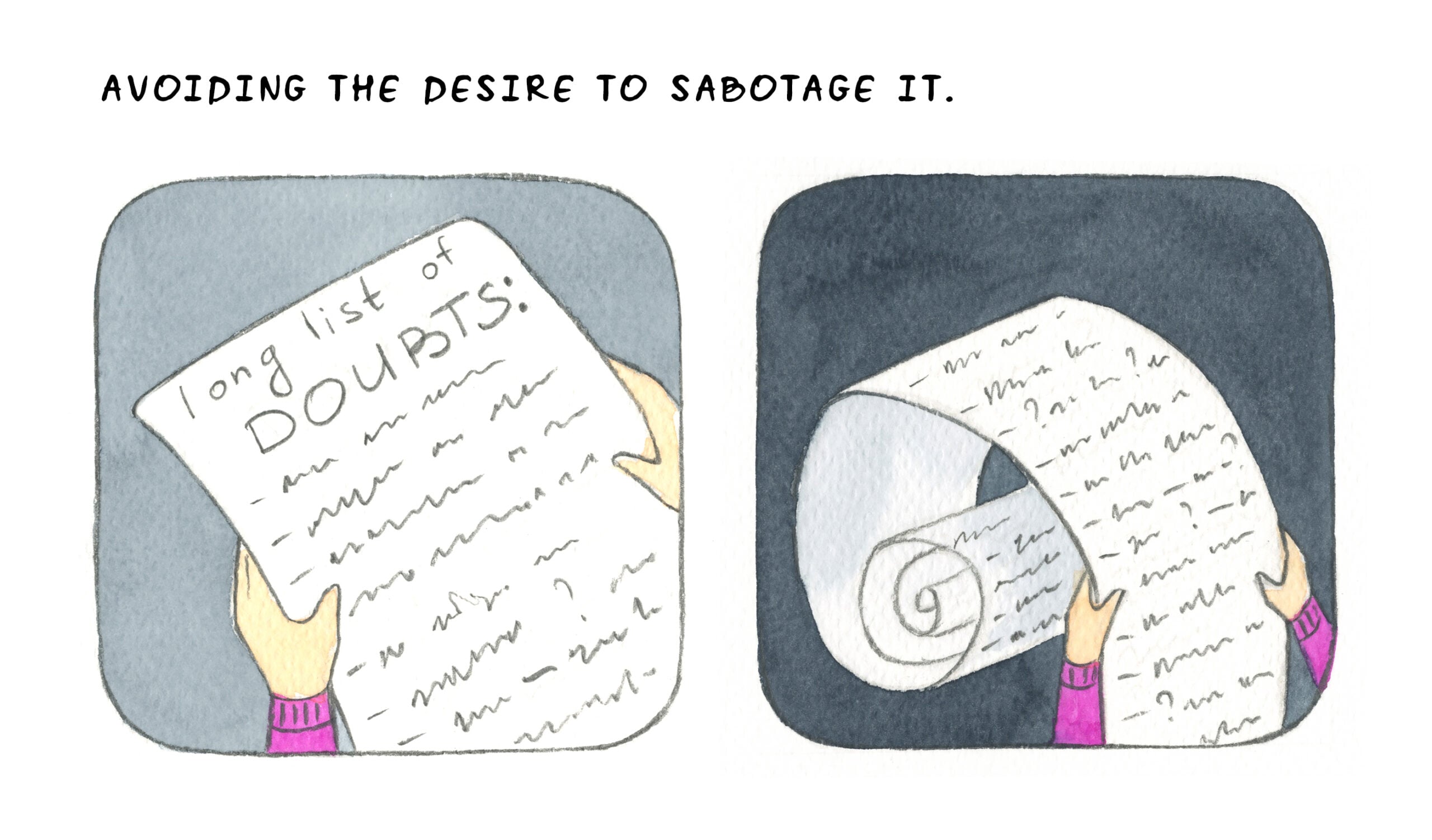
The broader impact of these narratives is the normalization of the "second chance." The idea that one’s romantic life is not over after a divorce is a relatively recent cultural development. In the mid-20th century, divorce often meant a permanent withdrawal from certain social circles. Today, it is increasingly viewed as a transition period. Wish’s work reinforces the notion that manifesting a new love is an act of courage—a refusal to let a past chapter define the rest of the book.
Conclusion and Future Outlook
As the demographics of the dating world continue to shift, the demand for authentic, experience-driven content like that of Katia Wish is likely to grow. The "manifestation" of love after divorce is more than a self-help trend; it is a reflection of a society that values personal growth and emotional health over the mere maintenance of social institutions.
The data suggests that second and third marriages can be highly successful, provided the individuals involved have taken the time to process their previous experiences. By focusing on the internal work of healing and the external work of manifestation, divorcees are better equipped to build partnerships based on compatibility rather than necessity.
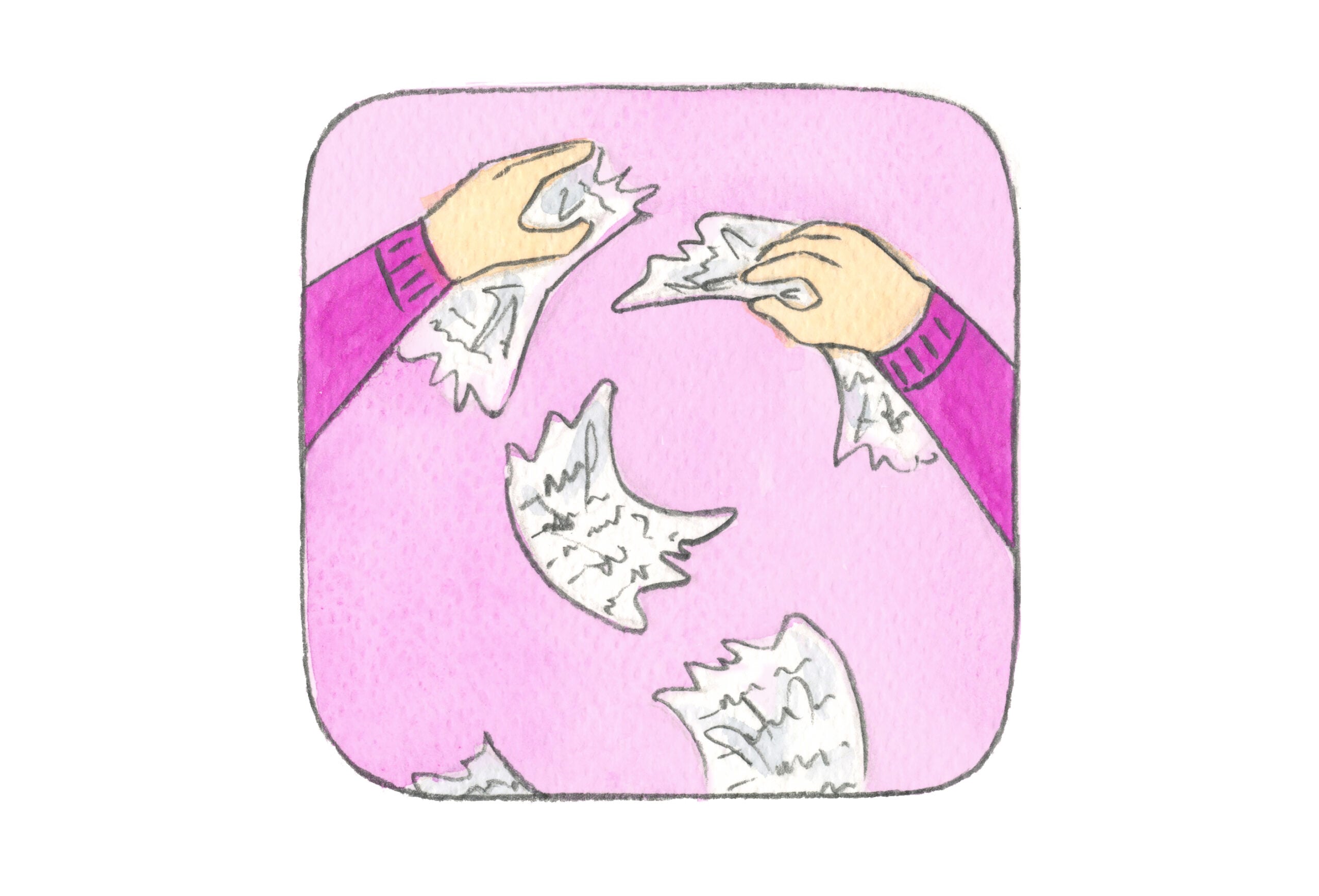
Katia Wish, through her roles as an illustrator and educator, remains a prominent voice in this space. Her work serves as both a roadmap and a mirror for those navigating the complexities of the human heart. As more people embrace the principles of intentionality and self-discovery, the narrative of divorce will continue to move away from "ending" and toward "beginning," proving that the manifestation of new love is not just a dream, but a tangible possibility for those willing to do the work.